
In the fast-paced world of digital research and academic publishing, precision is the currency of credibility. Whether you are crafting a white paper for a tech startup, documenting a software development lifecycle, or reviewing emerging AI tools, the way you cite your sources matters. In the American Psychological Association (APA) style, a bibliography—more accurately referred to as a “Reference List”—is the backbone of your intellectual integrity. It provides the digital breadcrumbs that allow your readers to verify your claims, explore your data sources, and understand the technical lineage of your ideas.
Understanding the mechanics of APA format is not merely an academic exercise; it is a vital skill for professionals in technology who must balance the rapid evolution of digital innovation with the need for verifiable documentation. When you cite a source correctly, you are establishing authority, acknowledging the developers and researchers who paved the way, and ensuring that your technical documentation is robust, transparent, and professional.
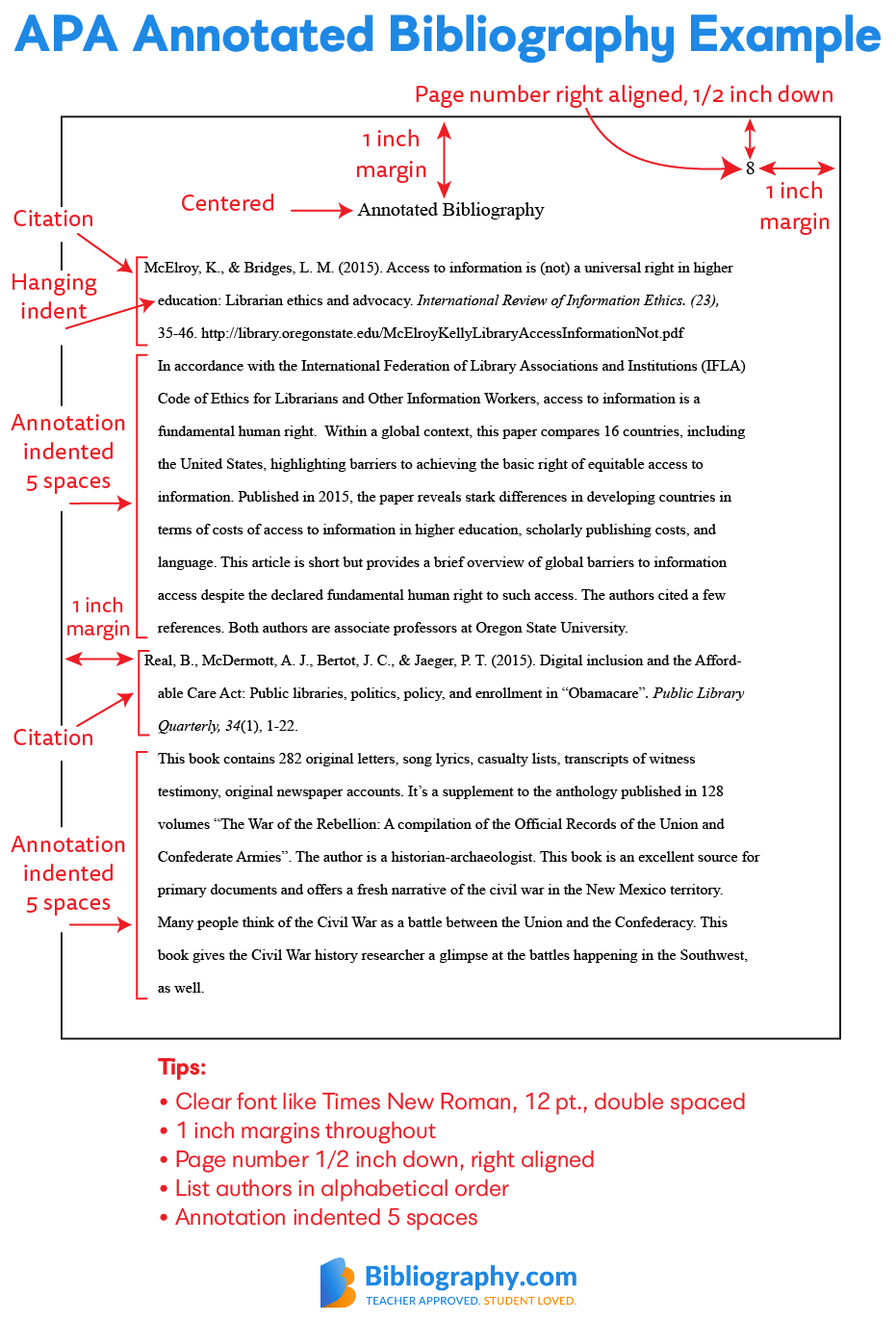
The Architecture of APA References: Why Accuracy Matters in Tech
The primary goal of a bibliography in APA style is consistency. In the technology sector, where information ranges from open-source documentation and software manuals to peer-reviewed journals on machine learning, having a standardized format is essential for clarity. A well-constructed reference list serves three critical functions: it prevents plagiarism, allows for the tracking of intellectual property, and enables peers to replicate or build upon your technical findings.
Components of a Reference Entry
Every entry in your reference list must adhere to a specific structure. APA 7th edition, the current standard, emphasizes a clean, readable flow. Generally, each source requires four primary elements:
- Who: The author(s) or the organization responsible for the content (e.g., the software development team or the research laboratory).
- When: The date of publication or the last update of the digital tool or documentation.
- What: The title of the article, manual, repository, or software documentation.
- Where: The source location, which, in the modern digital age, is almost always a URL or a Digital Object Identifier (DOI).
By standardizing these elements, you ensure that anyone interacting with your tech-heavy content—be it a fellow developer, a venture capitalist, or a cybersecurity researcher—can instantly locate the original source of your information.
The Distinction Between Bibliography and Reference List
A common point of confusion is the terminology. In APA style, the list at the end of your document is technically called a “Reference List.” While the term “bibliography” is often used interchangeably in general discourse, there is a distinct difference. A bibliography typically includes all sources consulted during your research, regardless of whether you cited them directly. An APA “Reference List,” by contrast, includes only those sources that you specifically cited within your text. For technical white papers and software documentation, the APA Reference List is the preferred approach because it maintains focus on the specific data points and frameworks supporting your current argument.
Formatting Standards for Digital and Tech Resources
Technology is a medium that evolves daily. Consequently, the APA format has adapted to accommodate everything from GitHub repositories to ephemeral blog posts about the latest AI breakthroughs. Knowing how to format these digital artifacts is what separates a novice documenter from a professional technical writer.
Citing Software and Technical Documentation
When citing software, your goal is to identify the creators and the version you are utilizing. The format generally follows:
- Author/Creator: The name of the person or the corporation (e.g., OpenAI, Google).
- Date: The date of the version release.
- Title: The name of the software or app in italics.
- Source: The URL or the platform where the software can be accessed.
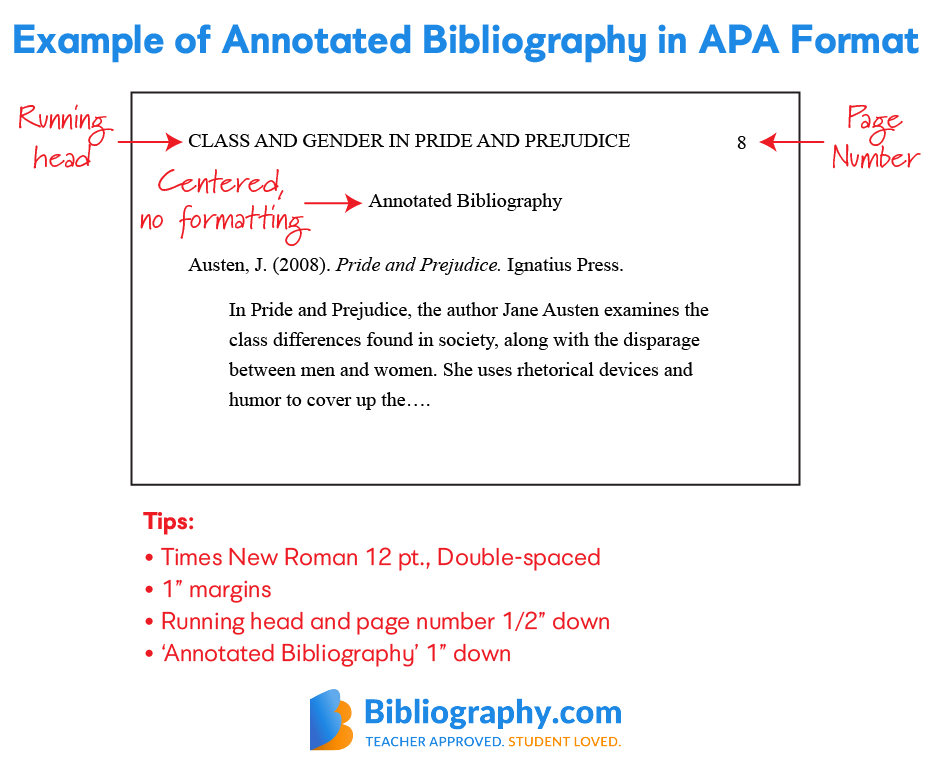
For instance, if you are documenting a specific framework’s performance, you would cite the exact documentation page, ensuring the reader knows exactly which version of the codebase you are discussing. This level of granular detail is vital in digital security and software development, where a minor version update can drastically change functionality.
Handling Web-Based Sources and Dynamic URLs
In the tech industry, links are the primary source of verification. APA style requires a URL or a DOI for all digital sources. If you are citing a digital article, a tutorial, or a review of a new gadget, the URL should be live and functional. If the website content is dynamic—meaning it changes frequently, such as a cloud-based dashboard or a live wiki—it is essential to include the retrieval date if the content is not archived. However, for static articles or official documentation, the direct URL is sufficient.
Ensure that your hyperlinks are clear and accessible. In a digital document, these should be hyperlinked directly to the source to improve the user experience. By making your citations “clickable,” you enhance the credibility of your report and provide a seamless navigation experience for your audience.
Best Practices for Managing References in a Tech-Forward Workflow
Maintaining an accurate reference list manually can be an arduous task, especially when dealing with complex white papers or comprehensive technical reviews. Utilizing the right tools and workflows can save time and reduce the likelihood of formatting errors.
Leveraging Citation Management Software
For technology professionals managing dozens or hundreds of sources, manual formatting is inefficient. Tools such as Zotero, Mendeley, or EndNote are indispensable. These tools can automatically ingest metadata from web browsers, organize your sources, and generate a perfectly formatted APA reference list in seconds.
By integrating a citation manager into your workflow, you ensure that your documentation stays clean and professional. When you are writing about high-stakes topics like digital security or AI ethics, the ability to manage your references with precision reflects the quality of your technical work.
Maintaining Version Control in Your Citations
Just as you use version control (such as Git) for your code, you should maintain version control for your research. In the technology sector, the “state of the art” changes monthly. A citation that was relevant in 2022 might be obsolete today. Regularly audit your bibliography to ensure that:
- All links are still active (removing “link rot”).
- The versions of software or libraries you are referencing are still the most current or appropriate for your context.
- The information cited is still aligned with the latest benchmarks in the industry.
The Role of Transparency in AI-Generated Content
As AI tools become more prevalent in content creation, the importance of accurate bibliographies has hit an all-time high. If you are utilizing AI to summarize research or help draft technical explanations, you must cite the sources that the AI identifies as its foundation. If the AI cannot provide a verifiable source, you must investigate the claim independently before including it in your document. Your reference list is your “truth claim”—it tells your reader that you have done the due diligence required to verify the technical accuracy of your writing.
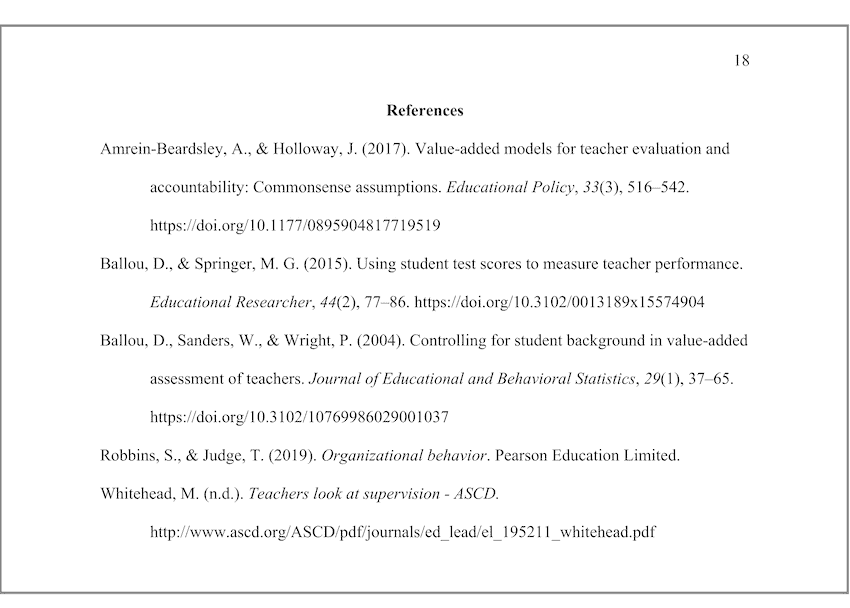
Conclusion: The Professional Edge
In the landscape of technology, your words are only as strong as the evidence you provide. A meticulously maintained bibliography in APA format does more than just follow style guidelines; it builds a bridge of trust between you and your audience. It signals to your peers, stakeholders, and clients that your work is grounded in verifiable data and rigorous research.
By mastering the APA reference structure—properly identifying your sources, utilizing digital management tools, and keeping your documentation updated—you elevate the quality of your output. Whether you are pitching a new app, publishing an in-depth review of the latest hardware, or contributing to a collaborative white paper, the bibliography stands as a testament to your professional standard. It is the final, essential step in moving your work from an idea to an authoritative resource, ensuring your insights are respected, traceable, and impactful within the rapidly advancing global technology ecosystem.
aViewFromTheCave is a participant in the Amazon Services LLC Associates Program, an affiliate advertising program designed to provide a means for sites to earn advertising fees by advertising and linking to Amazon.com. Amazon, the Amazon logo, AmazonSupply, and the AmazonSupply logo are trademarks of Amazon.com, Inc. or its affiliates. As an Amazon Associate we earn affiliate commissions from qualifying purchases.