
In the ever-evolving landscape of mobile technology, where sleek designs and immersive displays are paramount, understanding the fundamental components of a smartphone has become increasingly important for both consumers and industry enthusiasts. Among these components, the “bezel” often sparks curiosity. It’s a term that surfaces when discussing phone designs, screen-to-body ratios, and even durability. But what exactly is a bezel on a phone, and why does it matter in the grand scheme of smartphone engineering and user experience? This article delves into the definition, evolution, and functional significance of the bezel in modern mobile devices, placing it squarely within the realm of Tech.

The Anatomy of a Smartphone Display
At its core, a smartphone display is a marvel of engineering, responsible for presenting the digital world to its user. However, this display doesn’t exist in isolation. It’s surrounded by a frame that serves a multitude of purposes, and this frame is precisely what we refer to as the bezel.
Defining the Bezel: More Than Just an Edge
The bezel is the border or frame that surrounds a smartphone’s screen. It’s the physical material that separates the active display area from the rest of the phone’s chassis. While often perceived as mere decorative trim, bezels play a crucial role in the structural integrity and functional design of a device. They are not just empty space; they house vital components and contribute significantly to the overall ergonomics and aesthetics of the phone.
Components Within and Around the Bezel
The bezel is not a void; it’s a carefully designed space that accommodates various essential elements. These can include:
- Sensors: Proximity sensors, ambient light sensors, and even front-facing cameras are often subtly integrated within the bezel. These sensors are critical for functions like automatically dimming the screen during calls or adjusting brightness based on environmental conditions.
- Speaker Grilles: The earpiece speaker, used for phone calls, is typically embedded within the top bezel. In some designs, stereo speakers might also have grilles integrated into the side bezels.
- Microphones: While many phones have bottom-mounted microphones, some designs might also incorporate them into the bezels for enhanced audio capture.
- Antenna Lines: In some older or specific designs, antenna lines might be subtly visible within the bezel material.
- Camera Modules: While front-facing cameras are commonly in the bezel, in certain niche designs, or for specific features like depth sensors, elements might extend into the bezel area.
- Structural Support: The bezel provides structural support to the display assembly, protecting it from impacts and preventing it from flexing or cracking. It acts as a buffer zone, absorbing some of the force during accidental drops.
The Evolution of Bezels: From Bulky Borders to Near-Invisibility
The history of smartphones is inextricably linked to the evolution of their bezels. What started as substantial borders has dramatically shrunk over time, driven by a relentless pursuit of larger, more immersive screen experiences.
Early Smartphones: Prominent Bezels as a Necessity
In the early days of mobile phones and the nascent smartphone era, bezels were significantly larger and more pronounced. This was due to several factors:
- Technological Limitations: Display technology was less advanced, and the components required to drive them and provide functionality were physically larger. This necessitated more space for internal components and connection points.
- Durability Concerns: Early devices were built with a strong emphasis on ruggedness. Larger bezels offered more protection to the display, acting as a robust bumper against drops and impacts.
- Ergonomics and Grip: Larger bezels provided more surface area for users to hold the device without accidentally touching the screen. This was particularly important for devices with resistive touchscreens that required a stylus or firm press.
- Housing Physical Buttons: Many early smartphones featured physical navigation buttons (like home, back, and menu buttons) and sometimes even a full QWERTY keyboard below the screen, which inherently occupied a significant portion of the front real estate, contributing to larger bezels.
The Era of Miniaturization and Design Innovation
As technology advanced, components became smaller, and display technology improved. This paved the way for a significant reduction in bezel size:
- Capacitive Touchscreens: The widespread adoption of capacitive touchscreens, which are more responsive and allow for multi-touch gestures, reduced the need for physical buttons and allowed manufacturers to integrate more functions directly onto the screen.
- Advancements in Display Technology: The development of thinner and more robust display panels, such as AMOLED and OLED technologies, allowed for smaller bezels. The ability to integrate sensors and speakers directly beneath or within the display further contributed to this trend.
- Screen-to-Body Ratio Focus: The industry began to prioritize the “screen-to-body ratio,” a metric that quantifies how much of the phone’s front surface is occupied by the display. This led to intense competition to minimize bezels and maximize screen real estate.
- Integration of Front-Facing Cameras: Initially housed in the bezel, front-facing cameras were progressively integrated into smaller cutouts, notches, or even under-display solutions.
The Modern Smartphone: Edge-to-Edge Displays and Beyond
Today, the trend continues towards nearly bezel-less displays. Manufacturers are employing various innovative techniques to achieve this:
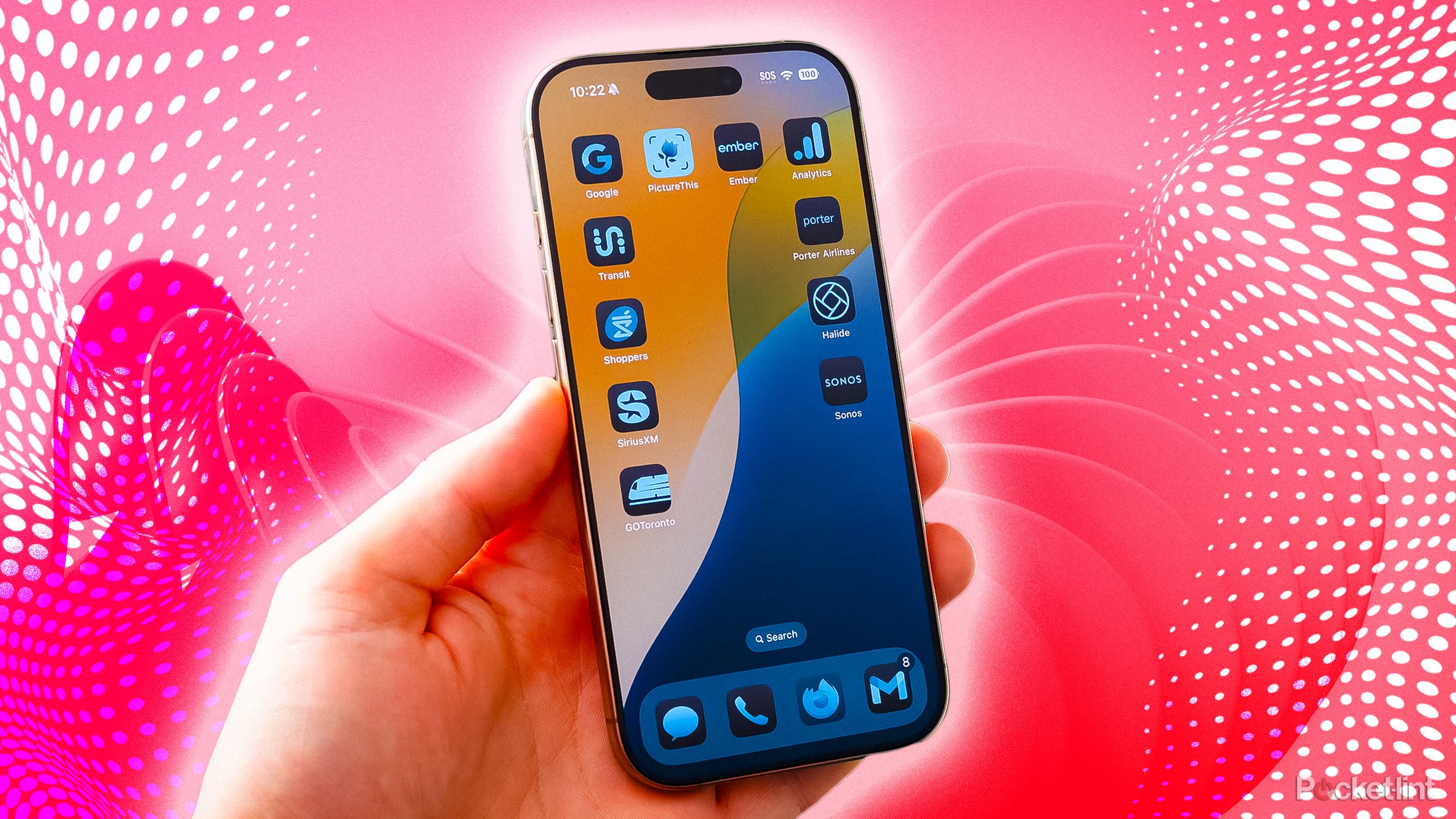
- Minimalist Bezels: Many flagship devices now boast ultra-thin bezels, often referred to as “bezelless” designs, creating a truly immersive viewing experience.
- Notches and Hole-Punch Cutouts: To house the front-facing camera and sensors without a large top bezel, manufacturers have adopted notches (like Apple’s Dynamic Island) and hole-punch cutouts, which are small circular or pill-shaped openings in the display.
- Under-Display Cameras: Emerging technologies are now exploring under-display cameras, where the camera lens is hidden beneath the display panel itself, offering a completely uninterrupted screen surface.
- Edge Displays: Some manufacturers have curved the edges of the display, allowing the screen to flow over the sides of the phone, effectively eliminating side bezels and creating a visually striking effect.
The Functional Significance of Bezels: Beyond Aesthetics
While the reduction of bezels is largely driven by aesthetic desires for larger screens, it’s crucial to remember their functional importance. Modern design strategies aim to balance the pursuit of immersive displays with practical considerations.
Structural Integrity and Durability
Despite the move towards smaller bezels, they remain vital for the structural integrity of a smartphone.
- Impact Absorption: The bezel acts as a crucial crumple zone. When a phone is dropped, the bezel is often the first point of contact, absorbing a significant portion of the impact force. Without adequate bezels, the display would be far more susceptible to cracking or shattering.
- Display Mounting and Protection: The bezel provides a secure mounting point for the delicate display panel. It helps to protect the edges of the screen from direct impacts and pressure, which can cause pixel damage or permanent marks.
- Preventing Accidental Touches: Even with advanced software algorithms, a certain amount of physical bezel is beneficial for preventing accidental touches, especially when holding the phone or interacting with edge gestures. This provides a comfortable grip without unintended screen activation.
Housing Essential Components and Functionality
As previously mentioned, the bezel is not just empty space; it’s a functional hub for various sensors and components that enable the smartphone’s core functionalities.
- Sensor Integration for User Experience: The seamless integration of proximity sensors, ambient light sensors, and front-facing cameras within the bezel (or its immediate vicinity) is critical for an optimal user experience. These sensors automate crucial functions, enhancing usability and power efficiency.
- Audio Components: The earpiece speaker, essential for clear phone calls, is almost universally housed within the top bezel. In some devices, stereo speaker setups might also incorporate grilles in the side bezels, contributing to a richer audio experience.
- Microphone Placement: While primary microphones are often at the bottom, secondary microphones for noise cancellation or voice command recognition can be strategically placed within the bezel area to optimize audio capture in various scenarios.
Ergonomics and Handling
The physical dimensions and texture of the bezel also play a significant role in how a user interacts with their device.
- Grip and Stability: Bezels provide a surface for users to comfortably grip the phone. Without them, holding a device with a completely edge-to-edge display can be awkward and lead to frequent accidental touches. The material and texture of the bezel can also significantly influence grip.
- Tactile Feedback: For some users, the tactile feel of a defined bezel can provide a sense of security and better control when handling the device. It offers a clear boundary between the screen and the phone’s frame.
- Distinguishing Screen from Frame: In situations with bright sunlight or when interacting with apps, a visible bezel can help users distinguish the active display area from the phone’s frame, reducing visual fatigue and improving focus.
The Future of Bezels: Towards Seamless Integration
The pursuit of maximizing screen real estate while maintaining functionality and durability continues to drive innovation in smartphone design, particularly concerning bezels.
The Quest for Truly Bezel-less Displays
The ultimate goal for many manufacturers is to achieve a truly bezel-less smartphone, where the display covers the entire front surface of the device without any visible borders.
- Under-Display Camera Technology: The most promising advancement in this direction is the development and refinement of under-display camera technology. This allows the front-facing camera to be completely hidden beneath the screen, eliminating the need for notches or hole-punch cutouts. While still in its early stages, this technology has the potential to revolutionize smartphone design by offering an uninterrupted visual experience.
- Advanced Sensor Integration: As sensor technology miniaturizes further, it becomes possible to embed these components directly into the display panel or within the frame in even more subtle ways, further reducing the need for visible bezel real estate.
- Flexible and Foldable Displays: The advent of flexible and foldable displays opens up new possibilities for bezel design. In foldable phones, for instance, the “bezel” might become part of the folding mechanism or a more integrated frame, blurring the lines between screen and chassis.

Balancing Innovation with Practicality
While the allure of a completely bezel-less device is strong, manufacturers must also contend with practical considerations and potential trade-offs.
- Durability and Repairability: Extremely thin or absent bezels could potentially compromise a phone’s durability, making it more susceptible to damage from drops. Furthermore, repairs might become more complex and costly if the display is deeply integrated into the chassis with minimal protective borders.
- Cost of Production: Advanced bezel-less technologies, such as under-display cameras and complex folding mechanisms, can significantly increase the cost of manufacturing smartphones, which may translate to higher prices for consumers.
- User Interface and Interaction: The presence or absence of bezels can influence how users interact with their devices. For example, edge gestures are enabled by curved displays that often have minimal side bezels. Designers need to consider how a completely seamless display might impact user interface design and intuitive interaction.
- The Aesthetic vs. Functional Debate: Ultimately, the ideal bezel design is a balance between aesthetics and functionality. While a minimalist bezel offers an immersive visual experience, it’s essential to retain sufficient structural integrity, component housing, and ergonomic considerations to ensure a practical and enjoyable user experience. The ongoing evolution of smartphone technology will undoubtedly continue to shape our understanding and perception of what a bezel truly is and how it contributes to the devices we use every day.