
In the traditional medical sense, “bedside manner” refers to the way a healthcare professional interacts with a patient—their tone of voice, their level of empathy, and their ability to instill confidence during a moment of vulnerability. In the contemporary world of commerce and brand strategy, this concept has migrated from the clinic to the corporate boardroom. Today, a “brand bedside manner” is the defining characteristic of how a business manages its relationship with its audience. It is the emotional connective tissue between a company’s corporate identity and the lived experience of its customers.
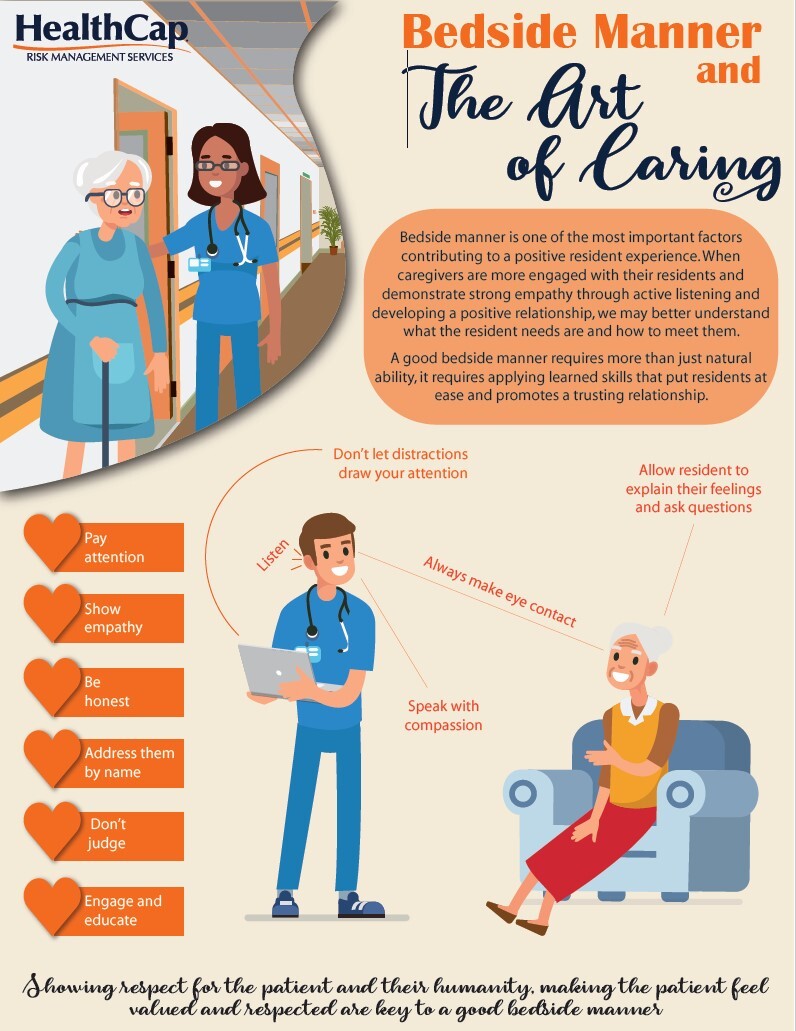
As markets become increasingly saturated and products become commodified, the differentiator is no longer just the “what,” but the “how.” A brand’s bedside manner is the strategic implementation of emotional intelligence across all touchpoints. It is the difference between a transactional exchange and a transformational relationship. This article explores how modern brand strategy integrates the nuances of bedside manner to build lasting loyalty, foster trust, and create a resilient corporate identity.
Defining the Brand Bedside Manner: Foundations of Corporate Empathy
The concept of a brand bedside manner begins with the realization that every customer interaction is a psychological event. When a consumer engages with a brand—whether through a marketing email, a retail environment, or a customer support ticket—they are looking for more than just a solution to a problem; they are looking for validation and understanding.
The Shift from Transactional to Relational Branding
Historically, brand strategy focused on the “Unique Selling Proposition” (USP). The goal was to highlight features, advantages, and benefits. However, in the modern landscape, the focus has shifted toward the “Unique Emotional Proposition.” A brand’s bedside manner is the vehicle for this emotional value. It moves the needle from a transactional mindset, where the goal is a one-time purchase, to a relational mindset, where the goal is a lifelong partnership. This shift requires a deep understanding of the customer’s journey, particularly their “pain points”—a term borrowed from medicine that perfectly illustrates the need for a healing, empathetic brand approach.
Identifying the Core DNA of Your Brand Voice
To execute a consistent bedside manner, a brand must first define its core identity. Is the brand the “expert authority,” the “nurturing caregiver,” or the “innovative disruptor”? Each of these archetypes requires a different style of interaction. A brand’s bedside manner is not one-size-fits-all; it must be an authentic extension of its internal values. If a brand claims to be customer-centric but uses a cold, bureaucratic tone in its communications, the dissonance creates a “bad bedside manner” that erodes trust. Authenticity in branding is achieved when the external behavior of the brand perfectly mirrors its internal mission statement.
Designing the Emotional Architecture of Your Brand
Once a brand understands its identity, it must design the framework through which that identity is communicated. This is the “emotional architecture” of the brand—the deliberate design of every sensory and psychological touchpoint to ensure the bedside manner remains consistent and comforting.
The Role of Narrative in Building Trust
Storytelling is a fundamental component of a brand’s bedside manner. A well-crafted narrative allows the customer to see themselves within the brand’s world. In brand strategy, the customer should always be the hero, and the brand should be the “guide” or the “mentor.” This positioning mirrors the ideal doctor-patient relationship, where the doctor provides the expertise and tools, but the patient is the one on the journey toward health. By using narrative to frame interactions, brands can communicate complex information in a way that feels supportive rather than condescending.
Training for Empathy: Aligning Internal Culture with External Image
A brand’s bedside manner is only as strong as the people who deliver it. Corporate identity is often undermined by a “front-line disconnect,” where the marketing department promises a high-touch experience that the service department fails to deliver. Strategic branding requires intensive internal training to ensure that every employee understands the brand’s emotional goals. This involves moving beyond scripts and empowering employees to use their discretion to solve problems with empathy. When employees are treated with a “good bedside manner” by their own leadership, they are far more likely to extend that same courtesy to the customers.
The Pillars of Brand Empathy: Active Listening and Transparency
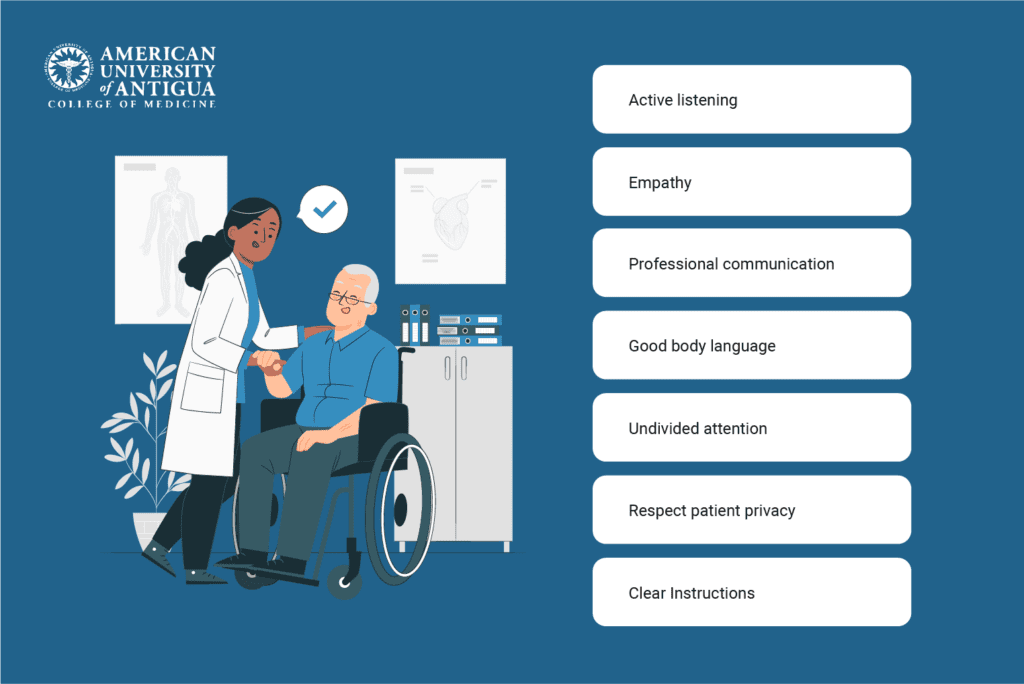
In healthcare, a good bedside manner is characterized by active listening and clear communication. In brand strategy, these same pillars apply. Brands that succeed in the long term are those that prioritize the voice of the customer over the voice of the salesperson.
Active Listening in the Digital Age
Social listening tools and feedback loops are the modern brand’s stethoscope. They allow a brand to monitor the “pulse” of its audience. However, active listening goes beyond data collection; it requires a visible response. When a brand acknowledges feedback, addresses criticisms publicly and gracefully, and pivots its strategy based on user needs, it demonstrates a superior bedside manner. It shows the audience that they are heard and that their input is valued, which is the cornerstone of brand loyalty.
Radical Transparency as a Healing Mechanism
Mistakes are inevitable in business. How a brand handles a crisis is the ultimate test of its bedside manner. A “poor bedside manner” involves obfuscation, blame-shifting, or silence. Conversely, a “good bedside manner” involves radical transparency. Admitting a mistake, explaining the steps being taken to fix it, and offering genuine compensation can actually strengthen the brand-customer bond more than if the mistake had never happened. This is known in marketing as the “service recovery paradox,” and it is entirely dependent on the brand’s ability to communicate with humility and integrity.
Scaling the Human Touch: Brand Identity in an Automated World
One of the greatest challenges in modern brand strategy is maintaining a high-quality bedside manner while scaling operations. As brands turn to AI, chatbots, and automated marketing, the risk of becoming “clinical” and detached increases.
Balancing High-Tech with High-Touch
The goal of technology in branding should be to remove friction, not to remove humanity. A brand’s bedside manner can be infused into automated systems through thoughtful UX design and conversational AI. The tone of a chatbot, the ease of navigating a website, and the speed of a digital checkout all contribute to the brand’s perceived empathy. Strategic brands use automation to handle routine tasks, thereby freeing up human representatives to handle complex, emotionally charged situations where a “human touch” is non-negotiable.
Maintaining Authenticity Across Omnichannel Touchpoints
In an omnichannel world, a brand’s bedside manner must be consistent across TikTok, email, physical retail, and phone support. This requires a sophisticated brand style guide that covers not just visuals, but “verbal identity.” Every piece of micro-copy—even a “404 Error” page—is an opportunity to exhibit the brand’s personality. When a brand’s bedside manner is consistent across all platforms, it creates a sense of reliability and safety for the consumer.
The Impact on Brand Equity and Long-Term Loyalty
Ultimately, investing in a brand’s bedside manner is not just about “feeling good”—it is a strategic move that significantly impacts the bottom line. Brand equity is built on the accumulation of positive experiences, and the bedside manner is the primary driver of those experiences.
Beyond NPS: Tracking Emotional Resonance
While Net Promoter Scores (NPS) and Customer Satisfaction (CSAT) scores are useful, they often fail to capture the nuances of emotional resonance. Brands with a superior bedside manner focus on “Customer Effort Scores” and “Brand Sentiment Analysis.” They look for qualitative data that indicates how a customer feels after an interaction. High emotional resonance leads to lower churn rates and a higher Customer Lifetime Value (CLV), as customers are less likely to leave a brand that they feel truly “gets” them.

The Long-Term Value of Fiduciary-Level Brand Loyalty
The highest level of brand loyalty is “fiduciary loyalty,” where the customer trusts the brand to act in their best interest, much like a patient trusts a doctor. When a brand demonstrates a consistent, empathetic bedside manner, it moves beyond being a mere vendor. It becomes a trusted partner. This level of trust acts as a protective moat around the brand, making it resistant to competitors who may offer lower prices but cannot replicate the emotional security the brand provides.
In conclusion, “what is a bedside manner” in the context of branding is the strategic application of empathy, transparency, and identity to every customer interaction. It is a commitment to seeing the person behind the purchase. By mastering the brand bedside manner, companies can transform their corporate identity from a cold, distant entity into a warm, trusted presence in the lives of their consumers. In a world of increasing automation and digital noise, the brand that listens, cares, and communicates with heart will always be the one that thrives.
aViewFromTheCave is a participant in the Amazon Services LLC Associates Program, an affiliate advertising program designed to provide a means for sites to earn advertising fees by advertising and linking to Amazon.com. Amazon, the Amazon logo, AmazonSupply, and the AmazonSupply logo are trademarks of Amazon.com, Inc. or its affiliates. As an Amazon Associate we earn affiliate commissions from qualifying purchases.