
In the intricate world of personal and business finance, efficiency and accuracy are the cornerstones of successful money management. Whether you are setting up a direct deposit for a new job, paying a utility bill online, or sending a domestic wire transfer to close on a home, you will inevitably be asked for a specific nine-digit sequence: the routing number.
While it may seem like just another string of digits in a sea of financial data, the routing number—formally known as a Routing Transit Number (RTN)—is a critical component of the United States banking infrastructure. It serves as the digital address for your financial institution, ensuring that funds travel through the vast network of the Federal Reserve and the Automated Clearing House (ACH) to reach the correct destination. Understanding what this number is, how it functions, and how to manage it securely is essential for anyone looking to master their financial life.
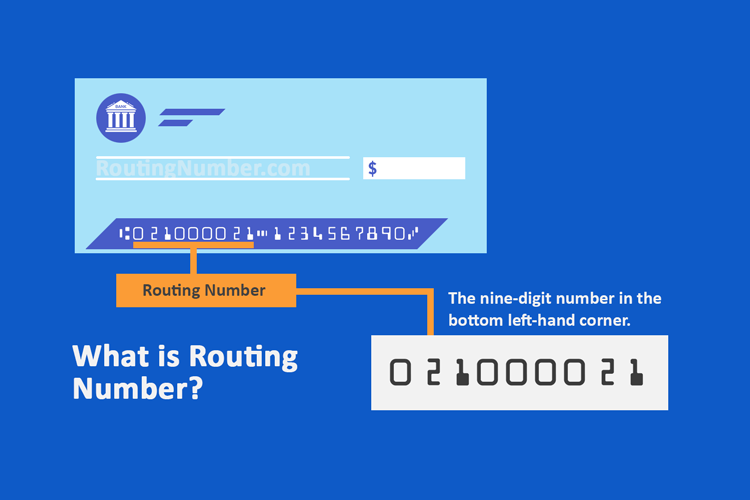
Understanding the Fundamentals: What Is a Routing Number?
At its core, a routing number is a nine-digit code used by financial institutions to identify one another during transactions. Established by the American Bankers Association (ABA) in 1910, the system was originally designed to make the processing of paper checks more efficient and to minimize errors in the manual sorting of financial documents.
The Origins of the ABA Routing Transit Number (RTN)
Before the implementation of routing numbers, the process of clearing checks was a logistical nightmare. Banks had to manually verify where a check originated and determine the most direct path to settle the debt. The ABA introduced the RTN to provide a standardized, numerical shorthand for every bank in the country. Over a century later, while the medium has shifted from paper to digital pulses, the underlying logic remains the same. The routing number ensures that when Bank A sends money to Bank B, the transaction is routed through the correct clearinghouse or Federal Reserve district.
Anatomy of the Nine-Digit Code
A routing number is not a random sequence; it is a structured data set that contains specific information about the bank’s geographic location and its relationship with the Federal Reserve.
- The First Four Digits: These represent the Federal Reserve Routing Symbol. The first two digits indicate the Federal Reserve district (01 through 12) where the bank is located, while the following two digits indicate the specific Federal Reserve check processing center.
- The Middle Four Digits: This is the unique identifier for the specific financial institution. No two banks share this specific four-digit sequence within the same district.
- The Ninth Digit: Known as the “check digit,” this is a mathematical verification tool. It is calculated using a specific algorithm based on the first eight digits. If the final digit does not match the result of the algorithm, the banking system flags the number as invalid, preventing transaction errors before they occur.
Why Routing Numbers Are Essential for Modern Money Management
In the “Money” niche, liquidity and the speed of capital movement are paramount. The routing number is the engine that facilitates this movement. Without it, the modern convenience of electronic banking would grind to a halt.
Direct Deposits and Payroll Efficiency
For most employees, the routing number is first encountered during the “onboarding” process. By providing your routing number and account number to an employer, you are authorizing an ACH credit. This system allows the employer’s bank to “route” your wages directly into your specific account. This eliminates the need for physical checks, reduces the risk of lost mail, and provides immediate access to funds on payday. For those focused on personal finance optimization, direct deposit is often a requirement to waive monthly maintenance fees on high-yield checking accounts.
Simplifying Bill Payments and Automatic Deductions
Automated recurring payments—such as mortgages, car loans, or insurance premiums—rely heavily on routing numbers. When you authorize a service provider to “pull” funds from your account, they use your routing number to identify your bank and your account number to identify you. This automation is a cornerstone of effective financial planning, as it ensures bills are paid on time, helping to maintain a high credit score and avoid late fees.
Domestic Wire Transfers vs. ACH Transfers
It is important to distinguish between different types of movements. While ACH transfers (like payroll) typically use a standard routing number, many large institutions use a separate, dedicated routing number for domestic wire transfers. Wires are used for high-value, time-sensitive transactions, such as the down payment on a real estate purchase. Because wires bypass the standard clearinghouse and move directly through the Fedwire service, using the correct “Wire Routing Number” is crucial. Using the “Electronic/ACH” routing number for a wire transfer can lead to a rejected transaction and significant delays in critical financial windows.
How to Find and Verify Your Routing Number
Despite their importance, routing numbers are often hidden in plain sight. Knowing exactly where to look can save you time and prevent the stress of a failed transaction.
Identifying Numbers on a Physical Check
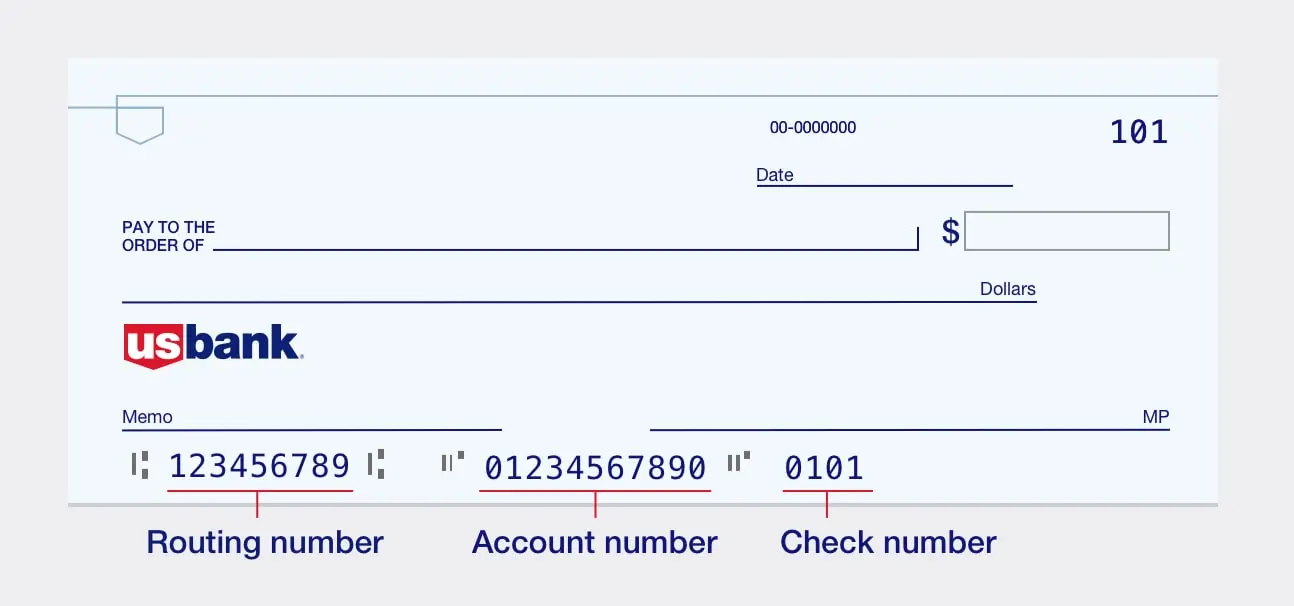
The most traditional way to find your routing number is to look at a physical check associated with your account. At the bottom of every check is a line of characters printed in magnetic ink (MICR).
- The Routing Number: This is the first nine-digit number on the far left, typically flanked by a specific symbol.
- The Account Number: This is the second set of numbers, identifying your specific individual account.
- The Check Number: The final, shorter sequence of numbers on the right.
Accessing Digital Portals and Banking Apps
In an increasingly paperless world, many consumers no longer carry checkbooks. Most modern banking apps and online portals have a “Details” or “Account Info” section where the routing number is clearly listed. However, a common pitfall in digital banking is that large national banks (like Chase, Bank of America, or Wells Fargo) may have different routing numbers based on the state where the account was opened. Always verify your specific routing number within your secure login rather than relying on a general search engine result, which might provide an outdated or regionally incorrect number.
Distinguishing Between Paper, Electronic, and Wire Routing Numbers
As mentioned previously, some financial institutions utilize different numbers for different purposes.
- Paper/Check Routing: Used for physical checks.
- Electronic/ACH Routing: Used for direct deposits and online bill pay.
- Wire Routing: Used specifically for Fedwire transactions.
In many smaller community banks or credit unions, these three numbers may be identical. However, in larger corporate entities, they are often distinct. Always double-check with your bank’s customer service or official website to ensure you are using the correct code for the specific type of transfer you are initiating.
Safeguarding Your Financial Information
In the realm of personal finance and digital security, information is the most valuable currency. Because a routing number is public—meaning it is printed on every check you write—some wonder if it is a security risk.
Is a Routing Number Sensitive Information?
On its own, a routing number is not “private” in the same way a Social Security Number or a password is. It identifies the bank, not the individual. However, when paired with your specific account number, it becomes a powerful tool. Together, these two numbers represent the keys to your “digital vault.” With both numbers, someone could theoretically initiate an unauthorized ACH withdrawal from your account.
Preventing Fraud in Peer-to-Peer Transactions
With the rise of side hustles and online income, many individuals use peer-to-peer (P2P) apps like Venmo, PayPal, or Zelle. While these apps are convenient, you should be cautious about sharing your bank’s routing and account numbers directly with strangers. Instead, use the app’s internal secure linking features, which often use encrypted “tokens” to represent your bank data without exposing the actual numbers to the recipient.
To maintain high financial health, regularly audit your bank statements for any “ACH Debits” you do not recognize. If you spot an unauthorized transaction, the Electronic Fund Transfer Act (EFTA) provides protections, but only if you report the error to your financial institution promptly.

Conclusion: The Routing Number as a Tool for Financial Mastery
The bank routing number is more than just a vestige of 20th-century banking; it is a vital link in the chain of global commerce. By understanding how these nine digits function, you empower yourself to manage your money with greater precision. Whether you are scaling a business through automated vendor payments or simply ensuring your paycheck arrives safely in your savings account, the routing number is the silent partner making it all possible.
In a complex financial landscape, the most successful individuals are those who understand the “how” and “why” behind their transactions. By mastering the fundamentals of routing numbers, you take one more step toward total financial literacy and security. Always remember to verify your numbers, distinguish between ACH and Wire requirements, and monitor your accounts for the peace of mind that comes with professional-grade money management.
aViewFromTheCave is a participant in the Amazon Services LLC Associates Program, an affiliate advertising program designed to provide a means for sites to earn advertising fees by advertising and linking to Amazon.com. Amazon, the Amazon logo, AmazonSupply, and the AmazonSupply logo are trademarks of Amazon.com, Inc. or its affiliates. As an Amazon Associate we earn affiliate commissions from qualifying purchases.