
In the complex ecosystem of modern finance, moving money from one point to another requires more than just a digital “send” button. Behind every direct deposit, monthly mortgage payment, and wire transfer lies a sophisticated network of identifiers designed to ensure that capital reaches its intended destination without friction. At the heart of this network is the routing number—a nine-digit code that serves as the “address” for your financial institution.
While many consumers interact with their routing numbers frequently, few understand the critical role these digits play in the stability and efficiency of the American banking system. Understanding what a routing number is, how it functions, and how to use it safely is a foundational component of financial literacy. Whether you are setting up a new side hustle, managing corporate payroll, or simply organizing your personal budget, the routing number is the primary tool that connects your private account to the global economy.
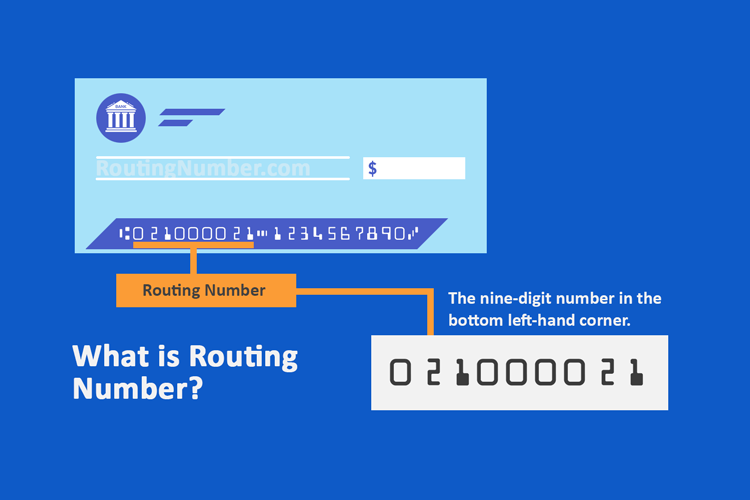
Understanding the Anatomy of a Routing Number
A routing number, often referred to officially as an ABA Routing Transit Number (RTN), is a sequence of nine digits used to identify a specific financial institution within the United States. This system was developed by the American Bankers Association in 1910 to simplify the sorting and shipment of paper checks. Today, it serves as the backbone for electronic transactions through the Automated Clearing House (ACH) and Fedwire networks.
What the Digits Actually Mean
A routing number is not a random string of figures; it is a structured code where each segment provides specific information to the Federal Reserve:
-
The First Four Digits (Federal Reserve Symbols): These numbers indicate the physical location of the bank or the Federal Reserve district where the institution is headquartered. For example, digits 01 through 12 correspond to the twelve Federal Reserve Bank districts (such as 02 for New York or 12 for San Francisco).
-
The Middle Four Digits (ABA Institution Identifier): This segment represents the specific bank or credit union. Each financial institution is assigned a unique identifier that distinguishes it from thousands of other entities.
-
The Final Digit (The Checksum): The ninth digit is a mathematical “check digit.” It is calculated using a specific formula (the Luhn algorithm) applied to the previous eight digits. If the result doesn’t match the checksum, the transaction is flagged as an error, preventing accidental transfers due to typos.
Routing Number vs. Account Number: The Key Differences
To understand your financial identity, you must distinguish between the routing number and your account number.
The routing number identifies the “building”—the bank itself. It is public information; you can often find a bank’s routing number on their website or through a public directory. Conversely, your account number identifies your specific “room” within that building. It is unique to you and must be kept confidential. When you provide both to an employer for direct deposit, you are essentially telling the financial system: “Go to this specific bank (routing number) and put the money in this specific person’s bucket (account number).”
Why Routing Numbers are Essential for Your Personal Finances
In the world of money management, the routing number is the primary facilitator of liquidity. Without it, the speed at which we move money would revert to the era of physical mail and manual processing.
Facilitating Direct Deposits and Automatic Payments
For most individuals, the first encounter with a routing number occurs when filling out a direct deposit form for a new job. By providing this number, you allow your employer’s payroll software to communicate directly with your bank. This eliminates the “float” time associated with paper checks, allowing you to access your earnings the moment they are released.
Similarly, routing numbers are essential for “pull” transactions, such as automated bill payments. When you authorize a utility company or a credit card issuer to deduct funds from your checking account, they use your routing number to find your bank and request the transfer through the ACH network. This automation is a cornerstone of modern financial health, helping consumers avoid late fees and maintain their credit scores.
Wire Transfers and Domestic Transactions
While ACH transfers are the standard for everyday payments, wire transfers are used for large-value, time-sensitive transactions, such as a down payment on a home. Routing numbers are equally critical here. However, it is important to note that some larger banks use different routing numbers for wire transfers than they do for ACH deposits. Using the wrong number can lead to significant delays or even the rejection of the funds, which can be catastrophic during high-stakes business or real estate closings.
The Role of the Federal Reserve
The routing number system is overseen by the Federal Reserve, which acts as the clearinghouse for the nation’s banks. When a transaction is initiated, the Federal Reserve uses the routing number to determine which bank’s “ledger” needs to be debited or credited. This centralized system ensures that billions of dollars can move daily with a near-zero margin of error, maintaining trust in the USD as a medium of exchange.
How to Find Your Routing Number Quickly and Securely
Knowing where to find your routing number is vital for managing your accounts and setting up new financial tools.
Reading the Bottom of a Paper Check
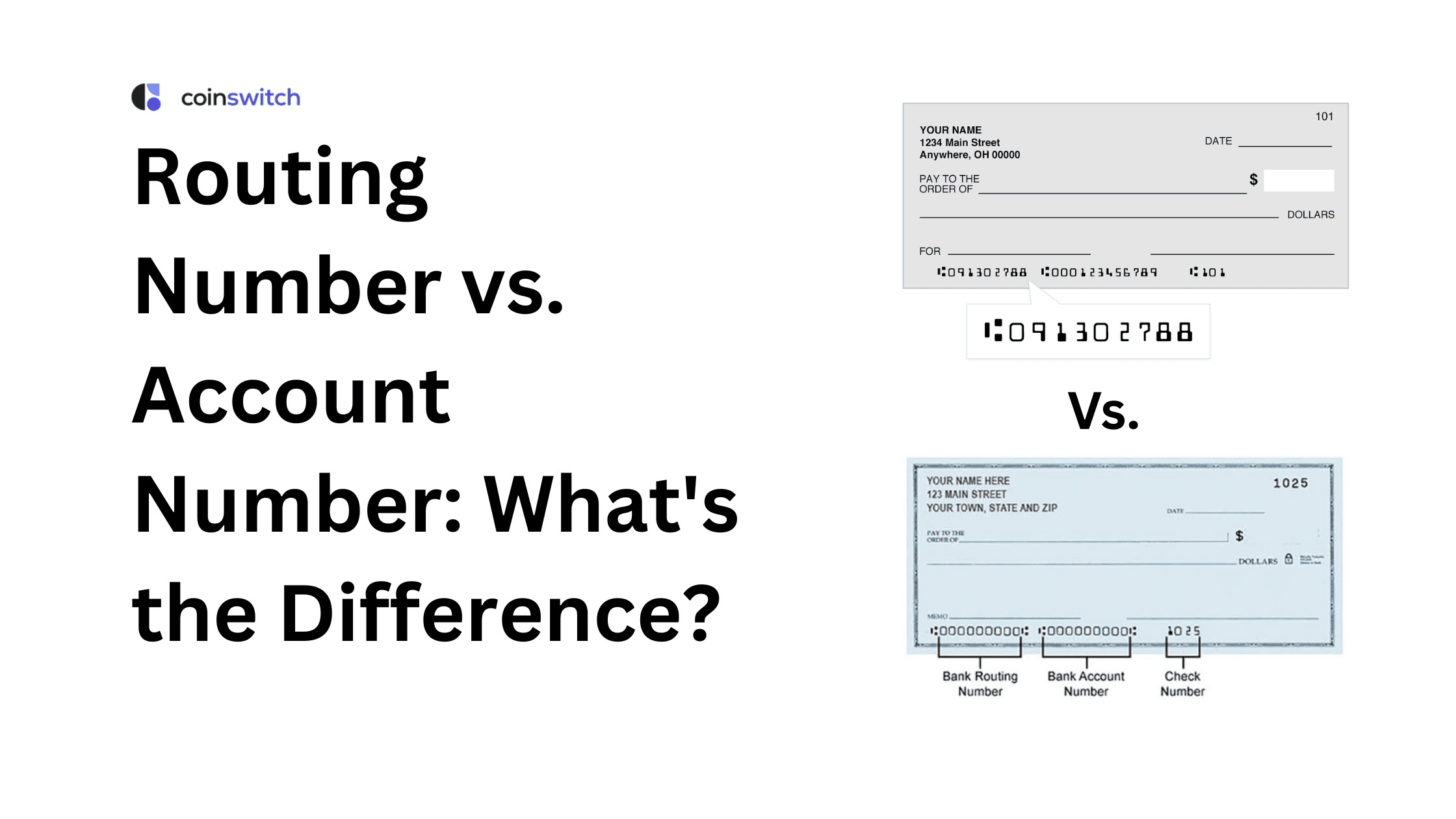
If you still use paper checks, the routing number is easily accessible. Look at the bottom left-hand corner of any check. You will see three sets of numbers printed in a unique font (known as MICR, or Magnetic Ink Character Recognition).
-
The first set of nine digits (on the far left) is your routing number.
-
The second set is your account number.
-
The third, shorter set is the check number.
Utilizing Online Banking and Mobile Apps
In the digital age, many people no longer carry checkbooks. Most financial institutions display the routing number within their mobile app or online banking portal. It is usually found under “Account Details” or “Direct Deposit Information.” For institutions that operate in multiple states, make sure you are looking at the routing number associated with the state where you originally opened the account, as these can vary.
Verification via the American Bankers Association (ABA)
If you are ever in doubt about a routing number you’ve been given—perhaps for an online payment or a business invoice—you can verify it through the official ABA online lookup tool. This is a crucial step in financial due diligence, ensuring that you aren’t sending money to a non-existent or incorrect institution.
Security and Safety: Protecting Your Banking Credentials
A common concern in personal finance is whether a routing number can be used by bad actors to steal funds. Because routing numbers are technically public, the risk profile is different from that of a Social Security number or a credit card CVV.
Can Someone Steal Money with Just a Routing Number?
The short answer is no. A routing number alone only identifies a bank. However, if a fraudster has both your routing number and your account number, they have the information necessary to print counterfeit checks or initiate unauthorized ACH transfers. This is why you should never share your full banking details on unencrypted platforms or with unverified parties.
Best Practices for Financial Privacy
To protect your wealth, treat your combined routing and account numbers as sensitive data.
-
Monitor your statements: Regularly review your bank transactions for any unauthorized ACH debits.
-
Use secure portals: Only enter your banking information on websites that use “https” and have a valid security certificate.
-
Consider “Privacy” tools: Some fintech apps allow you to create “virtual” accounts or use third-party aggregators like Plaid to link accounts without directly exposing your raw routing and account numbers to every merchant.
Special Cases: International Transfers and Multiple Routing Numbers
As your financial life grows more complex—perhaps involving international investments or multiple business accounts—you may encounter scenarios where a standard routing number isn’t enough.
Routing Numbers vs. SWIFT/BIC Codes
The nine-digit routing number is a domestic standard used only within the United States. If you are receiving money from an overseas account or sending money abroad, you will need a SWIFT code (Society for Worldwide Interbank Financial Telecommunication) or a BIC (Bank Identifier Code). While these serve a similar purpose to routing numbers, they are formatted differently (8 to 11 alphanumeric characters) and operate on an international messaging network.

Why Large Banks Have Multiple Routing Numbers
National banks like Chase, Bank of America, or Wells Fargo do not have a single routing number for the entire country. Instead, they have different numbers based on the geographic region where the account was opened. This is a legacy of the era when banks were prohibited from interstate banking. Additionally, as banks merge, they often inherit the routing numbers of the banks they acquired. Always confirm your specific routing number if you move states or if your bank undergoes a merger to ensure your financial tools continue to function correctly.
In conclusion, while the bank account routing number may seem like a mundane detail of the financial world, it is actually a vital piece of infrastructure. It enables the seamless flow of capital, empowers individuals to automate their savings and payments, and provides the necessary structure for the American economy to operate at scale. By mastering these small details of your financial life, you gain greater control over your money, ensuring it moves exactly where you want it, exactly when you need it there.
aViewFromTheCave is a participant in the Amazon Services LLC Associates Program, an affiliate advertising program designed to provide a means for sites to earn advertising fees by advertising and linking to Amazon.com. Amazon, the Amazon logo, AmazonSupply, and the AmazonSupply logo are trademarks of Amazon.com, Inc. or its affiliates. As an Amazon Associate we earn affiliate commissions from qualifying purchases.