
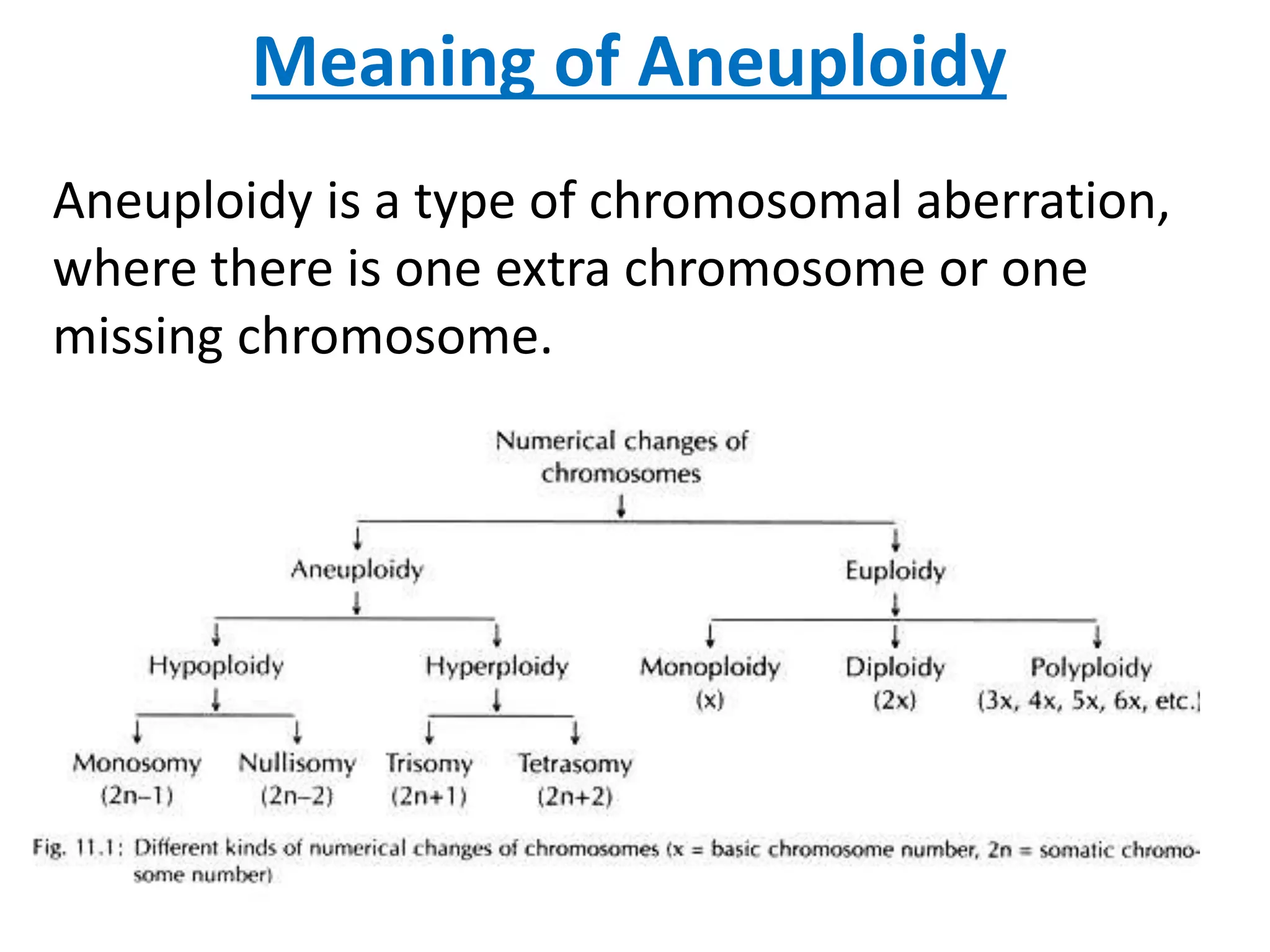
Aneuploidy, at its core, refers to the state of having an abnormal number of chromosomes in a cell. Typically, human cells are diploid, meaning they contain two sets of 23 chromosomes for a total of 46. Aneuploidy occurs when a cell has too many or too few chromosomes, deviating from this standard count. This genetic anomaly underpins a range of biological phenomena, from developmental disorders like Down syndrome (Trisomy 21) to being a hallmark of many cancers. While the biological definition remains constant, our ability to detect, understand, and potentially address aneuploidy has been utterly revolutionized by advancements in technology, particularly in the fields of genomics, bioinformatics, and artificial intelligence.
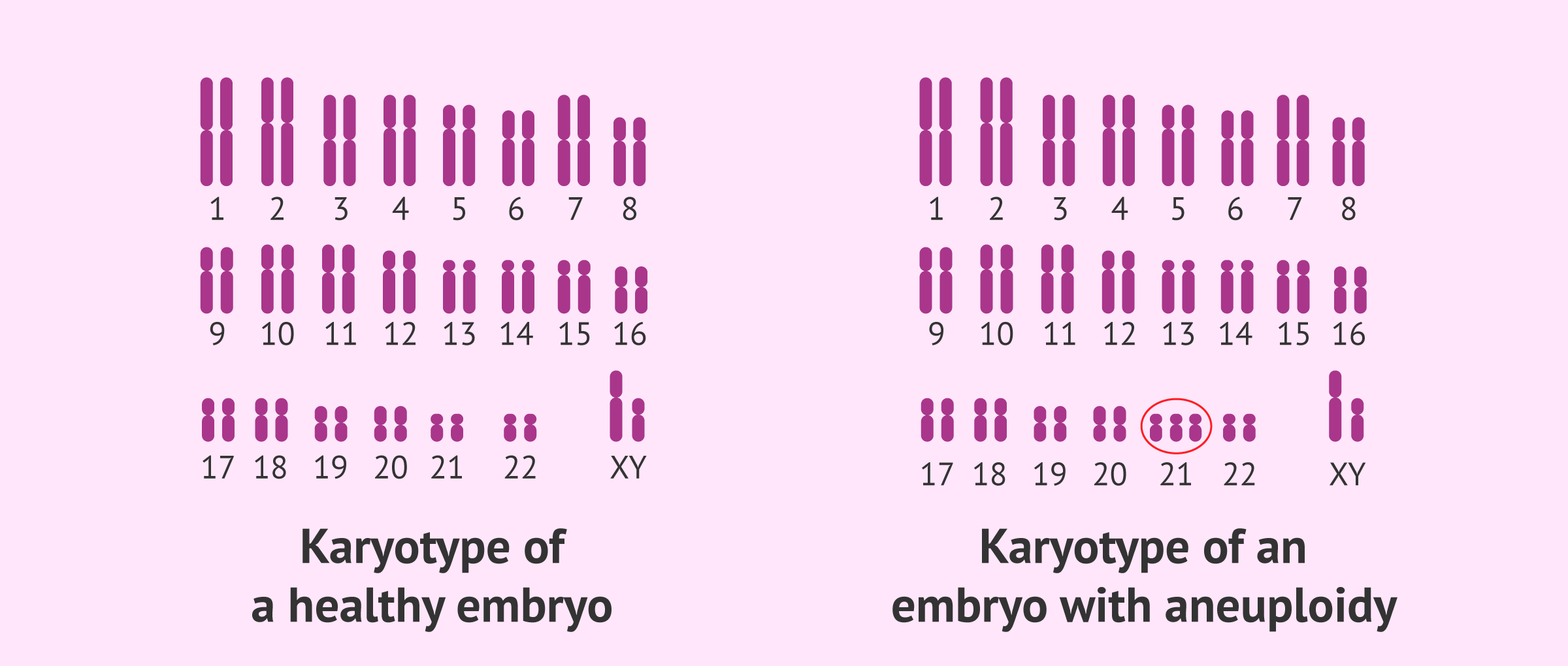
The Technological Revolution in Genetic Diagnostics
The journey from discovering chromosomes to precisely identifying aneuploid conditions at a molecular level is a testament to exponential technological growth. Modern diagnostics leverage sophisticated tools and computational power to peer into the very blueprint of life.
Advanced Genomic Sequencing: Unveiling Chromosomal Anomalies
The cornerstone of modern aneuploidy detection lies in advanced genomic sequencing technologies. Next-Generation Sequencing (NGS) and Whole-Genome Sequencing (WGS) have transcended the limitations of older methods like karyotyping, offering unprecedented resolution and depth. These technologies can rapidly sequence millions of DNA fragments simultaneously, allowing for the precise counting and mapping of chromosomes.
In the context of aneuploidy, NGS can detect not only large-scale chromosomal abnormalities but also smaller, more nuanced segmental aneuploidies that might be missed by conventional methods. For instance, in cancer diagnostics, targeted sequencing panels can identify specific aneuploidies within tumor cells that drive disease progression, guiding more personalized treatment strategies. For reproductive health, preimplantation genetic testing (PGT) relies heavily on NGS to screen embryos for aneuploidy before implantation, significantly improving success rates in assisted reproductive technologies. The sheer volume of data generated by these sequencers necessitates robust computational infrastructure and specialized software for processing and interpretation, highlighting the inextricable link between biological discovery and technological innovation.
Bioinformatics and AI: Interpreting the Genetic Code
The output of genomic sequencing is not a straightforward diagnosis but an enormous dataset – gigabytes to terabytes of raw genetic information. This is where bioinformatics and artificial intelligence (AI) become indispensable. Bioinformatics software, algorithms, and cloud computing resources are essential for processing, aligning, and analyzing these vast datasets. Tools ranging from open-source alignment algorithms like BWA and variant callers like GATK to sophisticated commercial platforms transform raw sequence reads into meaningful genetic insights.
AI and machine learning, in particular, are rapidly advancing our ability to interpret complex genetic data. Machine learning algorithms can identify subtle patterns and signatures indicative of aneuploidy that might be imperceptible to the human eye. They can differentiate between true genetic variants and sequencing artifacts, predict the pathogenicity of chromosomal changes, and even analyze mosaic aneuploidy (where only a subset of cells in an individual has an abnormal chromosome number) with greater accuracy. AI tools are also being developed to integrate genomic data with clinical information, accelerating diagnosis and improving prognostic predictions for individuals with aneuploid conditions. The ability to manage, analyze, and derive actionable insights from such complex biological information is a monumental achievement of digital technology.
Non-Invasive Prenatal Testing (NIPT) and Early Detection
One of the most impactful technological breakthroughs in aneuploidy detection is Non-Invasive Prenatal Testing (NIPT). NIPT represents a paradigm shift in antenatal care, allowing for the screening of common fetal aneuploidies (such as Trisomy 21, 18, and 13) from a simple maternal blood sample. This eliminates the need for more invasive procedures like amniocentesis or chorionic villus sampling, which carry a small risk of miscarriage.
The technology behind NIPT involves analyzing cell-free DNA (cfDNA) – small fragments of fetal and maternal DNA circulating in the mother’s bloodstream. Advanced sequencing techniques combined with sophisticated algorithms are used to quantify the relative proportions of cfDNA from different chromosomes. An overrepresentation of cfDNA from a particular chromosome (e.g., chromosome 21) indicates the likely presence of a fetal aneuploidy. NIPT is a prime example of how molecular biology, high-throughput sequencing, and advanced computational algorithms converge to provide a safe, accurate, and accessible diagnostic tool, fundamentally changing the landscape of prenatal genetic screening.
Aneuploidy and the Future of Biotechnology

The technological understanding of aneuploidy extends beyond diagnostics, influencing cutting-edge biotechnological research and the nascent field of personalized medicine.
Gene Editing Technologies: Research and Therapeutic Potential
Gene-editing technologies, most notably CRISPR-Cas9, are powerful tools allowing scientists to precisely modify DNA sequences. While direct “correction” of aneuploidy in humans remains a distant and ethically complex prospect, these technologies are invaluable in aneuploidy research. Scientists use CRISPR to create cellular and animal models of aneuploidy, enabling them to study the precise mechanisms by which an abnormal chromosome number impacts cell function, development, and disease progression.
By experimentally altering chromosome numbers or specific genes within an aneuploid context, researchers can identify critical pathways affected by these genetic imbalances. This fundamental research is crucial for understanding the downstream effects of aneuploidy, which could eventually lead to the development of therapeutic strategies that mitigate its impact, rather than directly correcting the chromosomal anomaly itself. The precise control offered by gene editing is an indispensable tech-driven asset in unraveling the complexities of aneuploid biology.
AI in Drug Discovery and Personalized Medicine for Aneuploidy-Related Conditions
Aneuploidy is a significant factor in numerous diseases, particularly cancer. The presence of aneuploidy often correlates with tumor aggressiveness and resistance to therapy. Artificial intelligence is emerging as a powerful ally in the search for drugs that can specifically target cells with aneuploidy. AI algorithms can analyze vast chemical libraries and genomic data from aneuploid cells to identify potential drug candidates that selectively inhibit the growth of aneuploid cells while sparing healthy ones.
In personalized medicine, AI can integrate an individual’s specific aneuploid profile (derived from advanced sequencing) with their clinical history, treatment responses, and other genomic data. This comprehensive analysis allows for the prediction of which therapies are most likely to be effective, moving towards tailored treatments that maximize efficacy and minimize side effects. For example, knowing a specific aneuploidy in a tumor might guide oncologists to a particular class of drugs that exploits the vulnerabilities created by that chromosomal imbalance, marking a significant stride towards precision oncology driven by advanced AI tools.
Digital Security and Ethical Frameworks for Genomic Data
The digital nature of genomic information, especially when it concerns highly sensitive conditions like aneuploidy, raises critical considerations regarding data security and ethical governance.
Protecting Sensitive Genetic Information
Genomic data, revealing an individual’s most intimate biological details, is among the most sensitive personal information imaginable. The diagnosis of aneuploidy, whether prenatally or in an adult, carries profound implications for health, family planning, and personal identity. Therefore, robust digital security measures are paramount to protect this data from breaches, unauthorized access, and misuse.
This includes implementing stringent encryption protocols for data at rest and in transit, multi-factor authentication for access, secure cloud storage solutions compliant with industry standards, and strict access control policies. Compliance with international data protection regulations like HIPAA in the United States and GDPR in Europe is non-negotiable. Furthermore, healthcare providers and research institutions must continuously invest in cybersecurity infrastructure and training to combat evolving threats, ensuring the confidentiality and integrity of genomic information derived from aneuploidy testing and research.
Navigating Ethical AI and Data Usage
The integration of AI into aneuploidy diagnostics and research introduces complex ethical dilemmas. AI algorithms trained on biased datasets could perpetuate or amplify health disparities, leading to inequities in diagnosis or treatment recommendations for certain demographic groups. Ensuring data equity and representativeness in training datasets is a critical ethical challenge.
Furthermore, the autonomous nature of some AI tools in interpreting genetic data raises questions about accountability, transparency, and informed consent. Patients must be fully aware of how their genomic data, including information about aneuploidy, is being collected, stored, analyzed by AI, and potentially shared. Establishing clear ethical guidelines for the development and deployment of AI in genomics is essential. This includes ongoing oversight by ethical review boards, fostering public trust through transparent communication, and developing legal frameworks that balance innovation with individual rights and societal well-being in the age of advanced genomic technologies. The journey to understand and address aneuploidy is as much a technological frontier as it is an ethical and societal one.
aViewFromTheCave is a participant in the Amazon Services LLC Associates Program, an affiliate advertising program designed to provide a means for sites to earn advertising fees by advertising and linking to Amazon.com. Amazon, the Amazon logo, AmazonSupply, and the AmazonSupply logo are trademarks of Amazon.com, Inc. or its affiliates. As an Amazon Associate we earn affiliate commissions from qualifying purchases.