
The term “anesthesiologist” evokes images of operating rooms, precise drug administrations, and the crucial role of keeping patients safe and comfortable during surgical and other medical procedures. While the core function of an anesthesiologist is deeply rooted in medical expertise and patient advocacy, a comprehensive understanding of their role in the modern era is incomplete without examining the sophisticated technological ecosystem that empowers their practice. From advanced monitoring systems that provide real-time physiological data to innovative drug delivery devices and data analytics, technology is not merely an adjunct to anesthesiology; it is an integral component that enhances safety, optimizes outcomes, and continually pushes the boundaries of what is possible in patient care. This exploration will delve into the technological facets of anesthesiology, highlighting how innovation shapes the daily work and the future of this vital medical specialty.
The Technological Arsenal: Tools of the Trade
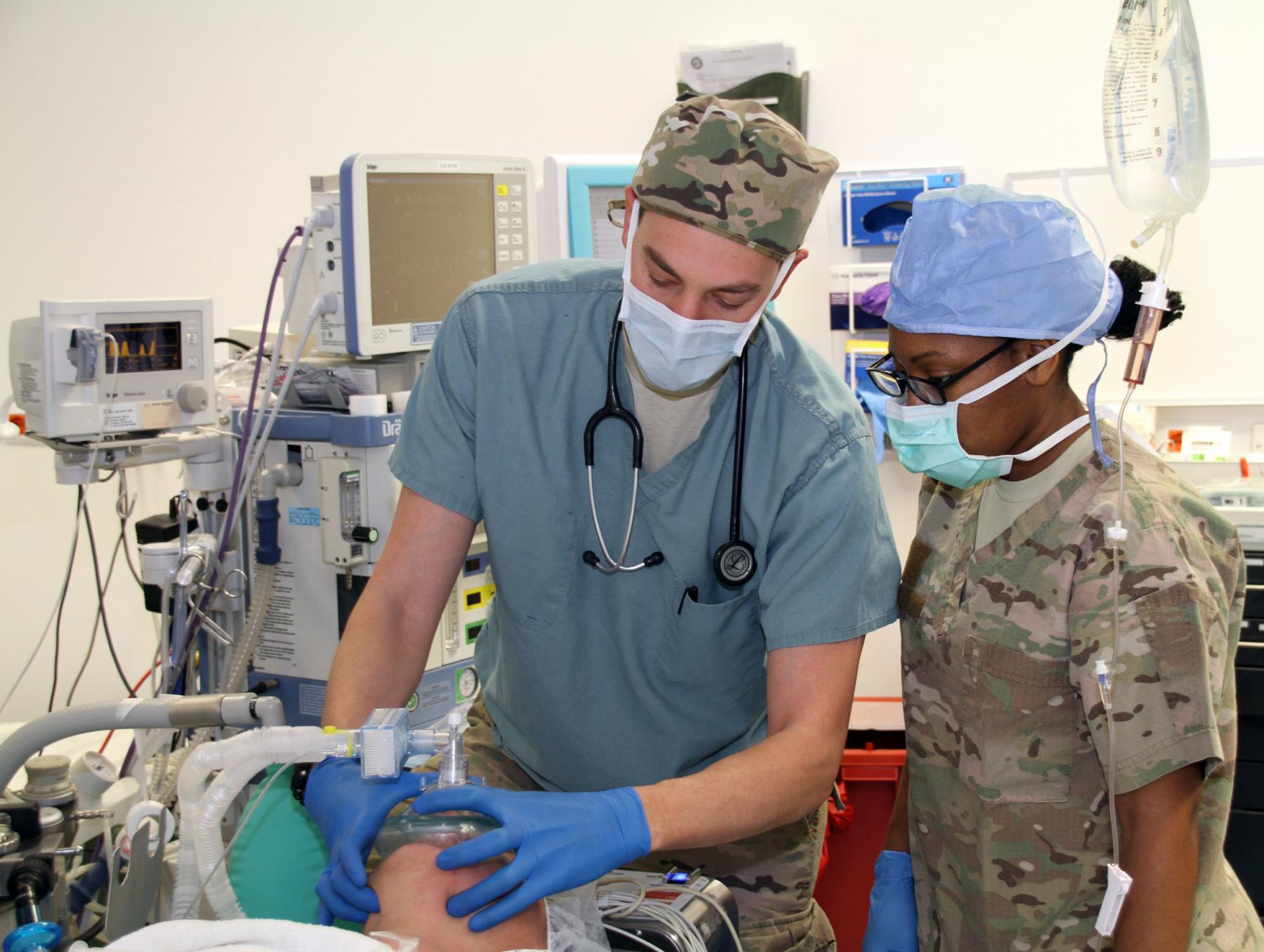
Anesthesiologists are equipped with an array of cutting-edge technologies that enable them to precisely manage a patient’s physiological state throughout a procedure. These tools are sophisticated, highly integrated, and require a deep understanding of both their medical application and their underlying engineering.
Advanced Monitoring Systems: The Eyes and Ears in Real-Time
The cornerstone of anesthetic safety is comprehensive patient monitoring. Modern anesthesiology relies on a suite of devices that continuously track vital signs and other critical physiological parameters, providing the anesthesiologist with an immediate and detailed picture of the patient’s condition.
Cardiopulmonary Monitoring: Beyond the Basics
Standard monitoring includes electrocardiography (ECG) for heart rhythm, blood pressure cuffs, and pulse oximetry for oxygen saturation. However, advanced anesthesiology goes much further. Invasive blood pressure monitoring directly measures arterial pressure using a catheter, offering continuous and precise readings crucial during major surgeries. Pulmonary artery catheters can provide data on cardiac output, pulmonary artery pressures, and mixed venous oxygen saturation, offering deep insights into hemodynamic function. Capnography, which measures the concentration of carbon dioxide in exhaled breath, is vital for verifying correct endotracheal tube placement, assessing ventilation adequacy, and detecting early signs of respiratory compromise.
Neuromuscular Monitoring: Orchestrating Muscle Relaxation
Achieving appropriate muscle relaxation is critical for surgical access and patient comfort during intubation and mechanical ventilation. Neuromuscular blocking agents are administered to achieve this, and their effect must be carefully monitored. Devices such as train-of-four (TOF) monitors use electrical stimulation to assess the degree of neuromuscular blockade, guiding the anesthesiologist on when to administer more medication or when the patient is ready to regain muscle function. This prevents both prolonged paralysis and the administration of unnecessary drugs.
Depth of Anesthesia Monitoring: Gauging Patient Awareness
Ensuring a patient is adequately unconscious and pain-free is paramount. While clinical signs can be indicative, bispectral index (BIS) monitoring and similar electroencephalogram (EEG)-based devices provide objective measures of brain activity. These technologies help anesthesiologists titrate anesthetic agents to the appropriate level, minimizing the risk of intraoperative awareness while also preventing over-administration of drugs that can lead to prolonged recovery.
Sophisticated Drug Delivery Systems: Precision in Pharmacology
The accurate and controlled delivery of anesthetic agents, analgesics, and other medications is fundamental to safe anesthesia. Technology plays a vital role in ensuring that these potent drugs are administered with unparalleled precision.
Infusion Pumps and Syringe Pumps: Micro-Dosing for Macro-Safety
Modern anesthesiologists utilize programmable infusion pumps and syringe pumps that allow for the exact calculation and continuous delivery of medications at specific rates. These devices are crucial for administering volatile anesthetics, intravenous sedatives, opioids, and vasopressors. Advanced pumps offer features like drug libraries, dose error reduction software, and integration with electronic health records (EHRs), further enhancing safety and efficiency. The ability to deliver drugs in precise microgram or nanogram increments is a testament to the technological advancements that have revolutionized drug management.
Patient-Controlled Analgesia (PCA) Devices: Empowering Patient Comfort
For post-operative pain management, Patient-Controlled Analgesia (PCA) devices are a prime example of technology enhancing patient autonomy and comfort. These electronic devices allow patients to self-administer a pre-set dose of pain medication when needed, within programmed safety limits. This not only provides more effective pain relief tailored to the individual but also reduces the need for constant nursing intervention and can contribute to faster recovery.
Total Intravenous Anesthesia (TIVA) and Target-Controlled Infusion (TCI) Systems: Automated Precision
The advent of Total Intravenous Anesthesia (TIVA), delivered via computer-controlled infusion pumps, has transformed anesthetic delivery. Target-Controlled Infusion (TCI) systems are particularly advanced. These systems use pharmacokinetic and pharmacodynamic models programmed into their software to predict the concentration of an anesthetic drug in the patient’s blood or at the brain site of action based on factors like age, weight, and desired effect. The pump then automatically adjusts the infusion rate to maintain the target concentration, providing a remarkably stable anesthetic plane and allowing for more predictable recovery.
The Digital Operating Room: Data, Integration, and Future Innovations
The integration of technology extends beyond individual devices to encompass the entire perioperative environment, transforming how anesthesiologists work, learn, and plan for the future.
Electronic Health Records (EHRs) and Anesthesia Information Management Systems (AIMS)
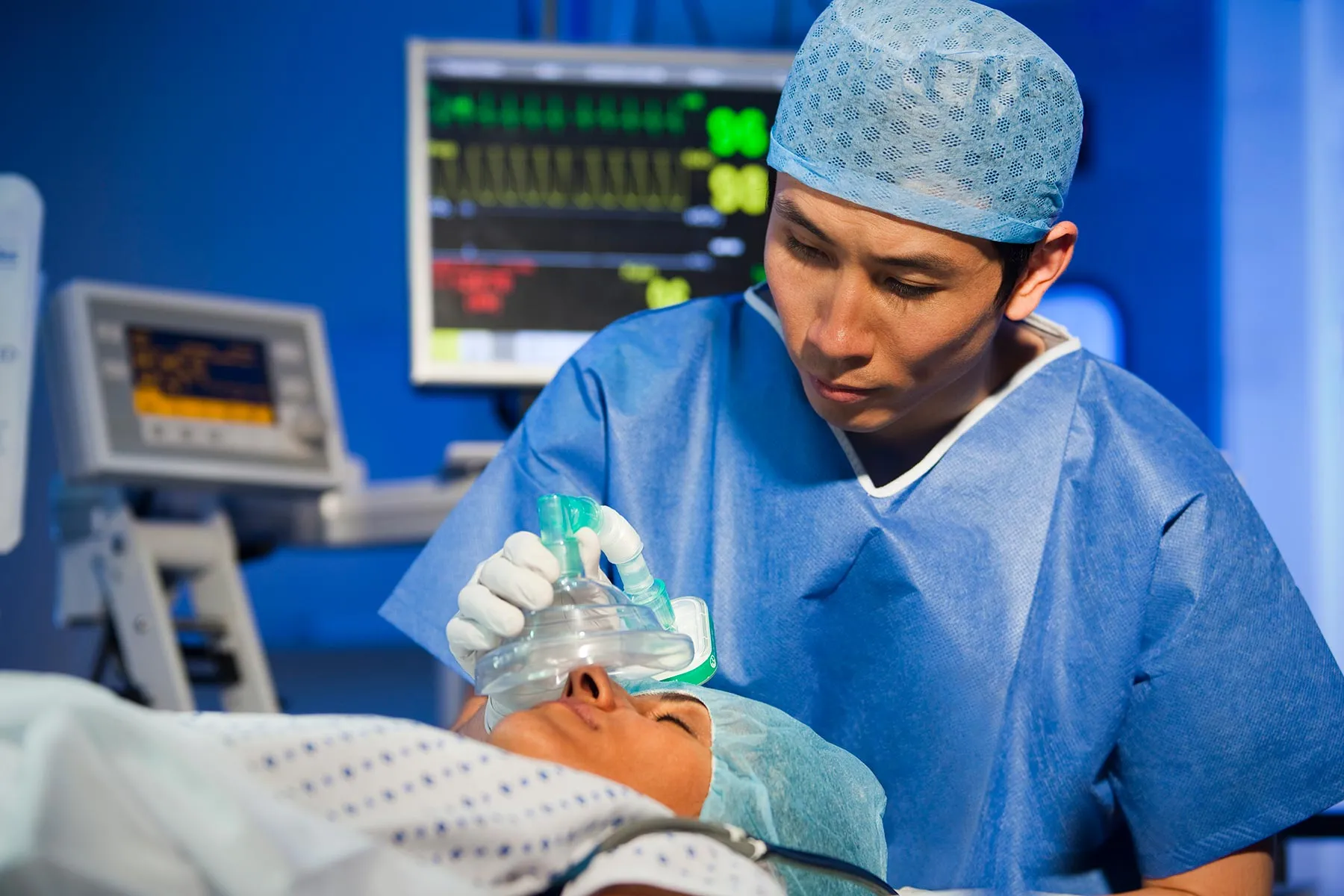
The transition from paper-based anesthesia records to Electronic Health Records (EHRs) and specialized Anesthesia Information Management Systems (AIMS) represents a significant technological leap. These systems digitize patient histories, pre-anesthetic evaluations, intraoperative data, and post-anesthetic notes.
Streamlined Data Capture and Accessibility
AIMS platforms are designed to capture real-time physiological data from monitoring equipment directly into the patient’s record. This eliminates manual transcription errors, improves legibility, and makes critical patient information readily accessible to the entire surgical team, both during and after the procedure. Clinicians can quickly review past anesthetic courses, identify potential complications, and make more informed decisions.
Enhanced Quality Improvement and Research
The wealth of data captured by AIMS is invaluable for quality improvement initiatives and medical research. By analyzing aggregate, anonymized data, anesthesiology departments can identify trends in patient outcomes, track adherence to best practices, and pinpoint areas for process improvement. This data-driven approach is essential for advancing the science of anesthesiology and improving patient safety across institutions. Furthermore, large datasets are crucial for training machine learning algorithms to predict patient risks, optimize drug dosages, and identify novel anesthetic strategies.
Simulation and Training Technologies: Preparing for the Unexpected
The high-stakes nature of anesthesiology demands rigorous and continuous training. Technology has revolutionized how anesthesiologists prepare for complex scenarios and hone their skills.
High-Fidelity Simulators: Realistic Practice Environments
High-fidelity human patient simulators are sophisticated mannequins that can mimic a wide range of physiological responses, including changes in heart rate, blood pressure, breathing patterns, and even the appearance of critical events like malignant hyperthermia or cardiac arrest. These simulators allow trainees and experienced clinicians alike to practice managing rare but life-threatening emergencies in a safe, controlled environment. They provide opportunities to develop decision-making skills, teamwork, and technical proficiency without risk to actual patients.
Virtual and Augmented Reality (VR/AR) in Anesthesia
Emerging technologies like Virtual Reality (VR) and Augmented Reality (AR) are beginning to find their place in anesthesia training. VR can be used to create immersive environments for practicing procedures like difficult airway management or central line placement. AR could potentially overlay critical patient data or anatomical information onto a surgeon’s or anesthesiologist’s view during a procedure, enhancing precision and situational awareness.
The Future of Anesthesiology: AI, Robotics, and Personalized Medicine
The technological trajectory of anesthesiology points towards an increasingly data-driven, intelligent, and personalized approach to patient care.
Artificial Intelligence (AI) and Machine Learning (ML)
The application of Artificial Intelligence (AI) and Machine Learning (ML) in anesthesiology is one of the most exciting frontiers. AI algorithms can analyze vast datasets from EHRs and monitors to identify subtle patterns indicative of impending complications, such as postoperative nausea and vomiting (PONV), delirium, or even adverse cardiac events.
Predictive Analytics for Risk Stratification
AI can enhance risk stratification by providing more accurate predictions of a patient’s likelihood of experiencing specific complications based on their individual characteristics and the nature of the surgery. This allows anesthesiologists to proactively implement preventative strategies and tailor anesthetic plans for higher-risk individuals.
Autonomous Systems and Decision Support
While fully autonomous anesthetic delivery is still some way off, AI is increasingly being used for decision support. For instance, AI could suggest optimal drug dosages based on real-time patient data and predicted responses, or flag potential drug interactions. Research is also exploring AI’s role in optimizing mechanical ventilation settings or predicting the need for blood transfusions.
Robotics in Anesthesia Delivery and Support
While surgical robotics are more prominent, the role of robotics in supporting anesthesia is also evolving. Robotic infusion pumps could offer even greater precision and autonomy in drug delivery. Furthermore, robotic systems might be developed to assist with routine tasks like intubation or line placement under remote supervision, potentially improving access to expert care in underserved areas or reducing exposure for healthcare providers.
Personalized Anesthetic Approaches
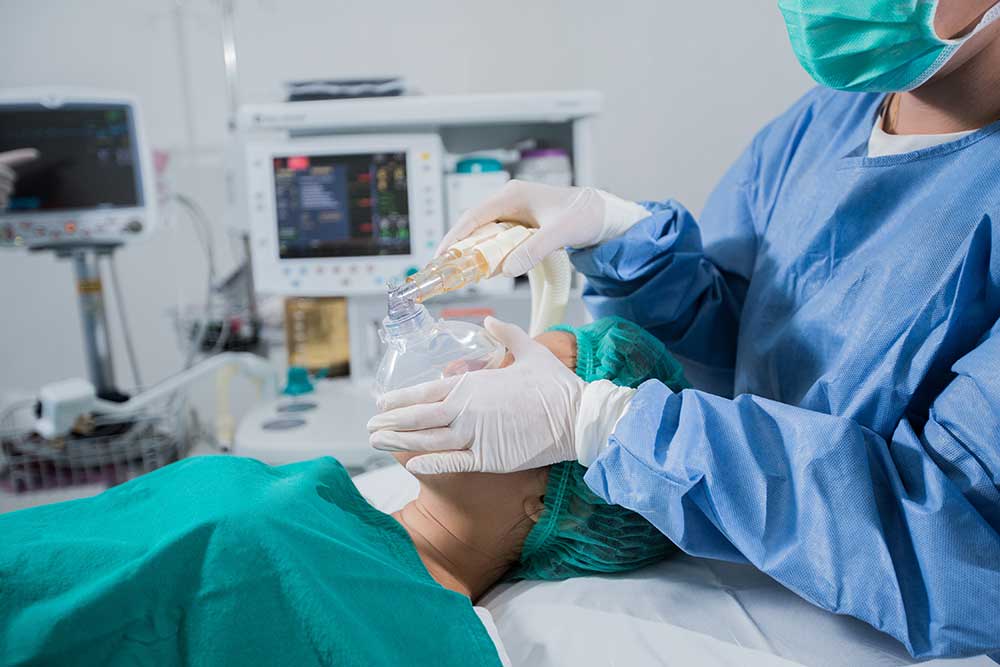
Ultimately, the integration of all these technological advancements – advanced monitoring, precision drug delivery, AI-driven insights, and comprehensive data management – is moving anesthesiology towards truly personalized anesthetic approaches. Instead of relying solely on generalized protocols, future anesthesiologists will leverage technology to create bespoke anesthetic plans that are precisely tailored to each patient’s unique physiology, genetic makeup, and surgical needs. This will lead to safer procedures, faster recoveries, and a significantly improved patient experience, all powered by the relentless innovation in medical technology.
aViewFromTheCave is a participant in the Amazon Services LLC Associates Program, an affiliate advertising program designed to provide a means for sites to earn advertising fees by advertising and linking to Amazon.com. Amazon, the Amazon logo, AmazonSupply, and the AmazonSupply logo are trademarks of Amazon.com, Inc. or its affiliates. As an Amazon Associate we earn affiliate commissions from qualifying purchases.