
In the rapidly evolving landscape of information technology, an analysis paper is more than just a descriptive report; it is a critical instrument used to dissect complex systems, evaluate software efficacy, and decode data patterns to drive strategic decision-making. Within the tech sector, an analysis paper serves as a bridge between raw data and actionable intelligence. Whether it is a systems analysis, a cybersecurity vulnerability report, or a software requirements breakdown, this document provides the analytical framework necessary to understand how a technology functions, where its limitations lie, and how it can be optimized for future scalability.
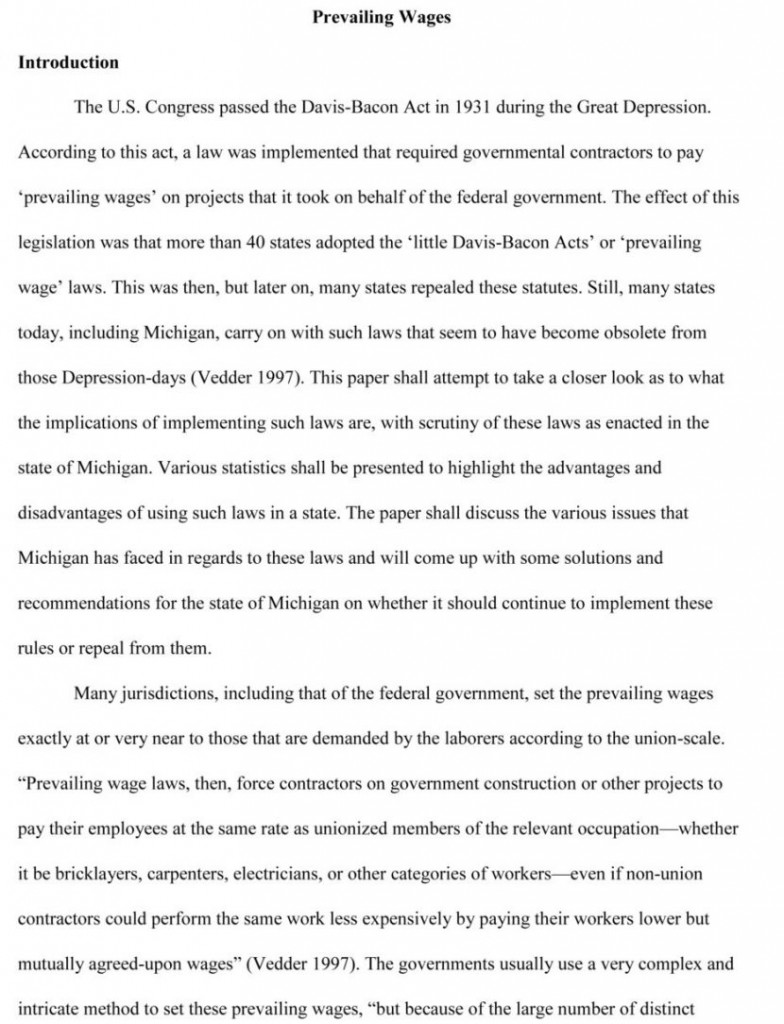
In professional software development and IT infrastructure management, the analysis paper functions as a blueprint. It moves beyond the “what” of a technology and delves deep into the “how” and “why.” By applying rigorous methodologies to technical problems, these papers allow stakeholders—ranging from lead developers to Chief Technology Officers (CTOs)—to mitigate risks and allocate resources with precision.
The Core Framework of Technical Analysis Papers
A technical analysis paper in the digital space is characterized by its systematic approach to problem-solving. Unlike a summary, which merely restates facts, an analysis paper breaks a technological component into its constituent parts to examine their relationships and individual contributions to the whole.
Systems Analysis and Design
At its core, a systems analysis paper evaluates an organizational IT setup to identify areas for improvement or digital transformation. This type of analysis typically involves investigating current hardware and software configurations to determine if they meet the existing and projected needs of the business. The paper documents the “current state” (As-Is) versus the “desired state” (To-Be), providing a roadmap for integration or migration. This process is essential when a company decides to move from legacy on-premise servers to a cloud-native architecture, such as AWS or Microsoft Azure.
Software Requirements Analysis
One of the most common forms of analysis papers in the tech world is the Software Requirements Specification (SRS). This document analyzes the functional and non-functional requirements of a proposed application. It examines user stories, calculates technical constraints, and assesses the feasibility of specific features. By producing a comprehensive analysis paper at this stage, development teams can avoid “scope creep” and ensure that the final product aligns with user expectations and performance benchmarks.
Competitive Technical Analysis
In the product development cycle, a tech analysis paper often focuses on market competition. This involves a deep dive into the tech stacks, API capabilities, and user experience (UX) flows of competing software. By analyzing the technical debt or innovative features of a competitor’s app, a company can position its own product to fill gaps in the market, such as offering better data encryption or more seamless third-party integrations.
Methodologies for Modern Tech Evaluation
Writing a high-quality analysis paper requires the application of specific frameworks that bring objectivity to the evaluation process. In the tech industry, these methodologies ensure that the analysis is grounded in logic rather than speculation.
SWOT Analysis in a Tech Context
While frequently used in business, the SWOT (Strengths, Weaknesses, Opportunities, Threats) analysis is a staple in technology papers.
- Strengths: Might include a robust backend architecture or a high degree of automation.
- Weaknesses: Could highlight high latency issues or a lack of documentation.
- Opportunities: Might point toward the integration of AI or machine learning models.
- Threats: Usually involve cybersecurity risks or the rapid obsolescence of a specific programming language.
Gap Analysis for System Upgrades
A gap analysis paper is vital when a tech stack feels outdated. It focuses on the space between the current performance of a software tool and the performance level required by the industry standard. For example, if a database handles 1,000 transactions per second but the analysis shows a requirement for 10,000 to maintain growth, the paper identifies the “gap” and proposes specific technical solutions—such as sharding or moving to a NoSQL database—to bridge it.
Root Cause Analysis (RCA)
When a major system outage or a security breach occurs, the resulting technical analysis paper is known as a Root Cause Analysis. This paper uses techniques like the “Five Whys” or Fishbone Diagrams to trace a failure back to its origin. Whether the issue was a misconfigured firewall or a bug in a recent code deployment, the analysis paper documents the technical forensic evidence and provides a remediation plan to prevent recurrence.

The Role of Data and AI in Shaping Analysis
The modern analysis paper has been significantly transformed by the advent of Big Data and Artificial Intelligence. Today, technical reports are increasingly data-driven, utilizing telemetry and real-time analytics to substantiate their findings.
Data Analytics and Visualization
An analysis paper is only as strong as the data supporting it. In tech, this often means incorporating data from performance monitoring tools like Datadog or New Relic. A professional analysis paper will use these data points to visualize trends in user retention, server uptime, or application latency. By translating raw logs into visual charts and graphs, the analysis paper makes complex technical information accessible to non-technical stakeholders, ensuring that budget approvals for tech upgrades are based on empirical evidence.
AI-Driven Predictive Analysis
The next frontier of the analysis paper is predictive modeling. Rather than just analyzing what has already happened, tech professionals are now writing analysis papers that forecast future system behaviors using AI. A predictive analysis paper might evaluate the trajectory of data growth and conclude that a company’s storage capacity will be exhausted within six months. This proactive approach allows organizations to scale their cloud infrastructure before performance degradation affects the end-user experience.
Security and Vulnerability Assessment Papers
In an era of increasing cyber threats, security analysis papers (often called penetration testing reports) are critical. These papers analyze a system’s defenses by simulating attacks. They categorize vulnerabilities using the Common Vulnerability Scoring System (CVSS), providing a prioritized list of patches and configuration changes. This type of analysis is mandatory for compliance with standards such as SOC2, HIPAA, or GDPR.
Structuring a Professional Tech Analysis Paper
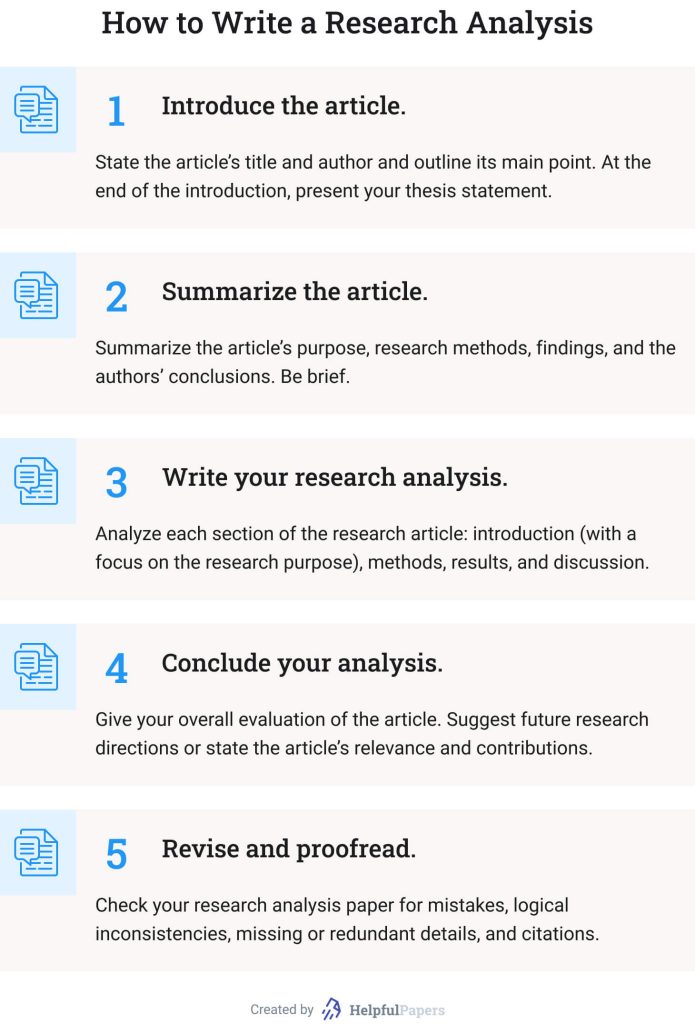
To be effective, a technical analysis paper must follow a logical structure that guides the reader from the initial problem statement to a concrete conclusion.
Executive Summary and Problem Statement
Every analysis paper should begin with a high-level overview. For a technical audience, this means defining the specific problem or technology under review. Whether it is an analysis of a new JavaScript framework or an evaluation of a multi-cloud strategy, the introduction must establish the scope and the objectives of the analysis.
Technical Discussion and Evidence
This is the heart of the paper. It involves a detailed breakdown of the technical components. In a software analysis paper, this might include snippets of code, architectural diagrams, or API documentation reviews. The discussion should be objective, highlighting both the advantages and the drawbacks of the technology in question. It is here that the writer applies the chosen methodology (such as a gap analysis) to scrutinize the data.
Recommendations and Implementation Roadmap
The ultimate goal of a tech analysis paper is to provide a path forward. A professional report does not stop at identifying problems; it offers solutions. This section should include a prioritized list of recommendations, estimated timelines for implementation, and a projection of the expected ROI (Return on Investment) or performance gain. For instance, if the analysis recommends migrating to a microservices architecture, the roadmap should outline the phases of decomposition and the tools required for containerization, such as Docker and Kubernetes.
The Impact of High-Quality Analysis on the Tech Ecosystem
The value of a well-researched analysis paper cannot be overstated in a field as volatile as technology. It serves as the primary tool for risk management, ensuring that companies do not jump onto every “hype cycle” without understanding the underlying technical implications.
For software engineers, writing analysis papers refines their ability to think critically about the code they write and the systems they build. For IT managers, these papers provide the justification needed for strategic pivots. In a world where a single technical misstep can lead to millions of dollars in lost revenue or devastating data breaches, the analysis paper stands as a guardian of operational integrity.
By mastering the art of the analysis paper, tech professionals ensure that innovation is balanced with stability. They transform abstract concepts into documented reality, providing the clarity needed to navigate the complexities of modern software development, cybersecurity, and digital infrastructure. Whether it is a ten-page white paper on the impact of quantum computing or a brief internal analysis of a new app feature, the rigor and insight contained within these documents are what truly drive the industry forward.
aViewFromTheCave is a participant in the Amazon Services LLC Associates Program, an affiliate advertising program designed to provide a means for sites to earn advertising fees by advertising and linking to Amazon.com. Amazon, the Amazon logo, AmazonSupply, and the AmazonSupply logo are trademarks of Amazon.com, Inc. or its affiliates. As an Amazon Associate we earn affiliate commissions from qualifying purchases.