
In the landscape of personal finance and savvy consumerism, finding ways to reduce discretionary spending without sacrificing lifestyle quality is a cornerstone of wealth management. For cinema enthusiasts, the AMC Yellow Ticket represents one of the most effective financial instruments for lowering the “cost per unit” of entertainment. While many see it as a simple movie pass, it is actually a specialized voucher designed for a specific segment of the market, offering significant savings for those who understand its utility and limitations.
The Financial Mechanics of AMC Movie Vouchers
To understand the AMC Yellow Ticket, one must first understand the tiered pricing model AMC Theatres utilizes for its corporate ticket program. AMC issues two primary types of discount vouchers: the Black Ticket and the Yellow Ticket. Both are designed to provide a flat-rate entry to a film, but they are priced differently based on regional economic factors and operational overhead.
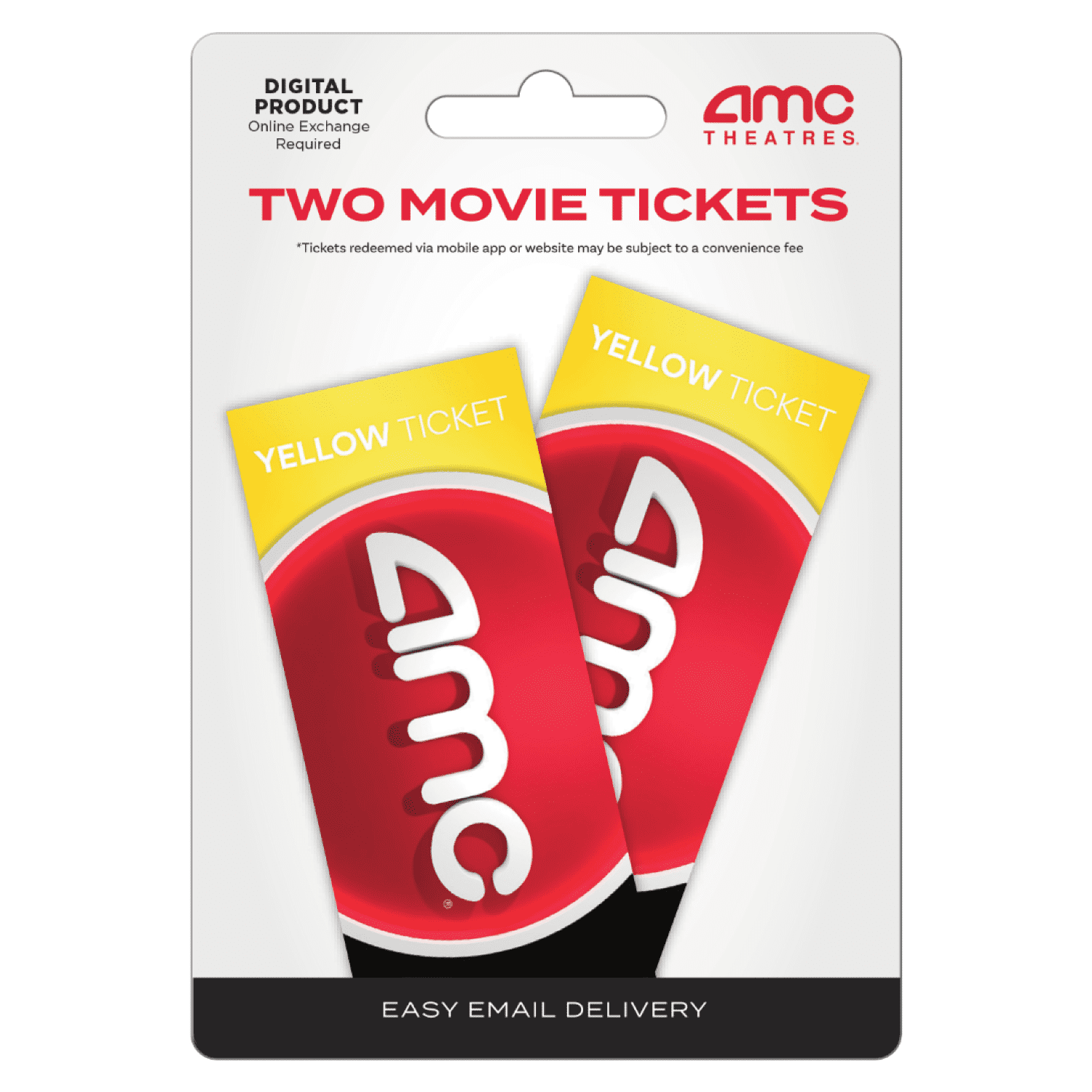
The AMC Yellow Ticket is a discount movie voucher that is typically purchased in bulk or through authorized third-party retailers such as wholesale clubs, employee benefit portals, or credit card reward programs. From a financial perspective, the Yellow Ticket acts as a pre-paid asset. By paying a fixed price upfront—usually significantly lower than the average retail ticket price—the consumer hedges against future price increases and regional inflation.
The primary distinction of the Yellow Ticket is its geographic restriction. Unlike the Black Ticket, which is valid at any AMC location nationwide, the Yellow Ticket is not valid in the states of California, New York, and New Jersey. This geographic exclusion is a classic example of price discrimination in economics. Because the cost of doing business and the average household income are higher in those three states, AMC restricts the lower-priced Yellow Ticket to markets where the standard ticket price is more in line with the voucher’s value. For consumers living outside these high-cost states, the Yellow Ticket offers a superior return on investment (ROI) compared to paying the “walk-up” or digital retail price.
Strategic Personal Finance: Why Use Yellow Tickets?
For the budget-conscious individual, the use of AMC Yellow Tickets is a tactical move in a broader personal finance strategy. If the average price of a movie ticket in a mid-tier market is $14.50, and a Yellow Ticket can be acquired for $10.00 through a corporate discount program, the consumer is realizing a 31% savings on the base cost of the experience.
Bulk Purchasing and Liquidity
One of the most common ways to acquire Yellow Tickets is through bulk purchases. Companies like Costco or Sam’s Club often sell these vouchers in packs. From a cash flow perspective, this requires an initial outlay of capital. However, for a family or an individual who frequents the cinema, the “break-even” point is reached instantly upon the first or second use. The liquidity of these tickets is also a factor; while they are not cash, they hold their value indefinitely as they do not have expiration dates (subject to state laws), making them a stable “entertainment currency.”
Hedging Against Inflation
Cinema prices, like all forms of location-based entertainment, are subject to inflationary pressures. As labor costs, utility rates for large auditoriums, and film licensing fees rise, theatres pass these costs onto the consumer. By holding a portfolio of AMC Yellow Tickets, a consumer effectively locks in today’s prices for future entertainment. Even if the retail price of a ticket rises to $18.00 in two years, the Yellow Ticket remains valid for one admission, protecting the holder’s purchasing power.
Comparative Analysis: Vouchers vs. Subscription Models
When evaluating the financial benefit of Yellow Tickets, it is essential to compare them against AMC’s own subscription service, A-List. A-List requires a monthly recurring charge, which is a fixed liability. For a “power user” who sees three movies a week, the subscription is the clear winner. However, for the “casual consumer” who sees one movie a month or one every two months, the subscription model results in “leakage”—paying for a service that isn’t fully utilized. In this scenario, Yellow Tickets are the more efficient financial choice, as they represent a one-time cost with no recurring “drain” on the monthly budget.
Corporate Branding and Employee Incentives: The Business Case

Beyond individual use, the AMC Yellow Ticket is a staple in the world of corporate finance and human resources. Businesses often purchase these vouchers in large volumes to use as “low-cost, high-perceived-value” incentives for employees or as part of customer loyalty programs.
Employee Benefit Programs
For a corporation, providing AMC Yellow Tickets as an employee perk is an exercise in tax-efficient compensation. Instead of a small cash bonus that is subject to payroll taxes and income tax for the employee, a movie voucher is often viewed as a “de minimis” fringe benefit or a simple gift. It boosts morale and reinforces the corporate identity as an organization that values work-life balance, all while costing the company less than the face value of the entertainment provided.
Marketing and Customer Acquisition
Many financial institutions and insurance companies use Yellow Tickets as a “lead magnet.” By offering a “free movie ticket” for signing up for a consultation or opening a new high-yield savings account, the company uses the universal appeal of film to lower its customer acquisition cost (CAC). The AMC brand carries a level of prestige and reliability that adds value to the partner company’s offer, creating a symbiotic marketing relationship.
Revenue Recognition for AMC
From AMC’s corporate finance perspective, the sale of Yellow Tickets is an excellent source of “deferred revenue.” When a ticket is sold, AMC receives the cash immediately, which improves their cash position and allows them to reinvest that capital or pay down debt. However, they do not have to provide the service (show the movie) until the customer decides to redeem the voucher. Furthermore, there is the factor of “breakage”—a percentage of tickets that are purchased but never redeemed. This represents pure profit for the theatre chain, as the liability eventually leaves the books without any service being rendered.
Navigating the Fine Print: Surcharges and Limitations
While the Yellow Ticket offers a significant discount, a sophisticated financial approach requires an understanding of the potential “hidden costs” or surcharges that can impact the total cost of ownership.
Premium Format Surcharges
The Yellow Ticket covers the cost of a standard “2D” digital screening. However, the modern cinema experience often involves premium formats such as IMAX, Dolby Cinema, or RealD 3D. When a consumer uses a Yellow Ticket for these screenings, they are required to pay a surcharge—the difference between a standard ticket and the premium experience. When calculating the value of the voucher, one must factor in these out-of-pocket expenses. If the surcharge is $8.00 and the voucher cost $10.00, the total cost of $18.00 might only be a marginal saving over the retail premium price.
Digital Booking Fees
In the digital age, most consumers prefer to book their seats in advance via the AMC website or mobile app. When using a Yellow Ticket online, AMC often applies a “convenience fee” for the transaction. For members of the AMC Stubs rewards program (at the Premiere or A-List levels), these fees may be waived. For others, the fee can eat into the savings provided by the voucher. From a financial optimization standpoint, redeeming the ticket in person at the box office is the only way to ensure the maximum possible ROI, though this comes at the cost of potential “opportunity cost” if the showing is sold out.
The Exclusionary Zone
As previously mentioned, the Yellow Ticket’s lack of validity in California, New York, and New Jersey is its most significant limitation. For a business traveler or someone planning a vacation, a Yellow Ticket held in a portfolio is a “dead asset” in those states. This regional restriction is a crucial detail for anyone purchasing these as gifts or for those who move frequently between states for work.

The Long-term Value Proposition of Cinema Assets
As we look toward the future of the entertainment economy, the role of physical and digital vouchers like the AMC Yellow Ticket continues to evolve. In a world of increasing digital subscriptions and streaming dominance, the “event” of going to a theatre remains a premium experience.
For the investor or the budget-conscious consumer, the Yellow Ticket is more than just a piece of paper or a digital code; it is a tool for managing “fun money” in a way that aligns with disciplined financial principles. It encourages intentional spending—choosing to see a film because you have the asset ready, rather than impulsively spending high-interest dollars at the box office.
In the broader context of business finance, the Yellow Ticket program demonstrates the power of brand partnerships and bulk distribution. By creating a secondary market for their seats, AMC ensures a steady floor of attendance and upfront capital, while consumers gain access to the brand’s premium facilities at a “wholesale” price. Whether used as a personal saving strategy, an employee reward, or a marketing tool, the AMC Yellow Ticket remains a vital and effective instrument in the intersection of entertainment and finance.
aViewFromTheCave is a participant in the Amazon Services LLC Associates Program, an affiliate advertising program designed to provide a means for sites to earn advertising fees by advertising and linking to Amazon.com. Amazon, the Amazon logo, AmazonSupply, and the AmazonSupply logo are trademarks of Amazon.com, Inc. or its affiliates. As an Amazon Associate we earn affiliate commissions from qualifying purchases.