
The Ambu bag, formally known as a manual resuscitator or self-inflating bag-valve-mask (BVM), is a critical piece of medical hardware. In the realm of healthcare technology and emergency response equipment, it stands as one of the most reliable and essential devices for life support. Whether utilized by first responders in the field, paramedics in an ambulance, or medical staff in a hospital setting, the device serves a singular, life-saving purpose: providing positive pressure ventilation to individuals who are unable to breathe adequately on their own.
Despite its simplicity in design, the mechanical engineering behind the Ambu bag represents a sophisticated application of fluid dynamics and ergonomic design. Understanding how this hardware operates and its role in modern medical tech ecosystems is vital for anyone involved in emergency preparedness or clinical support systems.
The Engineering and Anatomy of the Manual Resuscitator
At its core, an Ambu bag is a handheld device designed to deliver a specific volume of air or oxygen into a patient’s lungs. It is classified as medical hardware because it facilitates the mechanical exchange of gases, effectively performing the respiratory function of the lungs during a crisis.
The Self-Inflating Bag
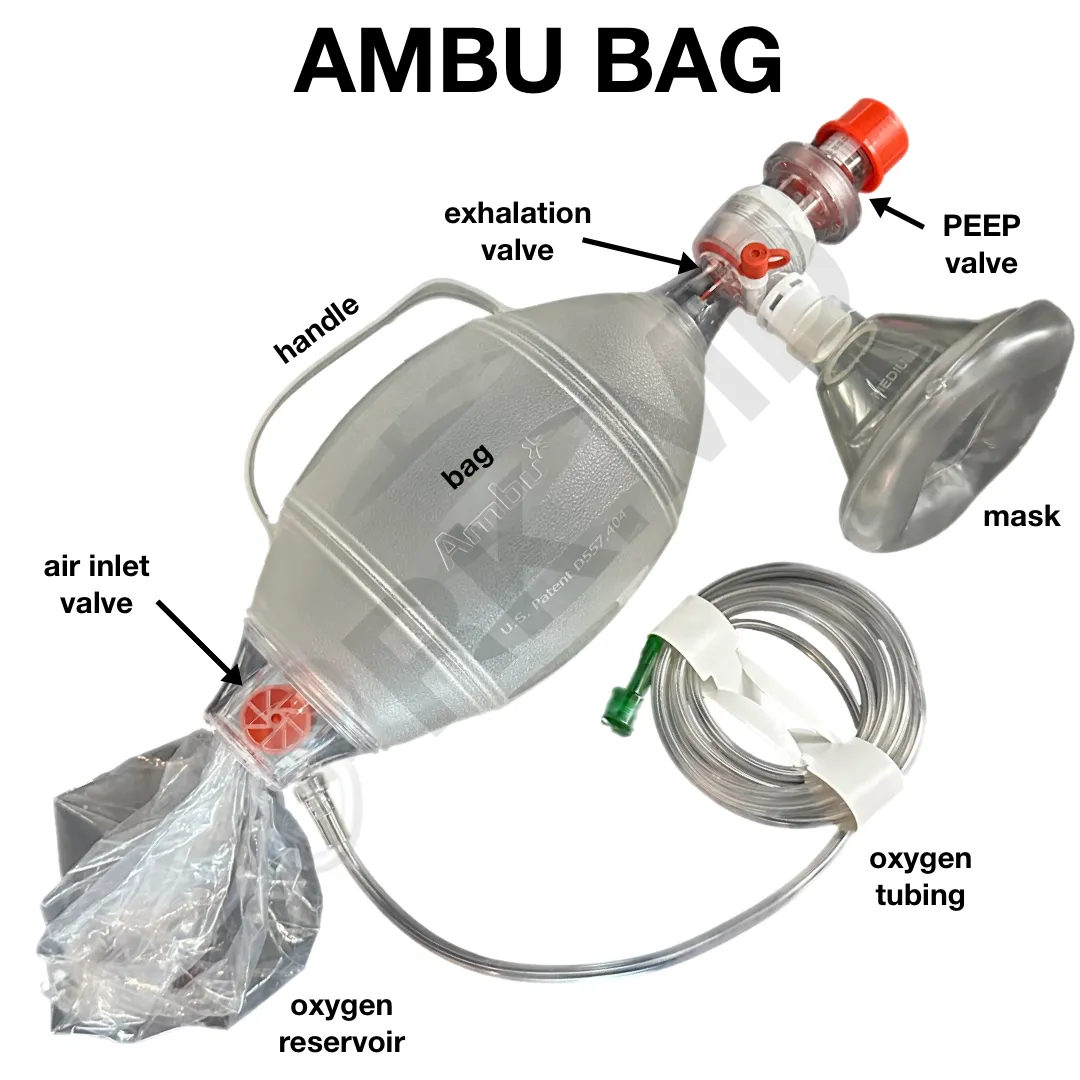
The defining feature of the device is the reservoir bag, typically constructed from high-grade silicone or PVC. This material is chosen for its “memory” properties—the ability to collapse under pressure and immediately return to its original shape when released. This self-inflating mechanism is a marvel of material science; it ensures that the bag is always ready for the next compression, regardless of the user’s skill level. As the bag expands, it pulls in either ambient air or oxygen from an attached tank through an intake valve, preparing the next dose of gas for delivery.
The Valve System and Reservoir
The efficacy of the Ambu bag hinges on its complex one-way valve system. This component is an engineering triumph that ensures airflow moves only toward the patient. When the bag is squeezed, the valve shuts off the intake port and forces air through the mask and into the airway. When the bag is released, the valve closes off the patient port to prevent the re-breathing of carbon dioxide and opens the intake port to fill with fresh air. Many modern versions also include an oxygen reservoir bag attached to the intake, which allows for the delivery of high-concentration supplemental oxygen (often near 100%), rather than just atmospheric air.
The Mask Interface
The mask serves as the critical hardware-to-human interface. It must create an airtight seal against the patient’s face to ensure that the pressure generated by the bag actually travels into the trachea rather than escaping into the surrounding environment. These masks are typically clear to allow responders to monitor the patient for signs of cyanosis or regurgitation, and they feature a cushioned rim to distribute pressure evenly and prevent tissue damage.
Clinical Application and Hardware Integration
In the landscape of modern medical technology, the Ambu bag is rarely used in isolation. It functions as an anchor point for a broader ecosystem of life-support hardware. Its integration with other devices is what makes it a cornerstone of emergency medical tech.
Integration with Oxygen Supplies
While a BVM can deliver ambient air, it is almost universally integrated with oxygen delivery systems in professional settings. The “tail” of the BVM connects to high-flow oxygen tanks via pressure regulators. By manipulating the flow rate of the tank and the frequency of the bag squeezes, a clinician can effectively manage the oxygen saturation levels of a patient. This interplay between the manual pump and the gas supply regulator is a foundational skill in respiratory therapy.

The Role of Supplemental Sensors
Modern clinical practice often involves attaching digital monitoring hardware to the BVM circuit. For instance, inline capnography sensors—small, lightweight digital devices—are frequently attached between the valve and the mask. These sensors analyze the exhaled carbon dioxide levels, providing a real-time data readout on a secondary monitor. This digital feedback loop allows the person operating the Ambu bag to adjust their ventilation rate based on objective biological data, bridging the gap between manual hardware and digital health monitoring.
When Technology Meets Tactile Operation
The Ambu bag serves as a fail-safe device. In an era where ventilators are increasingly computerized, software-driven, and complex, the Ambu bag remains a “low-tech” analog necessity. It requires no electricity, no software updates, and no battery power. This makes it the most robust hardware in any emergency kit. Its reliance on the operator’s tactile feedback—the feel of lung compliance—remains a standard for diagnosing patient condition, as computers struggle to replicate the nuanced sensation of “tight” or “stiff” lungs that a professional feels through the bag’s resistance.
Standardization and Maintenance of Medical Hardware
Because the Ambu bag is used in life-or-death scenarios, it is subject to rigorous hardware manufacturing standards and maintenance protocols. It is not just a piece of plastic; it is a precision-engineered tool that must perform identically in -20°C temperatures or in the high-humidity environment of a tropical field hospital.
Durability and Material Science
The transition from reusable rubber-based models to modern, single-use, high-density polymer models has revolutionized the industry. Single-use devices reduce the risk of cross-contamination between patients, eliminating the need for complex and costly sterilization cycles. These devices undergo intensive stress testing to ensure they can withstand thousands of compressions without fatigue or valve failure. Engineers focus heavily on the “crush resistance” of the valve housing and the “resilience” of the silicone, ensuring the device remains reliable throughout its shelf life.
The Ergonomics of Emergency Response
Hardware design in the medical field must account for human fatigue. Providing manual ventilation can be exhausting for long periods. Modern Ambu bag designs feature optimized grip textures and ergonomic handle distributions that minimize the strain on the operator’s hands. By studying the biomechanics of the human grip, manufacturers have refined the device’s size and weight, ensuring that an operator can maintain a consistent ventilation rhythm—typically one breath every five to six seconds—for extended transport times without sacrificing the seal integrity of the mask.
Lifecycle Management
For healthcare organizations, the Ambu bag represents a critical asset in the inventory management system. Unlike long-term assets like MRI machines or patient monitors, BVMs are often treated as consumable hardware. Organizations must manage the expiration of these devices carefully. The polymers used in the masks and the internal valve springs can degrade over years of storage. Consequently, these devices form a major part of the logistics cycle in hospital supply chains, where “first-in, first-out” inventory management ensures that every bag in a crash cart is ready for immediate deployment.
The Future of Manual Resuscitation Hardware
The future of the Ambu bag lies not in replacing the manual process, but in augmenting it. We are seeing a shift toward “smart” manual resuscitators. These include integrated pressure-monitoring gauges that provide visual feedback to the operator, ensuring they are not over-inflating the lungs—a common mistake that can lead to barotrauma.
Furthermore, there is increasing interest in standardized attachment ports that allow the BVM to integrate seamlessly with various airway adjuncts, such as supraglottic airways or endotracheal tubes. As hardware becomes more modular, the ability to rapidly transition from a mask-to-face setup to an advanced airway setup is becoming a standard design requirement.
Ultimately, the Ambu bag stands as a testament to the power of simple, functional design in medical technology. It serves as a reminder that even in an age of AI-driven diagnostic tools and robotic surgery, the most fundamental element of survival—breath—often requires the most reliable and well-engineered hardware imaginable. By mastering the hardware, the user ensures the patient has the best possible chance of recovery.
aViewFromTheCave is a participant in the Amazon Services LLC Associates Program, an affiliate advertising program designed to provide a means for sites to earn advertising fees by advertising and linking to Amazon.com. Amazon, the Amazon logo, AmazonSupply, and the AmazonSupply logo are trademarks of Amazon.com, Inc. or its affiliates. As an Amazon Associate we earn affiliate commissions from qualifying purchases.