
At the intersection of mechanical engineering and automotive longevity lies a deceptively simple yet critical component: the engine air filter. While modern vehicles are marvels of complex software and advanced sensor arrays, they fundamentally remain internal combustion engines that rely on the basic principle of “suck, squeeze, bang, blow.” To achieve that “bang”—the controlled explosion that powers your wheels—the engine requires a precise mixture of fuel and oxygen. The air filter acts as the gatekeeper for this process, ensuring that the oxygen entering your combustion chamber is clean, debris-free, and optimized for performance.
Understanding the role of this component is essential for any car owner who treats their vehicle as a long-term asset. When we discuss automotive maintenance through a technical lens, we are essentially discussing the preservation of hardware efficiency. An engine that cannot “breathe” properly is an engine that is forced to work harder, consume more resources, and eventually degrade prematurely. By examining the mechanics, the impact on performance, and the necessity of regular maintenance, we can better appreciate why this seemingly mundane piece of pleated paper is a pillar of automotive health.
The Mechanical Function and Anatomy of the Air Filter
To comprehend why an air filter is vital, one must first visualize the sheer volume of air a combustion engine consumes. For every gallon of fuel burned, an engine processes thousands of gallons of air. If that air were pulled directly from the road environment, it would carry dust, sand, pollen, road salt, and microscopic debris into the heart of the engine.
Filtration Technology and Material Science
Most standard automotive air filters are constructed from a multi-layered, porous material, often composed of fibrous cellulose (paper), cotton gauze, or synthetic polymer meshes. These materials are folded into a “pleated” configuration. This design is not merely for aesthetic purposes; it is a clever engineering solution to maximize surface area. By increasing the total square footage of the filter medium, engineers allow for a high volume of airflow while simultaneously trapping smaller particles.
The efficiency of a filter is measured by its ability to balance “restriction” and “capture.” If a filter is too dense, it restricts airflow, starving the engine of the oxygen it needs. If it is too porous, it allows harmful particulates to bypass the barrier. Modern automotive design relies on high-efficiency particulate air (HEPA) standards or specialized media that catch debris down to the micron level, preventing potential scoring of cylinder walls and damage to sensitive internal components.
The Intake System Architecture
The air filter resides within the air intake box, usually located at the very beginning of the engine’s respiratory tract. When you accelerate, the throttle body opens, creating a vacuum that pulls air through the intake manifold. The air filter serves as the first line of defense in this sequence. If the filter is bypassed or compromised, the debris enters the intake manifold, eventually reaching the intake valves and the combustion chamber. In sophisticated modern engines, this debris can also interfere with the Mass Air Flow (MAF) sensor, a delicate electronic instrument that measures the density of incoming air. If the MAF sensor becomes coated in dust or oil, it sends inaccurate data to the Engine Control Unit (ECU), causing poor fuel-to-air ratios and triggering a “check engine” light.
Performance Impacts: The Relationship Between Airflow and Efficiency

There is a common misconception that vehicle performance is solely tied to engine displacement or fuel quality. In reality, engine efficiency is a direct byproduct of how effectively the system manages air intake. When a filter becomes saturated with dust and dirt, the engine encounters increased “pumping losses.”
The Effect of Clogged Filters on Fuel Economy
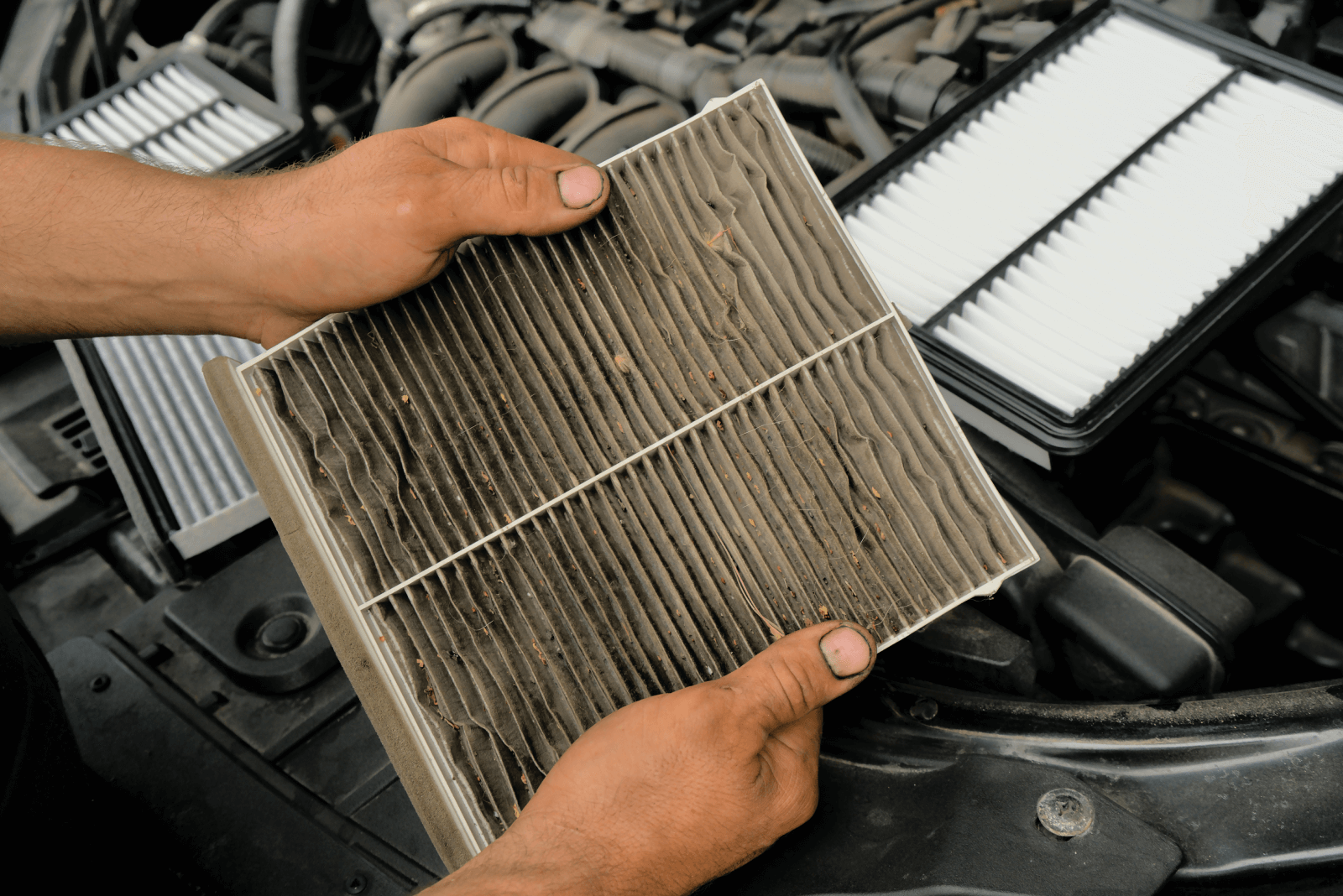
When an air filter reaches the end of its functional lifespan, it presents a significant obstacle to airflow. This creates a pressure drop across the filter. To compensate for the lack of oxygen, the engine’s computer system may adjust the fuel injection timing or quantity to maintain a stoichiometric balance—the ideal ratio of air to fuel. However, because the engine is struggling to pull in air, it must work harder to achieve the same levels of power.
This leads to a noticeable decrease in fuel efficiency. While a clean filter does not necessarily “add” horsepower to a standard commuter car, a dirty one acts as a throttle, forcing the engine to burn more fuel to produce less power. In the context of vehicle lifecycle management, replacing a filter is one of the most cost-effective strategies for maintaining optimal Miles Per Gallon (MPG).
Acceleration and Throttle Response
Modern vehicles utilize Electronic Throttle Control (ETC) systems that respond to driver inputs with millisecond precision. If the intake system is restricted by a clogged air filter, the engine’s ability to respond to sudden demands for power—such as merging onto a highway or overtaking—is diminished. Drivers often describe this feeling as the car “hesitating” or feeling “sluggish.” By ensuring that the path from the atmosphere to the intake manifold is unobstructed, you allow the engine to access the oxygen it needs instantaneously, resulting in smoother acceleration and a more responsive driving experience.
Maintenance Schedules and Strategic Upgrades
Determining when to replace an air filter is a matter of both manufacturer specifications and environmental reality. While a vehicle’s owner’s manual might suggest an interval (typically every 15,000 to 30,000 miles), these numbers are based on “ideal” driving conditions.
Assessing Environmental Factors
If your commute takes you through dusty, unpaved roads, high-traffic urban centers with heavy smog, or areas with significant seasonal pollen, your air filter will degrade much faster than the manual suggests. A professional technician will typically inspect the filter during every routine oil change. The “light test”—holding the filter up to a strong light source to see how much light passes through the pleats—is the standard diagnostic method. If the light is significantly obscured by dark, caked-on residue, replacement is necessary, regardless of the mileage interval.
Choosing Between OEM and Performance Filters
When the time for replacement arrives, owners often face a choice between the original equipment manufacturer (OEM) paper filter and high-performance aftermarket “drop-in” filters.
- OEM Filters: Designed by the manufacturer to provide the exact balance of filtration and airflow intended for that specific engine. They are highly reliable, cost-effective, and provide superior filtration against fine particulates.
- High-Performance/Reusable Filters: Often made of oiled cotton gauze, these filters are designed to be cleaned and reused. They are engineered to provide less restriction than paper filters, which can improve throttle response in high-performance engines. However, they require meticulous cleaning and re-oiling. If over-oiled, the excess lubricant can migrate to the MAF sensor and cause electrical faults, highlighting the trade-off between performance benefits and the need for precision maintenance.

The Long-Term ROI of Proper Care
Viewed through the lens of technical maintenance, the air filter is an insurance policy. The cost of a new filter is negligible compared to the cost of replacing a MAF sensor or performing top-end engine repairs necessitated by abrasive particulate ingestion. By viewing the air filter as a critical component of the engine’s respiratory system rather than a “consumable” to be ignored, you protect the investment you have made in your vehicle. Consistent adherence to a replacement schedule, tailored to your specific driving environment, ensures that your engine continues to operate at peak efficiency, maintaining its power, fuel economy, and mechanical integrity for the entirety of its operational life.
aViewFromTheCave is a participant in the Amazon Services LLC Associates Program, an affiliate advertising program designed to provide a means for sites to earn advertising fees by advertising and linking to Amazon.com. Amazon, the Amazon logo, AmazonSupply, and the AmazonSupply logo are trademarks of Amazon.com, Inc. or its affiliates. As an Amazon Associate we earn affiliate commissions from qualifying purchases.