
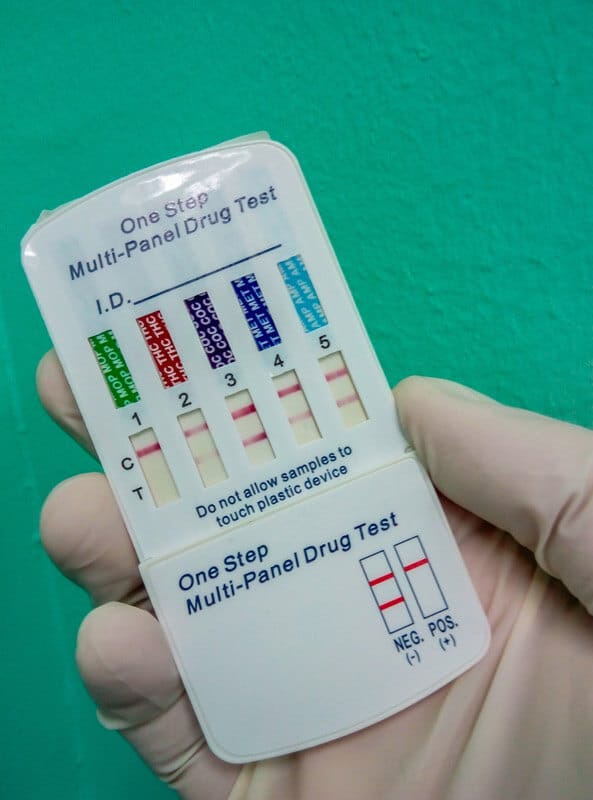
A 5-point drug test, often referred to as a 5-panel drug test, is a standardized screening method designed to detect the presence of five specific classes of illicit and prescription drugs in an individual’s system. While its primary purpose is to ensure workplace safety and compliance, its implementation carries significant financial implications for both businesses and individuals, extending deep into the realms of business finance, risk management, and personal financial stability. Understanding the financial underpinnings of this common screening tool is crucial for sound fiscal decision-making.
The Financial Imperative Behind Workplace Drug Testing
For businesses, the decision to implement drug testing, including the standard 5-panel test, is rooted in a complex financial calculation. The costs associated with workplace drug use can be astronomical, impacting productivity, safety records, insurance premiums, and overall profitability. Investing in drug testing is viewed as a preventative financial measure, designed to mitigate these far-reaching expenses and liabilities.
Mitigating Business Risks and Liabilities
Untested workplaces are often exposed to increased risks of accidents, theft, absenteeism, and diminished productivity. Each of these carries direct financial costs. Workplace accidents, particularly in safety-sensitive industries, can lead to costly worker’s compensation claims, increased insurance deductibles, legal fees from litigation, and potential regulatory fines. A single serious incident involving an impaired employee can cost a company millions in settlements, reputational damage, and operational downtime. Pre-employment and random 5-panel drug tests serve as a financial bulwark against these potential losses, demonstrating due diligence and a commitment to a safe working environment. This proactive stance can significantly reduce a company’s financial exposure to litigation and regulatory penalties, which often accompany workplace incidents linked to drug impairment.
Impact on Insurance Premiums and Costs
Insurance providers frequently offer reduced premiums to businesses that implement comprehensive drug-free workplace programs, including regular 5-panel drug testing. Worker’s compensation insurance, liability insurance, and even health insurance premiums can see notable reductions when a company demonstrates a commitment to mitigating drug-related risks. Insurers recognize that a drug-free workforce correlates with fewer accidents, lower healthcare costs, and a more stable workforce, all of which translate into reduced payouts for them. Conversely, companies without such programs may face higher premiums, or in some cases, difficulty securing adequate coverage, directly impacting their operational budget and bottom line. The initial outlay for drug testing supplies, laboratory fees, and administrative costs is often offset by these significant savings in insurance expenses over time, presenting a clear return on investment (ROI).
Understanding the 5-Panel Test: A Financial Overview
The “5 points” in a 5-point drug test refer to five specific classes of drugs screened. These typically include Amphetamines (including Methamphetamine), Cocaine, Marijuana (THC), Opiates (Codeine, Morphine, Heroin), and Phencyclidine (PCP). The selection of these particular substances is not arbitrary; it’s based on their prevalence, potential for abuse, and the significant safety and productivity risks they pose in the workplace, all of which have direct financial implications.
Common Substances and Their Financial Impact
Each detected substance class presents unique financial challenges to an employer.
- Amphetamines and Cocaine: These stimulants can lead to impaired judgment, erratic behavior, and increased risk-taking, contributing to accidents and costly errors. They also often lead to increased healthcare costs due to long-term health effects.
- Marijuana (THC): While debates surround its legality, impairment from THC can reduce reaction time, coordination, and concentration, directly impacting productivity and increasing accident risk, especially in roles requiring fine motor skills or operating heavy machinery. The financial impact often manifests in reduced output and potential for damaged equipment.
- Opiates: Opioid use, even with prescription, can cause drowsiness, impaired cognitive function, and addiction. This leads to increased absenteeism, presenteeism (being at work but unproductive), and substantial costs associated with addiction treatment and rehabilitation, if the company offers such programs.
- PCP: This hallucinogen can cause severe behavioral disturbances, aggression, and impaired perception, posing extreme safety risks to the user and colleagues, potentially leading to expensive workplace violence incidents or critical injuries.
The financial cost of not detecting these substances can manifest in lost revenue due to errors, decreased product quality, increased supervisory time to manage problematic employees, and the significant expenses of replacing and retraining staff due to terminations or voluntary departures related to drug issues.
Cost-Benefit Analysis for Employers
A comprehensive cost-benefit analysis often reveals that the financial benefits of implementing a 5-panel drug testing program outweigh its direct costs. On average, the cost of a single 5-panel drug test (including collection and lab analysis) can range from $30 to $100. When weighed against the potential costs of a single major workplace accident (tens of thousands to millions), or the cumulative losses from decreased productivity (thousands per employee per year), the investment becomes fiscally prudent. Furthermore, a clear drug-testing policy can act as a deterrent, reducing the incidence of drug use among employees and applicants, thereby passively generating financial returns by fostering a more reliable and productive workforce. This calculation extends beyond immediate savings, incorporating the long-term gains from improved employee morale, reduced turnover, and a stronger company reputation.
Operational Costs and Resource Allocation
Beyond the direct costs of the tests themselves, businesses must account for various operational expenditures and resource allocation implications when establishing and maintaining a 5-panel drug testing program. These include administrative overhead, the cost of third-party services, and the potentially hefty fines for non-compliance.

Administrative Overhead and Third-Party Provider Expenses
Implementing drug testing requires dedicated administrative resources. This includes managing schedules, processing paperwork, coordinating with collection sites, interpreting results, and maintaining confidential records. For smaller businesses, this can strain existing administrative staff, potentially diverting resources from core business functions. Larger enterprises might dedicate specific HR personnel or even a department to manage these programs, adding to payroll expenses.
Many companies opt to outsource drug testing management to third-party providers. While this reduces internal administrative burden, it introduces vendor management costs. These providers typically charge fees for their services, which can include managing the entire testing process, providing medical review officer (MRO) services (to interpret positive results and verify legitimate prescriptions), and ensuring compliance with federal and state regulations. While seemingly an added expense, outsourcing can be a financially sound decision by reducing the risk of errors, ensuring legal compliance, and freeing up internal staff to focus on revenue-generating activities. The cost of a specialized MRO to review positive tests, for instance, adds to the expense but is critical for avoiding wrongful termination lawsuits.
The Cost of Non-Compliance and Legal Fines
Drug testing programs, especially those for federal contractors or in regulated industries (like transportation), are subject to strict federal and state laws, such as the Department of Transportation (DOT) regulations. Failure to comply with these intricate rules can result in significant financial penalties, ranging from thousands to hundreds of thousands of dollars in fines. Beyond monetary fines, non-compliance can lead to loss of contracts, suspension of operating licenses, and severe damage to a company’s brand and reputation, which has an unquantifiable but significant financial cost in terms of lost future business opportunities. Legal challenges from employees alleging improper testing procedures or discriminatory practices can also result in costly litigation, further underscoring the financial importance of meticulously managed drug testing protocols.
Personal Financial Implications of Drug Test Policies
For individuals, drug testing policies can have profound and direct impacts on their personal finances, influencing employment prospects, job security, and long-term financial stability.
Employment Opportunities and Job Security
Successfully passing a 5-point drug test is often a non-negotiable prerequisite for securing employment, especially in sectors with high safety standards or federal contracts. Failure can result in immediate disqualification for a job opening, directly impacting an individual’s earning potential and delaying their financial progress. For current employees, failing a drug test can lead to disciplinary action, including suspension without pay or immediate termination, instantly severing their income stream. The financial hardship of job loss due-to-a-failed-drug-test can be severe, leading to struggles with rent, mortgage payments, utility bills, and basic living expenses, potentially triggering a cascade of negative financial consequences, including debt accumulation and poor credit scores. The ability to pass a drug test is, therefore, a fundamental aspect of maintaining financial stability in many professional fields.
The Cost of Rehabilitation vs. Job Loss
For individuals who fail a drug test, particularly if they are current employees and the company offers a second chance, the cost of rehabilitation becomes a personal financial consideration. While some employers might cover a portion of rehabilitation expenses or offer employee assistance programs (EAPs), individuals often bear a significant financial burden. This can include deductibles, co-pays, and out-of-pocket costs for counseling, therapy, and treatment programs, which can range from hundreds to thousands of dollars. However, when weighed against the long-term financial devastation of job loss, unemployment, and potential difficulties in securing future employment, investing in rehabilitation can be a financially prudent decision. It represents an investment in one’s personal and professional future, aiming to restore earning capacity and financial independence.
Strategic Financial Decisions for Drug Testing Programs
Businesses must approach drug testing not merely as a compliance task but as a strategic financial investment designed to protect assets, enhance productivity, and secure long-term profitability.
ROI of a Robust Testing Program
A well-implemented 5-point drug testing program yields a measurable return on investment (ROI). This ROI is derived from various sources: reduced worker’s compensation claims, lower health insurance premiums, decreased absenteeism, increased productivity, reduced theft, and improved employee morale, which leads to lower turnover rates and reduced recruitment costs. Studies have shown that for every dollar invested in drug-free workplace programs, companies can save anywhere from $2 to $5 in reduced costs related to drug abuse. This financial benefit makes drug testing a valuable component of a comprehensive risk management and human capital strategy, directly contributing to the fiscal health of an organization.

Budgeting for Employee Wellness and Safety
Integrating drug testing into the annual budget requires foresight and a commitment to employee wellness and safety as financial priorities. This means allocating funds not just for the tests themselves, but also for related support mechanisms such as employee education on drug policies, supervisor training on recognizing impairment, and access to EAPs. These holistic programs not only reduce drug-related incidents but also foster a supportive work environment, which can indirectly lead to higher employee retention and engagement—both of which have positive impacts on the bottom line. Smart financial planning for a drug testing program views it as an essential investment in human capital, contributing to a healthier, safer, and ultimately more profitable business operation.
aViewFromTheCave is a participant in the Amazon Services LLC Associates Program, an affiliate advertising program designed to provide a means for sites to earn advertising fees by advertising and linking to Amazon.com. Amazon, the Amazon logo, AmazonSupply, and the AmazonSupply logo are trademarks of Amazon.com, Inc. or its affiliates. As an Amazon Associate we earn affiliate commissions from qualifying purchases.