
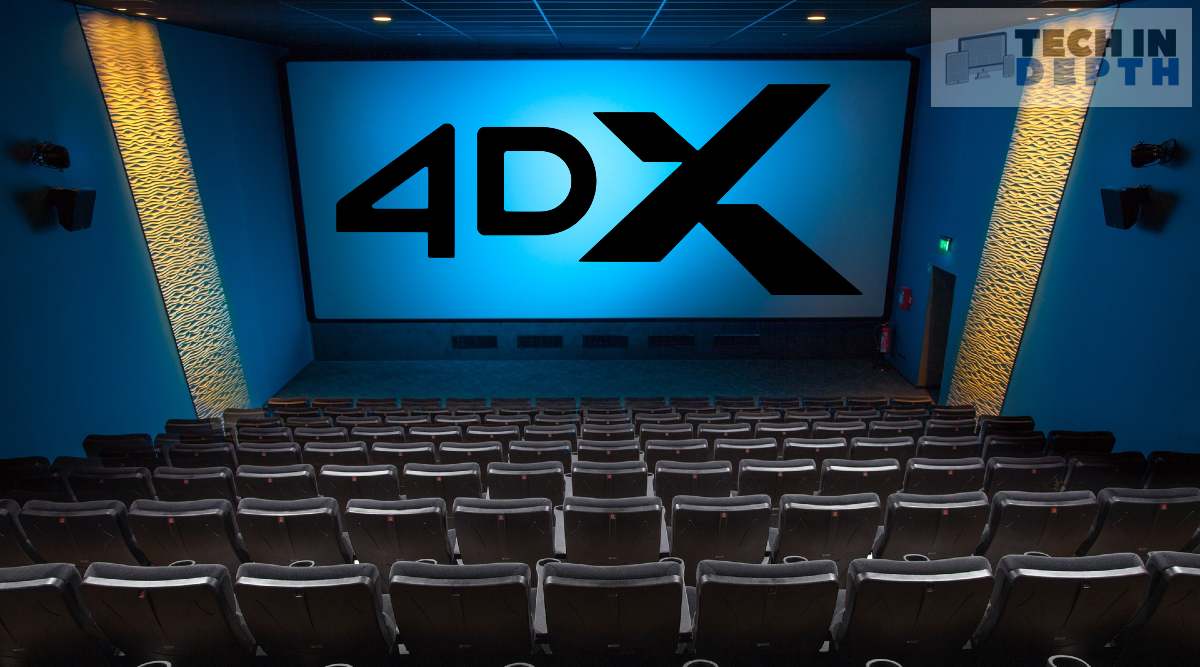
In an era where entertainment is constantly striving to push boundaries and offer more immersive experiences, the 4DX theater has emerged as a significant evolution in cinematic technology. Moving beyond the traditional passive viewing of a film, 4DX engages multiple senses, transforming the act of watching a movie into an interactive and visceral journey. This innovative approach to cinema is rapidly gaining traction, captivating audiences with its unique blend of visual storytelling and physical sensation.
The Technological Core of 4DX: Beyond Sight and Sound
At its heart, 4DX is a multi-sensory cinematic technology that adds a range of environmental effects and motion to the viewing experience, synchronized precisely with the on-screen action. While traditional theaters focus on high-definition visuals and surround sound, 4DX elevates this by incorporating physical movements, atmospheric enhancements, and even olfactory elements. This technological integration is not a random addition but a carefully orchestrated enhancement designed to deepen audience engagement and emotional connection with the film.

Motion Seats: The Foundation of Immersion
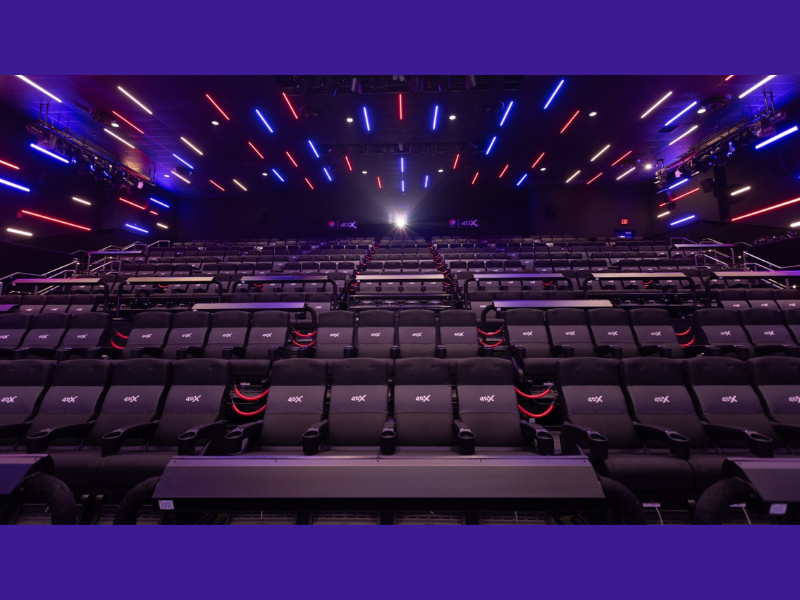
The most prominent and perhaps the most defining feature of a 4DX theater are its motion-enabled seats. These seats are not merely recliners; they are sophisticated mechanical units capable of performing a wide array of movements. Engineered to replicate the on-screen action with remarkable fidelity, they can tilt forward, backward, and sideways, providing a sense of acceleration, deceleration, and turns. Furthermore, they can vibrate, jolt, and even gently nod or heave, mimicking the impact of explosions, the rumble of engines, the thrill of a chase, or the subtle tremor of an earthquake.
The programming of these motion seats is a critical aspect of the 4DX experience. Technicians meticulously analyze each film, mapping specific on-screen events to corresponding seat movements. This process requires a deep understanding of cinematic pacing, emotional cues, and the physical sensations that best translate the on-screen narrative into a tangible reality. For instance, a scene depicting a character falling from a height will trigger a swift downward tilt and a brief sensation of freefall, while a car chase might involve rapid side-to-side movements and jarring vibrations to simulate evasive maneuvers and collisions. The goal is to create a seamless synergy between what the audience sees and what they feel, blurring the lines between the cinematic world and their own reality.
Environmental Effects: A Multi-Sensory Symphony
Beyond the motion of the seats, 4DX theaters are equipped with a suite of environmental effects that further amplify the immersive quality. These are strategically placed throughout the auditorium and are activated in conjunction with the on-screen visuals and seat movements, creating a holistic sensory experience.
- Wind Effects: Subtle gusts of wind can be generated to simulate breezes, the rush of air from passing vehicles, or the force of a storm. This effect is particularly effective in conveying a sense of speed and presence, making the audience feel as though they are truly part of the depicted environment.
- Water Effects: Light mist or even direct sprays of water can be employed to simulate rain, fog, or splashes. This adds a surprising and often exhilarating layer to the experience, especially during scenes involving aquatic environments or dramatic downpours. The intensity and frequency of the water effects are carefully controlled to be noticeable without being overly disruptive.
- Smell Effects: A more subtle yet potent addition to the 4DX arsenal is the introduction of scents. Specialized diffusers release carefully selected aromas to complement the on-screen narrative. Think of the smell of gunpowder during a battle scene, the scent of flowers in a tranquil garden, or the distinct aroma of a bustling marketplace. These olfactory cues are designed to evoke memories and emotions, adding a unique depth to the visual and auditory information.
- Strobe Lights and Fog: While less common than other effects, 4DX can also incorporate strobe lights and fog machines to enhance moments of high drama, disorientation, or atmospheric intensity, further contributing to the visual and sensory overload.
The integration of these environmental effects is paramount to the 4DX experience. They are not simply independent additions but are intricately woven into the fabric of the film’s presentation, working in concert with the motion seats and the traditional audio-visual elements to create a truly unified and engaging spectacle.
The Art and Science of 4DX Content Creation
The creation of a 4DX experience is a complex and meticulous process that goes far beyond simply showing a standard movie. It involves specialized post-production work and a dedicated team of creative professionals who translate the director’s vision into a multi-sensory reality. This specialized content creation is what differentiates a 4DX screening from any other cinematic offering.
“Creative Direction”: Choreographing the Experience
Every 4DX film undergoes a process often referred to as “creative direction” or “4D programming.” This involves a team of specialized technicians and creative directors who analyze the film frame by frame to identify key moments that can be enhanced by the 4DX technology. This is not about adding gratuitous effects but about amplifying the intended emotional impact and narrative flow of the film.
The process typically begins with watching the film and discussing how different scenes can be translated into physical and sensory experiences. For example, a tense chase scene might be amplified with sharp jolts in the seats, simulated tire screeches via scent, and a subtle wind effect to convey speed. A romantic scene might involve gentle swaying of the seats and perhaps a subtle floral scent. The goal is to enhance the storytelling without distracting from it.
This involves:
- Motion Choreography: Deciding on the exact type, intensity, and duration of seat movements for specific on-screen actions. This requires understanding physics and human perception to ensure the movements feel natural and impactful, not jarring or unpleasant.
- Environmental Effect Sequencing: Timing the activation of wind, water, scent, and other effects to perfectly align with the visuals and sounds. This requires meticulous synchronization to create a seamless and believable sensory immersion.
- Intensity Calibration: Determining the appropriate level of each effect. A gentle breeze might be perfect for a serene scene, while a powerful gust of wind could be used to convey a hurricane. Similarly, a light mist might be used for a foggy morning, while a more direct spray could simulate a waterfall.
This detailed programming ensures that the 4DX elements serve the narrative, adding layers of realism and engagement that are impossible to achieve through traditional cinema.
The Role of the “4D Editor”
Within the 4DX ecosystem, the “4D editor” is a pivotal figure. This individual is responsible for the technical execution of the creative direction. They operate specialized software that allows them to map the planned effects to the film’s timeline, controlling the precise timing and intensity of each motion and environmental cue.
Their work involves:
- Software Operation: Utilizing sophisticated software platforms designed specifically for 4DX content creation. These platforms allow for precise control over all the theatrical effects.
- Synchronization Expertise: Ensuring absolute synchronization between the on-screen action and the physical and sensory feedback. Even minor timing discrepancies can break the illusion of immersion.
- Testing and Refinement: Repeatedly viewing the film with the programmed effects, making adjustments to timing, intensity, and duration until the desired experience is achieved. This iterative process is crucial for perfecting the final output.
- Collaboration: Working closely with the creative directors and potentially even the film’s original sound and visual effects teams to ensure the 4DX elements complement, rather than compete with, the original cinematic intent.
The 4D editor is, in essence, a digital conductor, orchestrating a symphony of motion, scent, and atmospheric phenomena to create a truly unique cinematic event.
The Impact and Future of 4DX Technology
The advent of 4DX theaters represents a significant shift in how audiences engage with films, moving towards a more interactive and multisensory form of entertainment. This innovation has not only captured the imagination of moviegoers but also presents a compelling case for the future evolution of the cinema experience.
Enhancing Audience Engagement and Emotional Resonance
The primary impact of 4DX technology lies in its ability to significantly enhance audience engagement. By actively involving multiple senses, it draws viewers deeper into the narrative, fostering a stronger emotional connection with the characters and the story. When the audience physically feels the impact of an explosion or the rush of wind during a high-speed chase, the emotional stakes of the film are inherently heightened.
This heightened engagement translates to:
- Increased Immersion: The physical sensations create a more believable and captivating world, making it easier for audiences to suspend disbelief and become fully absorbed in the film.
- Heightened Emotional Response: Experiencing events physically can amplify emotions. Fear, excitement, joy, and even wonder can be felt more intensely when accompanied by corresponding sensory stimuli.
- Memorable Experiences: The unique and often surprising sensory elements make 4DX screenings inherently more memorable than traditional movie-watching. Audiences are not just watching a film; they are experiencing it.
- Novelty and Entertainment Value: The sheer novelty of the experience is a major draw, offering a fresh and exciting way to consume cinematic content that stands out in a crowded entertainment landscape.
The technology provides a tangible way for audiences to “feel” the movie, transforming passive viewing into an active, participatory event.
The Evolving Landscape of Cinema and Entertainment
4DX is not just a niche offering; it represents a broader trend towards more experiential entertainment. As audiences seek out unique and engaging activities, technologies like 4DX are poised to play an increasingly important role in the future of cinemas.
Looking ahead, the evolution of 4DX could include:
- Increased Integration with VR/AR: While 4DX is a standalone technology, future iterations could potentially integrate with virtual or augmented reality elements to create even more profound levels of immersion.
- Personalized Experiences: Advancements in AI and sensor technology could lead to personalized 4DX experiences, where the intensity and type of effects are subtly adjusted based on individual preferences or reactions.
- Broader Content Adoption: As the technology becomes more refined and cost-effective, a wider range of films, including dramas and comedies, could be adapted for 4DX, exploring more nuanced sensory applications beyond action-heavy blockbusters.
- Integration with Gaming and Live Events: The principles of 4DX motion and environmental effects could also be applied to live performances, theme park attractions, and even immersive gaming experiences, further blurring the lines between different forms of entertainment.
The 4DX theater, with its sophisticated blend of technology and sensory design, has already redefined what it means to watch a movie. As entertainment continues to evolve, this innovative approach to cinematic presentation is likely to remain at the forefront, offering audiences a truly captivating and unforgettable way to experience the magic of film.
aViewFromTheCave is a participant in the Amazon Services LLC Associates Program, an affiliate advertising program designed to provide a means for sites to earn advertising fees by advertising and linking to Amazon.com. Amazon, the Amazon logo, AmazonSupply, and the AmazonSupply logo are trademarks of Amazon.com, Inc. or its affiliates. As an Amazon Associate we earn affiliate commissions from qualifying purchases.