
A 3-season tent represents a sophisticated balance of engineering and material science, meticulously designed to offer robust protection across a broad spectrum of temperate conditions, excluding only the most extreme winter environments. Unlike their minimalist summer counterparts or heavy-duty 4-season brethren, these tents are optimized for spring, summer, and fall use, leveraging a precise combination of structural integrity, advanced textiles, and intelligent ventilation systems to adapt to fluctuating weather. Understanding a 3-season tent means delving into the specific technological decisions that define its versatility and performance envelope.
The Engineering Behind Seasonal Versatility
The core identity of a 3-season tent lies in its strategic engineering, which aims to provide sufficient weather protection without the excessive weight or insulation required for deep winter expeditions. This involves a calculated approach to structural design and air management, ensuring both stability and comfort across varying mild to moderate climates.

Strategic Ventilation Systems
Effective ventilation is paramount in a 3-season tent, directly impacting comfort and preventing condensation buildup—a critical factor in user experience. These tents typically incorporate multi-point ventilation strategies, often featuring mesh panels, adjustable vents, and a dual-layer design (inner tent and rainfly). The inner tent, frequently constructed with extensive mesh sections, allows for maximum airflow in warm, dry conditions, facilitating convection and reducing interior heat. This mesh is often a fine-weave synthetic fabric, engineered to block insects while maintaining breathability.
The outer rainfly, designed to be fully deployable, can be pitched to allow for air gaps between it and the inner tent. This air gap acts as an insulating layer and a channel for moisture-laden air to escape, especially when vents are strategically placed at opposing ends or along the apex of the fly. Some advanced designs integrate “fly-first” pitching capabilities, allowing the rainfly to be set up initially, followed by the inner tent, which provides shelter during setup in inclement weather. The precision in zipper design and vent closures, often utilizing waterproof or highly water-resistant materials, further enhances the tent’s ability to regulate internal climate and repel external moisture while facilitating air exchange.
Robust Frame and Fabric Integration
The structural integrity of a 3-season tent is a cornerstone of its performance, achieved through carefully selected materials and an optimized pole architecture. Tent poles, the skeletal system, are commonly fabricated from lightweight yet high-strength aluminum alloys (like DAC Featherlite or Easton 7075-T9) or, in premium models, advanced carbon fiber composites. These materials offer an exceptional strength-to-weight ratio, allowing for a sturdy structure capable of withstanding moderate winds and light snow loads without adding prohibitive bulk. The diameter and segment length of these poles are engineered to balance rigidity with packability.
The pole architecture itself, often a cross-over dome or tunnel design, is chosen for its aerodynamic properties and inherent stability. Tension points where poles connect to the tent body are reinforced with durable webbing and grommets, often utilizing Hypalon or heavy-duty nylon for longevity under stress. The seamless integration of these pole systems with the tent’s fabric shell through sleeves or clips ensures uniform tension distribution, which is crucial for structural resilience against external forces like wind gusts. The precise cut and stitching of fabric panels, often computer-aided design (CAD) driven, minimize stress points and enhance the overall aerodynamic profile, allowing wind to flow over the tent rather than creating destructive pressure zones.
Advanced Materials and Their Role
The performance characteristics of a 3-season tent are inextricably linked to the sophisticated materials used in its construction. These aren’t just fabrics; they are engineered textiles and coatings designed for specific functions: lightweight durability, superior waterproofing, and optimal breathability.
Lightweight Yet Durable Fabrics
The primary fabrics used in 3-season tents are typically lightweight nylon or polyester, often treated with ripstop weaves to prevent small tears from propagating. Nylon, known for its strength and abrasion resistance, is a popular choice, though it can stretch when wet. Polyester, while slightly heavier, is more UV resistant and less prone to stretching. The denier count (D) of these fabrics indicates their thickness and durability—a higher denier means a thicker, more robust fabric, but also greater weight. Manufacturers strategically select deniers for different tent components; for instance, a higher denier may be used for the tent floor (e.g., 70D-100D) where abrasion resistance is critical, while lower denier fabrics (e.g., 15D-30D) are used for the canopy and rainfly to minimize weight. These fabrics are often siliconized or coated with polyurethane (PU) to enhance tear strength and water resistance without significantly increasing weight, representing a delicate balance of material science.
Waterproofing and Breathability Technologies
A 3-season tent’s ability to repel water while allowing internal moisture vapor to escape is a triumph of material engineering. The rainfly and tent floor are treated with advanced waterproofing coatings, typically PU or silicone-elastomer (Sil-Nylon), measured in millimeters of hydrostatic head (HH). A higher HH rating (e.g., 1,500mm-3,000mm+) signifies greater water resistance. PU coatings are durable and cost-effective, but can be susceptible to hydrolysis over time. Sil-Nylon offers superior tear strength and lighter weight but often comes at a higher cost.
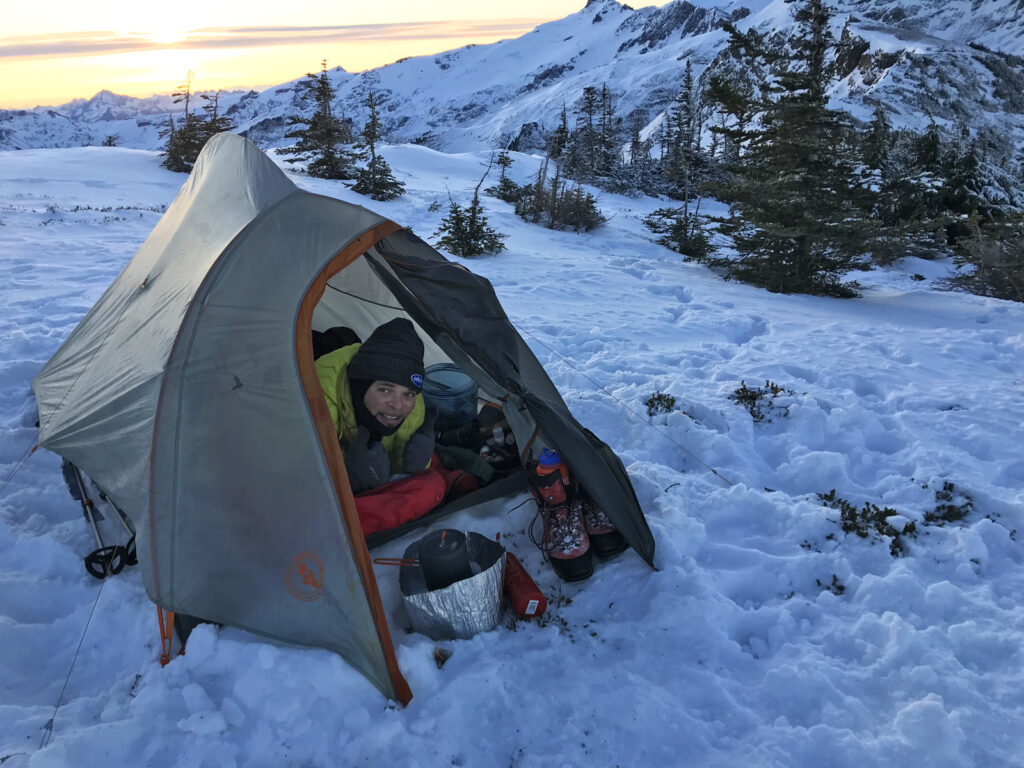
Beyond simple coatings, sophisticated seam sealing technologies are crucial. Factory-taped seams, often using heat-activated polyurethane tape, ensure that stitch lines, which are inherent weaknesses in any fabric structure, remain impermeable to water. Some tents feature welded seams, an even more advanced technique that eliminates stitching altogether, creating a fully integrated, impervious barrier. For breathability, the mesh sections of the inner tent are vital. These are engineered with specific pore sizes to allow air and water vapor molecules to pass through, but not liquid water droplets or insects, thus managing internal humidity and preventing the clammy sensation of condensation while maintaining a dry interior.
Performance Metrics and User Experience
The technological choices made in designing a 3-season tent directly translate into specific performance metrics that enhance the user experience across various conditions. These metrics define its capability to maintain comfort, protect from elements, and offer practical usability.
Temperature Regulation and Comfort
The internal climate control of a 3-season tent is a key differentiator. In warmer conditions, the extensive mesh canopy allows for substantial convective cooling and cross-ventilation, preventing the tent from becoming a hotbox. When temperatures drop, the double-wall construction traps an insulating layer of air between the inner tent and the rainfly, effectively slowing heat loss. This design, combined with the wind-blocking properties of the rainfly, significantly improves the tent’s ability to retain warmth compared to single-wall or mesh-only shelters. Adjustable vents allow occupants to fine-tune airflow, balancing heat retention with condensation control. The interior space is also designed with ergonomic considerations, ensuring adequate headroom and floor space for occupants and gear, which contributes to overall comfort during prolonged stays.
Wind and Rain Resistance
A 3-season tent is engineered to withstand moderate winds and sustained rainfall, making it reliable across varied autumn and spring storms. The pole architecture, often featuring multiple crossing points, provides inherent stability, distributing wind loads across the frame. Strategic guy-out points, reinforced with robust webbing, allow users to anchor the tent securely to the ground, increasing its resistance to strong gusts. The aerodynamic profile minimizes surfaces exposed directly to wind.
For rain protection, the high hydrostatic head ratings of the rainfly and floor, coupled with meticulously taped or welded seams, form an impenetrable barrier. The rainfly often extends close to the ground, preventing wind-driven rain from splashing up and under the canopy. Integrated storm flaps over zippers further enhance water resistance. Some designs incorporate vestibules—covered areas outside the inner tent—which provide sheltered space for wet gear, preventing internal dampness and maintaining a dry living environment.
Distinguishing Features and Technological Nuances
Understanding what defines a 3-season tent also involves comparing its specific technological adaptations against other tent categories and appreciating the nuances that enhance its practical utility.
Comparing with 4-Season and Summer Tents
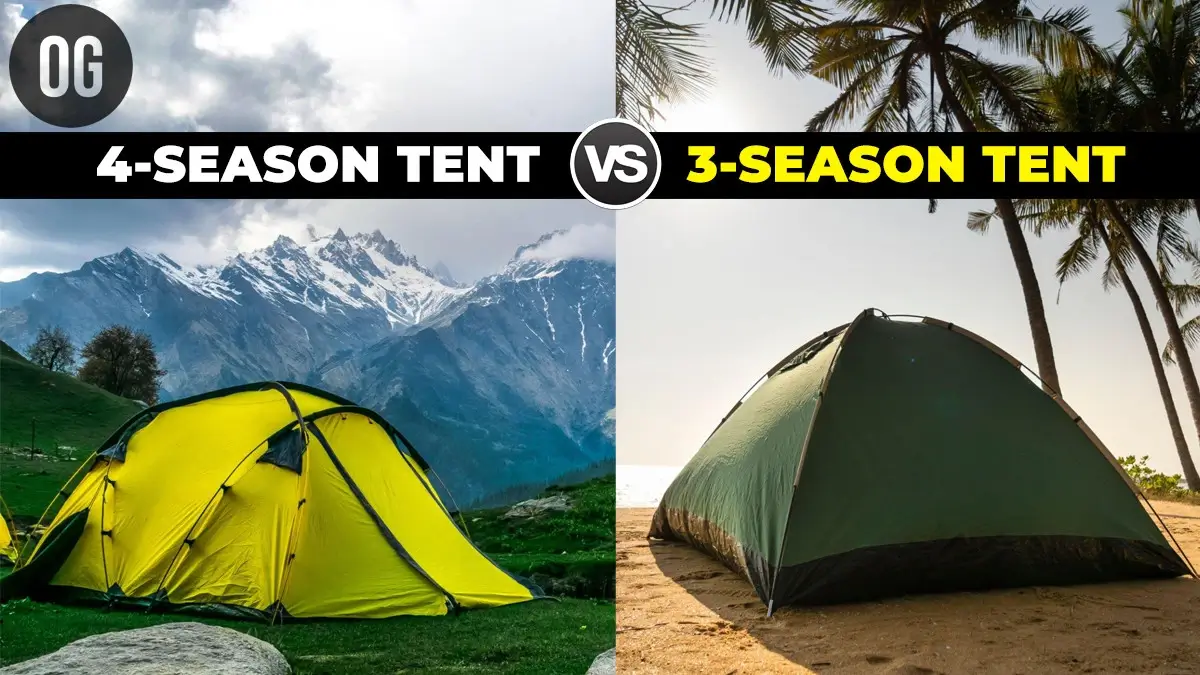
The technological compromises and advantages of a 3-season tent become clearest when contrasted with specialized alternatives. A 4-season tent, designed for extreme winter conditions, features heavier, more robust pole structures (often multiple, thicker poles), minimal mesh (prioritizing insulation), and fabrics with very high denier counts and hydrostatic ratings. Its design prioritizes insulation and snow-load bearing capacity over ventilation and lightweight portability, making it significantly heavier and often over-engineered for mild conditions.
Conversely, a summer-only tent (or ultralight backpacking tent) prioritizes minimal weight and maximum ventilation. It often features extensive mesh, lighter poles, and less robust fabrics and waterproofing, making it susceptible to cold temperatures, strong winds, and heavy rain. The 3-season tent slots precisely in between these extremes, utilizing a thoughtful blend of material technology, structural engineering, and ventilation design to achieve its versatile performance profile—light enough for backpacking, strong enough for multi-day trips in variable weather, and breathable enough for warm summer nights, yet not capable of extreme cold or high-altitude mountaineering.
Smart Design for Packability and Setup
Modern 3-season tents incorporate numerous intelligent design elements that significantly enhance user experience, particularly concerning packability and ease of setup. Advanced pole hub systems and color-coded poles and sleeves/clips streamline the pitching process, allowing for rapid deployment even in challenging conditions. Manufacturers utilize precise fabric cutting and seam construction to reduce bulk when packed, often using compression sacks made from durable, lightweight materials to achieve minimal packed volume.
Features like integrated gear lofts, multiple internal pockets, and lantern loops are not merely conveniences; they are results of thoughtful interior design that maximizes usable space and organization. Groundsheets (footprints) are often designed to integrate seamlessly with the tent, offering an additional layer of floor protection from abrasion and moisture without adding significant weight. Reflective guylines and zipper pulls enhance visibility in low light, adding a safety dimension often overlooked but critical in the field. These small yet impactful design choices, rooted in user-centric engineering, collectively elevate the functionality and overall utility of a 3-season tent, making it a highly adaptable piece of outdoor technology.
aViewFromTheCave is a participant in the Amazon Services LLC Associates Program, an affiliate advertising program designed to provide a means for sites to earn advertising fees by advertising and linking to Amazon.com. Amazon, the Amazon logo, AmazonSupply, and the AmazonSupply logo are trademarks of Amazon.com, Inc. or its affiliates. As an Amazon Associate we earn affiliate commissions from qualifying purchases.