
For investors and collectors alike, the $20 gold piece—often referred to as the “Double Eagle”—represents one of the most iconic symbols of American financial history. These coins are not merely relics of a bygone era; they are high-value assets that combine the stability of precious metals with the soaring potential of numismatic rarity. If you have come across one of these coins or are considering adding them to your portfolio, understanding their true worth requires a deep dive into the dual worlds of bullion markets and historical appraisal.
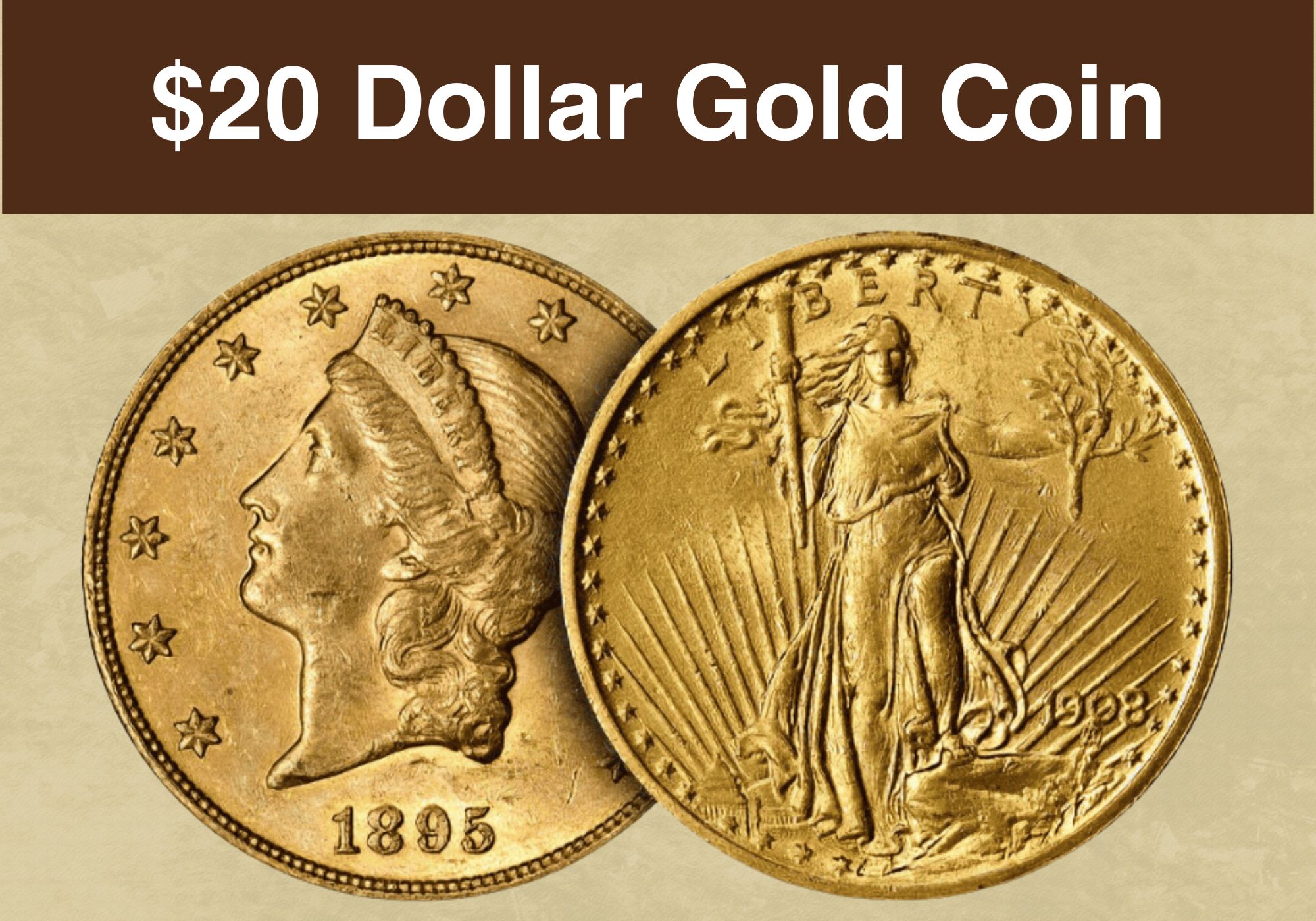
The value of a $20 gold piece is never static. It fluctuates based on the global spot price of gold, the specific historical significance of the coin’s minting, and its physical condition. To determine what a $20 gold piece is worth today, one must look beyond the face value stamped on the metal and evaluate the coin through the lens of a sophisticated investor.
Understanding the Dual Pillars of Value: Intrinsic vs. Numismatic
When assessing the worth of a $20 gold piece, professional appraisers and financial advisors look at two distinct categories: intrinsic (or “melt”) value and numismatic (or “collector”) value. These two factors create a floor and a ceiling for the coin’s market price.
The Intrinsic Value and Gold Content
At its most basic level, a $20 gold piece is valued for its raw metal content. All United States $20 gold coins minted between 1849 and 1933 contain 0.9675 troy ounces of pure gold. Because they were intended for circulation, they were alloyed with 10% copper for durability, making them 21.6-karat (90% pure) gold.
To calculate the intrinsic value, you multiply the current spot price of gold per ounce by 0.9675. For instance, if gold is trading at $2,400 per ounce, the “melt value” of a Double Eagle is approximately $2,322. This figure represents the absolute minimum the coin is worth. Regardless of the coin’s condition, it will always be worth its weight in gold, providing a powerful hedge against inflation and currency devaluation.
The Numismatic Premium
While the gold content provides a safety net, the numismatic premium provides the profit potential. Numismatic value is determined by rarity, historical significance, and the “grade” or condition of the coin. A common-date $20 gold piece in circulated condition might trade for only a small percentage above its gold value. However, a rare date or a coin in “Mint State” (uncirculated) condition can command prices in the tens or even hundreds of thousands of dollars.
For example, a common 1904 Liberty Head might sell for a 5-10% premium over spot, while a rare 1927-D Saint-Gaudens Double Eagle can fetch over $1 million at auction due to its extreme scarcity.
The Two Iconic Series: Liberty Head and Saint-Gaudens
The $20 gold piece was produced in two primary designs, each with its own market dynamics and historical appeal. Knowing which variety you hold is the first step in determining its worth.
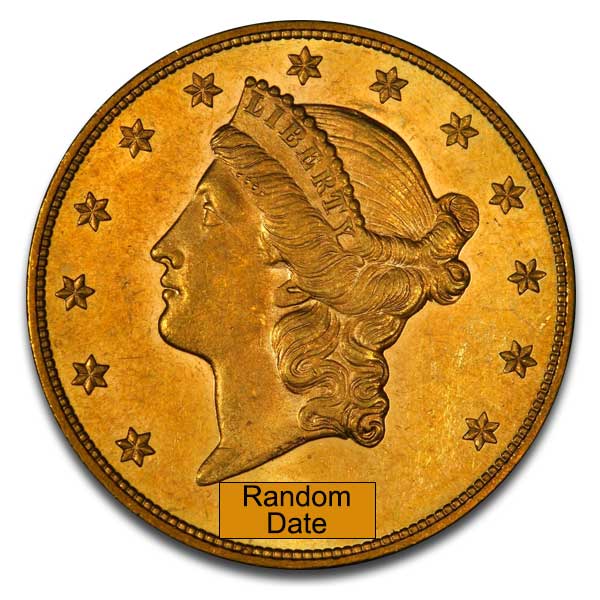
The Liberty Head Double Eagle (1849–1907)
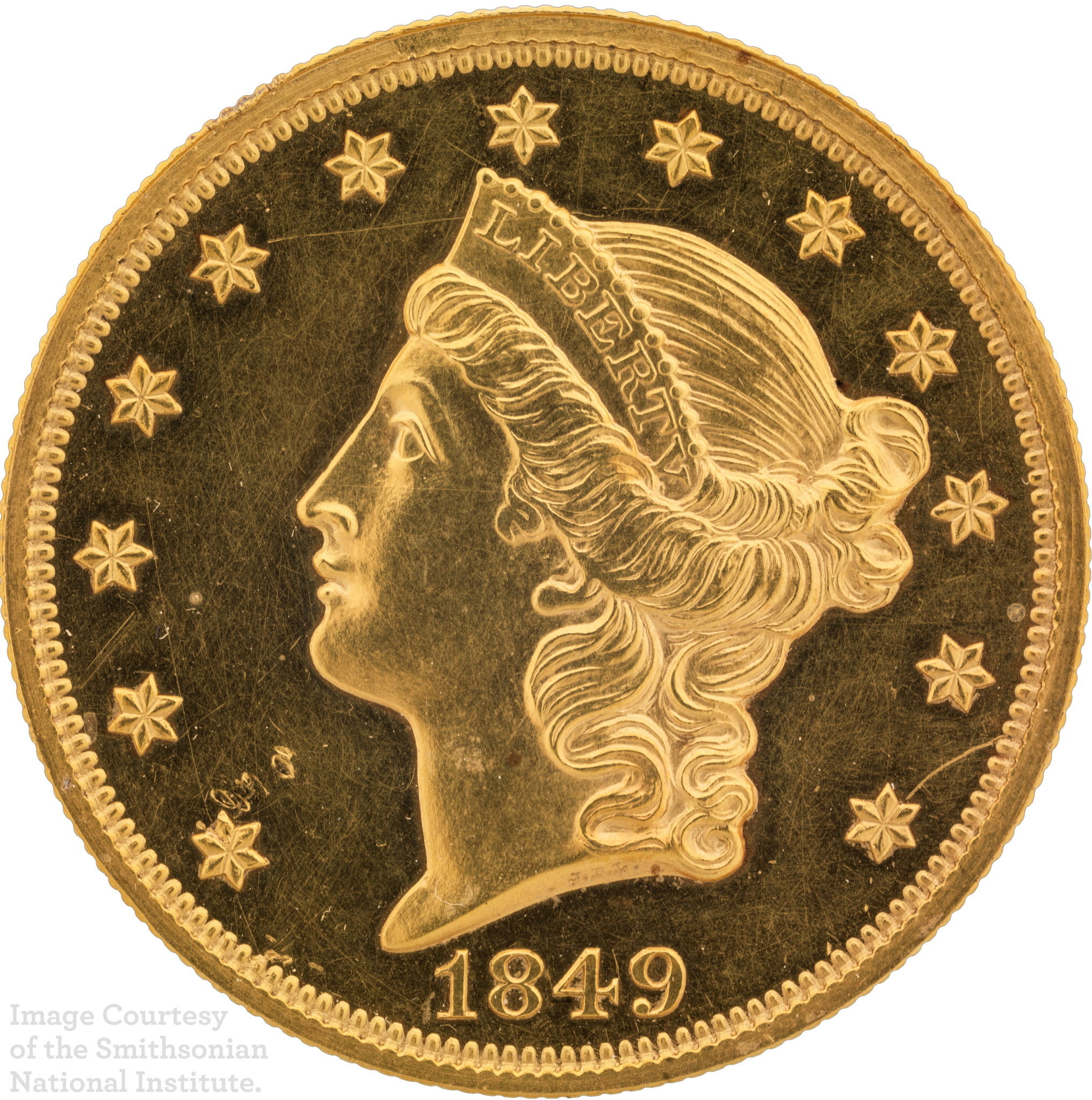
The Liberty Head, designed by James B. Longacre, was born out of the California Gold Rush. As massive amounts of gold flowed from the West, the U.S. Mint needed a larger denomination than the existing $10 “Eagle.” These coins are categorized into three “Types”:
- Type 1 (1849–1866): No motto on the reverse.
- Type 2 (1866–1876): “In God We Trust” added above the eagle.
- Type 3 (1877–1907): The denomination changed from “Twenty D.” to “Twenty Dollars.”
Type 1 coins, particularly those minted in San Francisco during the mid-1800s, often carry high premiums because they are linked to the era of the Old West and shipwrecks.
The Saint-Gaudens Double Eagle (1907–1933)
Widely considered the most beautiful coin in American history, the Saint-Gaudens $20 gold piece was commissioned by President Theodore Roosevelt. Roosevelt wanted American coinage to reflect the grandeur of ancient Greek art. The resulting design features Lady Liberty walking boldly forward with a torch and olive branch, while the reverse depicts a soaring eagle.
While many of these coins were melted down following the Gold Reserve Act of 1934, those that survived—especially those held in European bank vaults for decades—are highly prized. The 1933 version is the “Holy Grail” of numismatics; only one is legally allowed for private ownership, and it sold for over $18 million in 2021.
Key Factors That Influence Market Valuation
For a person looking to sell or buy, the price isn’t just about the date. Several nuanced factors can swing the value of a $20 gold piece by thousands of dollars.
The Impact of Professional Grading (PCGS and NGC)
In the modern market, the worth of a gold piece is largely dictated by its “grade.” This is a numerical score from 1 to 70 assigned by independent bodies like the Professional Coin Grading Service (PCGS) or the Numismatic Guaranty Company (NGC).
- Circulated Grades (VF, XF, AU): These coins show signs of wear. They are usually bought by investors who want gold with a bit of history.
- Mint State (MS-60 to MS-70): These coins have never been in circulation and retain their original mint luster.
A single grade point difference (e.g., MS-64 vs. MS-65) can double the price of the coin because high-grade survivors are significantly rarer.
Mint Marks and Mintage Figures
Where a coin was made is just as important as when it was made. The small “mint mark” (found on the reverse) indicates the branch of the U.S. Mint that produced the coin:
- CC (Carson City): Generally the most valuable due to low production numbers.
- S (San Francisco) and D (Denver): Often produced in large quantities, but specific years can be rare.
- O (New Orleans) and P (Philadelphia): Also have specific rarities that collectors hunt for.
Low mintage years—years where the government produced fewer coins—naturally command higher prices due to the basic economic principle of supply and demand.
Investing in Gold Pieces: Strategic Considerations
From a personal finance perspective, adding $20 gold pieces to a portfolio is a sophisticated way to diversify. Unlike digital assets or stocks, these coins represent “hard money” with a tangible history.
Gold Coins as an Inflation Hedge
Historically, gold has maintained its purchasing power over centuries. A $20 gold piece in 1900 could buy a high-end suit and a lavish dinner. Today, the $2,300+ value of that same coin can still buy a high-end suit and a lavish dinner. Paper currency, however, has lost over 95% of its value in that same timeframe. For those looking to preserve wealth across generations, these coins are an essential tool.
Liquidity and Portability
One of the reasons the $20 gold piece remains popular among high-net-worth individuals is its liquidity. Because these coins are recognized globally, they can be sold to almost any gold dealer or coin shop in the world. They are also highly portable; a small tube of twenty $20 gold pieces can represent over $45,000 in wealth that can fit in a jacket pocket.
Avoiding Counterfeits and Scams
The high value of $20 gold pieces makes them a target for counterfeiters. Modern fakes can be very convincing, often using real gold but mimicking rare dates. To protect your investment, only purchase coins that have been “slabbed” (certified and encased) by PCGS or NGC. Additionally, when selling, avoid “We Buy Gold” kiosks at malls, which typically pay only a fraction of the gold’s melt value and ignore the numismatic premium entirely. Instead, work with reputable numismatic auction houses or established bullion dealers.
Conclusion: The Timeless Value of the Double Eagle
Determining what a $20 gold piece is worth is an exercise in balancing history with modern economics. While the intrinsic value of the gold provides a solid foundation for your investment, the historical narrative and the rarity of the coin provide the potential for exponential growth.
Whether you are a collector captivated by the artistry of Augustus Saint-Gaudens or a pragmatic investor seeking a hedge against market volatility, the $20 gold piece remains one of the most prestigious and reliable assets in the world. As global economic conditions shift, the “Double Eagle” continues to stand as a testament to the enduring power of gold and the rich heritage of American finance. Always ensure you do your due diligence, verify the grade of your coins, and keep a close eye on the spot price of gold to truly understand the fluctuating, yet formidable, value of these golden treasures.
aViewFromTheCave is a participant in the Amazon Services LLC Associates Program, an affiliate advertising program designed to provide a means for sites to earn advertising fees by advertising and linking to Amazon.com. Amazon, the Amazon logo, AmazonSupply, and the AmazonSupply logo are trademarks of Amazon.com, Inc. or its affiliates. As an Amazon Associate we earn affiliate commissions from qualifying purchases.