
A first mortgage stands as the cornerstone of homeownership for the vast majority of individuals and families. It represents the primary financial instrument used to purchase real estate, acting as a secured loan where the property itself serves as collateral. Understanding the intricacies of a first mortgage is not merely about deciphering financial jargon; it’s about grasping the fundamental mechanism that enables property acquisition and the critical implications for a homeowner’s financial standing and security.
Defining the 1st Mortgage: The Foundation of Homeownership
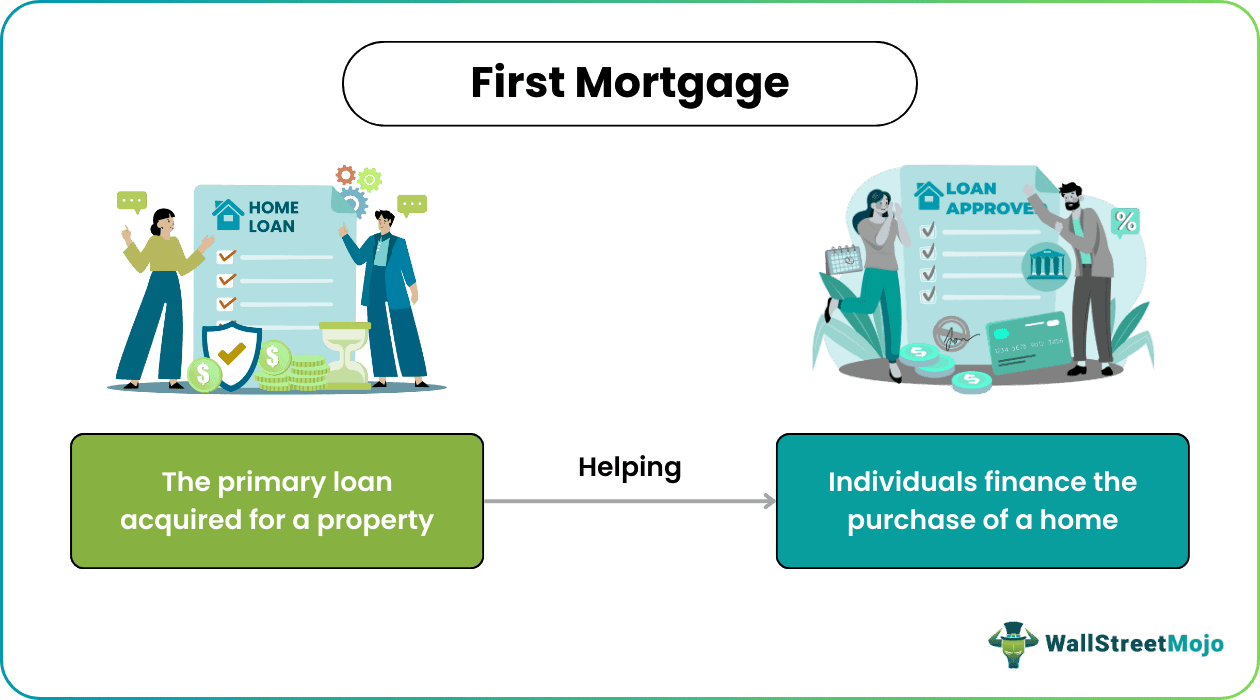
At its core, a mortgage is a loan specifically taken out to finance the purchase of real estate. What differentiates a “first” mortgage from other types of property-related debt is its lien position. When a lender provides a first mortgage, they place a primary lien on the property. This lien is a legal claim or right against assets that are used to satisfy a debt. In simpler terms, it designates the lender as having the primary claim on the property if the borrower fails to meet their repayment obligations, leading to a default and potential foreclosure.
This “first” position is paramount because it dictates the order in which creditors are paid from the proceeds of a property sale, especially in distress scenarios like foreclosure or bankruptcy. The first mortgage lender holds senior priority, meaning they are the first to be repaid in full before any other subsequent creditors with junior liens can collect. This superior position significantly reduces the risk for the lender, which in turn typically allows them to offer more favorable interest rates and terms compared to loans with lower priority. For most homeowners, the first mortgage represents the largest and most significant financial obligation tied to their property.
Key Characteristics and Importance
The characteristics of a first mortgage are designed to provide both the borrower and the lender with a clear framework for the home financing agreement. These attributes underpin its central role in the real estate market.
Collateral and Lien Priority
As established, the purchased property itself acts as the collateral for the first mortgage. This means that if the borrower defaults on their payments, the lender has the legal right to seize and sell the property to recover their losses. The first lien position ensures that this primary lender’s claim is satisfied before any other creditors who might also have claims against the property, such as second mortgage holders, home equity line of credit (HELOC) providers, or even some tax authorities or contractors (depending on specific state laws and recording dates). This prioritization is fundamental to the stability of the mortgage lending industry.
Interest Rates and Loan Terms
First mortgages typically come with a variety of interest rate structures and repayment terms:
- Fixed-Rate Mortgages (FRMs): The interest rate remains constant for the entire duration of the loan, providing predictable monthly principal and interest payments. This stability is highly valued by many homeowners, especially in periods of rising interest rates. Common terms are 15-year and 30-year, though others exist. Shorter terms generally mean higher monthly payments but less total interest paid over the life of the loan.
- Adjustable-Rate Mortgages (ARMs): The interest rate is fixed for an initial period (e.g., 3, 5, 7, or 10 years) and then adjusts periodically based on a predetermined index plus a margin. ARMs often offer lower initial interest rates than FRMs, making them attractive for borrowers who plan to sell or refinance before the rate adjusts, or who anticipate higher income in the future. However, they carry the risk of increased payments if interest rates rise.
Interest rates for first mortgages are generally more competitive than those for junior liens due to the reduced risk profile for the primary lender. The specific rate a borrower receives is influenced by prevailing market conditions, the borrower’s creditworthiness, down payment size, and the chosen loan term.
Principal, Interest, Taxes, and Insurance (PITI)
A typical monthly mortgage payment often encompasses more than just the repayment of the loan principal and the accrued interest. It frequently includes:
- Principal: The portion of the payment that goes towards reducing the outstanding loan balance.
- Interest: The cost of borrowing money, calculated as a percentage of the remaining principal.
- Taxes: Property taxes, often collected by the lender and held in an escrow account, then paid to the local taxing authority on the homeowner’s behalf.
- Insurance: Homeowner’s insurance, also frequently escrowed, which protects the property against damage and liability. Lenders require this to safeguard their collateral.
- Private Mortgage Insurance (PMI): If the borrower puts down less than 20% of the home’s purchase price, lenders typically require PMI. This protects the lender in case of default and is usually canceled once sufficient equity is built.
Loan Types
The landscape of first mortgages offers several loan types tailored to different borrower needs and financial situations:
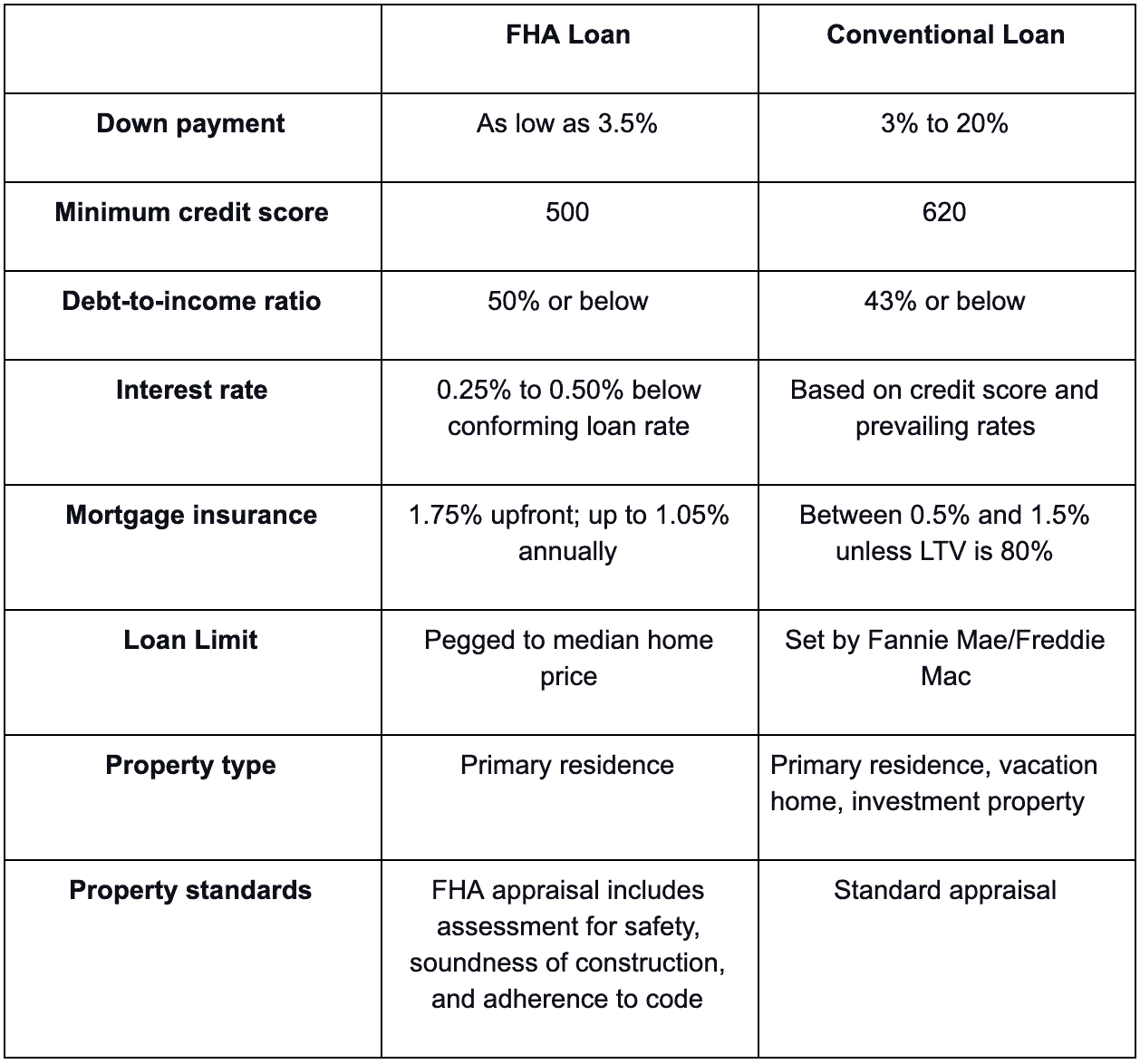
- Conventional Loans: These are not insured or guaranteed by the government. They conform to lending limits set by government-sponsored enterprises (GSEs) like Fannie Mae and Freddie Mac, which purchase these loans from originators. They typically require good credit and a stable financial history.
- Government-Backed Loans:
- FHA Loans: Insured by the Federal Housing Administration, these loans are popular for first-time homebuyers or those with lower credit scores, allowing for lower down payments (as little as 3.5%). They require mortgage insurance premiums (MIP) for the life of the loan or a significant period.
- VA Loans: Guaranteed by the Department of Veterans Affairs, these are available to eligible active-duty military personnel, veterans, and surviving spouses. They often require no down payment and no private mortgage insurance, making them highly advantageous.
- USDA Loans: Backed by the U.S. Department of Agriculture, these loans aim to promote homeownership in rural areas. They also typically require no down payment for eligible borrowers and properties.
How a 1st Mortgage Works: The Process
Obtaining a first mortgage is a multi-step process that involves thorough due diligence from both the borrower and the lender.
Application and Pre-Approval
The journey begins with an application. Borrowers provide extensive financial documentation, including income statements, tax returns, bank statements, and credit history. Lenders use this information to assess the borrower’s creditworthiness and ability to repay the loan. A pre-approval is a crucial early step, where the lender conditionally agrees to lend a specific amount based on a preliminary review of the borrower’s finances. This gives the borrower a clear budget and strengthens their offer when purchasing a home.
Underwriting
Once a property is under contract, the loan moves into underwriting. This is where the lender’s underwriting team conducts a deep dive into the borrower’s financial profile and the property itself. Key areas of review include:
- Creditworthiness: A detailed examination of credit scores, payment history, and existing debt.
- Income and Employment Stability: Verification of steady income and employment to ensure consistent repayment capacity.
- Debt-to-Income (DTI) Ratio: Calculation of the percentage of gross monthly income that goes towards debt payments, a critical indicator of affordability.
- Assets: Review of savings, investments, and other assets that can be used for the down payment and closing costs.
- Property Appraisal: An independent appraisal determines the fair market value of the property, ensuring it’s worth the loan amount. This protects the lender from over-lending on a property.
- Title Search: A comprehensive review of public records to confirm the seller’s legal ownership and identify any existing liens or encumbrances on the property.
Closing
The closing, or settlement, is the final stage where all parties sign the necessary legal documents and the ownership of the property officially transfers to the buyer. Key activities at closing include:
- Document Signing: The borrower signs the promissory note (the promise to repay the loan) and the mortgage deed (which grants the lender a lien on the property).
- Fund Transfer: The lender disburses the loan funds, which are then used to pay the seller, real estate agents, and other closing costs.
- Recording the Lien: The mortgage deed is recorded with the local county recorder’s office. This public record officially establishes the lender’s first lien position on the property, providing legal notice to any future creditors.
Loan Servicing
After closing, the loan is typically serviced, meaning a company (which may or may not be the original lender) collects monthly payments, manages escrow accounts for taxes and insurance, handles customer service inquiries, and processes any modifications or defaults.
Distinguishing 1st vs. 2nd Mortgages and Other Liens
Understanding the “first” in first mortgage requires a clear distinction from other forms of property-secured debt.
Second Mortgages (Junior Liens)
A second mortgage is a separate loan taken out against the equity in a home that is already encumbered by a first mortgage. Examples include home equity loans (HELs) and home equity lines of credit (HELOCs). The defining characteristic of a second mortgage is its subordinate lien position. This means that in the event of a foreclosure or property sale, the second mortgage lender will only be repaid after the first mortgage lender has been fully satisfied. Due to this increased risk, second mortgages typically come with higher interest rates than first mortgages.
Other Liens
Various other types of liens can be placed against a property, though most are subordinate to a properly recorded first mortgage. These can include:
- Tax Liens: Filed by government entities for unpaid property taxes or other municipal assessments. In some jurisdictions, these can take priority over even a first mortgage.
- Mechanic’s Liens: Filed by contractors or suppliers who haven’t been paid for work or materials provided for property improvements.
- Judgment Liens: Arise from court judgments against the property owner.
The recording date of these liens often dictates their priority relative to each other and to the first mortgage, making the recording of the first mortgage a critical step to secure its senior position.
Factors Influencing Your 1st Mortgage
The terms and accessibility of a first mortgage are highly dependent on a range of financial and market factors.
Borrower-Specific Factors
- Credit Score: A higher credit score (generally 740+) indicates a lower credit risk to lenders, leading to better interest rates and more favorable loan terms.
- Down Payment: A larger down payment reduces the loan amount, lowers the loan-to-value (LTV) ratio, and can eliminate the need for Private Mortgage Insurance (PMI) on conventional loans. It signals greater financial commitment and lower risk to the lender.
- Debt-to-Income (DTI) Ratio: Lenders assess both your “front-end” DTI (housing expenses as a percentage of gross income) and “back-end” DTI (total monthly debt payments as a percentage of gross income). A lower DTI indicates greater capacity to manage additional debt.
- Income Stability and Employment History: Lenders prefer borrowers with a consistent, verifiable income source and a stable employment history, typically two years in the same line of work.
- Assets and Reserves: Having savings or other liquid assets shows a lender that you have a financial cushion to fall back on in case of unforeseen circumstances.

Property and Market Factors
- Property Type and Condition: The type of property (single-family home, condo, multi-family) and its overall condition can influence the appraisal, lender’s risk assessment, and ultimately the loan terms.
- Location: Economic stability, growth prospects, and housing market trends in the property’s location can affect its appraisal and the lender’s willingness to lend.
- Current Interest Rates: The broader economic environment, including the Federal Reserve’s monetary policy and the bond market, dictates prevailing interest rates. Fluctuations can significantly impact affordability and monthly payments. Lenders price their mortgages based on these market rates plus their own spread.
- Loan-to-Value (LTV) Ratio: This is the ratio of the loan amount to the home’s appraised value. A higher LTV (e.g., above 80%) often means higher risk for the lender and may require PMI.
In conclusion, a first mortgage is more than just a loan; it’s a legally defined financial agreement that establishes primary ownership claim for a lender, enabling individuals to achieve homeownership. Its senior lien position makes it the most secure form of property-backed debt, leading to more favorable terms for borrowers. Understanding its mechanics, from application to closing, and the factors that influence it, is essential for anyone navigating the complex world of real estate finance.
aViewFromTheCave is a participant in the Amazon Services LLC Associates Program, an affiliate advertising program designed to provide a means for sites to earn advertising fees by advertising and linking to Amazon.com. Amazon, the Amazon logo, AmazonSupply, and the AmazonSupply logo are trademarks of Amazon.com, Inc. or its affiliates. As an Amazon Associate we earn affiliate commissions from qualifying purchases.