
Understanding the precise degrees of kinship within a family tree is often considered a genealogical curiosity, but in the realm of personal and business finance, these distinctions can carry significant weight. The definition of a “1st cousin 1x removed” is not just a semantic detail; it can directly influence estate planning, inheritance distribution, family business succession, and even tax obligations. For financial professionals and individuals navigating complex family financial landscapes, clarity on such relationships is paramount to avoid ambiguity, disputes, and unintended financial consequences. This article will explore the definition through a financial lens, highlighting its critical relevance across various monetary domains.
The Financial Imperative of Precise Kinship Definitions
The intricacies of family relationships extend far beyond social circles when substantial assets, generational wealth, or business control are at stake. Pinpointing the exact connection, such as identifying a “1st cousin 1x removed,” becomes a fundamental step in robust financial planning. This specificity ensures that intentions are legally sound, tax efficiencies are maximized, and potential conflicts are mitigated before they arise.
Deconstructing the Term: Degrees of Relationship for Financial Clarity
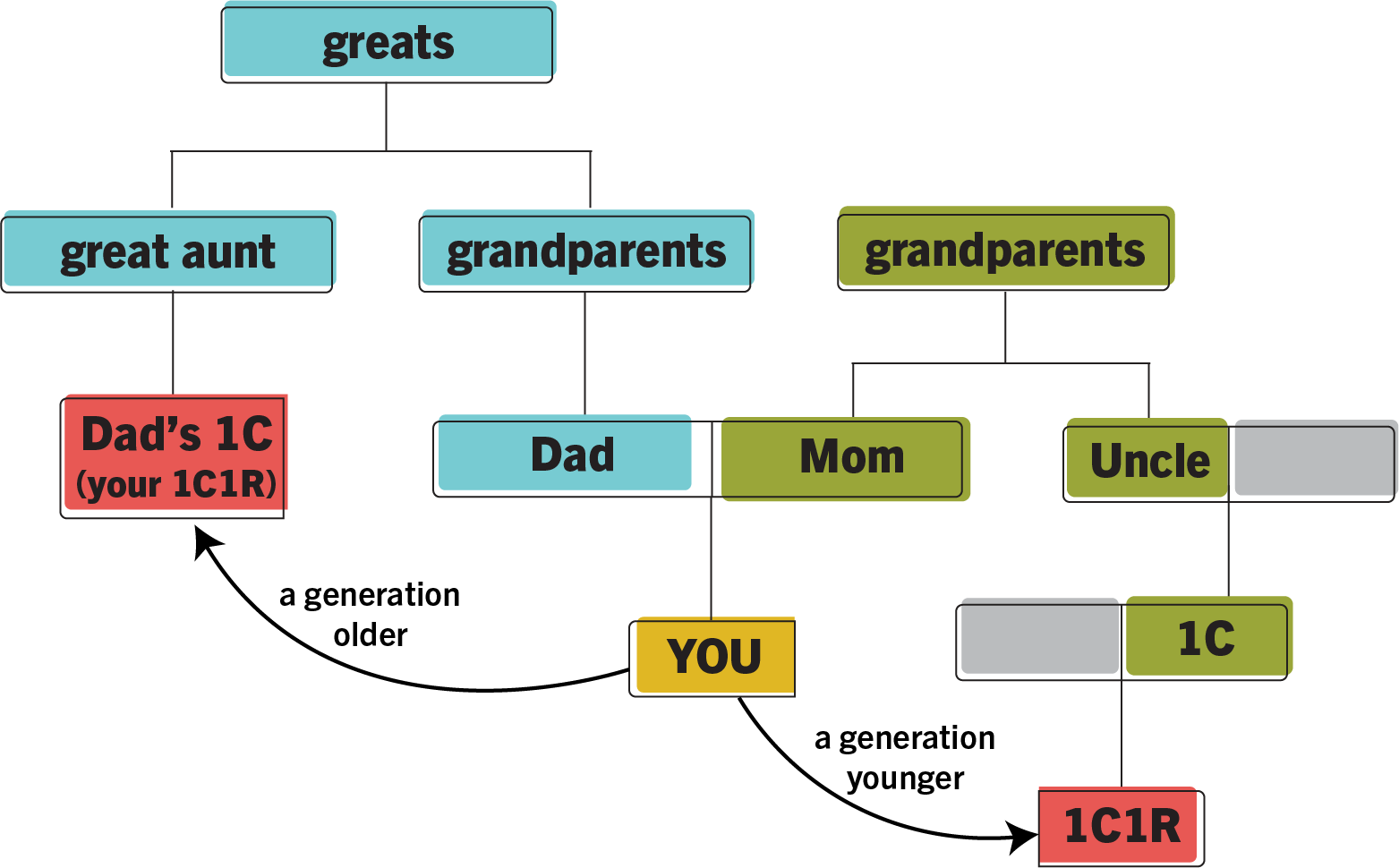
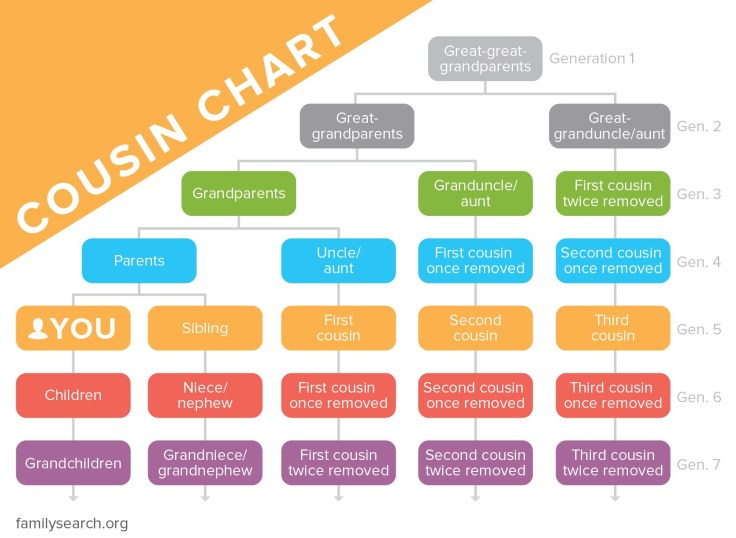
To grasp the financial implications, one must first understand the relationship itself. A “1st cousin” is the child of your parent’s sibling (your aunt or uncle). They share a common set of grandparents with you.
The term “removed” signifies a generational difference.
- A 1st cousin once removed can refer to two distinct relationships:
- Your 1st cousin’s child: This individual is one generation below your 1st cousin, and therefore one generation below you. They share a common set of great-grandparents with you.
- Your parent’s 1st cousin: This individual is one generation above you, being the child of your great-aunt or great-uncle. They also share a common set of great-grandparents with you.
In essence, “once removed” means there is a one-generation difference between you and the cousin in question. If you are two generations apart, they would be “twice removed,” and so on. This seemingly simple definition carries significant weight when drafting legal documents or interpreting financial rules that rely on family lineage.
Why This Specificity Matters in Financial Contexts
The need for this level of detail arises in several key financial areas:
- Estate Distribution: Who inherits assets when a will is vague or absent?
- Family Business Governance: Who has a claim to ownership or leadership roles in a multi-generational enterprise?
- Taxation: Are certain gifts or inheritances subject to different tax rates based on the recipient’s relationship to the deceased or donor?
- Financial Aid and Philanthropy: Do extended family members qualify for specific trusts, scholarships, or family foundation grants?
Without precise definitions, financial plans can unravel, leading to costly legal battles, unforeseen tax burdens, and the potential erosion of family wealth.
Estate Planning and Inheritance: Defining Beneficiaries Beyond the Immediate Family
Estate planning is the bedrock of preserving and transferring wealth, and the definition of a “1st cousin 1x removed” plays a surprisingly pivotal role, especially in complex family structures or when an estate is substantial.
The Nuances of Wills, Trusts, and Discretionary Beneficiaries
When drafting a will or establishing a trust, clarity on beneficiaries is paramount. While most people name spouses, children, or direct descendants, many also wish to include more distant relatives. A poorly defined will that simply states “to my cousins” could lead to ambiguity if the testator has 1st cousins, 2nd cousins, 1st cousins once removed, and so on. This ambiguity can invite costly litigation and potentially distribute assets contrary to the deceased’s true intentions.
- Preventing Disputes: Explicitly naming individuals, or clearly defining categories like “all living 1st cousins once removed,” ensures that there is no room for interpretation or challenge regarding who should inherit.
- Use Cases for Inclusion: Some individuals may have no closer living relatives, or they may have a particularly strong bond with a 1st cousin once removed. They might wish to allocate specific assets, heirlooms, or a portion of their estate to these individuals, underscoring the need for their clear identification in legal documents.
- Legal Counsel’s Role: Experienced estate attorneys are crucial in translating personal wishes into legally binding language, advising on the specific terminology needed to accurately reflect beneficiary intentions, particularly for extended family members.
Intestacy Laws: When the State Defines Your Beneficiaries
Perhaps even more critical is the scenario where an individual dies without a valid will (intestate). In such cases, state laws of intestacy dictate how assets are distributed. These laws typically follow a hierarchical structure, starting with spouses and direct descendants, then moving to parents, siblings, and then more distant relatives.
- Default Succession Chains: While a “1st cousin 1x removed” may not be at the top of the intestacy hierarchy, they can become eligible beneficiaries if closer relatives are deceased, disclaim their inheritance, or if the deceased had no immediate family. Understanding this default distribution chain is vital for anyone considering their potential inheritance or planning for the unexpected.
- Impact on Asset Distribution: Without a will, assets may be distributed to relatives whom the deceased had no close relationship with, potentially overlooking closer friends or charitable causes. Conversely, a 1st cousin once removed who was a close confidante might be excluded if more distant, lesser-known relatives are prioritized by intestacy laws. This underscores the financial risk of not having a clear estate plan.
Gifting and Inheritance Tax Considerations
Tax laws related to inheritance and gifting can vary significantly based on the relationship between the donor/deceased and the recipient. In some jurisdictions, gifts or inheritances to direct descendants might be subject to lower taxes or higher exemption thresholds than those to more distant relatives.
- Varying Tax Rates: Knowing the exact relationship can help an estate executor or beneficiary understand the potential tax implications. For example, some states may impose an inheritance tax on beneficiaries outside a specific degree of kinship, which could include 1st cousins once removed, while exempting immediate family.
- Strategic Planning: For individuals engaging in lifetime gifting, understanding the gift tax exclusion limits and the relationship rules is essential. While annual gift tax exclusions often apply per recipient regardless of kinship, lifetime exemption amounts or state-specific inheritance taxes can differ. Strategic financial planning leverages these relationship definitions to minimize overall tax liabilities and ensure wealth transfer is as efficient as possible.

Family Enterprises: Governance, Ownership, and Succession for Extended Kin
In the world of family-owned businesses, kinship can be both a blessing and a curse. Defining roles, ownership, and succession pathways for extended family members, including “1st cousins 1x removed,” is crucial for long-term financial stability and avoiding internal strife.
Who Holds the Reins? Determining Ownership and Control
Multi-generational family businesses often evolve to include a broader array of relatives as shareholders, board members, or key employees. A “1st cousin 1x removed” might inherit shares, be brought into the business due to their skills, or even play a critical advisory role.
- Clear Corporate Governance: Robust shareholder agreements, operating agreements, and clear corporate bylaws are essential. These documents must explicitly define who owns what percentage of the company, voting rights, decision-making processes, and conditions for entry or exit from the business. Without such clarity, the inclusion of extended family can lead to conflicts over control and strategy, jeopardizing the company’s financial health.
- Preventing Dilution and Disputes: As family ownership expands, there’s a risk of share dilution or disagreements over dividends, reinvestment strategies, or management styles. Clearly outlining the rights and responsibilities of every family stakeholder, including 1st cousins once removed, helps to maintain control and prevent value destruction.
Succession Planning and Leadership Transitions
Successful family businesses plan for leadership transitions far in advance. This often involves identifying and grooming potential successors from within the family ranks.
- Broader Talent Pool: Looking beyond immediate children to include 1st cousins once removed can broaden the talent pool for future leadership. These individuals might bring fresh perspectives, diverse skills, or a strong commitment to the family legacy.
- Merit-Based Succession: While kinship is a factor, the most successful family businesses prioritize merit. A “1st cousin 1x removed” might be the most qualified candidate for a CEO role, but without a clear, objective succession plan that accounts for all family stakeholders, their ascension could be met with resistance from other family branches. The financial stability of the business depends on choosing the right leader, irrespective of their exact relation, while managing family expectations.
Managing Family Conflict and Financial Stability
The financial stakes in family businesses are often intertwined with personal emotions, making conflict resolution particularly challenging. Disputes among extended family members, including 1st cousins once removed, can be particularly destructive to the business’s financial health.
- Mechanisms for Resolution: Establishing family councils, independent advisory boards, or professional mediation services can provide neutral ground for discussing sensitive issues like profit distribution, reinvestment, or strategic direction. These mechanisms help separate personal grievances from sound business decisions.
- Protecting the Business: Ultimately, the goal is to protect the financial viability of the enterprise. Clear structures that define roles, responsibilities, and decision-making authority for all family members, including 1st cousins once removed, are crucial to ensure that personal conflicts do not destabilize the business financially.
Broader Financial Implications: Loans, Gifting, and Charitable Efforts
Beyond inheritance and business, understanding relationships like “1st cousin 1x removed” can impact day-to-day financial interactions, family support systems, and philanthropic endeavors.
Inter-Family Loans and Financial Support
It’s common for family members to provide financial assistance to one another, whether through formal loans or informal gifts. When these transactions involve extended relatives like a 1st cousin once removed, it’s particularly important to formalize the arrangements.
- Avoiding Misunderstandings: A loan between family members, especially if it’s substantial, should be documented with a promissory note, outlining interest rates, repayment schedules, and consequences for default. This prevents ambiguity and protects the financial interests of both parties.
- Tax Implications of Loans and Forgiveness: The IRS and other tax authorities may scrutinize informal loans that are later forgiven. If a loan to a 1st cousin once removed is forgiven, it could be considered a gift, potentially subject to gift tax rules if it exceeds annual or lifetime exclusions. Formalizing the loan and understanding these tax implications is crucial for both the lender and the borrower.
Philanthropy and Family Foundations
Many affluent families establish private foundations or charitable trusts to support causes important to them. These structures often define who can serve on the board of trustees or who can be a beneficiary of specific grants or scholarships.
- Governance and Beneficiaries: A family foundation might explicitly allow for 1st cousins once removed to sit on the board, ensuring diverse family representation and input into philanthropic strategy. Conversely, certain educational scholarships established by the foundation might be open to all descendants of a common ancestor, which would include 1st cousins once removed.
- Alignment with Family Values: Clear guidelines for participation and benefit ensure that the foundation’s charitable giving aligns with the family’s long-term values and financial goals, while meeting all legal and regulatory requirements.
Eligibility for Family-Specific Financial Programs or Aid
Less commonly, some specific financial programs, trust funds, or scholarships might be established for extended family members who meet certain criteria. These could be private funds set up by a distant relative decades ago.
- Specific Criteria: For example, a scholarship fund might state that it is available to “all direct descendants of John and Jane Doe, including their great-grandchildren.” A 1st cousin once removed would likely fit this criterion. Individuals need to understand their exact relation to qualify for such benefits.
- Maximizing Opportunities: Understanding one’s lineage and connections can open doors to financial opportunities that might otherwise be overlooked, underscoring the enduring financial relevance of knowing exactly “what is a 1st cousin 1x removed.”
In conclusion, the seemingly simple question “what is a 1st cousin 1x removed?” transcends basic genealogy. For individuals and families navigating the complexities of wealth management, estate planning, and business succession, a precise understanding of this and other kinship terms is a vital component of sound financial strategy, ensuring clarity, preventing disputes, and safeguarding generational wealth.
aViewFromTheCave is a participant in the Amazon Services LLC Associates Program, an affiliate advertising program designed to provide a means for sites to earn advertising fees by advertising and linking to Amazon.com. Amazon, the Amazon logo, AmazonSupply, and the AmazonSupply logo are trademarks of Amazon.com, Inc. or its affiliates. As an Amazon Associate we earn affiliate commissions from qualifying purchases.