
For many casual collectors or individuals stumbling upon a collection of inherited coins, the 1967 dime is a frequent point of confusion. It sits in a transitional period of American numismatic history—the years immediately following the federal government’s decision to remove silver from circulating coinage. Because of its place in this era, it is often held to a different standard than the coins minted just a few years prior. To understand the true value of a 1967 dime, one must look beyond mere face value and explore the complexities of metal composition, mint conditions, and the nuance of numismatic grading.
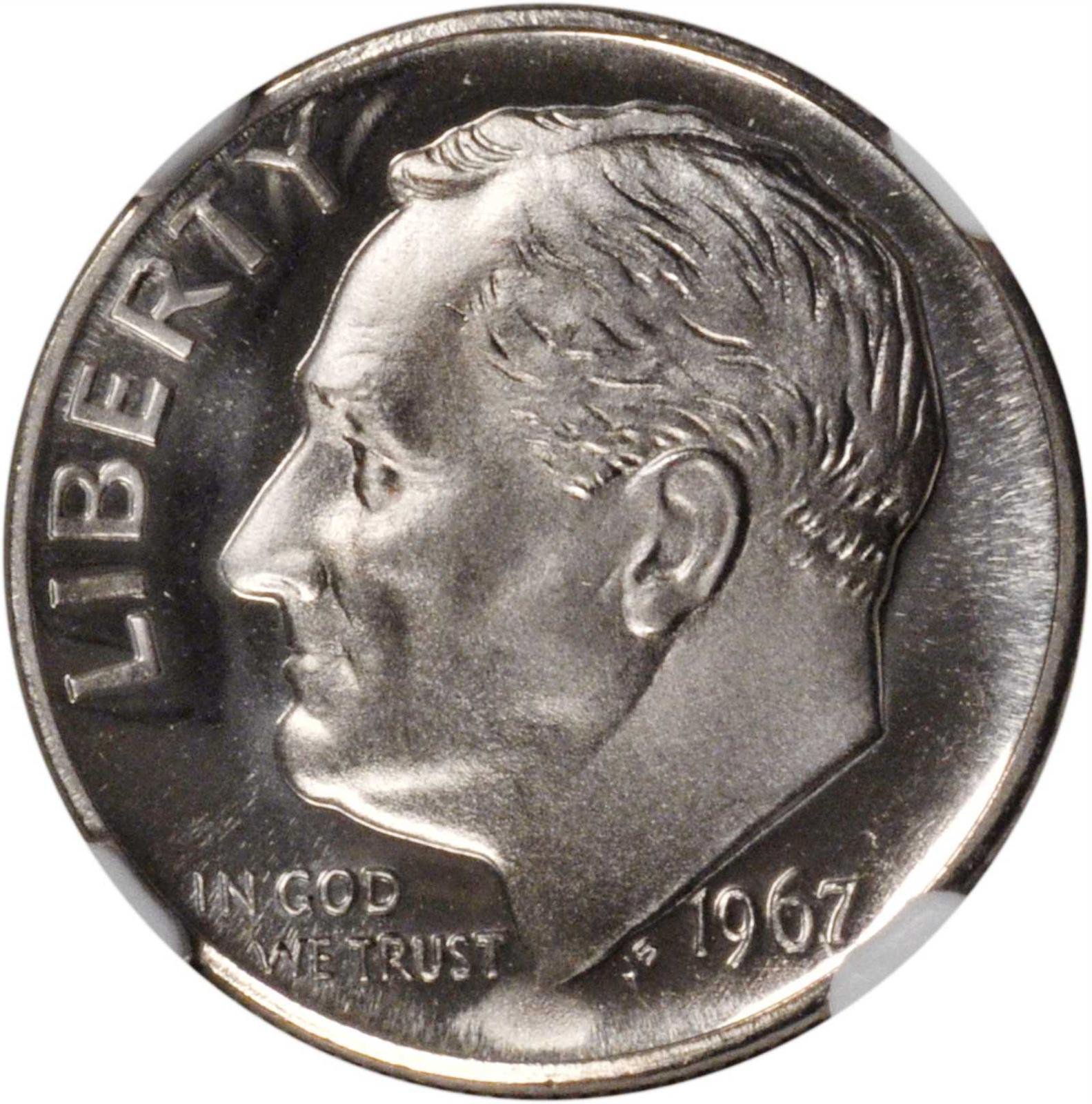
Understanding the Composition and Melt Value
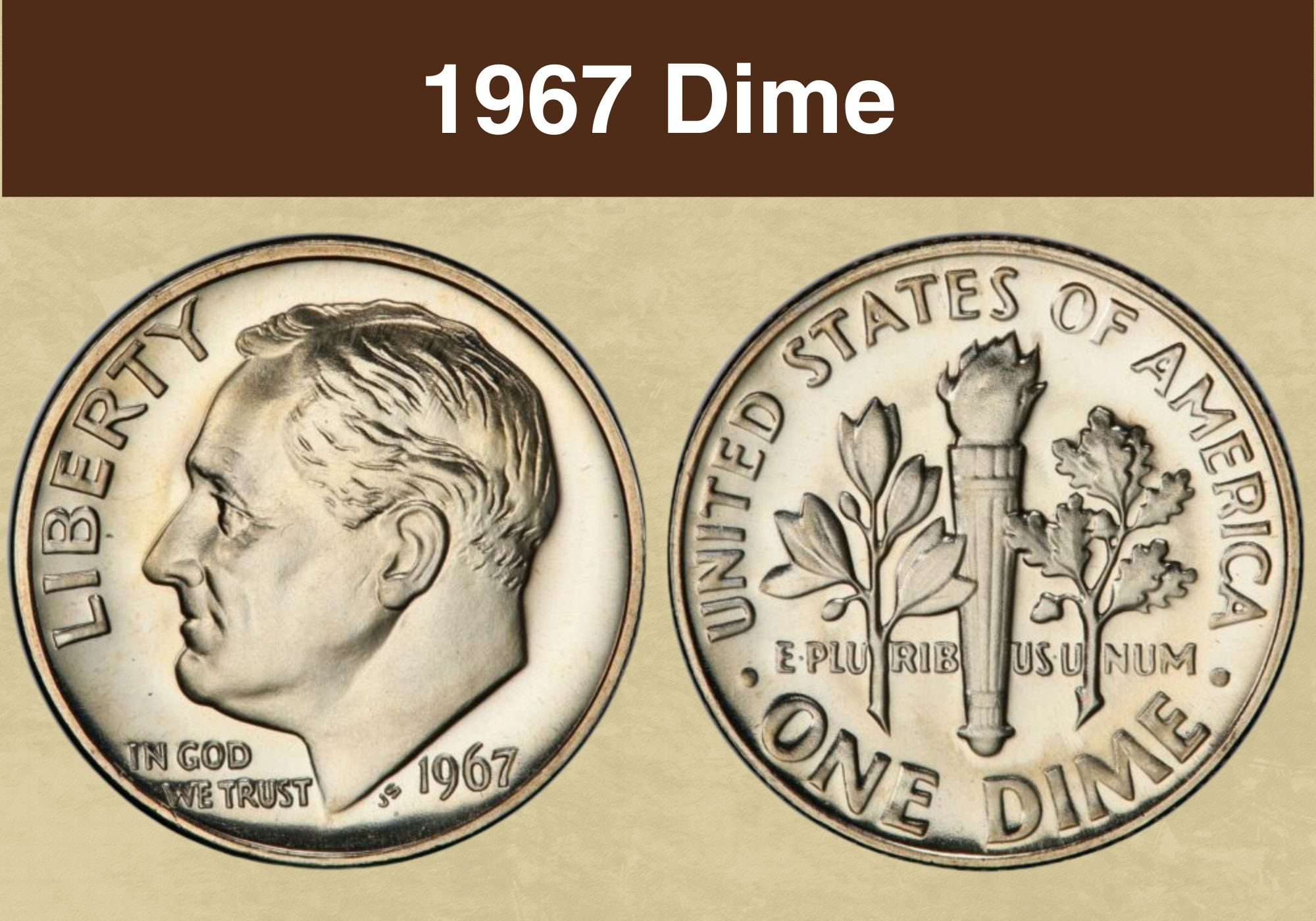
The most important factor for a novice collector to understand is that the 1967 dime contains zero silver. By 1965, the United States Mint had fully transitioned to a “clad” composition to address the rising cost of silver and the hoarding of silver coinage. A 1967 dime is composed of a core of pure copper sandwiched between two outer layers of cupro-nickel (75% copper and 25% nickel).
The End of the Silver Era
Prior to 1965, dimes were minted with 90% silver content. The Coinage Act of 1965 fundamentally changed this. Because the 1967 dime is composed entirely of base metals, its “melt value”—the value of the raw metal if the coin were melted down—is essentially equivalent to its face value. As of the current market, the copper and nickel within a standard 1967 Roosevelt dime are worth significantly less than the ten cents printed on its face. Unlike its silver predecessors, which carry an “intrinsic” value based on precious metal prices, the 1967 dime relies strictly on its purchasing power or its numismatic collectability.
The Role of Commodity Markets
While the 1967 dime has no silver, it is still influenced by the global commodities market. However, this influence is negligible for the average collector. The price of copper and nickel fluctuates, but because a dime contains only a fraction of a cent’s worth of these metals, there is no realistic scenario in which the melt value will exceed the face value. Consequently, unless a coin is exceptionally rare due to a minting error, its financial worth remains tethered to its ten-cent denomination.
Assessing Rarity and Mint Condition
While the 1967 dime is not a silver coin, this does not mean it is entirely devoid of collector interest. In the world of personal finance and investing, “worth” is often subjective. Numismatics—the study and collection of currency—assigns value based on supply, demand, and the physical state of the item.
The Impact of Grading
Condition is the primary determinant of value for modern coins. A 1967 dime that has been circulating in pockets and cash registers for over fifty years will almost never be worth more than ten cents. However, a “Mint State” (MS) coin—one that has never entered circulation and retains its original luster—can command a premium among collectors. Coins are graded on a scale of 1 to 70 (the Sheldon Scale). A coin graded MS-65 or higher, indicating that it is essentially flawless to the naked eye, can sometimes sell for several dollars at auction. While this is not a fortune, it represents a significant percentage increase over its face value.
Errors and Varieties
The most exciting prospects for collectors of 1967 dimes are “error coins.” Because the 1967 production run was massive, quality control occasionally slipped. Errors can turn a ten-cent piece into a sought-after rarity worth hundreds or even thousands of dollars.
- Off-Center Strikes: These occur when the coin planchet is not positioned correctly in the press, resulting in a design that is shifted to one side, leaving blank metal on the other.
- Die Caps: These happen when a coin sticks to the die and continues to strike subsequent planchets, creating a distorted, cup-shaped piece.
- Clad Layer Errors: Sometimes the outer nickel-copper layer peels away or fails to bond correctly during the minting process, leaving a dark copper core exposed.
If you suspect you have an error coin, the advice from financial experts is to avoid cleaning it. Cleaning a coin removes the patina and microscopic details, which almost always destroys any potential premium value. Instead, consult a professional numismatist or use a high-quality magnifying glass to compare your coin against verified error databases.
The 1967 Dime in a Broader Financial Context
When considering the 1967 dime as part of a personal financial strategy, it is important to categorize it correctly. It is not an “investment asset” in the way that gold bullion, stocks, or high-yield savings accounts are. It is a piece of Americana that serves better as a gateway to the hobby of collecting than as a vehicle for wealth accumulation.
Investment vs. Speculation
Investing implies a expectation of appreciation based on historical data and market demand. Speculating on pocket change, such as hoping to find a “miracle” error coin, is closer to gambling than investing. For those interested in precious metals, the focus should remain on pre-1965 “junk silver” coins (dimes, quarters, and half-dollars) which contain real, tangible bullion. If your goal is to build wealth, the time spent searching through rolls of 1967 dimes for rare varieties is often better spent on income-generating activities or traditional asset classes.
The Value of Financial Literacy
The story of the 1967 dime is, at its core, a lesson in inflation and currency history. It serves as a physical reminder of when the United States moved away from a hard-money standard toward the fiat currency system we use today. Understanding why your 1967 dime is worth ten cents—and why your 1964 dime is worth several dollars—is a foundational step in understanding how government policy impacts the value of money over time. It teaches collectors to look at the “why” behind the numbers, a trait that is essential for any successful investor.
Preserving and Identifying Potential Value
If you are determined to catalog a hoard of these coins, efficiency is key. Do not waste time scrutinizing every single 1967 dime unless you are searching for specific minting errors.
Systematic Sorting
Organize your collection by mint mark. The 1967 dime does not have a mint mark (they were produced in Philadelphia, which did not use marks during that specific period). If you find a 1967 dime with a mint mark, it is almost certainly a counterfeit or a mislabeled coin from a different year. Keeping your collection orderly allows you to identify anomalies quickly.
When to Seek Professional Appraisal
If you find a coin that appears to have an unusual weight, a strange color, or a physically distorted shape, the next step is to consult a third-party grading service. Companies such as PCGS (Professional Coin Grading Service) or NGC (Numismatic Guaranty Company) provide professional authentication. They can slab your coin—sealing it in a protective, tamper-evident plastic container—which provides a certified grade. A certified error coin is the only version of a 1967 dime that holds significant market value.

The Reality of Modern Collecting
Ultimately, the 1967 dime is a reminder that value is often defined by scarcity. Because millions were minted, they remain abundant. They are a common sight in penny jars and collections worldwide. While they hold a special place for history buffs and those who appreciate the aesthetic of the Roosevelt design, they are unlikely to become the cornerstone of a retirement portfolio. Treat them as a hobby, appreciate them for their history, and if you happen to find that one-in-a-million error, treat it as a lucky bonus rather than a financial strategy. The true value of the 1967 dime is the curiosity it inspires—the catalyst for a lifelong interest in economics, history, and the mechanics of the currency in our pockets.
aViewFromTheCave is a participant in the Amazon Services LLC Associates Program, an affiliate advertising program designed to provide a means for sites to earn advertising fees by advertising and linking to Amazon.com. Amazon, the Amazon logo, AmazonSupply, and the AmazonSupply logo are trademarks of Amazon.com, Inc. or its affiliates. As an Amazon Associate we earn affiliate commissions from qualifying purchases.