
The 1937 Wheat Penny is one of the most recognizable pieces of American numismatic history. For many, finding one in a dusty coin jar or an inherited collection sparks an immediate question: Is this just a common piece of copper, or have I stumbled upon a hidden treasure? While the 1937 penny is not the rarest coin in the Lincoln cent series, its value is determined by a complex interplay of condition, mint marks, and specific metallurgical characteristics.
Understanding the market for these coins requires a shift in perspective from viewing them as currency to viewing them as collectible assets. In the world of personal finance and alternative asset investing, even small-scale items like wheat pennies can serve as an entry point into the broader hobby of coin collecting, provided the investor understands how to evaluate the nuances of grade and scarcity.
Understanding the Basics: Mintage and Composition
To evaluate the worth of a 1937 Wheat Penny, one must first look at the production context. The Lincoln Wheat Penny, designed by Victor David Brenner, was minted from 1909 to 1958. By 1937, the United States Mint was producing these coins in high volumes to support an economy slowly recovering from the Great Depression.
The Composition Factor
The 1937 penny is composed of 95% copper and 5% zinc and tin. Unlike modern pennies, which are primarily zinc, the copper content of the 1937 issue gives it a distinct weight and luster. While the “melt value” of the copper—the value of the raw metal if the coin were destroyed—is typically higher than the face value of the coin, it is important to note that destroying legal tender is generally discouraged and rarely makes financial sense for coins of this rarity.
Mintage Figures
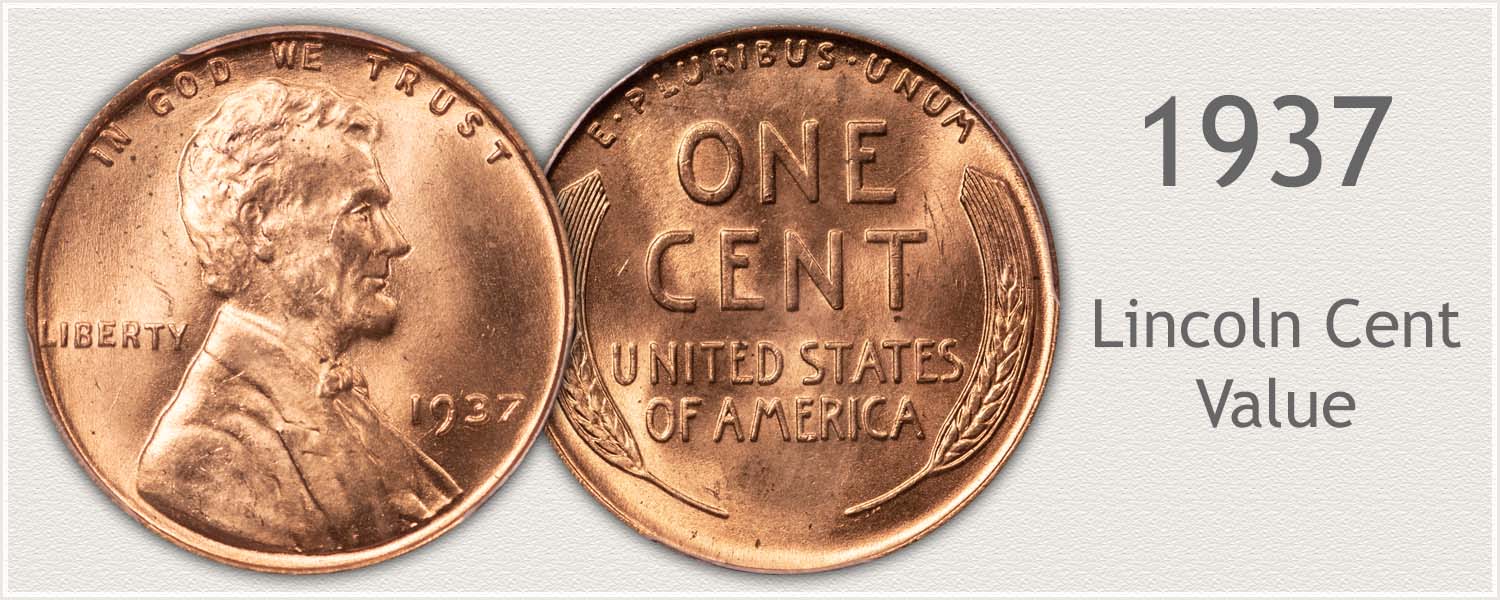
The 1937 Lincoln cent was struck at three different mints: Philadelphia (no mint mark), Denver (D mint mark), and San Francisco (S mint mark). The Philadelphia mint produced 309,236,000 coins, making it the most common variety. The Denver mint produced 30,360,000, and the San Francisco mint produced 34,500,000. These production numbers help explain why finding a 1937 penny is relatively easy, but finding a high-quality example requires a discerning eye.
The Role of Condition and Grading
In the numismatic market, “condition is king.” A 1937 wheat penny that has been in circulation for decades will look significantly different from one that was pulled directly from a mint bag and preserved in a controlled environment.
Understanding the Sheldon Scale
Professional coin graders use the Sheldon Scale, which ranges from 1 to 70, to determine a coin’s quality. A coin graded “Poor-1” is barely identifiable, while a “Mint State-70” (MS-70) represents a perfect specimen with no visible flaws even under magnification.
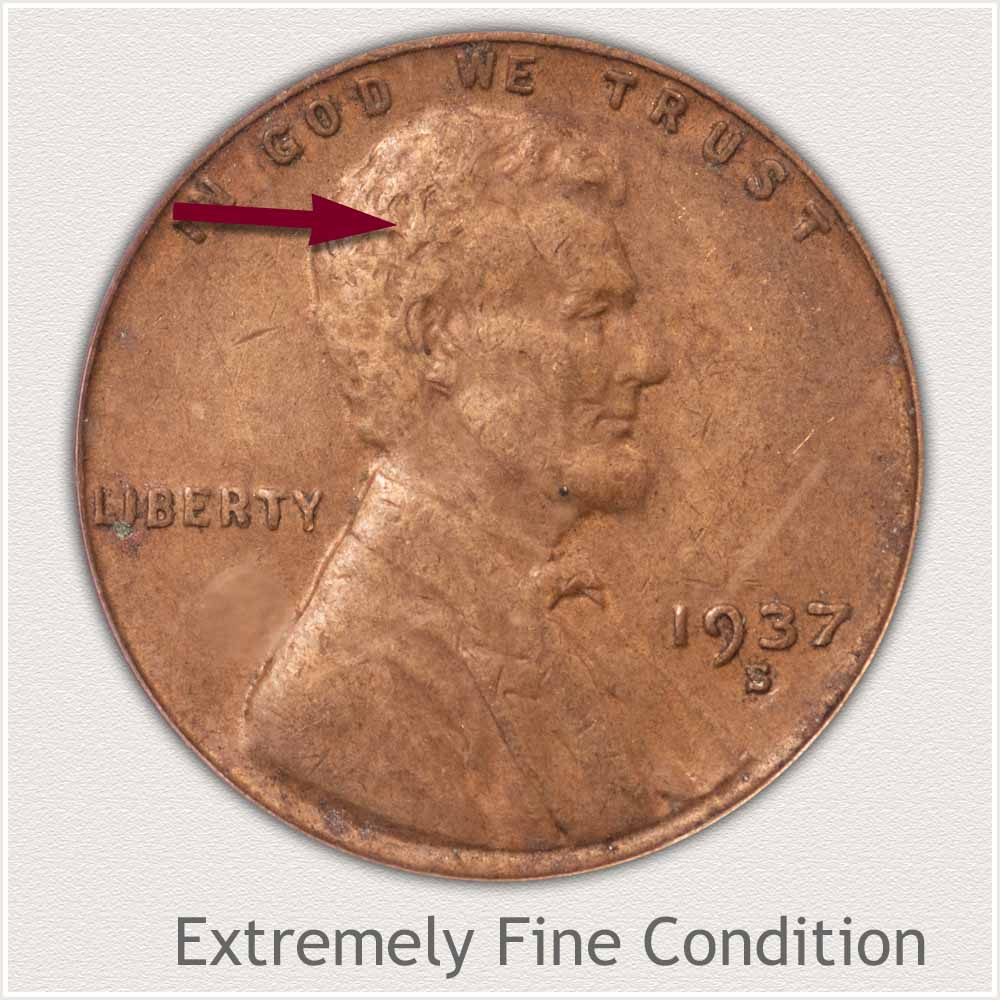
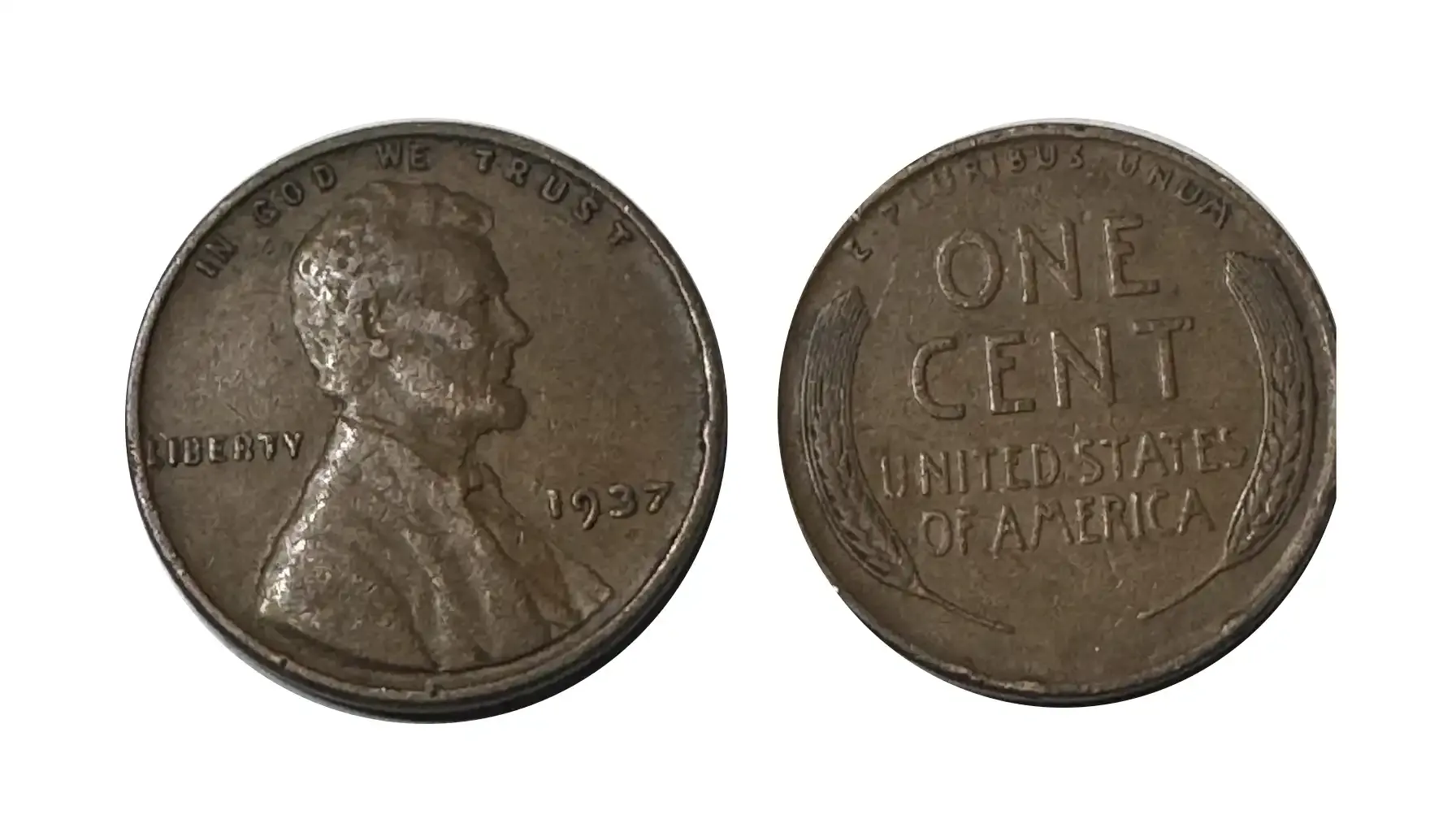
- Circulated Grades (G-4 to AU-58): Most 1937 pennies fall into this category. They will show wear on Lincoln’s cheek, the wheat stalks, and the lettering. These coins are generally worth only a few cents to a few dollars, depending on the severity of the wear.
- Mint State (MS-60 to MS-70): These coins exhibit “mint luster,” the original, satiny finish applied during the striking process. A coin in MS-65 or higher is significantly more valuable. Investors look for coins that retain their original red color rather than those that have turned a dark, oxidized brown.
Factors That Lower Value
Even if a coin is from a lower-mintage mint, its value can be obliterated by improper handling. Cleaning a coin is the cardinal sin of numismatics. Many beginners attempt to clean their pennies to make them shine, but using chemical dips or abrasive cloths creates micro-scratches that are immediately visible to professional graders. A cleaned coin is often worth significantly less than an uncleaned one, even if it is technically a rarer mint mark.
Mint Marks and Rare Varieties
The value of your 1937 Wheat Penny often hinges on the small letter located beneath the date. This letter identifies where the coin was minted, and in the world of collecting, location matters immensely.
The “S” and “D” Premium
Because the Denver and San Francisco mints produced fewer coins than Philadelphia in 1937, these examples command a slight premium among collectors. A 1937-D or 1937-S in decent condition is generally more desirable than its Philadelphia counterpart. However, the scarcity is not extreme enough to make these coins life-changingly valuable unless they are in exceptionally high, uncirculated grades.
Identifying Errors and Anomalies
Sometimes, a penny’s value isn’t tied to its mint mark, but to a mistake in the production process. Investors should look for:
- Doubled Dies: This occurs when the die used to strike the coin shifts, resulting in a blurred or “doubled” appearance on the lettering or the date.
- Off-Center Strikes: These happen when the coin blank is not centered when the press hits it, leaving a portion of the coin blank.
- Die Cracks: Occasionally, the hardened steel dies used to strike coins would crack, leaving raised lines on the finished penny. While some collectors seek these out as novelties, their value is subjective and depends on the prominence of the error.
Market Outlook: Is It a Sound Investment?
From a financial planning perspective, a 1937 Wheat Penny is rarely an investment-grade asset on its own. For it to be a meaningful part of a financial portfolio, it must be part of a larger, curated collection.
Collecting as a Hobby vs. Investment
If you are looking to build wealth, the 1937 penny serves better as a tool for financial literacy and historical appreciation than as a retirement vehicle. The barrier to entry is extremely low, allowing individuals to learn the fundamentals of market demand, condition assessment, and long-term asset preservation.
The Importance of Third-Party Grading
If you believe you have discovered a high-grade 1937 penny, the next step is authentication. Professional organizations like the Professional Coin Grading Service (PCGS) or the Numismatic Guaranty Company (NGC) provide objective assessments. Sending a coin in for professional grading costs money, so it is vital to perform a preliminary assessment to ensure the coin’s potential value justifies the grading fee.
Long-Term Value Trends
The market for wheat pennies remains steady because of the sheer number of new collectors entering the hobby every year. Because the U.S. Mint no longer produces pennies with this design, the supply is fixed. As older coins are lost or damaged over time, the number of high-quality survivors decreases, which can drive up prices for the best examples over the course of decades.
How to Protect Your Collection
If you decide to keep your 1937 wheat pennies, proper storage is essential to maintain their value. Never store coins in paper envelopes, which can contain sulfur that corrodes metal. Instead, utilize inert, PVC-free plastic holders, such as 2×2 flips or coin capsules designed specifically for long-term archival storage.
Keep your collection in a climate-controlled environment. Humidity is the enemy of copper; it accelerates oxidation and turns coins from a brilliant red to a dull, unattractive brown. If you are serious about building a collection, consider keeping an inventory log that tracks the purchase date, cost, and grade of each coin. This discipline is essential for anyone interested in the intersection of collecting and personal finance.
In summary, while a single 1937 Wheat Penny found in your pocket change is unlikely to fund your next vacation, it represents a fascinating piece of economic history. Its value is determined by the specific mint, the degree of preservation, and the presence of rare errors. By learning to distinguish between common “circulated” pennies and the rare “mint state” specimens, you can better understand the market forces that turn common currency into a rewarding long-term collection. Always remember that in the world of numismatics, knowledge is the most valuable asset you can acquire.
aViewFromTheCave is a participant in the Amazon Services LLC Associates Program, an affiliate advertising program designed to provide a means for sites to earn advertising fees by advertising and linking to Amazon.com. Amazon, the Amazon logo, AmazonSupply, and the AmazonSupply logo are trademarks of Amazon.com, Inc. or its affiliates. As an Amazon Associate we earn affiliate commissions from qualifying purchases.