
The question “What is a 1936 Indian Head Nickel worth?” immediately points to the fascinating world of numismatics, an area where history, art, and financial valuation intersect. While commonly referred to by some as an “Indian Head Nickel,” the coin in question is officially known as the Buffalo Nickel or the Indian Head/Buffalo Nickel, minted between 1913 and 1938. Understanding its true identity is the first step in assessing its financial value, as a genuine “Indian Head” series coin refers to a much older penny (cent) design. The 1936 Buffalo Nickel holds a unique place within this series, and its worth is determined by a complex interplay of factors vital for any collector or investor to comprehend.
Decoding the Buffalo Nickel: A Historical and Financial Context
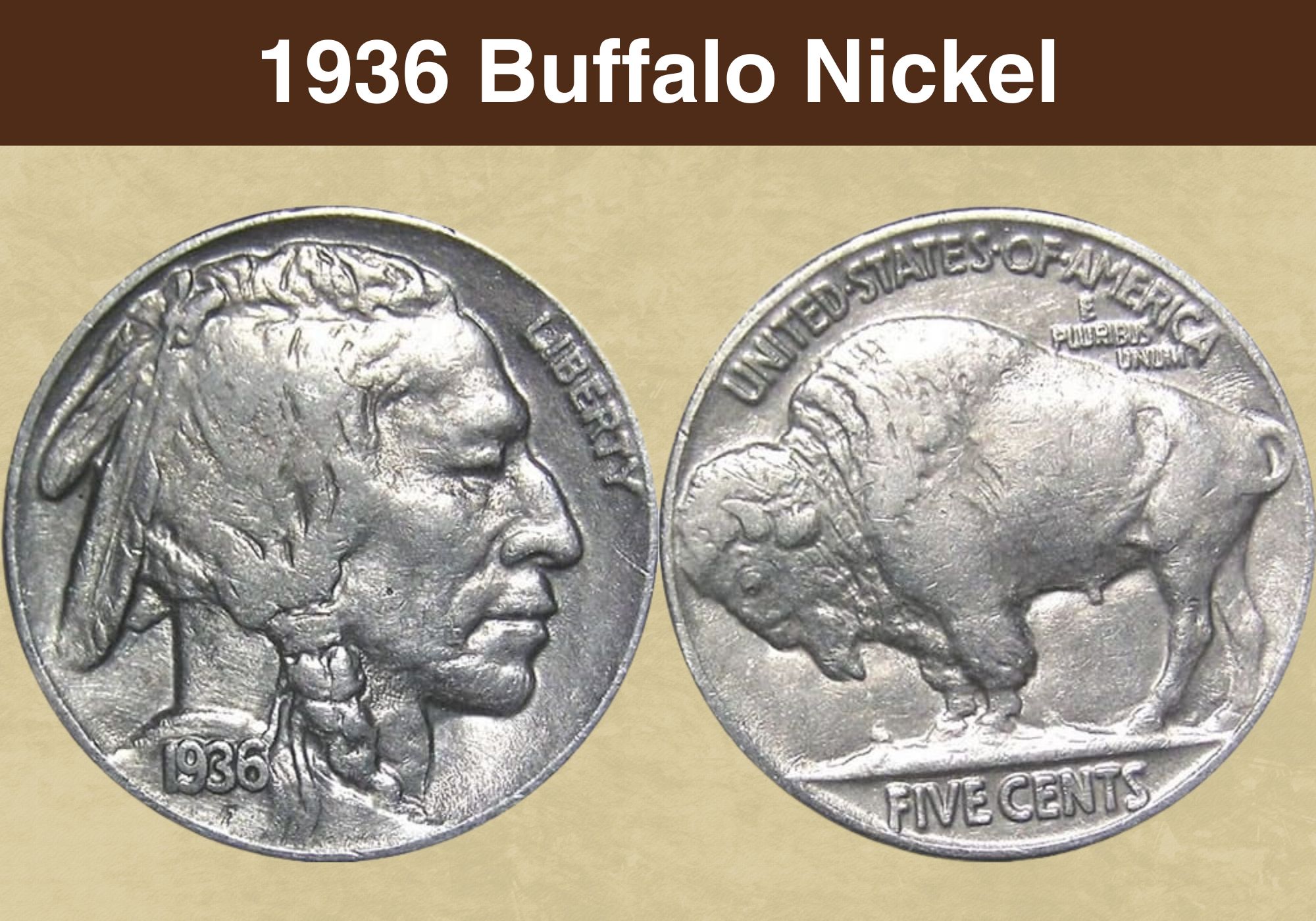
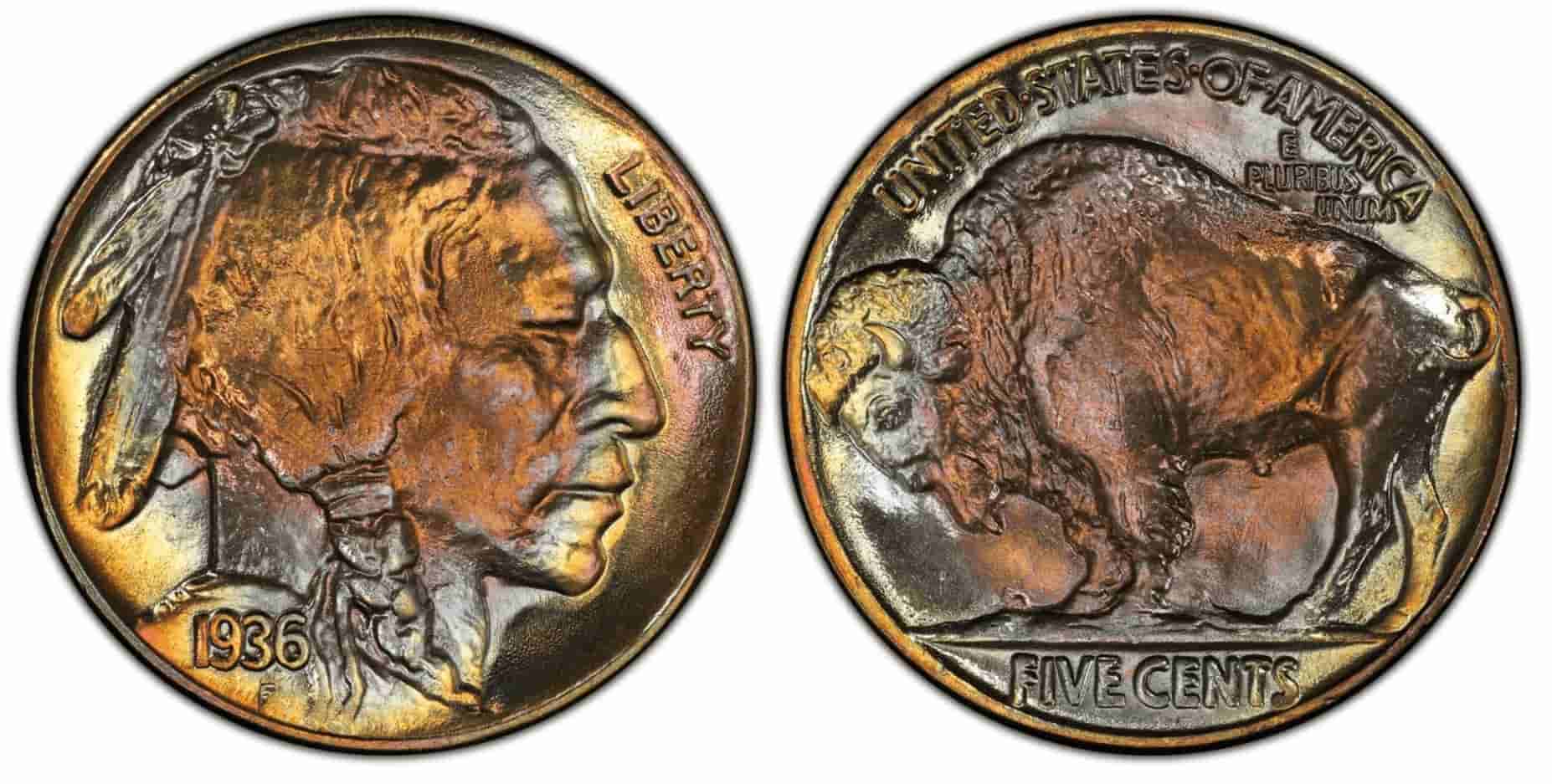
Designed by James Earle Fraser, the Buffalo Nickel features a striking profile of a Native American on the obverse and an American bison (buffalo) on the reverse. This iconic design was an attempt to create a distinctly American coin, free from European influences. The series ran for 25 years, with the 1936 issue being a mid-period strike that saw substantial mintage from all three active mints: Philadelphia, Denver, and San Francisco.
For those considering numismatics as a financial endeavor, whether as a hobby or an investment, understanding the history and specific characteristics of a coin like the 1936 Buffalo Nickel is paramount. Its value isn’t static; it fluctuates based on supply, demand, condition, and specific attributes that define its rarity and desirability in the market. This makes informed research and careful evaluation indispensable.
Key Factors Influencing Coin Value
Determining the worth of any coin, including the 1936 Buffalo Nickel, relies on several critical factors. These elements collectively dictate the market price, ranging from a few dollars for heavily circulated examples to hundreds or even thousands for pristine, rare specimens.
Condition and Professional Grading
The single most significant factor in a coin’s value is its condition, often referred to as its grade. Coins are graded on the Sheldon scale, which ranges from 1 (Poor/PO) to 70 (Perfect Uncirculated/MS-70). Key grades include:
- Good (G-4): Heavily worn, but major details are visible.
- Fine (F-12): Moderate wear, some detail loss but design elements are clear.
- Very Fine (VF-20): Light to moderate wear on high points.
- Extremely Fine (EF-40): Very light wear, minor flatness on highest points.
- About Uncirculated (AU-50 to AU-58): Slight trace of wear on a few high points, retains much of its original luster.
- Uncirculated (Mint State – MS-60 to MS-70): No trace of wear, retains original mint luster. Higher numbers denote better strike and fewer imperfections.
For valuable coins, professional grading services like the Professional Coin Grading Service (PCGS) and the Numismatic Guaranty Corporation (NGC) are highly recommended. These services authenticate coins, assign a standardized grade, and encapsulate them in tamper-evident holders, adding credibility and liquidity to the asset. A 1936 Buffalo Nickel professionally graded MS-65 will command a significantly higher price than an ungraded coin, even if visually similar, due to the assurance of its authenticity and condition.
Mintage Figures and Rarity
The total number of coins produced by each mint for a given year directly impacts its rarity. Generally, fewer coins minted translate to higher potential value, especially in higher grades. For the 1936 Buffalo Nickel, mintage figures were:
- 1936 Philadelphia (no mint mark): 119,012,000
- 1936-D Denver (D mint mark): 24,814,000
- 1936-S San Francisco (S mint mark): 14,930,000
From these figures, it’s clear that the 1936-S is the scarcest in terms of overall mintage, followed by the 1936-D, with the Philadelphia issue being the most common. This hierarchy generally holds true for lower grades, but as condition improves, even common issues can become rare in top-tier uncirculated states.
Mint Marks
The presence or absence of a mint mark indicates where the coin was struck. On Buffalo Nickels, the mint mark (D for Denver, S for San Francisco) is located on the reverse, beneath the buffalo. Coins from the Philadelphia Mint have no mint mark. As seen above, the mint mark significantly influences rarity and, consequently, value. A 1936-S Buffalo Nickel will typically be worth more than a 1936-P in the same condition simply due to its lower mintage.
Varieties and Errors
While not as common for the 1936 Buffalo Nickel as for some other years (e.g., the famous 1937-D “3-legged” variety), varieties and errors can dramatically increase a coin’s value. These include:
- Doubled Dies: Where the die design is duplicated, causing a blurred or shadowed effect.
- Repunched Mint Marks (RPMs): When a mint mark is punched multiple times or in different locations.
- Overdates: Errors where one date is struck over another (e.g., 1918/7-D).
- Die Breaks/Cuds: Defects on the die that transfer to the coin.
Collectors specifically seek out these unique variations, making them highly desirable and often significantly more valuable than standard issues. Researching known varieties for the 1936 Buffalo Nickel can uncover hidden value.
Valuation Specifics for the 1936 Buffalo Nickel
The actual worth of a 1936 Buffalo Nickel can vary widely based on the factors discussed above. Here’s a general guide for estimated values across different mints and grades (values are illustrative and subject to market fluctuations):
1936 Philadelphia (No Mint Mark)
- Good (G-4): $0.75 – $1.50
- Fine (F-12): $2 – $4
- Extremely Fine (EF-40): $15 – $25
- About Uncirculated (AU-50): $30 – $50
- Uncirculated (MS-60): $50 – $80
- Uncirculated (MS-65): $150 – $300
- Uncirculated (MS-66+): $500 – $1,500+ (Values can soar for exceptional examples, especially those with Full Horn or strong strike.)
1936-D (Denver Mint)
- Good (G-4): $1 – $2
- Fine (F-12): $3 – $6
- Extremely Fine (EF-40): $25 – $45
- About Uncirculated (AU-50): $50 – $80
- Uncirculated (MS-60): $100 – $150
- Uncirculated (MS-65): $300 – $600
- Uncirculated (MS-66+): $1,000 – $3,000+ (Similar to Philadelphia, top-tier D-mints with strong strikes are highly sought after.)
1936-S (San Francisco Mint)
- Good (G-4): $1.50 – $3
- Fine (F-12): $4 – $8
- Extremely Fine (EF-40): $30 – $60
- About Uncirculated (AU-50): $70 – $120
- Uncirculated (MS-60): $150 – $250
- Uncirculated (MS-65): $500 – $1,200
- Uncirculated (MS-66+): $2,000 – $5,000+ (The 1936-S, due to its lower mintage, consistently commands higher prices in premium grades.)
It is critical to note that these are estimates. Real-time market data from reputable auction sites, dealer price lists, and numismatic publications should always be consulted for the most current valuation.
Numismatics as a Financial Pursuit
For individuals interested in alternative investments, numismatics can be an appealing, albeit specialized, avenue. Investing in coins like the 1936 Buffalo Nickel offers several potential benefits and considerations:
Advantages of Numismatic Investment
- Tangible Asset: Coins are physical assets, offering a sense of security unlike purely digital investments.
- Historical and Aesthetic Value: Beyond monetary worth, coins offer a connection to history and are often miniature works of art.
- Inflation Hedge: Historically, rare coins have shown resilience against inflation, preserving purchasing power over long periods.
- Diversification: Adding numismatic assets to a portfolio can provide diversification away from traditional stocks, bonds, and real estate.
- Global Market: The market for rare coins is global, offering liquidity and opportunities for buying and selling internationally.
Considerations and Risks
- Specialized Knowledge: A deep understanding of grading, rarity, market trends, and authentication is essential to avoid costly mistakes.
- Market Fluctuations: Coin values are not immune to economic downturns or changes in collector interest.
- Storage and Insurance: Valuable coins require secure storage and adequate insurance, which adds to ownership costs.
- Liquidity: While there is a market, selling high-value coins can take time, especially if seeking top dollar.
- Counterfeits: The market is not immune to fraudulent items, underscoring the importance of reputable dealers and professional grading.
For new entrants, starting with more affordable coins and gradually building knowledge is a prudent approach. Joining numismatic clubs, attending coin shows, and consulting with experienced dealers are invaluable steps.
Acquiring and Liquidating 1936 Buffalo Nickels
Where to Buy
- Reputable Coin Dealers: Often the safest option, as dealers provide expertise, authentication, and often guarantees. Look for dealers accredited by professional organizations.
- Major Auction Houses: For higher-grade or rarer coins, auction houses specializing in numismatics (e.g., Heritage Auctions, Stacks and Bowers) offer access to a wide range of material.
- Online Marketplaces: Platforms like eBay can offer good deals but require extreme caution due to the prevalence of fakes and misrepresentations. Always check seller reputation and insist on clear photos and descriptions, ideally for professionally graded coins.
- Coin Shows: Excellent for hands-on inspection, direct negotiation, and networking with other collectors and dealers.

Where to Sell
- Coin Dealers: They can offer immediate cash but will typically pay below market value to account for their profit margin and holding costs.
- Auction Houses: A good option for valuable coins, potentially yielding higher returns, but involves commissions and waiting periods.
- Online Platforms: Selling through platforms like eBay can reach a broad audience but demands careful photography, accurate descriptions, and secure shipping.
In conclusion, the worth of a 1936 Indian Head (Buffalo) Nickel is far from a simple dollar figure. It represents a journey into the nuances of numismatic valuation, where the subtle interplay of condition, rarity, mint mark, and market demand dictates its true financial value. For those approaching this coin, or numismatics in general, with an investment mindset, diligent research, professional authentication, and a keen eye for detail are indispensable tools for financial success.
aViewFromTheCave is a participant in the Amazon Services LLC Associates Program, an affiliate advertising program designed to provide a means for sites to earn advertising fees by advertising and linking to Amazon.com. Amazon, the Amazon logo, AmazonSupply, and the AmazonSupply logo are trademarks of Amazon.com, Inc. or its affiliates. As an Amazon Associate we earn affiliate commissions from qualifying purchases.