
A 1.8 Grade Point Average (GPA) is a numerical representation of academic performance that, in most educational systems, falls significantly below the average. While the specific implications can vary slightly between institutions and countries, a 1.8 GPA generally indicates struggling academic standing. For students, parents, and increasingly, employers and financial institutions, understanding the real-world impact of such a GPA extends far beyond the classroom, directly touching upon career prospects, educational financing, and long-term financial stability. In the context of personal finance and economic opportunity, a 1.8 GPA acts as a critical signal, often presenting challenges that require strategic navigation and proactive solutions.

Decoding the 1.8 GPA: A Financial Barometer
Understanding what a 1.8 GPA signifies is the first step in addressing its potential financial implications. It’s not merely a number; it’s a direct reflection of academic output that can open or close doors to various economic opportunities.
The Numerical Reality and Academic Standing
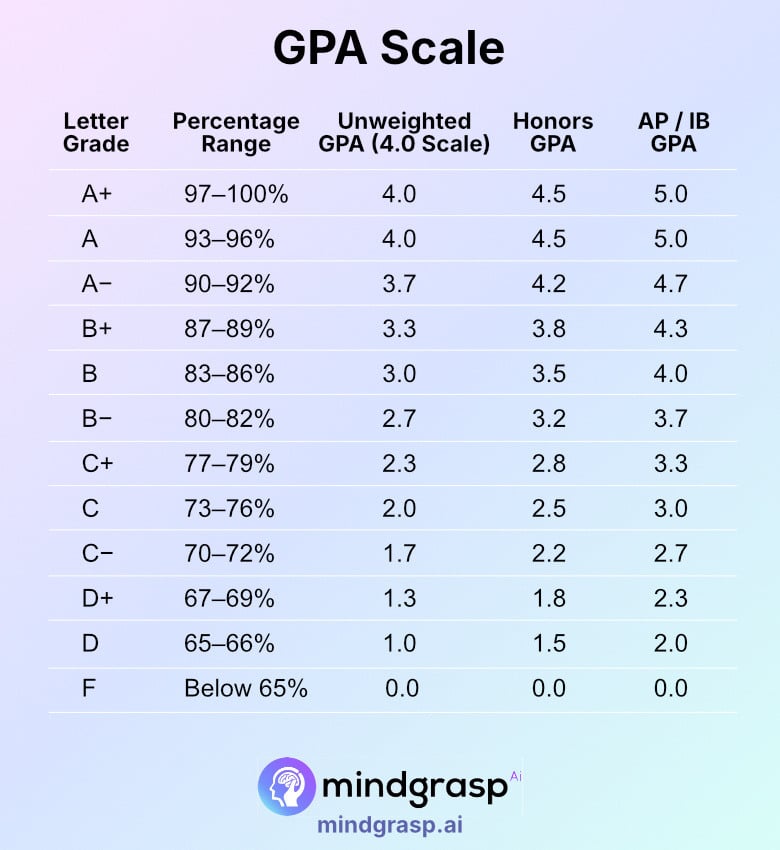
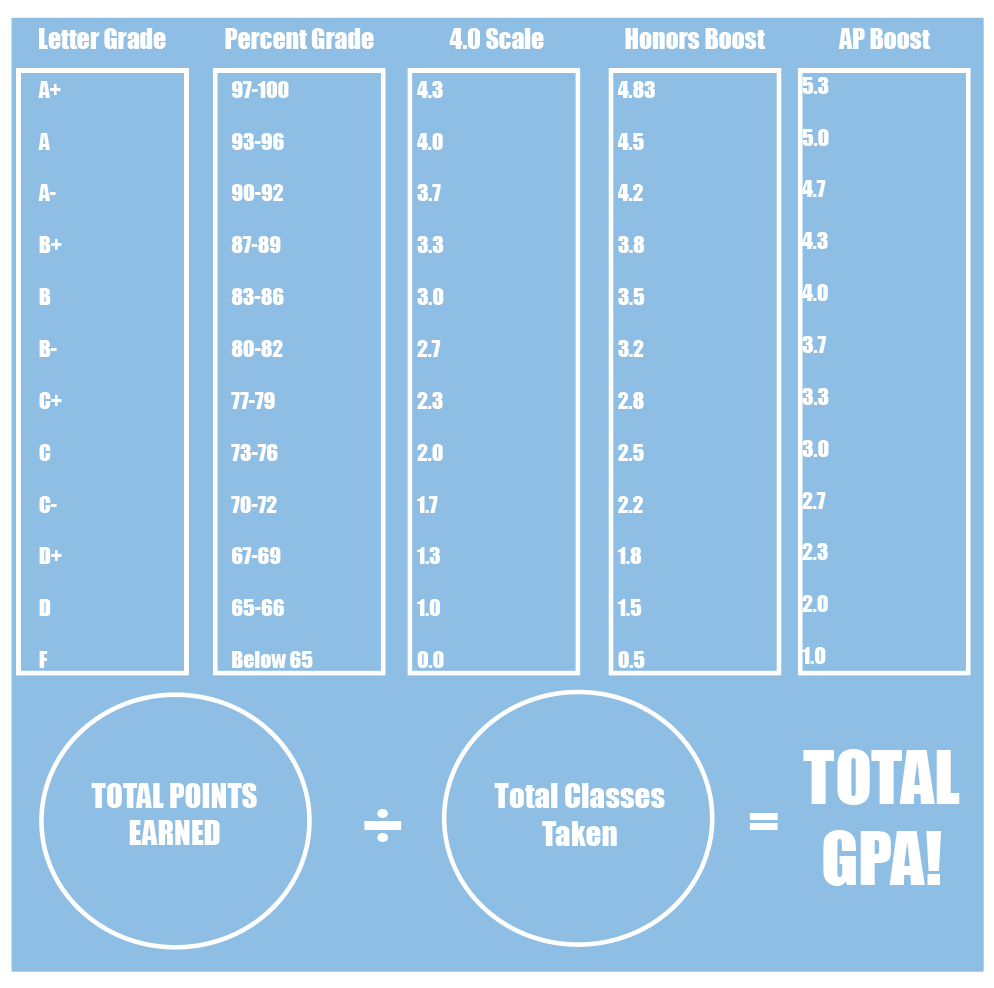
In most educational systems, particularly in North America, GPA is calculated on a 4.0 scale, where an ‘A’ typically translates to 4.0, a ‘B’ to 3.0, a ‘C’ to 2.0, and a ‘D’ to 1.0. A 1.8 GPA, therefore, means that a student’s average grade is between a ‘D’ and a ‘C-‘. This position is often considered “at risk” or “poor” academic standing. Many institutions set a minimum GPA, often 2.0 or 2.5, for good standing, eligibility for extracurriculars, or even continued enrollment. Falling below this threshold can trigger academic probation, restrictions on course loads, or even academic suspension. From a financial perspective, academic probation can impact eligibility for certain scholarships or financial aid, creating immediate and tangible financial strain. If a student is suspended, the investment in their education (tuition, fees, living expenses) effectively yields no progress towards a degree, representing a significant financial loss.
Understanding GPA Scales and Expectations
While the 4.0 scale is prevalent, some systems use a 5.0 or 100-point scale. However, even within different scales, a 1.8 equivalent generally indicates underperformance. For instance, on a 100-point scale, a 1.8 GPA might equate to an average around 60-65%, typically considered a passing but low grade. The expectation from employers, scholarship committees, and graduate admissions boards is almost universally for a GPA of 3.0 or higher. Anything below this benchmark often flags an applicant as potentially lacking in dedication, analytical skills, or the ability to manage rigorous workloads – qualities directly correlated with professional success and earning potential. A 1.8 GPA immediately places an individual at a disadvantage when competing for opportunities where academic excellence is a primary filter, effectively narrowing the funnel of high-paying jobs and prestigious educational programs.
The Direct Financial Impact on Career Prospects
The transition from academia to the professional world is heavily influenced by academic performance, making a 1.8 GPA a significant factor in one’s initial earning trajectory and career mobility.
Entry-Level Job Market Challenges
Many companies, especially those with competitive entry-level positions in fields like finance, engineering, consulting, or technology, use GPA as an initial screening tool. A 1.8 GPA will, in most cases, disqualify candidates from even being considered for roles that explicitly request a minimum GPA of 3.0 or 3.5. This means being locked out of numerous well-paying graduate schemes, internships, and direct-hire positions that offer structured career progression and competitive starting salaries. Instead, individuals with a 1.8 GPA may find themselves relegated to roles with lower barriers to entry, often corresponding to lower pay, fewer benefits, and limited opportunities for rapid advancement. This initial setback can create a significant financial gap that can be challenging to close over a career lifetime.
Sector-Specific Repercussions
The impact of a low GPA is not uniform across all industries. Highly competitive and knowledge-intensive sectors like investment banking, law, medicine, or advanced research typically place a very high premium on academic achievement. A 1.8 GPA would make entry into these fields virtually impossible without substantial mitigating factors. In contrast, sectors that value practical skills, vocational training, or direct experience more heavily – such as certain trades, sales, or entrepreneurial ventures – might be more forgiving. However, even in these fields, a strong academic record can still provide a competitive edge, signaling discipline and problem-solving abilities. The financial repercussion is that a 1.8 GPA may inadvertently steer individuals towards career paths with a lower average earning potential, limiting their options to generate significant wealth.
The Long-Term Earning Potential
Research consistently shows a correlation between higher GPAs and higher lifetime earnings. While correlation does not always imply causation, a strong academic record often indicates qualities (e.g., perseverance, critical thinking, work ethic) that are highly valued in the workplace. Starting a career with a significant disadvantage due to a low GPA can translate into a lower starting salary, slower promotion rates, and a more arduous climb up the corporate ladder. Over decades, these incremental differences in salary and career progression can accumulate into hundreds of thousands, if not millions, of dollars in lost earning potential. Furthermore, a 1.8 GPA might make it harder to secure management-level positions or switch to higher-paying roles later in a career if an employer still considers foundational academic performance as part of a candidate’s overall profile.
Navigating Higher Education and Financial Aid
Beyond initial job prospects, a 1.8 GPA poses considerable hurdles for individuals contemplating further education and the associated financial support mechanisms.
Scholarship and Grant Eligibility Hurdles
The vast majority of academic scholarships and grants are merit-based, requiring a minimum GPA that is significantly higher than 1.8 (often 3.0 or above). For students relying on these funds to finance their education, a low GPA effectively closes off a crucial avenue of non-repayable financial aid. This forces students to either rely more heavily on student loans, increasing their debt burden, or to forego higher education altogether due to financial constraints. The inability to secure scholarships means a direct financial loss in terms of potential funding and a greater reliance on personal savings or borrowing, both of which have significant implications for long-term financial health.
Access to Graduate and Professional Programs
Admission to graduate schools (Master’s, PhD programs), law schools, medical schools, or other professional programs is intensely competitive and almost universally requires a strong undergraduate GPA, typically 3.0-3.5 or higher. A 1.8 GPA would make direct admission to such programs nearly impossible. While some post-baccalaureate programs or demonstrable professional achievements can sometimes compensate, the path becomes significantly longer, more expensive, and less certain. This limits opportunities to pursue advanced degrees that often unlock higher-paying professions and leadership roles, thereby capping future earning potential and restricting access to lucrative career pathways.
Implications for Student Loans and Debt
While federal student loans often do not have strict GPA requirements for initial eligibility, maintaining Satisfactory Academic Progress (SAP) is crucial for continued funding. A 1.8 GPA might fall below an institution’s SAP requirements, leading to the suspension of federal financial aid. This forces students to either pay out-of-pocket, take out private loans (which often have less favorable terms and higher interest rates), or drop out, leaving them with existing debt and no degree to show for it. Accumulating student loan debt without the corresponding increase in earning potential that a degree typically provides is a precarious financial situation, leading to prolonged debt repayment, delayed financial milestones (homeownership, retirement savings), and increased financial stress.
Strategies for Financial Recovery and Growth
While a 1.8 GPA presents significant challenges, it is not an insurmountable barrier to financial success. Proactive strategies focused on academic improvement, skill development, and strategic networking can help mitigate its long-term financial impact.
Academic Improvement as a Financial Investment
For current students, the most direct path to mitigating the financial impact of a low GPA is to improve it. This involves seeking academic support, reassessing study habits, and potentially repeating courses for a better grade (if institution policy allows). Every point gained on the GPA scale opens more doors for scholarships, graduate programs, and competitive jobs. Viewing academic improvement as a direct investment in one’s future earning potential can provide strong motivation. Improved academic standing can also restore eligibility for financial aid, reducing immediate out-of-pocket expenses or reliance on loans.
Skill Development and Alternative Pathways
If immediate GPA improvement isn’t feasible or for those who have already graduated, focusing on high-demand skill development becomes paramount. This could involve vocational training, certifications (e.g., in IT, project management, digital marketing), apprenticeships, or self-taught skills demonstrated through portfolios. Employers are increasingly valuing demonstrable skills and experience over academic transcripts, especially in certain industries. Investing in skill acquisition is a direct financial investment that can significantly enhance employability and earning potential, irrespective of past academic performance. Building a strong portfolio of projects or a track record of successful work can often overshadow a low GPA.
Building a Professional Network Beyond Grades
Networking is invaluable for anyone, but it becomes even more critical for individuals with a challenging academic record. Personal connections, mentorships, and informational interviews can lead to opportunities that might otherwise be inaccessible through traditional application channels. A strong network can provide referrals, insights into companies that value experience over grades, and even direct job offers. Cultivating relationships with professionals in desired fields can help an individual showcase their true capabilities, work ethic, and personality, effectively bypassing the initial GPA filter. This is a strategic financial move, as it creates alternative pathways to income generation.
Financial Planning and Budgeting with a Lower Earning Start
Individuals who anticipate a lower starting salary due to their academic record must be even more diligent about personal financial planning. This includes aggressive budgeting, prioritizing debt repayment (especially student loans), building an emergency fund, and starting to save and invest early, even if in small amounts. Understanding that the initial career path might not be as lucrative as desired means a greater need for financial discipline and foresight to achieve long-term financial goals like homeownership, retirement, or significant wealth accumulation. Seeking financial literacy resources and professional financial advice can provide a roadmap for navigating a potentially slower financial ascent.
Conclusion: Proactive Steps for a Stronger Financial Future
A 1.8 GPA is a significant academic hurdle with clear financial ramifications, ranging from limited job opportunities and lower earning potential to restricted access to financial aid and higher education. However, it is not a life sentence. By recognizing the challenges it presents, individuals can implement targeted strategies to mitigate its impact. This involves prioritizing academic recovery, strategically investing in in-demand skills, diligently building a robust professional network, and committing to disciplined personal financial planning. While the path may require more effort and strategic thinking, a proactive approach can still lead to a financially stable and prosperous future, proving that a single number does not define one’s ultimate economic destiny.
aViewFromTheCave is a participant in the Amazon Services LLC Associates Program, an affiliate advertising program designed to provide a means for sites to earn advertising fees by advertising and linking to Amazon.com. Amazon, the Amazon logo, AmazonSupply, and the AmazonSupply logo are trademarks of Amazon.com, Inc. or its affiliates. As an Amazon Associate we earn affiliate commissions from qualifying purchases.