
In the landscape of personal finance, a mortgage is often the largest debt an individual or family will undertake. For many, it represents the cornerstone of their financial stability and a key stepping stone towards long-term wealth building. While the 30-year fixed-rate mortgage has traditionally been the go-to option for homebuyers, the 15-year fixed mortgage offers a compelling alternative for those seeking to accelerate their path to homeownership and significantly reduce their overall interest burden. Understanding the intricacies of this financial instrument is crucial for making an informed decision that aligns with your financial goals and lifestyle.
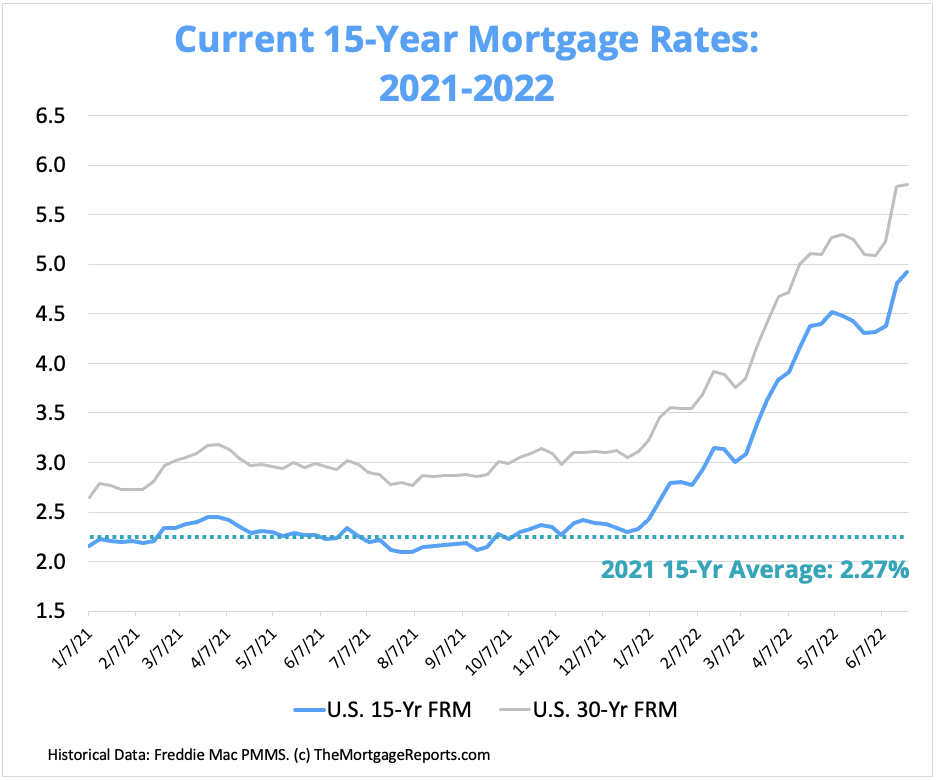
At its core, a 15-year fixed mortgage is a home loan where the interest rate remains constant for the entire 15-year term. This means your monthly principal and interest payment will never change, providing a high degree of predictability and stability to your financial planning. Unlike adjustable-rate mortgages (ARMs) which can fluctuate with market conditions, or longer 30-year fixed terms that spread payments over a more extended period, the 15-year option is designed for those who prioritize paying off their mortgage faster and saving substantially on interest over the life of the loan. This article will delve deep into what makes a 15-year fixed mortgage distinct, its advantages and disadvantages, and help you determine if it’s the right fit for your financial journey.
Understanding the Mechanics of a 15-Year Fixed Mortgage
To fully appreciate the benefits and drawbacks of a 15-year fixed mortgage, it’s essential to grasp how its components—the fixed rate and the shorter term—interact to shape your loan experience. This mortgage type isn’t just a shorter version of its 30-year counterpart; it fundamentally alters the amortization schedule and the financial commitment involved.
The “Fixed” Aspect: Predictability and Stability
The defining characteristic of a fixed-rate mortgage is its unwavering interest rate. From the day you close on your loan until the final payment 15 years later, the interest rate applied to your outstanding balance remains exactly the same. This predictability is a significant advantage, particularly in an environment where interest rates are volatile or trending upwards.
With a fixed rate, your monthly principal and interest payment is constant. This allows for straightforward budgeting and eliminates the anxiety of potential payment increases that come with adjustable-rate mortgages. You’ll know precisely how much of your income needs to be allocated to your mortgage each month, year after year, enabling more confident long-term financial planning. This stability is invaluable for homeowners who value security and wish to insulate themselves from market fluctuations.
The “15-Year” Term: Accelerated Amortization
The 15-year term dictates the amortization schedule, which is the process of paying off a loan through regular principal and interest payments. By condensing the repayment period from 30 years to 15 years, you are effectively doubling the speed at which you must pay back the loan amount.
This shorter term has profound implications for how your payments are structured. Each monthly payment on a 15-year mortgage will be significantly higher than on a 30-year mortgage for the same loan amount. This is because you are paying off the principal balance in half the time. While this might seem daunting, it also means that a larger portion of your early payments goes towards reducing the principal balance, rather than just covering interest charges. This accelerated principal repayment is a cornerstone of the 15-year mortgage’s appeal, leading to quicker equity build-up and substantial long-term savings.
Principal and Interest Breakdown: The Power of Front-Loading Principal
Mortgage payments are composed of two primary elements: principal and interest. In the early years of any amortizing loan, a larger share of your payment typically goes towards interest. However, with a 15-year term, this balance shifts much faster towards principal reduction.
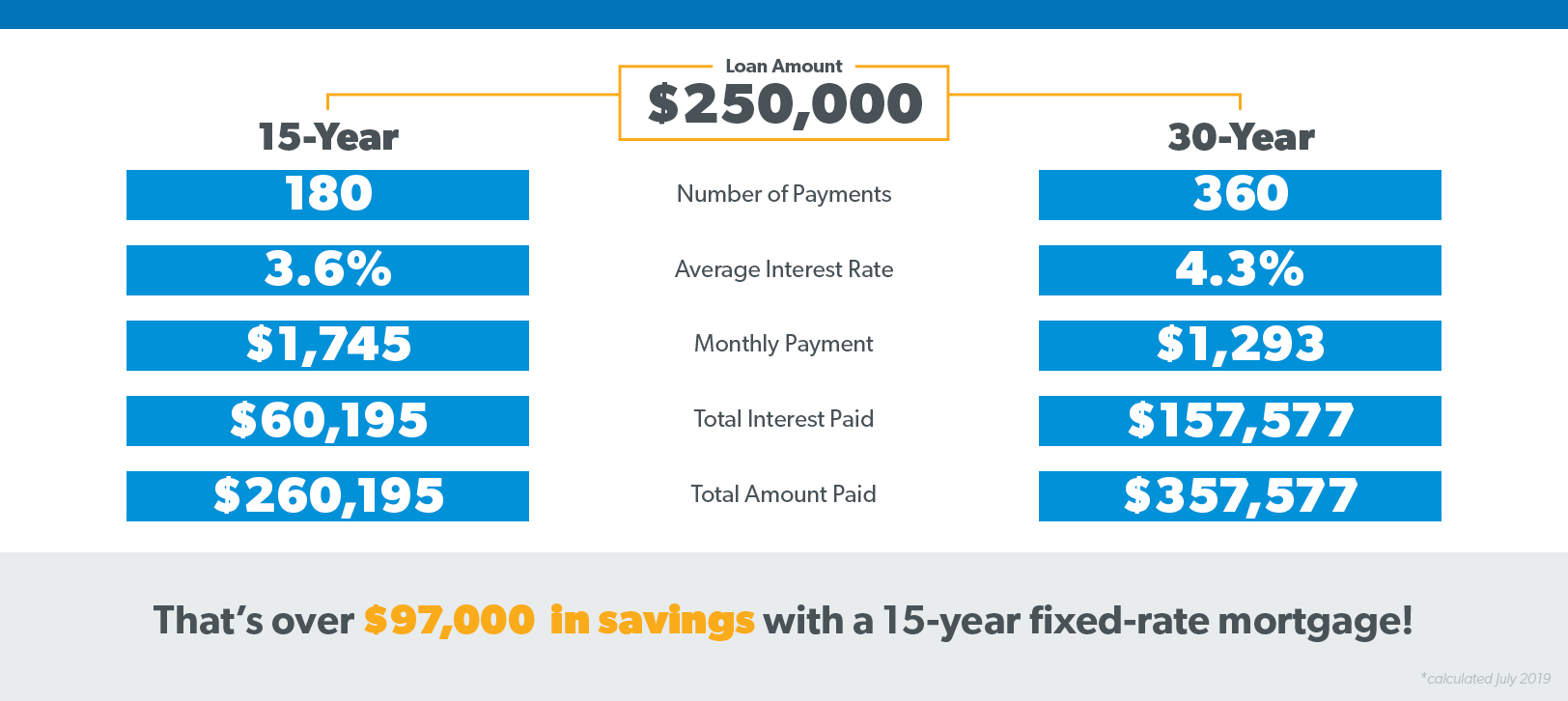
Because the total interest is spread over a shorter period, and you are paying down the principal more quickly, the overall interest paid over the life of the loan is drastically reduced. While the interest rate on a 15-year fixed mortgage is typically lower than a comparable 30-year fixed rate (due to less interest rate risk for the lender), the real savings come from the rapid decrease of your principal balance. A smaller principal balance accruing interest for a shorter time results in colossal savings, making the 15-year fixed mortgage an attractive option for those who are financially positioned to handle the higher monthly payments.
Key Advantages of a 15-Year Fixed Mortgage
The decision to opt for a 15-year fixed mortgage comes with a host of compelling benefits, primarily centered around cost savings and financial freedom. These advantages make it a highly desirable choice for borrowers who can comfortably manage the increased monthly financial commitment.
Significant Interest Savings
Perhaps the most prominent advantage of a 15-year fixed mortgage is the substantial amount of interest you save over the life of the loan. While the monthly payments are higher, the total amount of interest paid is considerably less than on a 30-year mortgage for several reasons:
- Lower Interest Rate: Lenders typically offer a slightly lower interest rate for 15-year fixed mortgages because they are exposed to interest rate risk for a shorter duration.
- Shorter Amortization Period: You’re paying off the loan in half the time. This means interest only accrues for 15 years instead of 30, dramatically reducing the total interest bill.
- Faster Principal Reduction: Because a larger portion of each payment goes toward the principal from day one, less principal remains to accrue interest throughout the life of the loan. These factors combined can lead to tens, if not hundreds, of thousands of dollars in savings, representing a significant boost to your long-term wealth.
Faster Equity Build-Up
Equity is the portion of your home that you truly own, calculated as your home’s current market value minus your outstanding mortgage balance. With a 15-year fixed mortgage, you build equity at a much faster pace. Since a larger percentage of your payment is applied to the principal from the outset, your ownership stake in the property grows more rapidly.
This accelerated equity build-up provides several benefits: increased financial security, a larger asset base, and greater flexibility for future financial moves such as cash-out refinancing or selling your home. Should you need to tap into your home’s value, having substantial equity quickly becomes a powerful financial tool.
Debt-Free Sooner
The psychological and financial freedom of being mortgage-free at a younger age is a profound benefit. Imagine having your largest monthly expense eliminated 15 years earlier than with a standard 30-year loan. This frees up a significant portion of your income, which can then be redirected towards other financial goals like retirement savings, college funds, investments, or simply enjoying a higher quality of life without the burden of a mortgage payment.
Being debt-free means having more disposable income, less financial stress, and greater control over your financial future. For many, this goal is a powerful motivator for choosing the shorter term, offering peace of mind and enhanced financial flexibility well before traditional retirement age.
Predictable Payments
As discussed, the fixed interest rate ensures that your principal and interest payments remain constant for the entire 15-year term. This predictability is a valuable asset for financial planning. You won’t have to worry about sudden spikes in your mortgage payment due to market fluctuations, which can be a major concern with adjustable-rate mortgages. This stability allows you to budget effectively, plan for other expenses, and confidently manage your cash flow without unexpected surprises from your largest monthly bill.
Potential Drawbacks and Considerations
While the advantages of a 15-year fixed mortgage are compelling, it’s equally important to consider the potential downsides. This loan product is not suitable for everyone, and a realistic assessment of its demands on your budget and financial flexibility is crucial.
Higher Monthly Payments
The most significant drawback of a 15-year fixed mortgage is undeniably the higher monthly payment. Because you are paying off the same loan amount in half the time, each payment will be considerably larger compared to a 30-year fixed mortgage. For instance, a $300,000 loan at 6% interest might have a monthly payment of approximately $1,798 on a 30-year term, but jump to around $2,532 on a 15-year term – a difference of over $700 per month.
This higher payment demands a robust and stable income. If your income is prone to fluctuations or if you anticipate significant life changes that might strain your budget, committing to a higher fixed payment could lead to financial stress or even default. It’s imperative to ensure that your household budget can comfortably accommodate this increased expenditure without compromising other essential living expenses or savings goals.
Reduced Financial Flexibility
Committing to a higher monthly mortgage payment inherently reduces your financial flexibility. The larger fixed expense leaves less discretionary income each month, which could impact your ability to save for other goals, invest in the stock market, fund a child’s education, or handle unexpected emergencies without financial strain.
For some, the trade-off of rapid mortgage repayment might come at the cost of diversifying investments or maintaining a larger emergency fund. It’s a balance between aggressive debt reduction and maintaining liquid assets for other opportunities or unforeseen circumstances. It’s vital to consider whether tying up more cash in your home is the optimal strategy for your overall financial plan at your current stage of life.
Opportunity Cost
The concept of opportunity cost suggests that by choosing one option, you forgo the benefits of an alternative. In the context of a 15-year mortgage, the extra money you put towards the higher monthly payment could potentially be invested elsewhere, such as in the stock market or other assets that might yield a higher rate of return than the interest rate on your mortgage.
For example, if your mortgage interest rate is 5%, but you could reasonably expect a diversified investment portfolio to yield an average of 7-8% annually over the long term, then choosing to pay down the mortgage faster could mean missing out on potential investment gains. This is a nuanced decision that depends heavily on an individual’s risk tolerance, investment knowledge, and overall financial strategy. It challenges the conventional wisdom of always paying down debt as quickly as possible, prompting a careful comparison of guaranteed savings versus potential investment returns.
Stricter Qualification Requirements
Because of the higher monthly payment, lenders typically impose stricter qualification requirements for 15-year fixed mortgages. You’ll generally need a lower debt-to-income (DTI) ratio, a stronger credit score, and a more robust financial history to qualify. Lenders want to ensure that borrowers can comfortably manage the higher payments, so they scrutinize financial stability more closely. This means that while attractive, a 15-year mortgage may not be accessible to all borrowers, especially those with more moderate incomes or higher existing debt obligations.
Who Should Consider a 15-Year Fixed Mortgage?
The 15-year fixed mortgage is a powerful tool, but it’s not a universal solution. It’s best suited for specific financial profiles and life stages where its benefits align most effectively with a borrower’s broader financial strategy.
Stable Income Earners with Robust Budgets
Individuals or households with high, stable incomes are prime candidates for a 15-year fixed mortgage. If your income reliably exceeds your expenses and you have ample disposable income after covering all necessities and savings, the higher monthly payment of a 15-year loan becomes manageable rather than a burden. These borrowers can comfortably absorb the increased payment without sacrificing their quality of life, emergency savings, or other financial goals. They are often in a position where they can confidently commit to a larger fixed expense knowing their income stream is secure.
Individuals Nearing Retirement
For those within 10-15 years of retirement, a 15-year fixed mortgage can be an excellent strategy to become completely mortgage-free before leaving the workforce. Eliminating your largest monthly expense before retirement significantly reduces your financial obligations during a period when your income may decrease. This provides immense peace of mind and greater flexibility in managing retirement funds, allowing you to enjoy your post-work years without the stress of a mortgage payment. It’s a proactive step towards ensuring financial security in your golden years.
Disciplined Savers Prioritizing Debt Elimination
Some individuals possess a strong psychological aversion to debt and prioritize its elimination above all else. For these disciplined savers and budgeters, the 15-year fixed mortgage offers a clear and accelerated path to achieving a debt-free lifestyle. They are motivated by the satisfaction of owning their home outright and are willing to make the necessary sacrifices in their monthly budget to reach that goal faster. For them, the guaranteed savings from reduced interest and the emotional benefit of freedom from debt outweigh the potential “opportunity cost” of investing elsewhere.
Existing Homeowners Refinancing for Faster Payoff
The 15-year fixed mortgage is also a popular choice for existing homeowners looking to refinance. If you’ve been in your current home for several years on a 30-year mortgage and have seen your income increase or interest rates drop, refinancing into a 15-year term can be incredibly beneficial. You might be able to secure a lower interest rate than your original loan, pay off your home faster, and still potentially keep your monthly payment similar to or only slightly higher than what you were paying on your 30-year loan, especially if you’ve already paid down a significant portion of your original principal. This strategy accelerates equity build-up and overall debt reduction.
Comparing 15-Year vs. 30-Year Fixed Mortgages
The choice between a 15-year and a 30-year fixed mortgage is one of the most fundamental decisions homeowners face. While both offer fixed interest rates, their impact on your finances and lifestyle differs significantly.
Monthly Payment Comparison
The most immediate and obvious difference lies in the monthly payment. As illustrated earlier, a 15-year mortgage will always have a substantially higher monthly payment for the same loan amount and similar interest rates. This is simply due to spreading the principal repayment over half the time.
For example, on a $300,000 loan with a 6% interest rate:
- 15-Year Fixed: Approximately $2,532 per month (Principal & Interest)
- 30-Year Fixed: Approximately $1,798 per month (Principal & Interest)
This difference of over $700 per month is a critical factor in budgeting and determining affordability. It dictates how much room you have in your monthly budget for other expenses, savings, and investments.
Total Interest Paid Comparison
The long-term financial impact of the two terms is most evident when comparing the total interest paid over the life of the loan. This is where the 15-year mortgage truly shines, even with slightly lower interest rates.
Using the same example:
- 15-Year Fixed: Total interest paid would be approximately $155,760
- 30-Year Fixed: Total interest paid would be approximately $347,280
This staggering difference of over $190,000 in interest savings for the 15-year loan highlights its power as a wealth-building tool. By paying off your home faster, you save an enormous sum that can be directed towards retirement, college savings, or other investments, significantly bolstering your net worth over time.
Financial Goals and Lifestyle Alignment
Ultimately, the choice between a 15-year and a 30-year fixed mortgage comes down to your personal financial goals, risk tolerance, and lifestyle priorities.
- Choose 15-Year if: You prioritize being debt-free sooner, have a stable and high income, want to save substantial interest, and are comfortable with higher monthly payments that might limit other immediate investments or discretionary spending. You value predictability and accelerated equity growth.
- Choose 30-Year if: You prefer lower monthly payments for greater budget flexibility, want to free up cash for other investments (believing you can earn a higher return than your mortgage rate), need more breathing room in your budget for unforeseen expenses, or anticipate future income growth that would make refinancing later an option. You prioritize lower monthly cash flow over maximum interest savings.
There’s no universally “better” option; only the one that best fits your unique financial situation and long-term aspirations.
Conclusion
The 15-year fixed mortgage stands as a powerful financial instrument for homeowners who are positioned to capitalize on its unique benefits. By offering a fixed interest rate and a significantly shorter repayment term, it provides unparalleled predictability, substantial interest savings, and a faster path to being completely debt-free. For those with stable, higher incomes who prioritize aggressive debt reduction and rapid equity build-up, it represents an intelligent and disciplined approach to homeownership.
However, its appeal is tempered by the commitment to higher monthly payments, which can reduce financial flexibility and potentially impact other investment opportunities. The decision to opt for a 15-year fixed mortgage should be made after a thorough evaluation of your current financial health, future income projections, and overarching financial goals. Weighing the guaranteed savings and peace of mind against the potential for alternative investments and the need for monthly budgetary flexibility is paramount.
Ultimately, understanding “what is a 15-year fixed mortgage rate” is the first step towards making an informed decision that aligns with your personal financial journey, bringing you closer to true financial independence and lasting wealth. Consulting with a qualified financial advisor or mortgage professional can provide personalized insights tailored to your specific circumstances, ensuring your mortgage choice is a strategic asset in your financial portfolio.
aViewFromTheCave is a participant in the Amazon Services LLC Associates Program, an affiliate advertising program designed to provide a means for sites to earn advertising fees by advertising and linking to Amazon.com. Amazon, the Amazon logo, AmazonSupply, and the AmazonSupply logo are trademarks of Amazon.com, Inc. or its affiliates. As an Amazon Associate we earn affiliate commissions from qualifying purchases.