
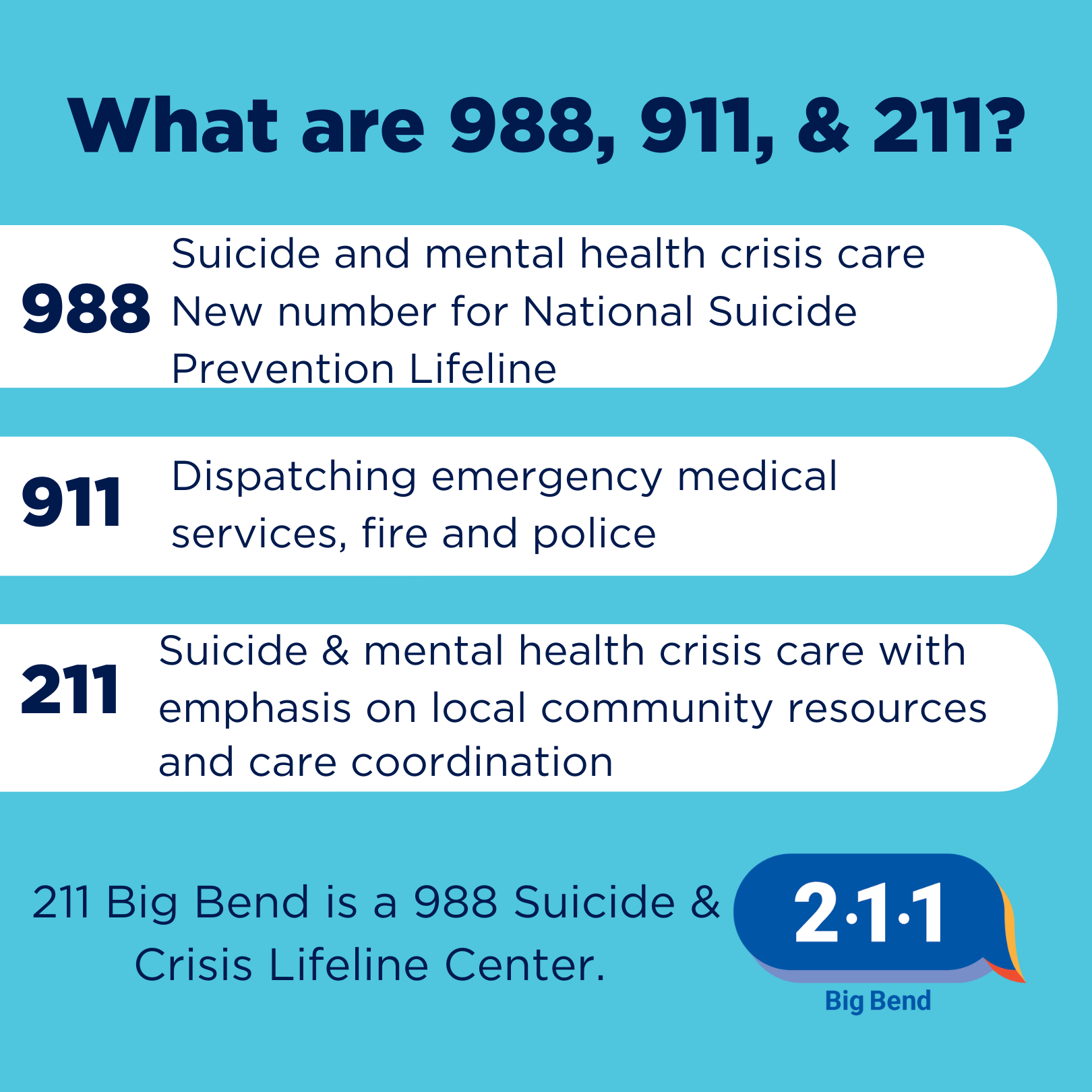
The urgency of mental health support has never been more apparent, and in this landscape, a simple, three-digit number has emerged as a beacon of hope: 988. This is not just another helpline; it’s the National Suicide & Crisis Lifeline, a transformative initiative designed to provide immediate, free, and confidential support to individuals experiencing a suicidal, mental health, or substance use-related crisis. Its existence signifies a critical evolution in how society addresses mental well-being, aiming to destigmatize seeking help and make accessible support a reality for everyone.
Understanding what 988 is for involves delving into its purpose, its operational mechanics, the vast spectrum of issues it addresses, and its profound implications for individuals and communities alike. It’s a testament to the growing recognition that mental health is as vital as physical health, and that timely intervention can save lives.
The Genesis and Evolution of 988: From 10-Digit Dialing to a Unified Lifeline
The journey to 988 as the primary suicide and crisis lifeline is rooted in a decades-long effort to streamline access to mental health support. Prior to its implementation, individuals in crisis often faced a complex and fragmented system, struggling to find the right resources amidst a multitude of hotlines and helplines, each with different numbers and varying levels of accessibility.
The Pre-988 Landscape: A Fragmented System
Before the widespread adoption of 988, accessing suicide prevention and mental health crisis services often involved remembering or searching for specific, longer phone numbers. The primary national hotline, the National Suicide Prevention Lifeline, was accessible via 1-800-273-TALK (8255). While this number was a vital resource, its length and memorability posed challenges, particularly during moments of acute distress when cognitive functioning can be severely impaired. This complexity acted as a significant barrier for many individuals who needed immediate assistance.
Furthermore, a multitude of local and regional crisis lines existed, each serving distinct geographic areas or specific populations. While these localized resources offered valuable support, their fragmented nature meant that individuals might not always be aware of the closest or most appropriate service. Navigating this labyrinth of numbers and services added an unnecessary layer of stress and confusion during already overwhelming times. The lack of a unified, easily recognizable number meant that the crucial first step of reaching out for help could be significantly hindered.
The Legislative Push for Simplicity: The National Suicide Hotline Designation Act
Recognizing the critical need for a more accessible and unified system, the United States Congress passed the National Suicide Hotline Designation Act in 2020. This landmark legislation officially designated 988 as the three-digit dialing code for the National Suicide Prevention Lifeline. The impetus behind this act was straightforward: to simplify the process of reaching out for help to the absolute minimum, making it as easy to remember and dial as 911 for emergencies.
The creation of a simple, universally recognized number aimed to achieve several key objectives:
- Increased Accessibility: By reducing the number to three digits, the act sought to make it easier for anyone, regardless of their familiarity with mental health resources, to access support. This is particularly crucial for young people, older adults, and individuals who may be experiencing cognitive difficulties due to their crisis.
- Reduced Stigma: The association of 988 with emergency services like 911 helps to normalize seeking mental health support. When mental health crises are treated with the same urgency and accessibility as physical health emergencies, it can contribute to a significant reduction in the stigma surrounding mental illness.
- Improved Response Times: A more accessible system is expected to lead to an increase in calls, which in turn necessitates a more robust and responsive infrastructure. This push for simplification has driven investment and expansion of crisis center services.
- Unified Network: While 988 operates as a unified system, it connects callers to a network of trained crisis counselors at local and national call centers, ensuring that individuals receive the most appropriate and localized support available.
The transition to 988 was not an overnight implementation. It involved significant planning, infrastructure development, and collaboration between federal agencies, state and local governments, and mental health organizations to ensure that the system could handle the anticipated increase in demand.
What Issues Does 988 Address? A Spectrum of Crisis Support
The designation of 988 as the National Suicide & Crisis Lifeline signifies its role as a frontline defense against a broad spectrum of mental health and emotional distress. It is designed to be a point of contact for anyone experiencing a crisis, irrespective of its specific nature, severity, or duration. The trained professionals at 988 are equipped to handle a wide array of challenges, providing immediate support and guidance.
Suicidal Ideation and Attempts
The most prominent and primary purpose of the 988 lifeline is to provide support for individuals experiencing suicidal thoughts or who are actively contemplating suicide. This includes offering a safe, non-judgmental space for them to express their feelings, explore reasons for living, and develop coping strategies. Crisis counselors are trained in de-escalation techniques and suicide prevention protocols, working collaboratively with callers to assess risk and connect them with appropriate resources, which may include emergency services if an immediate threat to life is present.
Mental Health Crises Beyond Suicidality
While suicidality is a critical focus, 988’s scope extends far beyond this singular issue. It serves as a vital resource for a myriad of mental health crises, including:
- Depression and Anxiety: Individuals experiencing severe episodes of depression or overwhelming anxiety that are impacting their daily functioning and well-being can find solace and support. This might involve helping them to regulate their emotions, identify triggers, and connect with ongoing mental health care.
- Panic Attacks: During a panic attack, individuals can feel overwhelmed by intense fear and physical symptoms. 988 counselors can guide them through the experience, helping them to calm down and manage the immediate distress.
- Grief and Loss: The profound emotional pain associated with the death of a loved one, the end of a significant relationship, or other major losses can precipitate a crisis. 988 offers a listening ear and empathetic support during these difficult times.
- Trauma and PTSD: Survivors of trauma, including sexual assault, combat, or accidents, may experience flashbacks, nightmares, and severe emotional distress. 988 can provide immediate support and help them to navigate these challenging moments.
- Relationship Difficulties: Severe interpersonal conflicts, domestic disputes, or family emergencies can lead to acute emotional distress. Counselors can help individuals to process their emotions, develop communication strategies, and explore potential solutions.
Substance Use Crises and Addiction Support
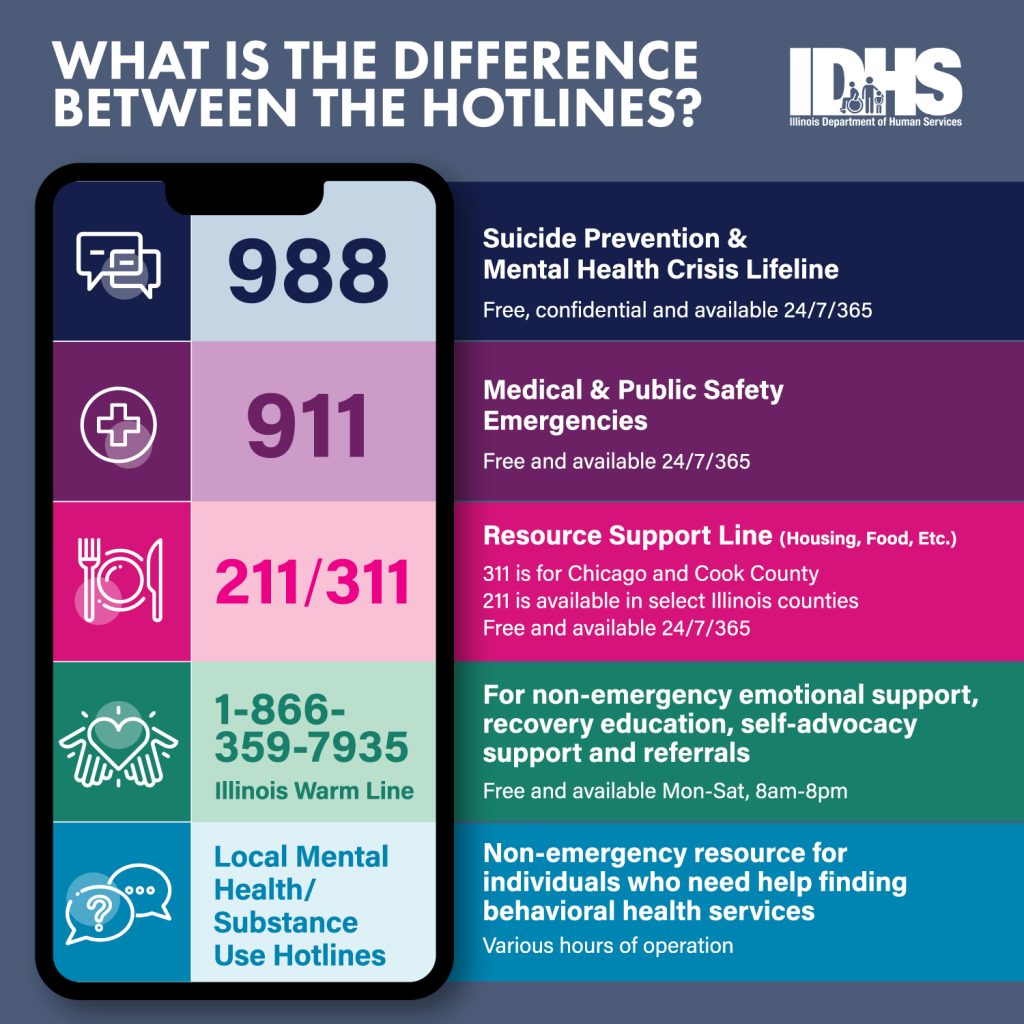
Recognizing the interconnectedness of mental health and substance use, 988 also serves individuals experiencing crises related to alcohol or drug use. This includes:
- Acute Intoxication: For individuals struggling with overwhelming intoxication and its immediate consequences, 988 can offer guidance and help them to assess the need for medical attention.
- Withdrawal Symptoms: Experiencing severe withdrawal symptoms can be a crisis in itself. Counselors can provide support, information, and referrals to treatment centers.
- Relapse Prevention: Individuals in recovery who are experiencing urges or are at risk of relapse can find immediate support and strategies to navigate these challenges.
- Co-occurring Disorders: Many individuals struggle with both mental health conditions and substance use disorders. 988 counselors are trained to address these co-occurring challenges, offering integrated support and referrals.
The beauty of 988 lies in its universality. It is a resource for anyone who feels overwhelmed, distressed, or in need of immediate emotional support. The trained professionals are equipped to listen without judgment, offer coping strategies, and provide connections to further resources, whether that’s therapy, medical attention, or social services.
How 988 Operates: Connecting You to Immediate Support
The effectiveness of the 988 Suicide & Crisis Lifeline hinges on its operational framework, designed to ensure that individuals in need receive timely and appropriate support. This involves a sophisticated network of trained professionals, advanced technological infrastructure, and a commitment to privacy and accessibility.
The Role of Trained Crisis Counselors
At the heart of the 988 system are its crisis counselors. These individuals undergo rigorous training to equip them with the skills necessary to respond to a wide range of emotional distress. Their training typically encompasses:
- Active Listening and Empathy: Counselors are trained to listen attentively and empathetically, creating a safe and supportive environment where callers feel heard and understood.
- De-escalation Techniques: They learn strategies to calm individuals who are experiencing intense emotions, such as anger, fear, or despair, and to guide them towards a more stable emotional state.
- Suicide Risk Assessment: Counselors are adept at assessing the immediate risk of suicide by asking direct questions about thoughts, plans, and intent. This assessment informs the appropriate level of intervention.
- Crisis Intervention Strategies: They are equipped with various techniques to help individuals cope with immediate crises, develop problem-solving skills, and identify personal strengths.
- Resource Navigation: Counselors have access to extensive databases of local and national resources, including mental health providers, substance use treatment centers, shelters, and social services. They can help callers connect with these resources for ongoing support.
These counselors work across a distributed network of call centers, ensuring that calls are routed efficiently and that geographical proximity can be a factor in referrals when appropriate. The training is continuously updated to reflect the latest best practices in mental health crisis intervention.
Confidentiality and Accessibility: Pillars of Trust
A fundamental aspect of the 988 Lifeline’s operation is its unwavering commitment to confidentiality and accessibility.
- Confidentiality: All conversations with 988 crisis counselors are confidential. This is crucial for building trust and encouraging individuals to share their most vulnerable thoughts and feelings without fear of judgment or repercussion. While there are legal exceptions, such as imminent danger to oneself or others, these are rare and handled with utmost care and professionalism.
- Free of Charge: Dialing 988 is free of charge, removing financial barriers to accessing critical mental health support. This ensures that economic status does not preclude anyone from receiving help.
- 24/7 Availability: The Lifeline operates 24 hours a day, seven days a week, 365 days a year. This means that help is available at any time, day or night, during moments of acute distress, regardless of when they occur.
- Multiple Access Points: In addition to phone calls, 988 also offers support via text and online chat. This multi-modal approach acknowledges that individuals may have preferences for how they communicate their distress, and it caters to those who may not be able to speak aloud or are in situations where speaking is not feasible.
The technological backbone of 988 enables seamless routing of calls, texts, and chats to trained counselors. It also facilitates data collection and analysis, which helps to identify trends, improve services, and allocate resources more effectively. The ongoing development and refinement of this infrastructure are critical to the Lifeline’s ability to meet the growing demand for mental health support.
The Impact and Future of 988: A Transformative Force in Mental Healthcare
The establishment of the 988 Suicide & Crisis Lifeline represents a monumental shift in how society approaches mental health emergencies. It is more than just a phone number; it is a testament to a growing collective understanding that mental well-being is a fundamental aspect of public health, and that accessible, immediate support can be a life-saving intervention.
Saving Lives and Reducing Stigma
The most profound impact of 988 is its direct role in saving lives. By providing a simple, accessible, and confidential point of contact, it empowers individuals in crisis to reach out for help before their situation escalates to a point of irreversible tragedy. Early intervention is key, and 988 serves as the critical first step in connecting individuals with the support they need.
Beyond immediate crisis intervention, 988 is a powerful tool in the ongoing effort to reduce the stigma surrounding mental health issues. When a dedicated, easy-to-remember number exists for mental health crises, it signals to the public that seeking help is not a sign of weakness but a sign of strength and self-care. This normalization of seeking support can encourage more people to come forward, leading to earlier diagnosis, treatment, and improved long-term mental health outcomes for individuals and communities.

Expanding Beyond Crisis: Integration and Evolution
The vision for 988 extends beyond its immediate crisis intervention role. There is a concerted effort to integrate it more broadly into the continuum of mental healthcare. This includes:
- Connecting to Ongoing Care: While 988 excels at immediate crisis support, its counselors are crucial in helping individuals transition to longer-term mental health services. This involves referrals to therapists, psychiatrists, support groups, and other community resources that can provide sustained care.
- Addressing Root Causes: As the Lifeline evolves, there is increasing recognition of the need to address the systemic factors that contribute to mental health crises. This includes advocacy for improved mental healthcare access, affordable treatment options, and public awareness campaigns.
- Technological Advancements: The infrastructure supporting 988 is continuously being enhanced. This includes exploring the use of AI for improved routing and resource allocation, developing more robust text and chat functionalities, and potentially integrating with other digital health platforms to provide a more comprehensive support system.
- Community Partnerships: The success of 988 relies on strong collaborations with local mental health organizations, first responders, and community leaders. These partnerships ensure that the Lifeline is a responsive and effective resource within diverse communities.
The establishment and continued development of 988 represent a significant stride forward in prioritizing mental health. It is a vital system that offers hope, immediate support, and a pathway to recovery for millions. As awareness and utilization of this critical resource grow, its potential to transform mental healthcare and save lives will only continue to expand.
aViewFromTheCave is a participant in the Amazon Services LLC Associates Program, an affiliate advertising program designed to provide a means for sites to earn advertising fees by advertising and linking to Amazon.com. Amazon, the Amazon logo, AmazonSupply, and the AmazonSupply logo are trademarks of Amazon.com, Inc. or its affiliates. As an Amazon Associate we earn affiliate commissions from qualifying purchases.