
Section 504 of the Rehabilitation Act of 1973 stands as a pivotal piece of civil rights legislation, prohibiting discrimination on the basis of disability by programs and activities that receive federal financial assistance. While often discussed in legal and educational contexts, understanding “what is 504 accommodations” is critically important through a financial lens, impacting both businesses and individuals directly. For organizations, compliance is a financial imperative, dictating everything from operational budgets to risk management. For individuals, these accommodations are a gateway to economic participation, influencing their access to education, employment, and ultimately, financial independence. Grasping the nuances of Section 504 from a financial perspective allows for strategic planning, mitigating risks, and unlocking economic potential across the board.
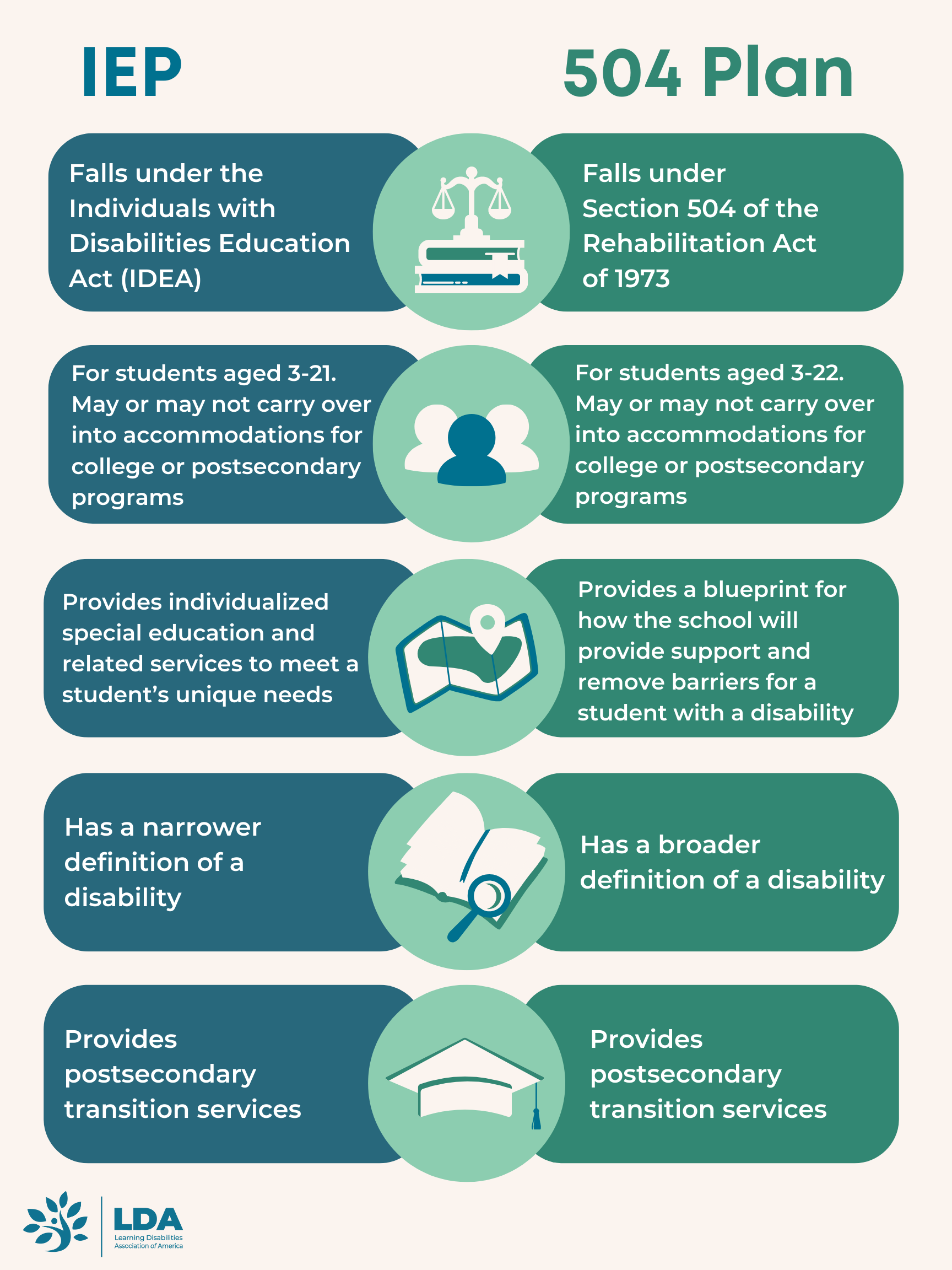
The Financial Imperative of Section 504 Compliance for Businesses
For any entity receiving federal funding—which includes a vast array of public and private institutions from schools and universities to healthcare providers and government contractors—Section 504 compliance isn’t merely an ethical obligation; it’s a fundamental aspect of sound business finance and risk management. The costs associated with non-compliance can be substantial, while proactive investment in accessibility can yield significant returns.
Avoiding Costly Litigation and Penalties
The most immediate and severe financial consequence of failing to provide required 504 accommodations is the risk of litigation and regulatory penalties. Non-compliance can lead to expensive lawsuits, including class-action suits, brought by individuals alleging discrimination. Legal defense fees alone can be prohibitive, even if a case is successfully defended. Should a judgment or settlement be reached against an organization, the financial outlays can run into hundreds of thousands or even millions of dollars, encompassing damages, attorney fees for the plaintiffs, and mandated corrective actions.
Furthermore, regulatory bodies, such as the U.S. Department of Education’s Office for Civil Rights (OCR) or the Department of Justice, can investigate complaints. Findings of non-compliance can result in strict enforcement actions, which may include requiring extensive corrective plans, imposing monitoring, and in severe cases, the suspension or termination of federal financial assistance—a catastrophic financial blow for many organizations whose operations are heavily subsidized by federal funds. The financial repercussions extend beyond direct payments, affecting an organization’s creditworthiness, ability to secure future contracts, and overall market valuation due to reputation damage.
Strategic Investment in Accessibility and Inclusion
Viewing the provision of 504 accommodations as a strategic investment rather than a mere cost can fundamentally alter an organization’s financial outlook. While initial expenditures for accessibility improvements—such as installing ramps, accessible restrooms, assistive technology, or modifying digital interfaces for screen readers—may seem significant, they are often offset by long-term benefits and potential financial incentives.
Many governments offer tax credits and deductions for businesses that make their facilities more accessible to individuals with disabilities. For example, the Disabled Access Credit (IRS Form 8826) helps small businesses cover costs of providing access. Such incentives directly reduce an organization’s tax liability, making accessibility investments more financially viable. Beyond tax benefits, investment in a truly inclusive environment expands the talent pool from which an organization can draw. This access to a wider array of skills and perspectives can lead to innovation, improved problem-solving, and a more representative workforce that better understands and serves a diverse customer base—all of which contribute to financial growth and competitive advantage.
Moreover, a strong commitment to accessibility enhances an organization’s brand reputation. In an increasingly socially conscious marketplace, companies known for their inclusivity and ethical practices often attract more customers, investors, and top talent. This positive brand image translates into increased market share, customer loyalty, and ultimately, greater profitability, showcasing how strategic investment in 504 accommodations yields measurable financial returns.
Enhancing Employee Productivity and Retention
For employers, providing reasonable accommodations under Section 504 is a powerful tool for optimizing human capital and reducing costs associated with employee turnover. When employees with disabilities receive the necessary modifications to their work environment, equipment, or schedule, they are empowered to perform their duties effectively, often at par with or exceeding their peers. This direct link between accommodation and productivity means that organizations are maximizing the return on their investment in salaries and benefits for their entire workforce.
Moreover, a workplace that prioritizes and seamlessly integrates accommodations fosters a sense of belonging and value among employees with disabilities. This inclusivity significantly boosts job satisfaction and morale, leading to higher employee retention rates. The financial impact of reducing employee turnover is considerable; recruiting, hiring, and training new staff is an expensive process. By retaining experienced and skilled employees through effective accommodations, businesses save on these recurrent costs, ensuring continuity of knowledge and productivity. Furthermore, a diverse and accommodated workforce can lead to fewer workers’ compensation claims related to accessibility issues, further contributing to a healthier financial bottom line.
Section 504’s Economic Impact on Individual Financial Independence
Beyond its implications for organizations, Section 504 accommodations profoundly influence the financial well-being and independence of individuals with disabilities. By removing barriers in critical areas like education and employment, these provisions enable individuals to participate fully in economic life, securing stable incomes and building personal wealth.
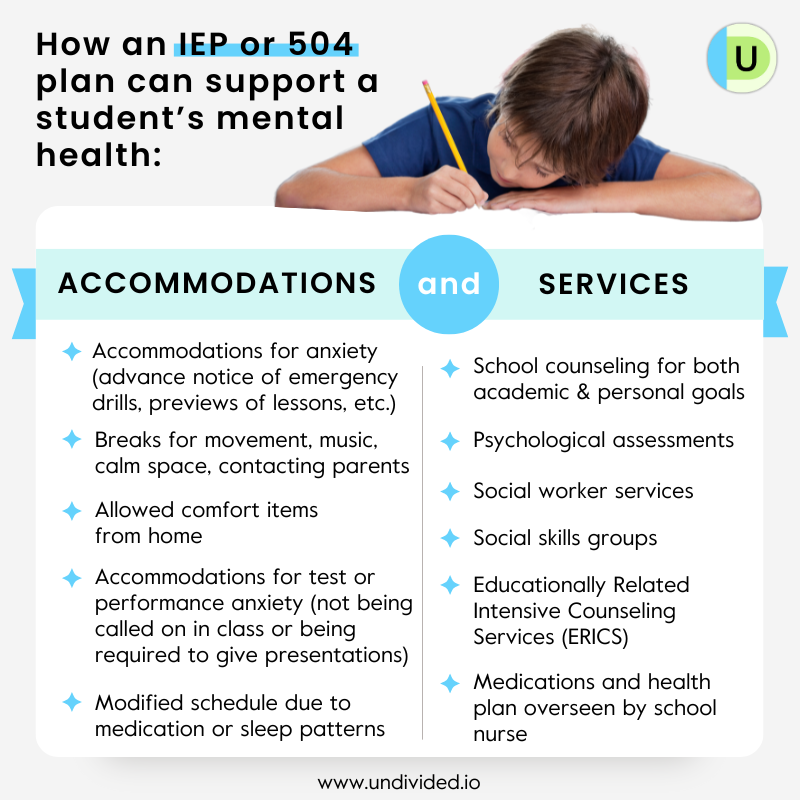
Access to Education as an Economic Gateway
For individuals, especially students, Section 504 accommodations are a vital economic gateway. These provisions mandate that educational institutions receiving federal funds provide necessary adjustments—such as extended time on tests, alternative formats for materials, assistive technology, or preferential seating—to ensure students with disabilities have an equal opportunity to learn and succeed. The financial significance of this access cannot be overstated. A robust education is the foundational pathway to higher earning potential and career mobility.
By facilitating successful completion of K-12 education and access to post-secondary education, Section 504 directly influences an individual’s long-term earning capacity. Without these accommodations, many students with disabilities would face insurmountable hurdles, potentially leading to lower educational attainment, fewer marketable skills, and consequently, reduced income prospects throughout their lives. Thus, Section 504 accommodations are an investment in human capital, enabling individuals to acquire the knowledge and credentials necessary to secure financially rewarding careers and contribute meaningfully to the economy.
Enabling Sustainable Employment and Income Generation
Once individuals transition from education to the workforce, Section 504 continues to play a critical role in their financial stability by ensuring access to and retention of employment. Employers who receive federal financial assistance are required to provide reasonable accommodations that enable qualified individuals with disabilities to perform the essential functions of their jobs. These accommodations might include modified work schedules, job restructuring, acquiring or modifying equipment, or making workplaces physically accessible.
The ability to secure and maintain sustainable employment is the cornerstone of personal financial independence. Section 504 ensures that individuals are judged on their qualifications and abilities, not their disabilities, when barriers can be reasonably overcome. This directly translates into stable income streams, access to employer-sponsored benefits like health insurance and retirement plans, and opportunities for career advancement. Without these protections and provisions, individuals with disabilities would face significantly higher rates of unemployment and underemployment, leading to reliance on public assistance programs, reduced purchasing power, and an inability to build personal savings and assets.
Reducing Healthcare and Support Costs through Independence
While Section 504 does not directly provide financial assistance for healthcare, its emphasis on promoting independence through accommodations can have significant indirect financial benefits for individuals over their lifetime. By enabling access to education and employment, Section 504 helps individuals achieve greater self-sufficiency. This self-sufficiency often translates into a reduced reliance on certain types of government financial aid or long-term care services that might otherwise be necessary if individuals were unable to work or participate fully in society.
For example, an individual who can maintain employment due to workplace accommodations is more likely to have private health insurance, reducing their out-of-pocket medical expenses and reliance on public healthcare programs. Similarly, increased income allows for greater personal investment in preventative care and assistive devices that further enhance independence. The long-term financial impact of independence—from managing daily living expenses to making strategic financial plans for retirement—is immeasurable, underscoring how Section 504 accommodations are fundamental to fostering a financially secure future for individuals with disabilities.
Budgeting and Resource Allocation for 504 Implementation
Effective financial management of Section 504 compliance requires proactive budgeting, strategic resource allocation, and an understanding of available support. For organizations, it’s about anticipating needs and integrating accessibility into the core financial planning.
Financial Planning for Accommodation Provision
Organizations receiving federal funding must integrate the costs of 504 accommodations into their annual financial planning and capital expenditure budgets. This involves more than just reacting to individual requests; it demands a forward-looking assessment of infrastructure, technology, and personnel training. For instance, budgeting for universal design principles in new construction or renovations can significantly reduce future retrofit costs. Allocating funds for assistive technology licenses, ongoing staff training on disability etiquette and accommodation processes, and regular accessibility audits of digital platforms should be standard practice. Transparent financial planning in this area not only ensures compliance but also positions the organization as a responsible and inclusive entity, potentially attracting diverse talent and patronage.
Leveraging External Funding and Support
While Section 504 mandates the provision of accommodations, it does not typically provide direct funding to organizations for these efforts. However, there are often various external funding sources and support mechanisms that can help defray costs. Government agencies at federal, state, and local levels may offer grants for specific accessibility improvements, assistive technology purchases, or disability inclusion initiatives. Non-profit organizations often provide resources, guidance, and sometimes direct financial aid for accessibility projects. Businesses can also explore partnerships with vocational rehabilitation agencies, which may cover the cost of certain accommodations for their clients. Astute financial managers will actively seek out and leverage these external resources to minimize the direct financial burden of compliance while maximizing the impact of their accessibility efforts.
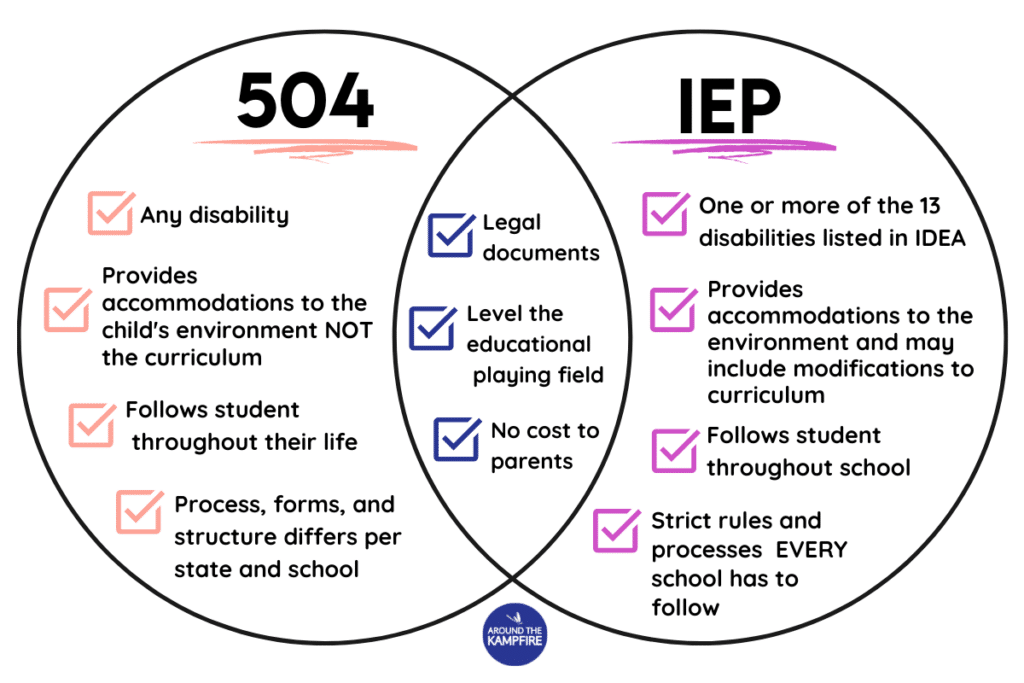
Cost-Benefit Analysis of Proactive Accessibility
Conducting a thorough cost-benefit analysis of proactive accessibility measures is a crucial financial exercise. While reactive accommodation requests can sometimes lead to rushed, expensive solutions, a proactive approach integrates accessibility from the outset. For example, building an accessible website from day one is far less costly than retrofitting an inaccessible one after receiving a discrimination complaint. Similarly, investing in ongoing disability awareness training for staff can prevent misunderstandings and legal missteps that lead to costly grievances or lawsuits. From a financial perspective, proactive accessibility minimizes legal fees, avoids potential fines and penalties, protects brand reputation, expands customer bases, and improves employee productivity and retention. The initial investment in proactive accessibility typically yields substantial financial returns over time, transforming a perceived cost into a strategic financial advantage.
aViewFromTheCave is a participant in the Amazon Services LLC Associates Program, an affiliate advertising program designed to provide a means for sites to earn advertising fees by advertising and linking to Amazon.com. Amazon, the Amazon logo, AmazonSupply, and the AmazonSupply logo are trademarks of Amazon.com, Inc. or its affiliates. As an Amazon Associate we earn affiliate commissions from qualifying purchases.