
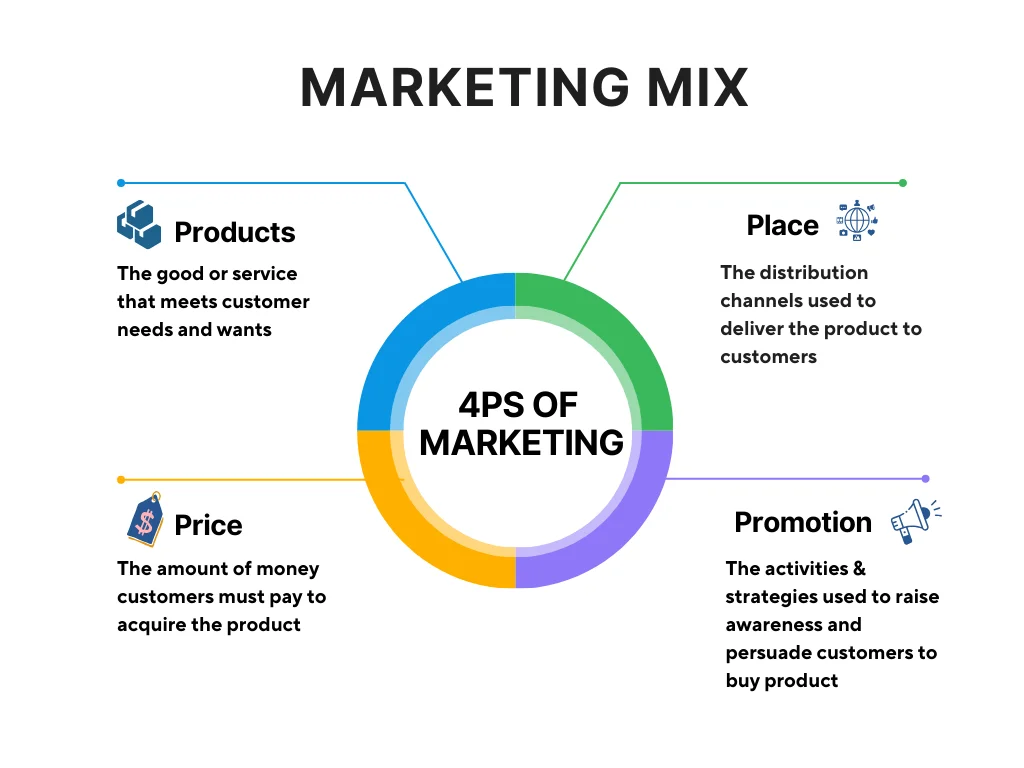
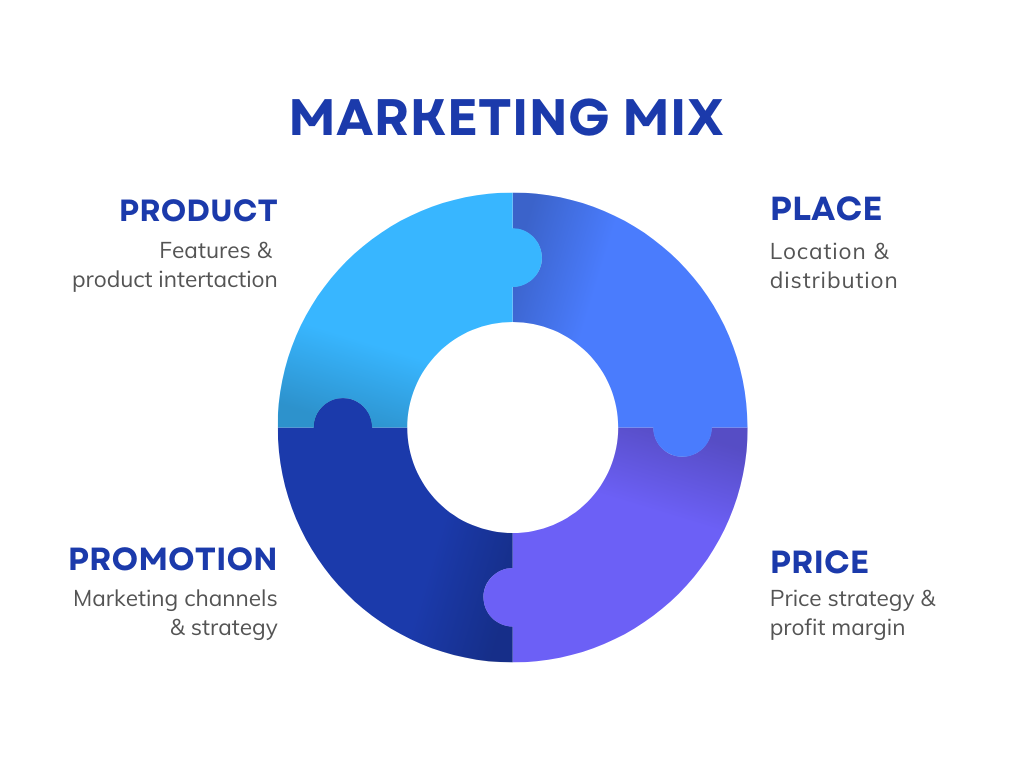
The 4Ps of marketing – Product, Price, Place, and Promotion – form a foundational framework for understanding and executing effective marketing strategies. Developed by E. Jerome McCarthy in the 1960s, this model provides a structured approach for businesses to consider the key elements that influence a customer’s purchasing decision. In today’s dynamic marketplace, where consumer behavior is constantly evolving and competition is fierce, a deep understanding and adept application of the 4Ps are more crucial than ever for building strong brands, driving sales, and fostering long-term customer loyalty. This article delves into each of the 4Ps, exploring their significance, interdependencies, and practical application in crafting successful marketing campaigns.
Product: The Core Offering
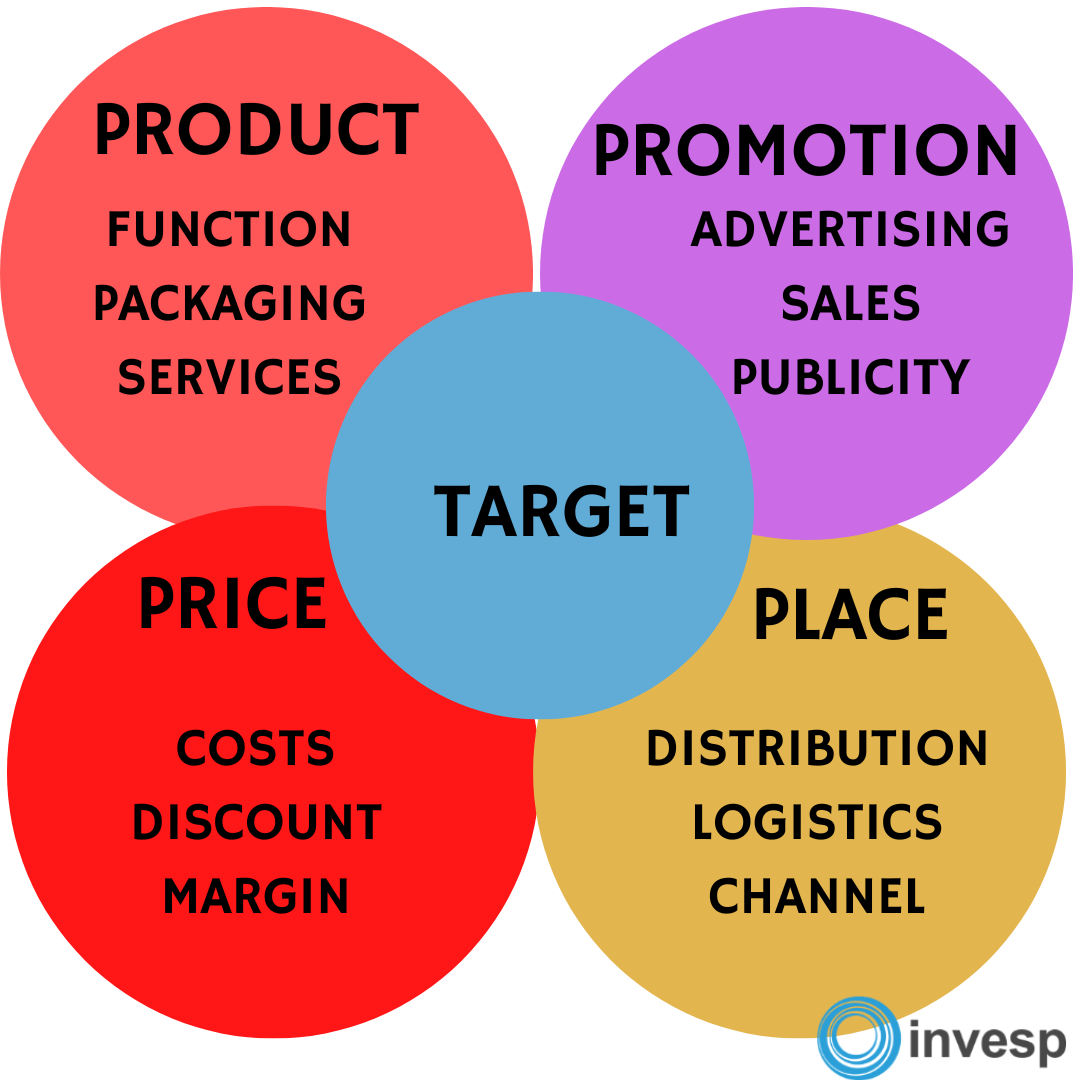
The “Product” in the marketing mix refers to the actual good or service that a business offers to its target market. It’s not just about the tangible item but encompasses everything that satisfies a customer’s need or want. This includes its features, quality, design, branding, packaging, services, and even the warranties or guarantees associated with it. A well-defined product is the bedrock upon which all other marketing efforts are built.
Understanding Customer Needs and Wants
At the heart of product development lies a thorough understanding of the target audience. What problems does the product solve? What desires does it fulfill? Businesses must invest in market research, customer surveys, and feedback mechanisms to gain insights into customer preferences, pain points, and unmet needs. This deep dive helps in creating products that resonate with the market and offer genuine value. For instance, a company developing a new smartphone would research consumer desires for camera quality, battery life, processing speed, and user-friendly interfaces before finalizing its specifications.
Features, Quality, and Design
The attributes of a product are critical for differentiating it from competitors. Features are the specific functionalities or characteristics that make a product appealing. Quality refers to the standard of excellence and durability. Design encompasses both the aesthetic appeal and the functional usability of the product. A superior product, characterized by innovative features, high quality, and thoughtful design, naturally attracts more attention and commands higher customer satisfaction. Consider the automotive industry; a car’s fuel efficiency, safety features, and sleek design are key product attributes that influence purchasing decisions.
Branding and Packaging
Branding is the process of creating a unique identity for a product or company that distinguishes it from competitors. This includes the brand name, logo, slogan, and the overall brand personality. A strong brand evokes emotions, builds trust, and creates a sense of familiarity and loyalty. Packaging, on the other hand, is the container or wrapping of a product. It serves not only to protect the product but also to attract attention on the shelf, communicate brand identity, and provide essential product information. Think of Apple’s minimalist packaging for its iPhones, which reinforces its premium brand image and sophisticated design.
Services and Support
Beyond the tangible product, the services and support offered can significantly enhance its value proposition. This includes pre-sale consultations, installation services, after-sales support, customer service, and warranty provisions. Excellent service can turn a satisfied customer into a loyal advocate. For example, a software company offering responsive customer support and regular updates for its product is likely to retain its user base longer than one that provides minimal assistance.
Price: The Value Exchange
Price is the monetary amount a customer pays for a product or service. It’s a critical element of the marketing mix because it directly impacts revenue and profitability, and it communicates the perceived value of the offering to the customer. Setting the right price requires a delicate balance between covering costs, achieving profit margins, and remaining competitive in the market, all while aligning with the customer’s willingness to pay.
Pricing Strategies and Objectives
Businesses employ various pricing strategies to achieve different objectives. Cost-plus pricing, for instance, involves adding a markup to the cost of producing the product. Value-based pricing, on the other hand, sets prices based on the perceived value to the customer. Penetration pricing aims to gain market share quickly by setting a low initial price, while price skimming involves setting a high initial price for a new product and then gradually lowering it. The chosen strategy often depends on the company’s overall business goals, such as maximizing profit, increasing market share, or establishing a premium image. For a new tech gadget, a company might use price skimming to capitalize on early adopters before a broader release.
Understanding Perceived Value and Willingness to Pay
A product’s price should reflect its perceived value to the customer. If customers perceive the product to be of high quality and offering significant benefits, they are likely willing to pay a higher price. Conversely, if the perceived value is low, a high price will deter potential buyers. Understanding what drives this perception involves analyzing customer demographics, psychographics, and their specific needs and priorities. A luxury car brand, for example, prices its vehicles higher because it sells not just transportation but also status, craftsmanship, and an exclusive experience.
Competitive Pricing and Market Dynamics
Competitors’ pricing strategies significantly influence a company’s own pricing decisions. Businesses must monitor their competitors’ prices to ensure they remain competitive. However, simply matching competitor prices isn’t always the best approach. Differentiating on factors like quality, service, or brand reputation can justify a higher price. Market dynamics, such as supply and demand, economic conditions, and industry trends, also play a crucial role in price setting. During periods of high demand and limited supply, prices can naturally rise.
Discounts, Allowances, and Payment Terms
Beyond the list price, businesses often utilize discounts, allowances, and flexible payment terms to influence purchasing decisions. Discounts can incentivize immediate purchase, bulk buying, or loyalty. Allowances might be offered for trade-ins or promotional activities. Payment terms, such as installment plans or credit options, can make higher-priced items more accessible to a wider range of customers. For example, a furniture retailer might offer a 10% discount for first-time buyers or provide a 0% interest financing option over 12 months.
Place: Distribution and Accessibility
“Place” in the marketing mix refers to how a product or service is made available to the target customer. It encompasses the distribution channels, logistics, and locations where customers can access and purchase the offering. Effective place strategies ensure that the product is conveniently available at the right time and in the right quantities, minimizing barriers to purchase and maximizing reach.
Distribution Channels: Reaching Your Audience
Choosing the right distribution channels is paramount for ensuring a product reaches its intended market efficiently. These channels can include direct sales (e.g., through a company’s own website or physical stores), indirect sales (e.g., through wholesalers, retailers, or agents), or a combination of both. The selection depends on factors such as the product type, target market, cost, and desired level of control. For instance, a small artisan craft producer might sell through local boutiques and an online marketplace like Etsy, while a large consumer electronics manufacturer would likely utilize a vast network of retail partners and an extensive e-commerce presence.
Logistics and Supply Chain Management
Efficient logistics and supply chain management are critical for ensuring products are delivered to the right place at the right time, in optimal condition. This involves managing inventory, transportation, warehousing, and order fulfillment. A well-oiled supply chain minimizes costs, reduces lead times, and enhances customer satisfaction by ensuring product availability and timely delivery. Companies like Amazon have revolutionized e-commerce through sophisticated logistics and fulfillment networks that enable rapid delivery of a vast array of products.
Market Coverage and Accessibility
The extent to which a product is available across different geographical areas and within various retail environments determines its market coverage and accessibility. Businesses must decide whether to pursue intensive distribution (making the product available everywhere), selective distribution (choosing a limited number of outlets), or exclusive distribution (offering the product through a single, highly selective outlet). The choice impacts brand image, sales volume, and the overall customer experience. High-end fashion brands often opt for exclusive distribution to maintain an aura of luxury and exclusivity.
Retail Environment and Online Presence
The physical retail environment and a company’s online presence are increasingly intertwined. For brick-and-mortar businesses, the store layout, ambiance, customer service, and product merchandising contribute significantly to the customer experience. In the digital realm, a user-friendly website, an intuitive e-commerce platform, and an engaging social media presence are essential for reaching and converting online customers. The rise of omnichannel retail, where online and offline channels are integrated, further emphasizes the importance of a seamless and consistent brand experience across all touchpoints. A clothing retailer might offer “click and collect” services, allowing customers to order online and pick up in-store, bridging the gap between their physical and digital presence.
Promotion: Communicating Value and Driving Action
“Promotion” encompasses all the activities a company undertakes to communicate the merits of its product and persuade target customers to buy it. It’s about informing, persuading, and reminding customers about a brand and its offerings. Effective promotional strategies are essential for building brand awareness, generating interest, creating demand, and ultimately driving sales.
Advertising and Public Relations
Advertising involves paid promotion through various media channels, such as television, radio, print, online ads, and social media. It aims to reach a broad audience and convey a specific marketing message. Public relations (PR), on the other hand, focuses on building and maintaining a positive public image through earned media, press releases, media relations, and event sponsorships. PR efforts aim to generate credibility and trust, often through third-party endorsements. A car manufacturer might advertise its new model on television and use PR to secure positive reviews in automotive publications.
Sales Promotion and Direct Marketing
Sales promotion involves short-term incentives to encourage immediate purchase, such as discounts, coupons, contests, and loyalty programs. These tactics can effectively boost sales during specific periods or for particular products. Direct marketing involves communicating directly with individual customers through channels like email marketing, direct mail, telemarketing, and SMS messaging. This personalized approach allows for targeted messaging and can foster stronger customer relationships. A coffee shop might offer a “buy one, get one free” coupon via its app for a limited time, or send personalized email newsletters to its subscribers.
Digital Marketing and Social Media Engagement
In the digital age, digital marketing has become indispensable. This includes search engine optimization (SEO), pay-per-click (PPC) advertising, content marketing, email marketing, and social media marketing. Social media platforms provide a powerful avenue for engaging directly with customers, building communities, and disseminating information. Effective social media strategies involve creating engaging content, responding to customer inquiries, and leveraging user-generated content. A travel agency could run targeted Facebook ads to showcase vacation packages and use Instagram to share stunning travel photos and customer testimonials.
Personal Selling and Word-of-Mouth Marketing
Personal selling involves direct interaction between a salesperson and a potential customer. This allows for customized presentations, addressing specific concerns, and building rapport. While labor-intensive, it can be highly effective for complex or high-value products. Word-of-mouth marketing, both online and offline, is driven by satisfied customers sharing their positive experiences with others. Encouraging and facilitating positive word-of-mouth through excellent products and services is an incredibly powerful and cost-effective promotional tool. A satisfied diner at a restaurant often recommends it to friends and family, a powerful form of word-of-mouth marketing.
The 4Ps marketing mix provides a comprehensive framework that, when applied thoughtfully and strategically, can guide businesses in developing robust marketing plans. Each element is interconnected, and success often lies in their harmonious integration to create a cohesive and compelling offering that resonates with the target audience and achieves business objectives.
aViewFromTheCave is a participant in the Amazon Services LLC Associates Program, an affiliate advertising program designed to provide a means for sites to earn advertising fees by advertising and linking to Amazon.com. Amazon, the Amazon logo, AmazonSupply, and the AmazonSupply logo are trademarks of Amazon.com, Inc. or its affiliates. As an Amazon Associate we earn affiliate commissions from qualifying purchases.