
In the intricate world of global commerce, the efficiency and resilience of a supply chain are paramount to a company’s financial health and competitive standing. While many businesses are familiar with outsourcing logistics to third-party providers (3PLs), a more advanced and strategically integrated model, Fourth-Party Logistics (4PL), has emerged as a critical driver of business finance and operational excellence. Understanding 4PL is not merely about identifying another service provider; it’s about grasping a fundamental shift in how organizations manage their entire supply chain ecosystem to unlock significant financial value.
A 4PL provider acts as a single point of contact, orchestrating and managing all aspects of a client’s supply chain, including 3PLs, carriers, warehousing, freight forwarding, and even IT systems. Unlike a 3PL, which typically manages specific operational functions, a 4PL takes on a much broader, strategic, and often advisory role. It essentially becomes an extension of the client’s executive team, focused on optimizing the entire supply chain from a holistic financial and operational perspective. This includes everything from strategic planning and network design to technology integration, performance management, and continuous process improvement, all with a keen eye on the bottom line.
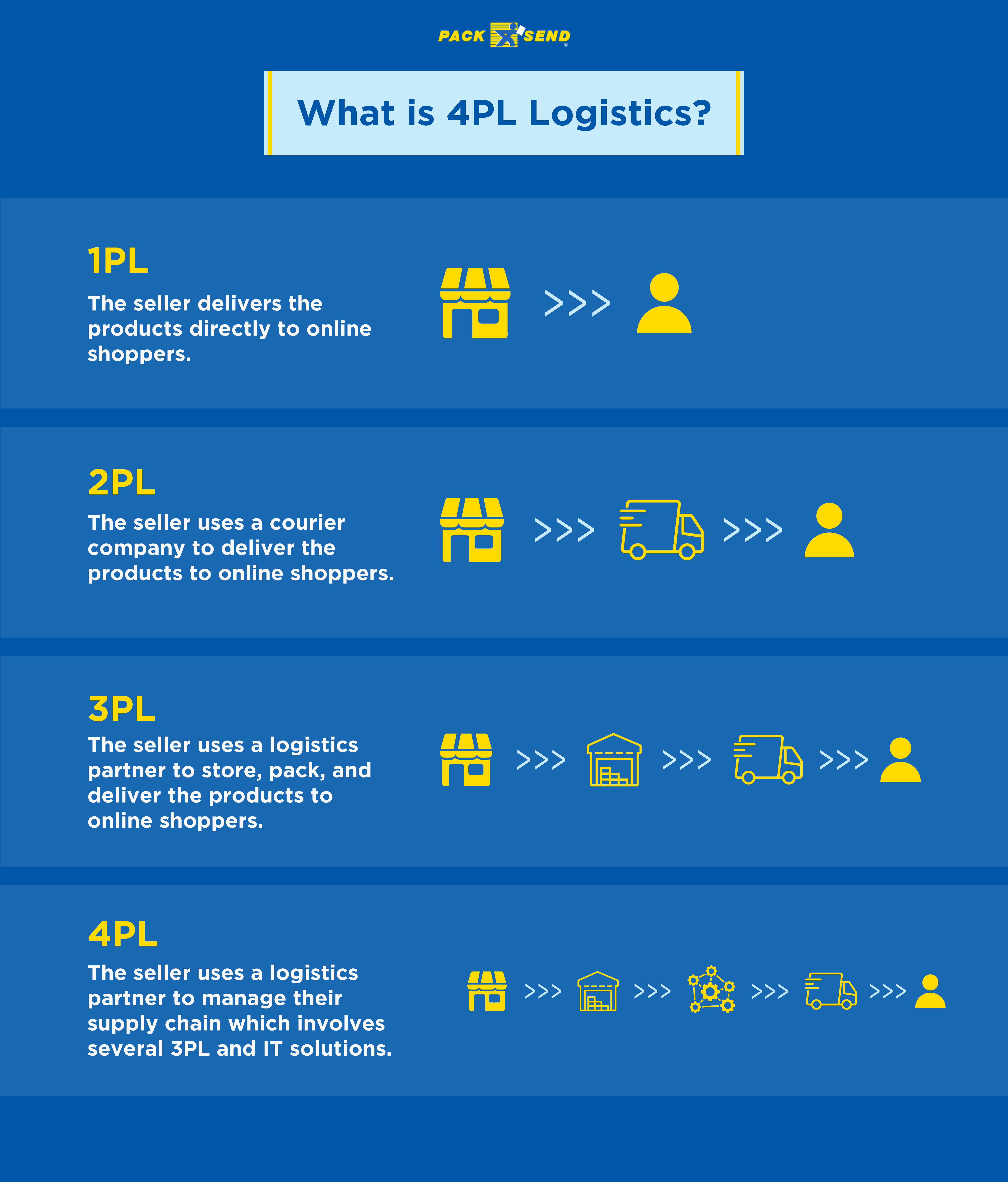
The Financial Imperative for 4PL Adoption
The decision to transition to a 4PL model is often rooted in a desire to achieve significant and sustainable financial improvements. Businesses grappling with spiraling logistics costs, inefficient capital deployment, or a lack of supply chain visibility increasingly turn to 4PLs as a strategic solution. This model offers several compelling financial advantages that directly impact profitability and shareholder value.
Cost Optimization and Efficiency Gains
One of the most immediate and tangible benefits of 4PL is its profound impact on cost optimization. A 4PL provider leverages its expertise, economies of scale, and advanced analytical tools to identify and eliminate inefficiencies across the entire supply chain. This includes optimizing transportation routes, negotiating better rates with carriers due to consolidated volume, streamlining warehousing operations, and reducing inventory holding costs. By taking a comprehensive view, a 4PL can uncover hidden costs and implement strategies that might be overlooked by an in-house team or a fragmented network of 3PLs.
Furthermore, a 4PL’s technology stack often includes sophisticated supply chain management (SCM) software, predictive analytics, and AI-driven optimization tools. These technologies provide real-time data and insights, enabling proactive decision-making that minimizes delays, reduces waste, and optimizes resource allocation, all directly contributing to reduced operational expenditure (OPEX) and improved cash flow. The ability to model different scenarios and forecast demand accurately helps companies avoid costly stockouts or overstock situations, further refining their financial performance.
Capital Expenditure (CAPEX) Reduction
For many businesses, investing in logistics infrastructure—warehouses, fleets of vehicles, and advanced SCM software—represents a substantial capital outlay. By partnering with a 4PL, companies can significantly reduce their CAPEX requirements. A 4PL already possesses the necessary assets, technology, and human capital, allowing clients to outsource these capital-intensive functions without incurring the upfront investment or ongoing maintenance costs. This frees up crucial capital that can be reallocated to core business activities, research and development, market expansion, or other strategic initiatives that directly drive revenue and competitive advantage. The shift from a capital-heavy operational model to a more agile, service-based financial structure improves return on assets (ROA) and strengthens a company’s balance sheet.
Risk Mitigation and Business Continuity
Supply chains are inherently vulnerable to a multitude of risks, including geopolitical instability, natural disasters, economic downturns, and supplier failures. These disruptions can have severe financial consequences, from lost sales and increased operational costs to reputational damage. A 4PL provider brings a robust framework for risk identification, assessment, and mitigation. They often have diversified networks of carriers and warehouses, contingency plans, and sophisticated risk management protocols in place. Their global reach and expertise allow them to pivot quickly in the face of disruptions, rerouting shipments, sourcing alternative suppliers, or activating backup facilities, thereby ensuring business continuity and minimizing financial exposure. The proactive management of supply chain risks translates directly into financial resilience and stability, safeguarding revenue streams and controlling unforeseen expenditures.
How 4PL Drives Business Value and ROI
Beyond cost savings and risk mitigation, 4PL partnerships are designed to create long-term business value, driving measurable Return on Investment (ROI) by enhancing strategic capabilities and market responsiveness.

Enhanced Supply Chain Visibility and Data-Driven Decisions
One of the most powerful contributions of a 4PL is the unparalleled visibility it offers into the entire supply chain. Through integrated technology platforms, clients gain a single, comprehensive view of inventory levels, shipment statuses, supplier performance, and operational costs. This real-time data empowers executives to make informed, data-driven decisions that optimize financial performance. Insights derived from this data can reveal opportunities for further cost reduction, identify bottlenecks, forecast future demand with greater accuracy, and pinpoint areas for strategic investment. The ability to monitor key performance indicators (KPIs) across the entire network enables continuous improvement and ensures that logistics operations are directly aligned with financial objectives.
Focus on Core Competencies and Strategic Growth
By entrusting their end-to-end supply chain management to a 4PL, businesses can redirect their internal resources and executive attention away from complex logistics operations and towards their core competencies. This strategic focus allows companies to invest more heavily in product innovation, marketing, sales, and customer relationship management – activities that directly drive revenue growth and strengthen market position. The 4PL effectively becomes the “control tower” for logistics, allowing the client to concentrate on what they do best, ultimately leading to greater market share and improved profitability. This strategic delegation facilitates agility and speed in reacting to market changes, providing a competitive edge.
Global Expansion and Market Responsiveness
Expanding into new international markets presents significant logistical challenges, including navigating diverse regulatory frameworks, establishing new distribution networks, and understanding local market dynamics. A 4PL, with its global network and expertise, can significantly de-risk and accelerate international expansion efforts. They possess the knowledge and infrastructure to set up and manage supply chains in new territories, ensuring compliance, optimizing customs processes, and establishing efficient distribution channels. This capability allows businesses to tap into new revenue streams faster and more cost-effectively, enhancing their global competitive posture and accelerating market penetration, all while maintaining financial control and predictability.
Key Considerations Before Partnering with a 4PL
While the financial benefits of a 4PL model are compelling, successful implementation requires careful consideration and a clear understanding of the partnership’s implications.
Aligning Business Goals with 4PL Capabilities
The selection of a 4PL provider must be a strategic decision, not merely a transactional one. It’s crucial for businesses to thoroughly assess their long-term financial goals, operational challenges, and strategic objectives, then find a 4PL whose capabilities, technology stack, and philosophical approach align perfectly. A deep dive into the 4PL’s financial stability, track record, industry expertise, and technological prowess is essential. The partnership should be viewed as a long-term strategic alliance aimed at continuous financial improvement and mutual growth. This includes clearly defining service level agreements (SLAs), performance metrics (KPIs), and financial incentives that align both parties’ interests.
Measuring Success: KPIs and Financial Metrics
Establishing clear, measurable KPIs and financial metrics is fundamental to evaluating the success and ROI of a 4PL partnership. These metrics should extend beyond traditional logistics measures like on-time delivery or freight cost per unit to include broader financial indicators such as total landed cost, inventory turnover, working capital efficiency, customer lifetime value, and overall profitability. Regular performance reviews, transparent reporting, and continuous dialogue are vital to ensure the 4PL is consistently delivering on its financial promises and adapting to evolving business needs. A robust financial tracking system allows companies to quantify the value generated by the 4PL and justify the investment.
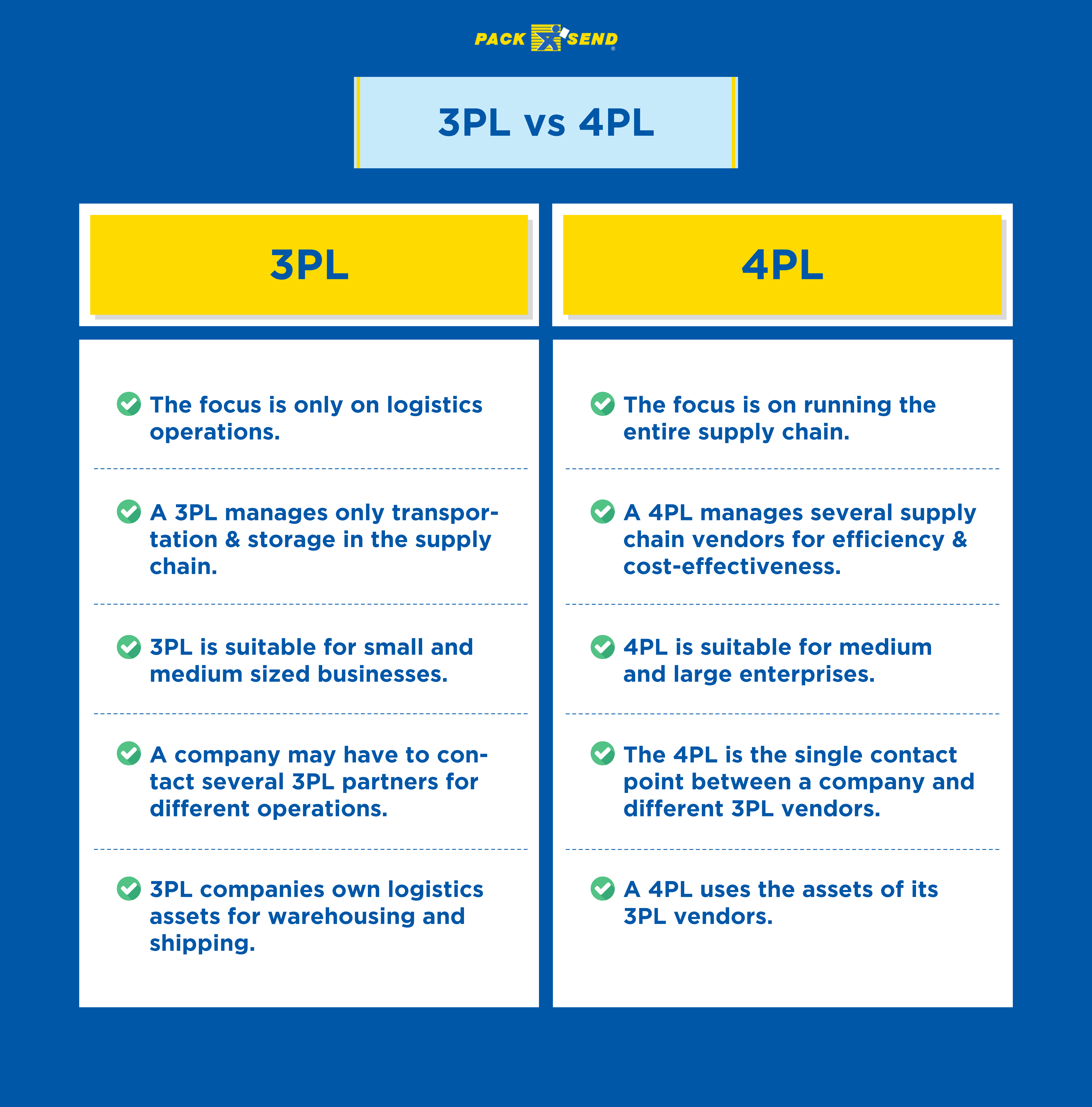
The Future of 4PL and its Financial Landscape
The landscape of 4PL is continuously evolving, driven by advancements in technology and the increasing complexity of global supply chains. The integration of cutting-edge technologies like Artificial Intelligence (AI) for demand forecasting and route optimization, Machine Learning (ML) for predictive maintenance and anomaly detection, and Blockchain for enhanced transparency and security will further amplify the financial benefits of 4PL. As sustainability becomes a critical financial and reputational factor, 4PLs will play a pivotal role in optimizing green logistics, reducing carbon footprints, and ensuring ethical sourcing, all of which contribute to long-term financial viability and brand value.
Ultimately, 4PL logistics represents a sophisticated and strategic approach to managing supply chains that directly impacts a company’s financial performance. It’s an investment in expert management and advanced technology that yields significant returns through cost reduction, capital efficiency, risk mitigation, and the strategic liberation of internal resources. For businesses aiming for sustained growth and enhanced profitability in an increasingly competitive global market, understanding and potentially adopting a 4PL model is no longer a luxury but a financial imperative.
aViewFromTheCave is a participant in the Amazon Services LLC Associates Program, an affiliate advertising program designed to provide a means for sites to earn advertising fees by advertising and linking to Amazon.com. Amazon, the Amazon logo, AmazonSupply, and the AmazonSupply logo are trademarks of Amazon.com, Inc. or its affiliates. As an Amazon Associate we earn affiliate commissions from qualifying purchases.