
The term “420” itself has become a widely recognized cultural touchstone, often associated with cannabis consumption. But beyond the numerical code, lies a rich and evolving lexicon of slang that permeates discussions about cannabis. For those unfamiliar, this specialized language can seem like a coded dialect, a barrier to understanding conversations or online content related to marijuana. This article delves into the world of 420 slang, exploring its origins, its expansion, and crucially, its modern iteration amplified and shaped by technology. While not a traditional tech topic, understanding this slang is increasingly relevant as legal cannabis markets mature and digital platforms become central to communication within this sphere.
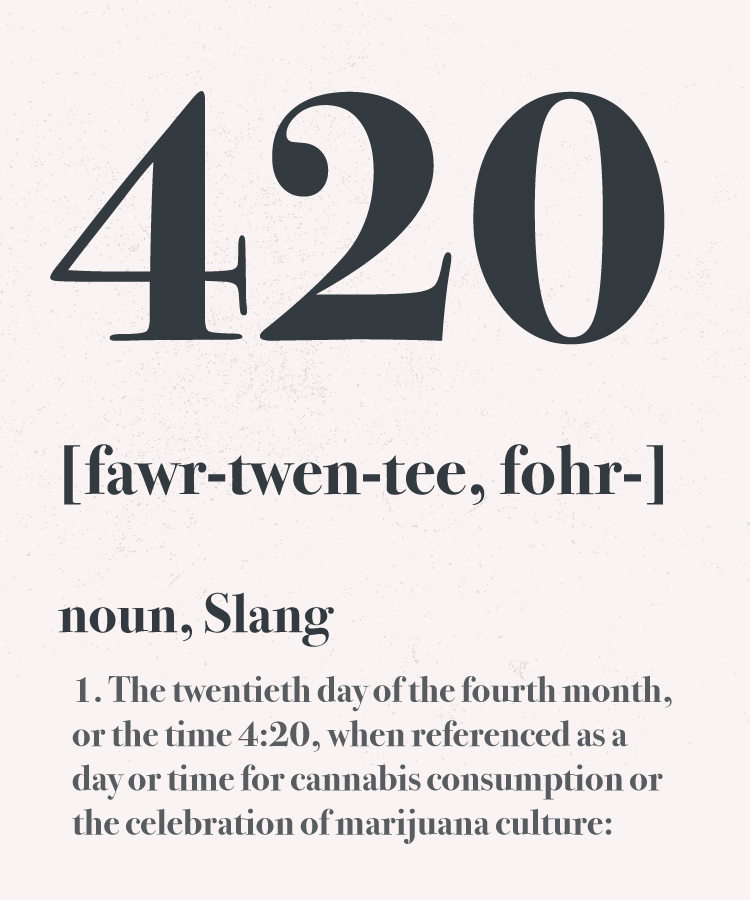
The Genesis and Evolution of 420 Slang
The roots of “420” are often debated, but a popular theory traces it back to a group of high school students in San Rafael, California, in the 1970s who used “4:20” as a code to meet and smoke cannabis. This seemingly simple act of coded communication laid the groundwork for a language that would expand exponentially. Initially, the slang was relatively straightforward, reflecting the plant itself and the act of consuming it.
Early Vernacular: Describing the Plant and the Act
In its nascent stages, 420 slang was largely descriptive. Terms emerged to refer to the cannabis plant, its various forms, and the methods of consumption. This was driven by a need for discretion in a time when cannabis was largely illegal.
- The Plant Itself: Early slang often referred to cannabis using terms like “weed,” “grass,” “pot,” “marijuana,” and “ganja.” These were fairly common and often used interchangeably, aiming to be innocuous while still conveying the subject.
- Forms of Cannabis: Different preparations and strains also garnered specific names. “Bud” or “flower” referred to the dried buds of the cannabis plant, while “hashish” or “hash” denoted a more concentrated resin. Edible forms might be alluded to with terms like “brownies” or “cookies,” often in a context that implied their true nature.
- Methods of Consumption: The act of smoking was described with a variety of verbs and phrases. “Toking” became a common term for inhaling from a joint or pipe. “Blazing” suggested a more intense or enjoyable smoking experience. Other terms like “puffing” or “hitting” were also prevalent.
- The Experience: Slang also developed to describe the effects of cannabis. “Getting high” was the most ubiquitous phrase, but variations like “stoned,” “baked,” or “lifted” also appeared, conveying different nuances of the psychoactive experience.
This early vocabulary was primarily transmitted through word-of-mouth, informal gatherings, and printed materials like underground zines. The limitations of such dissemination meant that slang evolved organically within specific communities.
The Digital Age: Amplification and Diversification of 420 Slang
The advent of the internet, and subsequently social media and digital forums, has profoundly altered the landscape of 420 slang. What was once confined to localized dialects now has the potential for global reach, leading to both standardization and rapid innovation in terminology. Technology acts as a powerful accelerant, influencing not only the creation of new terms but also their widespread adoption and understanding.
Online Communities and Forums: The Crucible of Modern Slang
The internet provided a fertile ground for cannabis enthusiasts to connect, share information, and develop a shared language. Online forums, chat rooms, and later, dedicated websites became virtual gathering spaces where slang could flourish and evolve at an unprecedented pace.
- Reddit and Niche Subreddits: Platforms like Reddit, with its vast array of subreddits dedicated to cannabis culture (e.g., r/trees, r/weed, r/cannabis), have become major hubs for the creation and dissemination of 420 slang. Users actively engage in discussions, sharing experiences, asking questions, and naturally introducing and reinforcing new terms.
- Online Forums and Message Boards: Before the dominance of social media, dedicated cannabis forums were instrumental in fostering online communities. These platforms allowed for more in-depth discussions and the development of specialized vocabularies within specific subcultures of cannabis users.
- Emergence of New Terminology: The anonymity and accessibility of online spaces encourage linguistic experimentation. New slang terms are constantly being coined, often as euphemisms, humorous takes, or to describe novel consumption methods or products that emerge with changing legal landscapes.
The digital environment allows for a more democratic and rapid evolution of slang. A term that gains traction in one online community can quickly spread to others, leading to a more unified, albeit still diverse, lexicon.
Social Media and Visual Communication: Popularizing and Codifying
Social media platforms have taken the dissemination of 420 slang to a new level. Beyond text-based discussions, visual elements and the inherent shareability of these platforms play a crucial role in popularizing and codifying terms.
- Hashtag Culture: Hashtags on platforms like Instagram and Twitter serve as powerful tools for categorizing and discovering content related to cannabis. Users employ specific hashtags that often incorporate slang terms, making them more visible and searchable. For example, hashtags related to specific strains or consumption methods might embed niche slang.
- Meme Culture and Virality: Memes, often utilizing humor and relatable scenarios, are a significant driver of slang adoption. A catchy phrase or a funny meme incorporating a new slang term can go viral, introducing it to a much wider audience within the cannabis community and even beyond.
- Influencer Marketing and Content Creation: Cannabis influencers and content creators on platforms like YouTube and TikTok often use and popularize slang in their videos and posts. Their large followings can quickly absorb and begin using new terminology, further embedding it into the broader 420 lexicon.
- Emojis and Visual Cues: While not strictly slang, emojis often serve as shorthand for cannabis-related concepts and can be used in conjunction with slang terms to enhance communication and add a layer of visual codification.
The visual and easily shareable nature of social media means that slang terms can become instantly recognizable and widely understood within moments of their emergence. This digital amplification significantly contributes to the dynamic and ever-changing nature of 420 slang.
Modern 420 Slang: Beyond the Basics in the Digital Sphere
As the cannabis industry matures, particularly with the rise of legal markets and a wider array of products, 420 slang has become more sophisticated, nuanced, and often more technical, reflecting the evolving landscape. This sophistication is heavily influenced by digital communication tools that allow for rapid information exchange and the categorization of an ever-expanding range of terms.
Specialized Terminology for Products and Consumption Methods
The legalization and commercialization of cannabis have led to an explosion of new products and consumption methods, each requiring its own specialized vernacular. This is where technology’s influence is most evident in the sheer volume and specificity of the slang.
- Cannabinoid and Terpene Nomenclature: Beyond just “THC” and “CBD,” discussions now frequently involve terms related to specific cannabinoids (e.g., CBN, CBG) and terpenes (e.g., myrcene, limonene, pinene), which are known for their distinct aromas and potential effects. This scientific terminology has been integrated into everyday slang.
- Dabbing and Concentrates: The rise of cannabis concentrates and the associated act of “dabbing” has introduced a new set of slang. Terms like “shatter,” “wax,” “budder,” and “rosin” refer to different types of concentrates, while “rig,” “banger,” and “dab tool” are common accessories. The act itself is often referred to as “taking a dab.”
- Vaporizers and Devices: The increasing popularity of vaporizers has led to slang for different types of devices and their functions. Terms like “pen,” “dab pen,” “desktop vaporizer,” and “e-nail” are now part of the common lexicon.
- Edibles and Dosing: With the proliferation of edibles, slang has emerged to describe their potency and consumption. Terms like “microdosing” refer to taking very small, sub-perceptual doses, while the intensity of an edible experience might be described with phrases like “food coma” or “couch-locked.”
The ability for users to instantly research and share information online about new products and their effects contributes to the rapid adoption of this specialized slang. Online reviews, product databases, and forums play a significant role in this process.
Evolving Slang in a Legally Gray and Increasingly Legal Landscape
The legal status of cannabis varies globally, creating a complex environment where slang serves as both a marker of community and a tool for discretion. As markets become more regulated, the nature of slang also shifts, becoming more integrated into commercial language and digital marketing.
- Discreet Communication in Legal Markets: Even in legal markets, some consumers prefer to use slang to maintain privacy or simply as a matter of habit. This can include using coded language in public or when discussing purchases.
- Integration into Marketing and Branding: As cannabis becomes more mainstream, brands are increasingly incorporating 420 slang into their marketing materials and product names. This reflects an understanding of the target audience and aims to create a sense of familiarity and authenticity. Technology platforms facilitate this by allowing for targeted advertising and the creation of online brand identities.
- Global Dissemination and Adaptation: The internet has facilitated the spread of 420 slang globally. However, local cultures also adapt and create their own unique slang terms, leading to a fascinating interplay between universal and regionalized terminology. Online translation tools and global forums allow for cross-cultural exchange and influence.
- Digital Security and Euphemisms: In some contexts, slang continues to serve as a euphemism for discretion, particularly when discussing cannabis in less tolerant environments or when engaging in online transactions where discretion is paramount. Understanding this slang can therefore be crucial for interpreting online content and conversations accurately.
In conclusion, 420 slang is a dynamic and evolving linguistic phenomenon. While its origins are rooted in discreet communication, its modern iteration is inextricably linked to the digital world. Technology, through online communities, social media, and the very infrastructure of the internet, has become the primary engine driving the creation, dissemination, and adaptation of this unique lexicon. For anyone engaging with cannabis culture in the 21st century, a basic understanding of this slang is increasingly essential, not just for comprehension but for navigating the digital spaces where it thrives.
aViewFromTheCave is a participant in the Amazon Services LLC Associates Program, an affiliate advertising program designed to provide a means for sites to earn advertising fees by advertising and linking to Amazon.com. Amazon, the Amazon logo, AmazonSupply, and the AmazonSupply logo are trademarks of Amazon.com, Inc. or its affiliates. As an Amazon Associate we earn affiliate commissions from qualifying purchases.