
The Critical Threshold for Water and Its Technological Implications
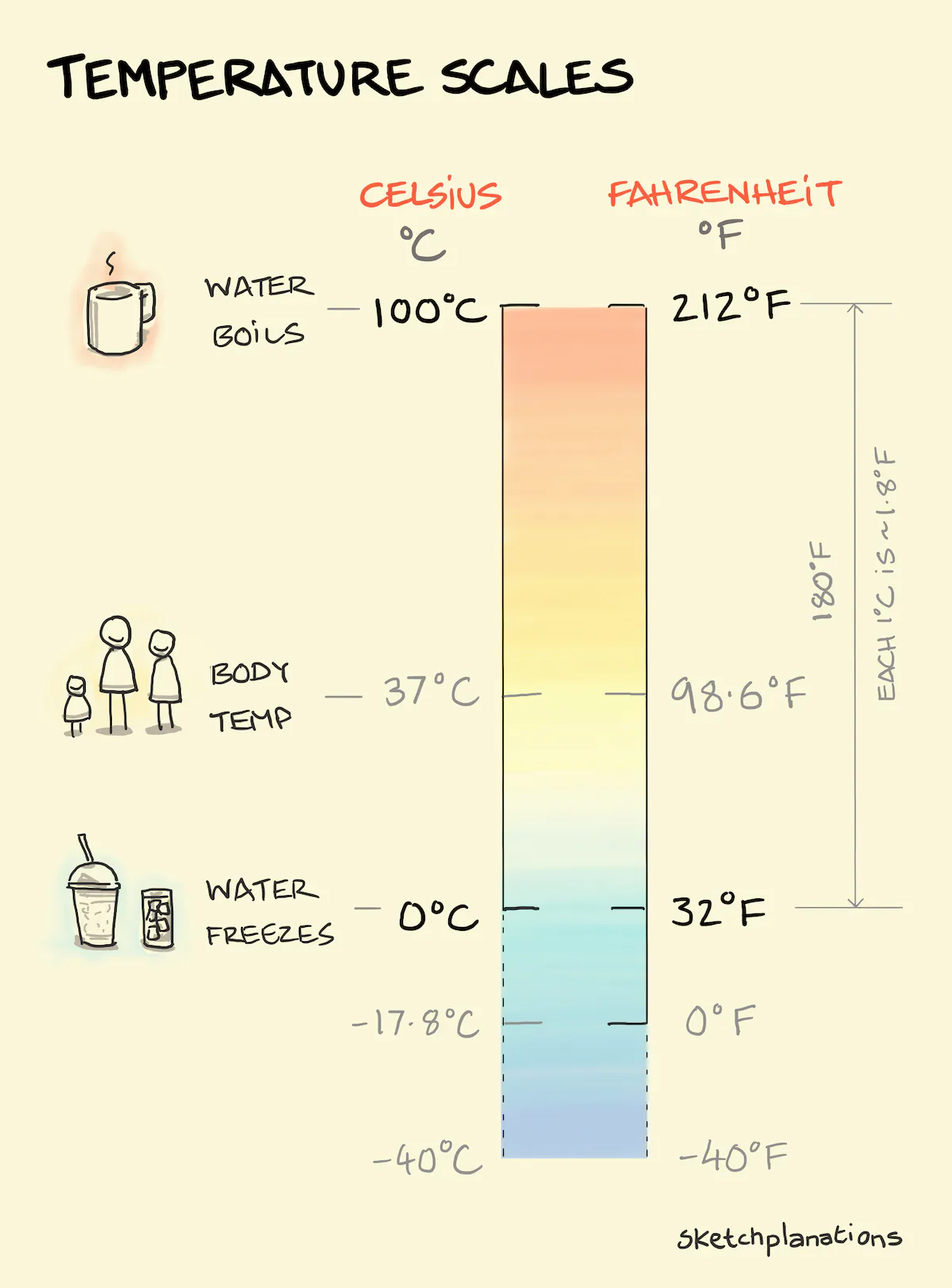
At its core, 32 degrees Fahrenheit (°F) marks the freezing point of water at standard atmospheric pressure. This seemingly simple scientific fact, however, holds profound implications across an extensive range of technological domains, influencing everything from the performance of everyday gadgets to the design of complex industrial systems and advanced AI-driven infrastructure. Understanding this temperature isn’t just about meteorology; it’s crucial for engineers, software developers, and product designers who grapple with how technology interacts with its environment.
Understanding the Freezing Point
In the scientific community, 32°F (or 0 degrees Celsius, 273.15 Kelvin) is the precise temperature at which pure liquid water transitions into solid ice. This phase change is a fundamental property of matter that dictates many natural phenomena and, consequently, a vast array of technological challenges and solutions. The energy required to change water from liquid to solid (latent heat of fusion) means that environments can hover at 32°F for extended periods while water changes state, a phenomenon critical for understanding weather patterns, agricultural cycles, and the operational limits of many electronic systems.
Beyond the Thermometer: Digital Measurement and Control
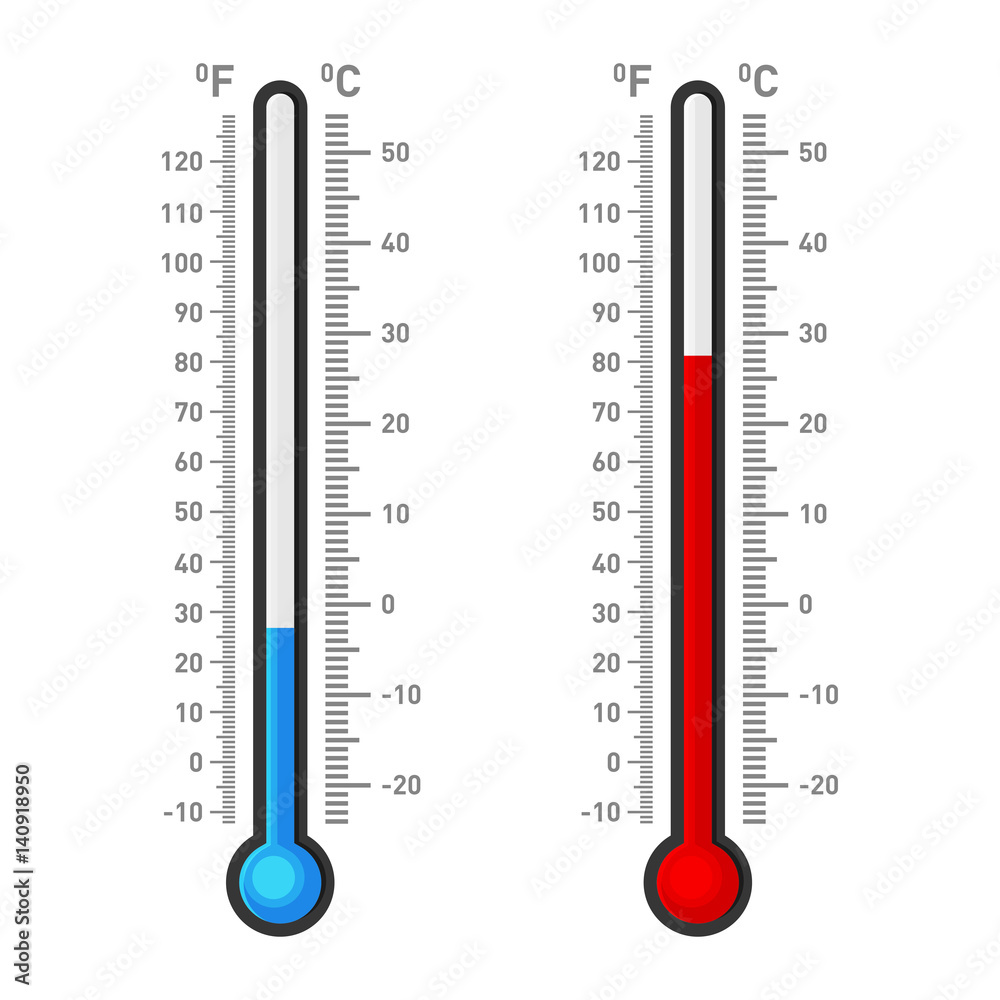
While a traditional mercury or alcohol thermometer can display 32°F, modern technology relies on sophisticated digital sensors for precise temperature measurement and control. Thermistors, thermocouples, and resistance temperature detectors (RTDs) are commonplace in smart devices, industrial equipment, and environmental monitoring systems. These sensors convert thermal energy into electrical signals, which are then processed by microcontrollers and software algorithms. This digital feedback loop allows systems to react instantly to temperature fluctuations around 32°F, triggering heating elements, adjusting cooling fans, or sending alerts, thereby preventing damage or optimizing performance. The accuracy and responsiveness of these digital measurements are paramount, especially when dealing with critical infrastructure where a few degrees can mean the difference between seamless operation and catastrophic failure.
Gadgets in the Cold: Performance at 32°F
Our reliance on portable electronics means that their performance at 32°F is a significant concern. From smartphones to laptops, smartwatches, and drones, these devices are increasingly exposed to varied environmental conditions. The internal components, particularly batteries and displays, are highly susceptible to cold temperatures, leading to reduced efficiency and potential damage when the mercury dips to the freezing point.
Battery Life and Chemical Reactions
Lithium-ion batteries, prevalent in almost all modern portable electronics, are significantly impacted by cold temperatures, including 32°F. Their chemical reactions slow down at lower temperatures, leading to a noticeable decrease in energy discharge efficiency. This manifests as shorter battery life, slower charging times, and in extreme cases, an inability to hold a charge or power the device at all. The internal resistance of the battery increases, and the electrolyte becomes less conductive. While most modern batteries have some cold-weather tolerance, operating consistently at or below 32°F can accelerate degradation over time, reducing the overall lifespan of the battery. Advanced battery management systems (BMS) in devices attempt to mitigate these effects by adjusting charging profiles and monitoring cell health, but the fundamental chemical limitations persist.
Screen Responsiveness and Display Technology
The display is another critical component affected by temperatures around 32°F. LCD (Liquid Crystal Display) screens, for instance, rely on liquid crystals to modulate light. As temperatures drop, these liquid crystals become more viscous, reacting slower to electrical signals. This can result in noticeable ghosting, lag, or a general sluggishness in screen updates. OLED (Organic Light-Emitting Diode) displays are generally more resilient to cold but can still exhibit reduced brightness or color accuracy. Moreover, condensation, which often forms when a cold device is brought into a warmer environment, poses a significant risk of internal short circuits and water damage, especially if the device is not properly sealed. Touchscreens, too, can become less responsive as the properties of the capacitive layers change with temperature.
Structural Integrity and Material Science
Beyond internal components, the physical materials used in device construction can also react to 32°F. Plastics can become more brittle, increasing the risk of cracking if dropped. Metals contract, which can create stress on internal solder joints and connections. While consumer electronics are typically designed for a broader operating range, prolonged exposure or rapid temperature changes around the freezing point can stress components, leading to long-term reliability issues. Engineers leverage advanced material science, utilizing polymers and composites specifically engineered to maintain flexibility and strength across a wider temperature spectrum, or employing specialized coatings to protect against moisture ingress.

Smart Homes and IoT: Monitoring and Managing 32°F
The Internet of Things (IoT) has revolutionized how we monitor and control our environments, making the precise management of temperatures, particularly around 32°F, more sophisticated and automated than ever before. Smart home devices and industrial IoT solutions now leverage interconnected sensors and intelligent algorithms to protect property and optimize energy consumption.
Smart Thermostats and Predictive Analytics
Smart thermostats, a cornerstone of the connected home, go far beyond simply setting a temperature. They integrate with weather forecasts, learning algorithms, and occupancy sensors to predict heating and cooling needs. At 32°F, for example, a smart thermostat can proactively engage heating systems to prevent pipes from freezing in unoccupied areas or adjust the schedule to ensure comfort when residents return. Some models can even detect anomalies in heating patterns that might indicate a furnace malfunction or a drop below a critical temperature, alerting homeowners before a pipe bursts. This predictive capability is a significant leap from traditional reactive heating systems.
Freeze Sensors and Leak Detection
Dedicated freeze sensors are increasingly common within smart home ecosystems, designed to provide specific alerts when temperatures drop to 32°F or slightly below in vulnerable areas like basements, attics, or utility rooms. These small, often wireless, devices can communicate directly with a central hub or cloud service, triggering alarms, sending push notifications to smartphones, or even automatically shutting off water mains if paired with a smart water valve. This proactive approach to preventing freeze-related damage, which can be incredibly costly, demonstrates the powerful utility of targeted IoT solutions in protecting assets from environmental hazards.
Protecting Infrastructure with IoT
On a larger scale, industrial IoT applications utilize similar principles to monitor critical infrastructure. In manufacturing plants, warehouses, and cold chain logistics, maintaining specific temperatures is vital. Sensors embedded in machinery, pipelines, and storage units constantly transmit data, allowing for real-time monitoring of temperatures relative to 32°F. This is crucial for preventing freezing in water pipes, cooling systems, and chemical processing lines, which could lead to equipment damage, production halts, or safety risks. Analytics platforms can identify patterns, predict potential failures, and optimize energy usage by precisely controlling heating and ventilation systems.
Industrial and Specialized Tech: Engineering for Sub-Freezing Conditions
Beyond consumer gadgets and smart homes, many specialized technological systems operate at or around 32°F, necessitating rigorous engineering to ensure reliability and performance in challenging environments. These include everything from massive data centers to autonomous vehicles navigating winter landscapes.
Data Center Cooling and Environmental Control
While most data centers aim to keep servers significantly warmer than 32°F to prevent condensation and ensure optimal component performance, the cooling infrastructure itself often utilizes systems that operate with water at or near freezing points. Chiller plants, evaporative coolers, and other advanced liquid cooling technologies circulate fluids at precise temperatures to dissipate the immense heat generated by servers. Preventing freezing in these external cooling loops, especially in colder climates, is critical. Engineers employ antifreeze solutions, insulation, and sophisticated control systems to ensure that water lines and heat exchangers do not freeze, which could lead to bursts, leaks, and catastrophic system downtime. The goal is to maximize energy efficiency while meticulously avoiding the pitfalls of sub-freezing temperatures within the cooling medium.
Autonomous Systems in Winter Environments
Autonomous vehicles, drones, and robotics designed for outdoor applications face significant challenges when operating at 32°F and below. Sensors like cameras, LiDAR, and radar can be hampered by ice, snow, and fog. Icing on lenses can obscure vision, while snow accumulation can interfere with sensor accuracy. Batteries, as in consumer devices, experience reduced performance, affecting range and operational duration. Heating elements are often integrated into critical sensors and components to prevent icing. Furthermore, the algorithms that govern perception and navigation must be robust enough to interpret environmental data accurately, even when visibility is compromised by frost or the driving surface is altered by ice, necessitating advanced machine learning models trained on vast datasets of cold-weather scenarios.
Advanced Materials for Extreme Cold
The development of materials capable of maintaining their properties at 32°F and below is a cornerstone of cold-weather technology. From specialized lubricants that don’t thicken and seize in frigid conditions to polymers that retain their flexibility and strength, material science plays a critical role. Aerospace components, Arctic exploration equipment, and even certain types of flexible electronics must be engineered using alloys and composites that resist embrittlement and fatigue at low temperatures. Coatings that prevent ice adhesion on surfaces (anti-icing or de-icing technologies) are also crucial for ensuring the uninterrupted operation of wind turbines, aircraft, and communication towers in freezing conditions. The ability to precisely control and understand the properties of materials at 32°F is fundamental to pushing the boundaries of technological innovation in cold environments.
aViewFromTheCave is a participant in the Amazon Services LLC Associates Program, an affiliate advertising program designed to provide a means for sites to earn advertising fees by advertising and linking to Amazon.com. Amazon, the Amazon logo, AmazonSupply, and the AmazonSupply logo are trademarks of Amazon.com, Inc. or its affiliates. As an Amazon Associate we earn affiliate commissions from qualifying purchases.