
When browsing for athletic shoes or high-quality dress footwear, you have likely encountered a confusing alphanumeric code alongside standard sizing: 2E. While most consumers are accustomed to the standard “D” for men or “B” for women, the world of width sizing remains an enigma for many. Understanding what 2E width represents is not merely a matter of comfort; it is a critical component of foot health, injury prevention, and long-term brand loyalty. In the realm of footwear design and retail, “2E” identifies a specific category of “wide” footwear engineered to accommodate feet that require more volume and surface area than a standard last provides.
The Anatomy of Footwear Sizing: Decoding the 2E Designation
In the footwear industry, sizing is a two-dimensional matrix. We are all familiar with the length (size 9, 10, 11), but width is often ignored until a customer experiences physical discomfort. The width of a shoe is determined by the “last”—the physical mold, traditionally made of wood or plastic, over which a shoe is constructed.
Understanding Standard vs. Wide Lasts
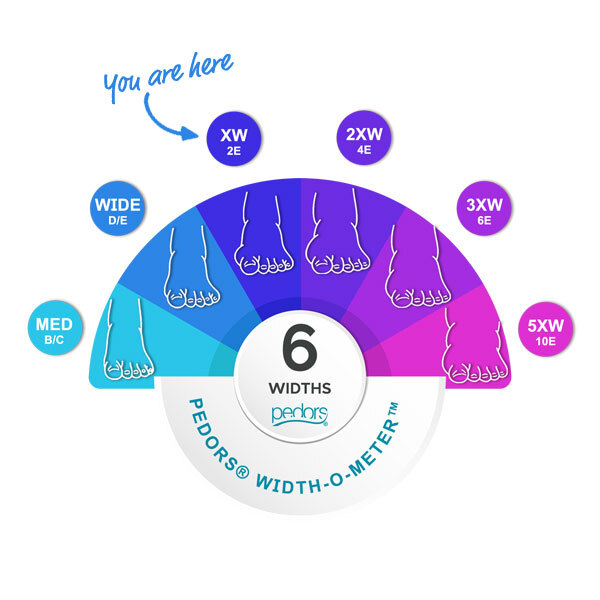
The standard width for men’s shoes in the United States is designated as “D.” For women, the standard is “B.” When a manufacturer produces a 2E, they are essentially taking the standard last and adding additional material to the circumference of the forefoot. A 2E width provides more internal volume across the ball of the foot, the instep, and the toe box. It is important to note that the length of the shoe remains identical to its standard-width counterpart; only the horizontal and vertical dimensions of the interior space are expanded.
Why 2E is Considered the “Entry-Level” Wide
Within the industry, sizing often moves in increments. If “D” is standard, “E” is slightly wider, and “2E” (often written as EE) is a wider option still. In many mass-market retail environments, 2E is the most common “wide” option available. It serves as the primary solution for those who find standard shoes pinching their toes or compressing the lateral sides of their feet. For those with significantly wider feet, manufacturers may also offer 4E or even 6E, but 2E remains the most widely produced and utilized width for the “wide-footed” demographic.
The Engineering and Design Challenges of Wide-Width Footwear
Designing a 2E shoe is not as simple as merely “stretching” the leather or mesh. From a manufacturing and brand strategy perspective, creating a high-performance 2E shoe requires an entirely different approach to pattern making and material sourcing.
The Last Development Process
To maintain the structural integrity of the shoe, brands must develop specific 2E lasts. If a brand simply attempts to force a wide foot into a standard last, the upper material will overstretch, causing the shoe to lose its shape and, more importantly, its supportive qualities. A proper 2E design ensures that the arch support, heel cup, and tension points remain in the correct anatomical alignment for the wearer. If the design is flawed, the wearer may experience foot slippage, which leads to blisters and a lack of lateral stability.

Material Selection and Aesthetic Consistency
A significant challenge in the 2E market is aesthetic parity. Historically, wide-width shoes were criticized for looking “clunky” or “medical.” Modern design principles, however, strive to make the 2E version of a shoe look indistinguishable from the D-width version. This involves complex pattern grading where designers adjust the placement of seams and eyelets to ensure the visual profile remains sleek. Brands that excel in the 2E space are those that prioritize the “silhouette” as much as the internal capacity, ensuring that the customer does not have to sacrifice style for comfort.
The Physiological Impact of Wearing the Correct Width
The importance of the 2E designation extends far beyond the vanity of the shoe’s appearance. It is a matter of biomechanics. Many individuals suffer from chronic foot pain—such as bunions, neuromas, and hammertoes—without realizing that their footwear is a primary contributor to the condition.
Identifying the Need for 2E
How does one know if they require a 2E width? There are several telltale signs. If you notice that your current shoes show signs of “bulging” over the sole unit, or if the upper mesh is fraying prematurely at the pinky toe, you are likely wearing a shoe that is too narrow. Internally, if you feel a consistent “pinching” or “hot spots” during extended periods of walking or standing, the shoe is restricting the natural splay of your toes.
Long-Term Health Benefits
When the foot is compressed into a shoe that is too narrow, the metatarsal bones are forced together. This unnatural position restricts blood flow, limits the shock-absorbing capacity of the foot, and prevents the toes from stabilizing the body effectively. By switching to a 2E width, the foot can function in its neutral, natural state. This expansion allows the weight to be distributed evenly across the ball of the foot, significantly reducing the risk of stress fractures and soft tissue inflammation. For athletes or professionals who spend eight to twelve hours a day on their feet, the move to a 2E width is often the single most effective way to eliminate foot-related fatigue.
Market Trends and the Future of Inclusive Sizing
The footwear industry is currently undergoing a shift toward radical inclusivity. Historically, brands would only produce 2E widths in “utilitarian” styles, ignoring the demand for high-performance running shoes or premium lifestyle sneakers in wider sizes. Today, the strategy has shifted.
The Rise of Data-Driven Sizing
With the advent of digital foot scanning technology—tools that can map the three-dimensional geometry of a foot in seconds—brands now have access to precise data confirming that a massive percentage of the population is not a “standard” D-width. This data has forced retailers to reconsider their inventory strategy. No longer is the 2E width a “special order” item hidden in the back of the warehouse; it is now a core component of the retail mix. Forward-thinking brands are now utilizing this data to offer expanded sizing options directly through their e-commerce platforms, ensuring that customers don’t have to compromise on features like carbon-fiber plates or proprietary foam cushioning just because they need a wider shoe.
Consumer Education as a Brand Differentiator
Brands that prioritize educating the consumer on sizing are winning the loyalty battle. By providing detailed fitting guides, virtual consultation, and “true to width” reporting, companies are establishing trust. The 2E designation is no longer just a technical specification; it is a brand value. When a company acknowledges that feet come in various shapes and sizes, it signals a commitment to the consumer’s well-being. This creates a powerful connection. Customers who finally find a shoe that fits their 2E-width feet perfectly are unlikely to experiment with other brands, as the relief of finding a “perfect fit” creates a psychological anchor to that specific product line.
In summary, the 2E width is a specialized dimension designed to restore comfort and function to the wearer. Whether driven by the need for better biomechanical support or simply a desire for a more comfortable daily experience, understanding the nuances of width is essential for anyone who values their mobility. As the industry continues to evolve, the distinction between standard and wide will likely become even more nuanced, but the core principle remains: the shoe must accommodate the foot, not the other way around. By seeking out the 2E designation, you are taking a proactive step in preserving the health of your foundation.
aViewFromTheCave is a participant in the Amazon Services LLC Associates Program, an affiliate advertising program designed to provide a means for sites to earn advertising fees by advertising and linking to Amazon.com. Amazon, the Amazon logo, AmazonSupply, and the AmazonSupply logo are trademarks of Amazon.com, Inc. or its affiliates. As an Amazon Associate we earn affiliate commissions from qualifying purchases.