
For many homebuyers, securing a mortgage represents the single largest financial commitment of their lives. While the 30-year fixed-rate mortgage often takes center stage, its less extended counterpart, the 15-year fixed mortgage, presents a compelling alternative for those looking to accelerate their path to homeownership and achieve substantial long-term savings. Understanding the nuances of this financial instrument is crucial for making an informed decision that aligns with your personal finance goals.
Understanding the Fundamentals of a 15-Year Fixed Mortgage
A 15-year fixed mortgage is a type of home loan characterized by two primary features: a loan term of 15 years and an interest rate that remains constant for the entire duration of the loan. This combination offers a predictable and accelerated repayment schedule compared to longer-term options.
Definition and Core Mechanics
At its core, a 15-year fixed mortgage means that your interest rate will not change from the day you close on your loan until the day you make your final payment 15 years later. This fixed rate ensures that your principal and interest payment remains the same each month, providing unparalleled stability in your housing expenses. The mechanics involve amortizing the loan over a shorter period. Each monthly payment is meticulously calculated to pay down both the principal balance and the accrued interest. Because the term is shorter, a larger portion of each payment goes towards the principal from the outset, leading to faster equity accumulation and a quicker payoff.
How it Differs from a 30-Year Fixed Mortgage
The most common comparison for a 15-year fixed mortgage is its 30-year sibling. The fundamental difference lies in the repayment period, which dictates the monthly payment amount and the total interest paid over the life of the loan.
With a 15-year fixed mortgage:
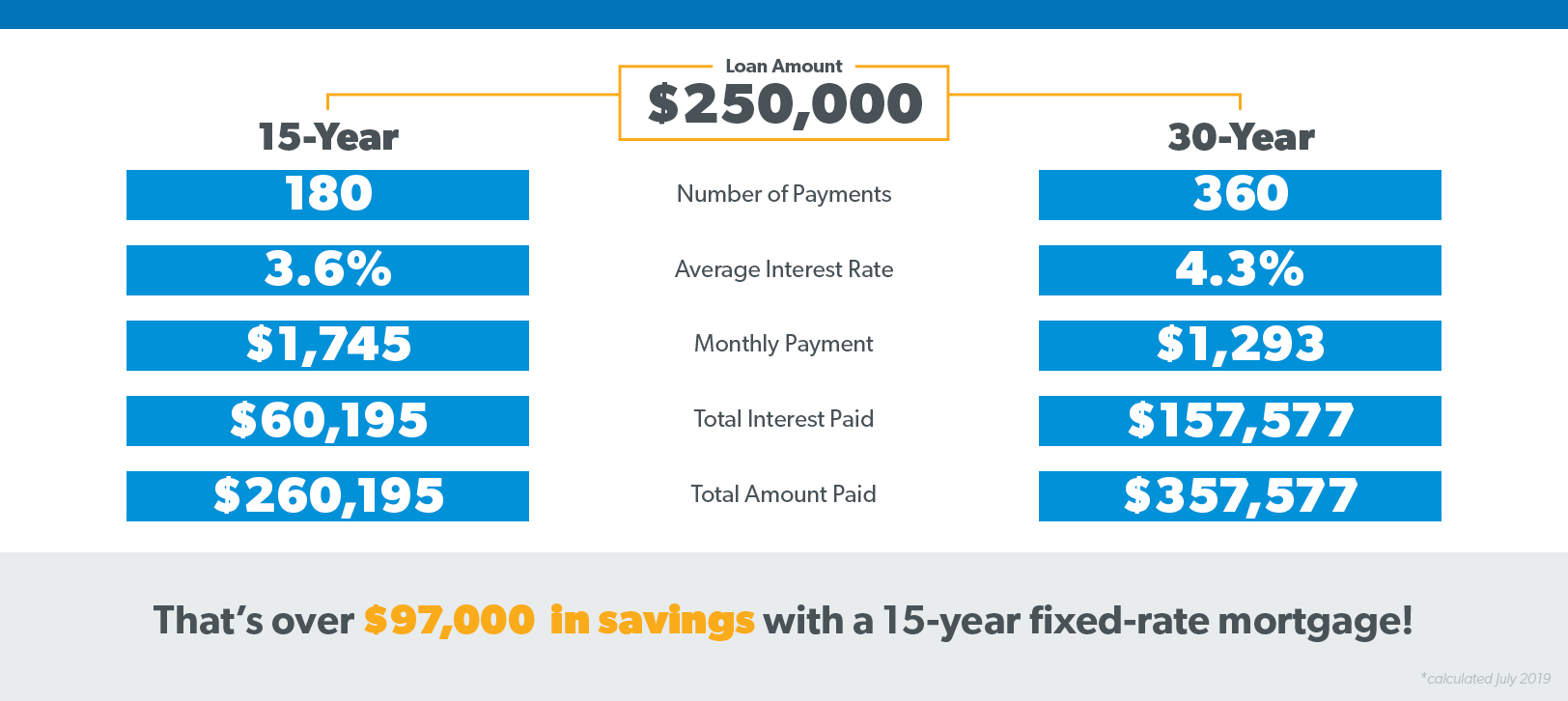
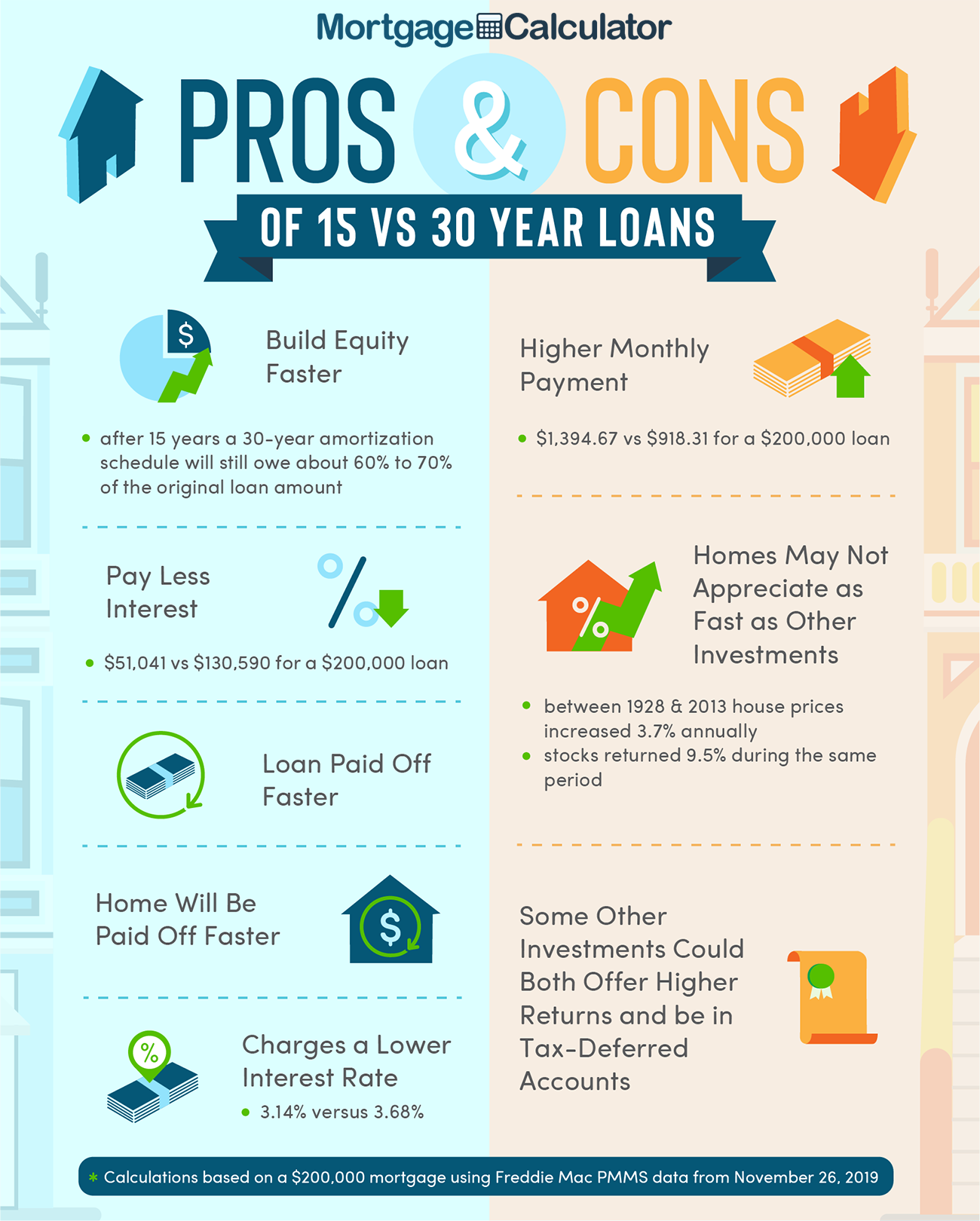
- Higher Monthly Payments: Since you’re paying off the same amount of principal in half the time, your monthly payments for principal and interest will be significantly higher.
- Lower Total Interest Paid: The major advantage is that you pay interest for only 15 years instead of 30. This drastically reduces the total amount of interest paid over the life of the loan, often saving tens or even hundreds of thousands of dollars.
- Faster Equity Build-Up: More of each payment goes to principal from the very beginning, meaning you build equity in your home at a much faster rate.
Conversely, a 30-year fixed mortgage offers lower monthly payments, providing greater flexibility in your monthly budget but comes at the cost of paying substantially more interest over a longer period.
Who is a 15-Year Fixed Mortgage For?
This type of mortgage is particularly well-suited for individuals or families who:
- Have a stable and robust income that can comfortably support higher monthly mortgage payments without straining their budget.
- Are disciplined savers and have accumulated a healthy down payment and emergency fund.
- Prioritize becoming debt-free quickly, especially before retirement or other major life stages.
- Are comfortable with potentially less financial flexibility in their monthly budget in exchange for significant long-term savings and peace of mind.
Key Advantages of Choosing a 15-Year Fixed Mortgage
Opting for a 15-year fixed mortgage can unlock several significant financial benefits that resonate with disciplined financial planning and long-term wealth accumulation.
Significant Interest Savings Over Time
The most compelling advantage of a 15-year fixed mortgage is the substantial amount of interest you save compared to a 30-year loan. Because the principal is paid down much faster, interest has less time to accrue on the outstanding balance. Over 15 years, this compound effect leads to substantial reductions in the total cost of your home. For instance, a homeowner might save well over 50% of the interest they would have paid on a comparable 30-year mortgage, translating into potentially hundreds of thousands of dollars remaining in their pocket. This saving isn’t just theoretical; it’s a direct, measurable financial benefit that impacts your net worth.
Faster Equity Build-Up
With a 15-year mortgage, a larger portion of each monthly payment is allocated to paying down the principal balance from day one. This accelerated principal reduction means you build equity in your home at a much quicker pace. Rapid equity accumulation offers several advantages:
- Financial Leverage: Greater equity means you have more capital tied up in your home, which can be leveraged for future financial needs if necessary, through a home equity loan or line of credit (HELOC), though careful consideration is always advised.
- Improved Loan-to-Value (LTV): A lower LTV ratio can translate to better terms on future refinancing options, potentially eliminating the need for private mortgage insurance (PMI) sooner.
- Increased Personal Net Worth: Your home equity directly contributes to your overall net worth, providing a solid foundation for your financial portfolio.
Debt-Free Sooner
Imagine the feeling of owning your home free and clear in just 15 years, rather than 30. This psychological and financial freedom is a powerful motivator for many. Being debt-free by your mid-40s or early 50s (assuming a typical first-time homebuyer age) frees up a significant portion of your income, which can then be redirected towards other financial goals, such as retirement savings, college funds for children, or even early retirement. This accelerated timeline can dramatically alter your long-term financial trajectory, providing greater security and peace of mind.
Predictable Payments and Budgeting Stability
Like all fixed-rate mortgages, the 15-year option offers the invaluable benefit of predictable payments. Your principal and interest portion of the monthly payment will never change for the entire 15-year term, regardless of market fluctuations in interest rates. This stability simplifies budgeting and financial planning, removing the uncertainty associated with adjustable-rate mortgages (ARMs). While property taxes and homeowner’s insurance (often included in escrow) can fluctuate, the core mortgage payment remains constant, allowing for more reliable long-term financial forecasting.
Potential Drawbacks and Considerations
While a 15-year fixed mortgage offers attractive benefits, it also comes with certain trade-offs that prospective borrowers must carefully consider before committing.
Higher Monthly Payments
The most immediate and significant drawback of a 15-year fixed mortgage is the higher monthly payment compared to a 30-year term. Because you’re amortizing the same loan amount over half the time, each payment must contribute a larger sum towards the principal. This means you need a stronger, more consistent income to comfortably afford the payment without stretching your budget too thin. A higher monthly outlay can significantly reduce your disposable income, impacting your ability to save for other goals or manage unexpected expenses.
Reduced Flexibility in Monthly Budget
The elevated monthly payment associated with a 15-year mortgage can lead to reduced flexibility in your overall household budget. With a larger fixed housing expense, there’s less room for discretionary spending, saving for other financial goals (like investing in the stock market, college savings, or vacations), or simply having a buffer for unforeseen circumstances. If your income stream is unpredictable or prone to fluctuations, the higher fixed payment could become a source of financial stress during leaner periods. It’s crucial to ensure that even with the higher mortgage payment, you can still comfortably meet all other financial obligations and maintain an adequate emergency fund.
Opportunity Cost of Funds
Another important consideration is the concept of opportunity cost. The extra money you commit to your 15-year mortgage each month, beyond what a 30-year mortgage would require, could potentially be invested elsewhere. If you have a high-yield investment account, a robust retirement plan, or other avenues that could potentially generate returns higher than your mortgage interest rate (especially in a low-interest-rate environment), then directing that additional cash towards your mortgage might mean foregoing potentially greater wealth accumulation through investments. This is a nuanced decision that depends on individual risk tolerance, investment knowledge, and current market conditions, weighing the guaranteed savings from reduced mortgage interest against the potential, but not guaranteed, returns from other investments.
Impact on Debt-to-Income Ratio
Lenders use your debt-to-income (DTI) ratio to assess your ability to manage monthly payments and repay debts. A higher monthly mortgage payment, as found with a 15-year fixed mortgage, can push your DTI ratio higher. While a lower DTI is generally favorable for securing a loan, a higher DTI might limit your borrowing capacity for other loans (like car loans or personal loans) in the future. It could also potentially influence the interest rates you qualify for on other credit products. Before committing to a 15-year term, it’s wise to evaluate how the increased payment will impact your overall DTI and future borrowing potential.
When a 15-Year Fixed Mortgage Makes Financial Sense
Deciding on a 15-year fixed mortgage is a significant financial decision that should align with your broader financial health and goals. It is not suitable for everyone, but for certain financial profiles, it can be an excellent choice.
Strong and Stable Income
The most critical prerequisite for comfortably managing a 15-year fixed mortgage is a strong, consistent, and reliable income. Your household income needs to be substantial enough to absorb the higher monthly payments without creating undue financial strain. Ideally, your mortgage payment (including taxes and insurance) should not exceed 28% of your gross monthly income, and your total debt payments should not exceed 36%. While these are general guidelines, having a significant buffer above these thresholds offers greater security. Income stability is also key; individuals with highly variable or commission-based incomes may find the fixed, higher payment more challenging to manage during slower periods.
Ample Savings and Emergency Fund
Before committing to a higher fixed mortgage payment, it is absolutely essential to have a robust emergency fund in place. This fund should typically cover 3 to 6 months (or even more) of essential living expenses, including your new, higher mortgage payment. This financial cushion provides a critical safety net against unexpected job loss, medical emergencies, or other unforeseen financial setbacks. Without adequate savings, the higher fixed payment can quickly become a source of distress if your income temporarily falters or large, unexpected expenses arise. Additionally, having ample savings for a down payment not only reduces the loan amount but also demonstrates financial discipline, potentially leading to better interest rates.
Long-Term Financial Goals Aligned with Debt Reduction
A 15-year fixed mortgage is an excellent fit for those whose primary financial goal is aggressive debt reduction and achieving homeownership outright at an earlier age. If being mortgage-free before retirement is a priority, or if you envision repurposing your future mortgage payments for other significant investments or lifestyle goals, then the 15-year term aligns perfectly. This strategy prioritizes guaranteed interest savings over the potential (but not guaranteed) higher returns from investing the additional monthly cash elsewhere. It suits individuals who value financial certainty and the psychological benefit of shedding their largest debt obligation quickly.
Market Interest Rate Environment
The prevailing interest rate environment can significantly influence the attractiveness of a 15-year fixed mortgage. When interest rates are generally low, the impact of the higher monthly payment on a 15-year term is somewhat softened, and the overall interest savings become even more pronounced. In such a scenario, the opportunity cost of investing elsewhere might be lower. Conversely, if interest rates are very high, the monthly payments for both 15-year and 30-year mortgages will be higher, making the 15-year option even more challenging from a cash flow perspective. However, the interest savings will also be proportionally greater, highlighting the importance of the trade-off.
Navigating the Application Process and Key Factors
Securing a 15-year fixed mortgage involves a comprehensive application process where lenders evaluate your financial standing to ensure you can comfortably meet the higher monthly payments.
Credit Score and Financial Health
Your credit score is a crucial indicator of your creditworthiness. Lenders typically prefer borrowers with strong credit scores (generally FICO scores of 740 or higher) for the best interest rates on 15-year fixed mortgages. A high credit score signals responsible financial management and a lower risk of default. Beyond the score, lenders will scrutinize your entire financial profile, including your debt-to-income (DTI) ratio, employment history, assets, and liabilities. A low DTI, stable employment, and a solid financial history are all key factors that strengthen your application and can lead to more favorable loan terms.
Down Payment Requirements
While not strictly unique to 15-year mortgages, a substantial down payment can significantly ease the burden of the higher monthly payments. A larger down payment reduces the principal amount borrowed, which in turn lowers both the monthly payment and the total interest paid over the loan’s life. Furthermore, putting down 20% or more typically allows you to avoid private mortgage insurance (PMI), an additional monthly cost that protects the lender if you default. Demonstrating the ability to make a significant down payment also reflects strong financial discipline, making you a more attractive borrower.
Shopping for Lenders
The mortgage market is competitive, and rates and terms can vary significantly between lenders. It is imperative to shop around and compare offers from multiple financial institutions, including national banks, local credit unions, and online lenders. Request formal loan estimates from at least three to five different lenders to compare interest rates, closing costs, and other fees. Even a slight difference in the interest rate can result in tens of thousands of dollars in savings over the 15-year term. Pay attention not only to the interest rate but also to the annual percentage rate (APR), which includes fees and other costs, offering a more complete picture of the loan’s true cost.
Understanding Closing Costs
Closing costs are a collection of fees and expenses paid at the closing of a mortgage loan transaction. These can range from 2% to 5% of the loan amount and include items such as origination fees, appraisal fees, title insurance, recording fees, and attorney fees. It’s crucial to understand these costs upfront and factor them into your overall budget. Lenders are required to provide a Loan Estimate within three business days of receiving your application, detailing all estimated closing costs. Review this document carefully and ask questions about any charges you don’t understand. Negotiating some closing costs, like the origination fee, may be possible, or you might explore lender credits in exchange for a slightly higher interest rate.
aViewFromTheCave is a participant in the Amazon Services LLC Associates Program, an affiliate advertising program designed to provide a means for sites to earn advertising fees by advertising and linking to Amazon.com. Amazon, the Amazon logo, AmazonSupply, and the AmazonSupply logo are trademarks of Amazon.com, Inc. or its affiliates. As an Amazon Associate we earn affiliate commissions from qualifying purchases.