
The Foundation of Financial Focus: Understanding the 1-3-5 Rule
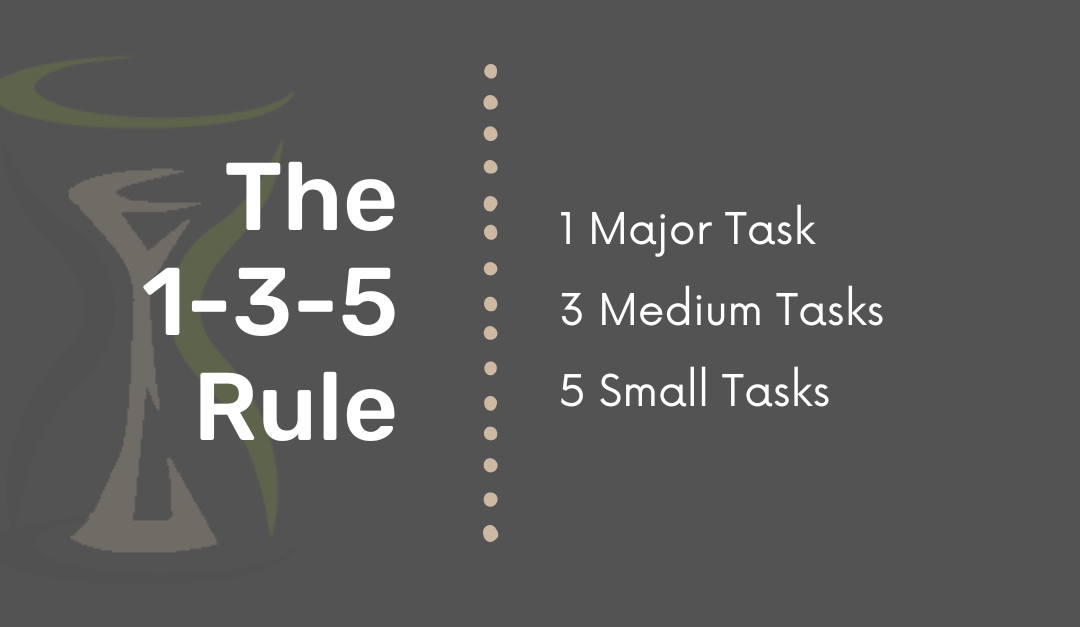
In the ever-complex landscape of personal finance, investing, and wealth creation, a simple yet profoundly effective framework known as the 1-3-5 Rule has emerged as a cornerstone for maximizing productivity and achieving tangible financial goals. Far from being a mathematical enigma, the 1-3-5 Rule is a strategic approach to daily task management, designed to bring clarity, focus, and momentum to your financial endeavors. It’s a system built on the premise that you can realistically accomplish one major task, three medium tasks, and five minor tasks each day. This structured prioritization prevents overload, reduces decision fatigue, and ensures consistent progress, making it an invaluable tool for anyone looking to optimize their financial life.

Origins and Core Principle
While not attributed to a single inventor, the 1-3-5 Rule gained traction in productivity circles and business management as a practical answer to the common problem of overwhelming to-do lists. Its core principle lies in setting realistic expectations for daily output while maintaining a diverse range of impactful activities. The “1” represents the single most crucial task, often a high-impact item that moves you significantly closer to a major financial objective – perhaps finalizing a refinancing application, executing a large investment trade, or launching a new income stream. The “3” comprises important, but less critical, medium-level tasks; these might include researching a new investment opportunity, reviewing monthly expenditures, or updating a financial spreadsheet. Finally, the “5” encompasses smaller, quicker tasks that nonetheless contribute to overall financial hygiene and progress, such as paying a bill, checking market news, or scheduling a financial review. This tiered approach ensures that both strategic big-picture items and essential administrative duties are addressed regularly without one overwhelming the other.
Beyond Simple To-Do Lists
The power of the 1-3-5 Rule extends beyond merely organizing a list of chores. It’s a deliberate strategy for combating procrastination and fostering a sense of accomplishment crucial for sustained motivation in financial pursuits. Unlike an endless list that can feel insurmountable, the defined structure of 1-3-5 provides a clear finish line for each day, signaling when enough meaningful work has been done. This psychological benefit is immense in finance, where progress can sometimes feel slow or abstract. By consistently completing your 1 big, 3 medium, and 5 small tasks, you build a powerful habit of execution. This tangible progress reinforces positive behaviors, making it easier to stick to financial plans, embrace new investment strategies, or diligently pursue online income opportunities, ultimately leading to more robust financial outcomes.
Implementing the 1-3-5 Rule for Personal Finance and Investing
Applying the 1-3-5 Rule directly to personal finance and investing can transform daunting long-term goals into manageable daily actions. It provides a structured roadmap, ensuring that every day contributes meaningfully to your financial well-being.
Streamlining Budgeting and Debt Management
For personal finance, the 1-3-5 Rule can be a game-changer. Your “1” big task might be to create a detailed monthly budget, consolidate high-interest debt, or set up an automated investment contribution. The “3” medium tasks could involve tracking spending for a specific category, researching better insurance rates, or reviewing credit card statements for discrepancies. The “5” small tasks could include logging daily expenses, transferring a small amount to savings, unsubscribing from unnecessary paid services, or checking your credit score. This disciplined approach ensures that budgeting is not an annual headache but a continuous, manageable process. For debt management, the “1” might be making an extra principal payment; the “3” could be calling a creditor to negotiate terms; and the “5” could be calculating potential interest savings or tracking your debt payoff progress.
Strategic Investment Planning
When it comes to investing, the 1-3-5 Rule aids in both strategic planning and consistent execution. A “1” task might be to conduct thorough due diligence on a new stock or fund, rebalance a significant portion of your portfolio, or meet with a financial advisor. The “3” medium tasks could involve reviewing quarterly earnings reports, researching sector trends, or setting up watchlists for potential investments. The “5” small tasks could include reading a financial news article, checking market performance, reviewing your brokerage account balance, or making a small, incremental addition to an existing position. This structured approach helps investors stay informed, disciplined, and proactive, avoiding impulsive decisions while ensuring steady progress toward long-term wealth accumulation. It also prevents the common pitfall of neglecting investment oversight due to the perceived complexity or time commitment.
Leveraging 1-3-5 for Online Income and Side Hustles
The entrepreneurial world, particularly in online income generation and side hustles, thrives on consistent effort and strategic execution. The 1-3-5 Rule is an ideal framework for digital entrepreneurs and side hustlers to maintain momentum and grow their ventures.

Daily Productivity for Digital Entrepreneurs
For those building online businesses, whether it’s content creation, e-commerce, or freelance services, the 1-3-5 Rule brings much-needed structure to often chaotic workdays. The “1” major task might be writing a core piece of content (e.g., a blog post, video script, or sales page), launching a new product, or implementing a significant marketing campaign. The “3” medium tasks could involve optimizing existing content for SEO, engaging with your audience on social media, or researching competitor strategies. The “5” small tasks might include responding to emails, scheduling social media posts, checking analytics, updating a product listing, or reviewing a short instructional video. This framework ensures that high-impact activities are prioritized daily, preventing time from being solely consumed by reactive tasks and administrative overhead.
Scaling Small Ventures
The ability to consistently tackle important tasks is crucial for scaling any small venture. The 1-3-5 Rule helps side hustlers transform their sporadic efforts into a systematic growth engine. For a freelancer, the “1” might be pitching a high-value client; the “3” could be refining a portfolio piece, sending out invoices, or studying a new skill; and the “5” could be updating their professional profile, answering client queries, or tracking project hours. For an e-commerce store owner, the “1” could be adding a new product line; the “3” could be analyzing sales data, optimizing product descriptions, or running a targeted ad campaign; and the “5” could be packing orders, responding to customer reviews, or sourcing new packaging materials. By consistently addressing these tiered tasks, side hustles can gradually evolve into substantial income streams or even full-time businesses, driven by daily, focused effort.
Adapting the 1-3-5 Rule for Business Finance and Growth
Beyond personal applications, the 1-3-5 Rule is incredibly valuable within a business context, offering a robust method for managing financial projects, allocating resources, and achieving strategic objectives.
Project Management and Resource Allocation
In business finance, the 1-3-5 Rule can be adapted for individual contributors, teams, or even departmental goal setting. For a finance manager, the “1” task might be preparing a critical quarterly financial report, securing a new line of credit, or negotiating a major vendor contract. The “3” medium tasks could involve conducting a profitability analysis for a specific product, reconciling complex accounts, or leading a budget review meeting. The “5” small tasks might include approving invoices, responding to audit inquiries, updating financial models, or reviewing daily cash flow reports. This ensures that the most impactful financial projects receive dedicated attention while essential operational tasks are also completed, optimizing resource allocation and preventing bottlenecks.
Financial Goal Setting in Business
Strategic financial goal setting becomes more actionable with the 1-3-5 framework. Whether the goal is to increase revenue by X%, reduce operational costs by Y%, or improve profit margins, the rule helps break down these ambitious targets into daily, weekly, and monthly actions. The “1” big task could be implementing a new cost-saving technology or developing a new revenue stream. The “3” tasks might involve analyzing department-specific spending, training staff on new financial protocols, or reviewing supplier contracts for cost reduction opportunities. The “5” small tasks could include monitoring key performance indicators (KPIs), researching industry benchmarks, or compiling data for financial forecasts. By embedding this structured approach into daily operations, businesses can maintain a clear trajectory toward their financial objectives, fostering consistent growth and robust financial health.
Maximizing Your Financial Potential with the 1-3-5 Approach
The true power of the 1-3-5 Rule lies in its adaptability and its ability to build momentum, turning abstract financial aspirations into concrete achievements.
Overcoming Common Challenges
Like any productivity system, the 1-3-5 Rule requires discipline and conscious effort. One common challenge is accurately estimating the “size” of tasks. It’s crucial to be realistic – a “big” task should genuinely be substantial, but achievable within a focused effort. If your “1” task consistently spills over into multiple days, it might need to be broken down further. Another hurdle is resisting the urge to add more than the prescribed number of tasks; stick to the framework to avoid burnout and maintain focus. Regularly review your task classifications and adjust as needed to ensure the rule remains a flexible guide rather than a rigid constraint. The goal is to optimize productivity, not to simply check off boxes.
Long-Term Benefits and Sustained Success
Embracing the 1-3-5 Rule isn’t just about daily efficiency; it’s about cultivating a sustainable habit of productivity and intentionality that yields significant long-term financial benefits. By consistently tackling your most important financial tasks, you’ll find yourself making faster progress on debt reduction, accelerating investment growth, successfully launching and scaling income-generating ventures, and managing business finances with greater precision. This framework fosters discipline, reduces procrastination, and builds confidence in your ability to control your financial destiny. Over time, the cumulative effect of these daily actions leads to a more secure, prosperous, and financially empowered future, driven by a clear understanding and disciplined application of what is 1 big, 3 medium, and 5 small tasks.
aViewFromTheCave is a participant in the Amazon Services LLC Associates Program, an affiliate advertising program designed to provide a means for sites to earn advertising fees by advertising and linking to Amazon.com. Amazon, the Amazon logo, AmazonSupply, and the AmazonSupply logo are trademarks of Amazon.com, Inc. or its affiliates. As an Amazon Associate we earn affiliate commissions from qualifying purchases.