
The question, “what interest rate would I get?” is perhaps one of the most fundamental inquiries in personal finance, touching every aspect of our financial lives, from borrowing for major purchases to growing our savings. Interest rates are the lifeblood of the financial system, dictating the cost of borrowing money and the return on saving it. Understanding how these rates are determined, both at a macro-economic level and specifically for your individual circumstances, is paramount to making informed financial decisions. This article delves into the intricate world of interest rates, dissecting the factors that influence them, strategies to secure favorable terms, and how to maximize your earnings as a saver.
Understanding the Fundamentals of Interest Rates
Before we can pinpoint what rate you might get, it’s crucial to establish a foundational understanding of what interest rates are and why they exist. They are not merely arbitrary numbers but sophisticated mechanisms reflecting risk, supply and demand for money, and economic conditions.
What is an Interest Rate?
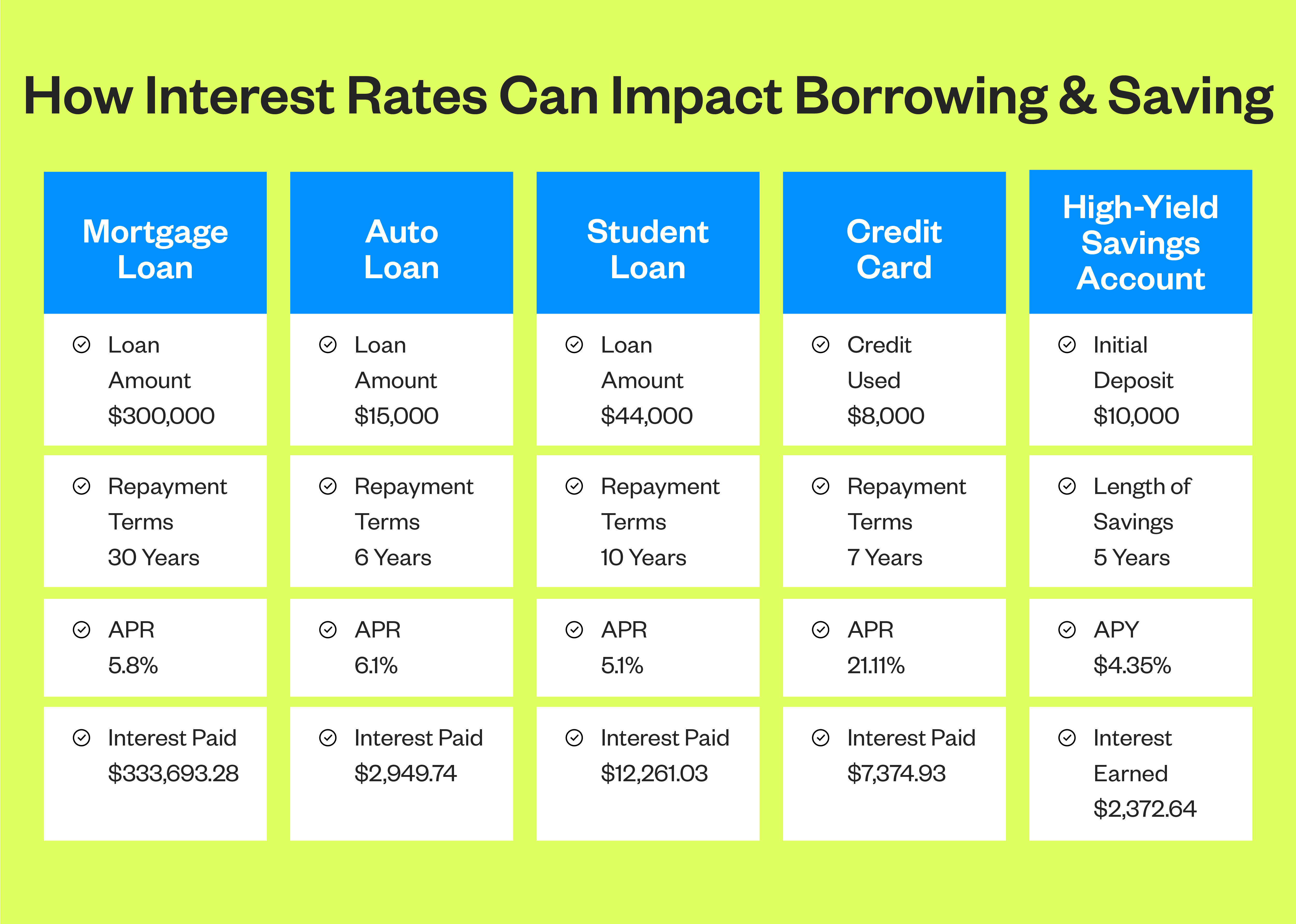
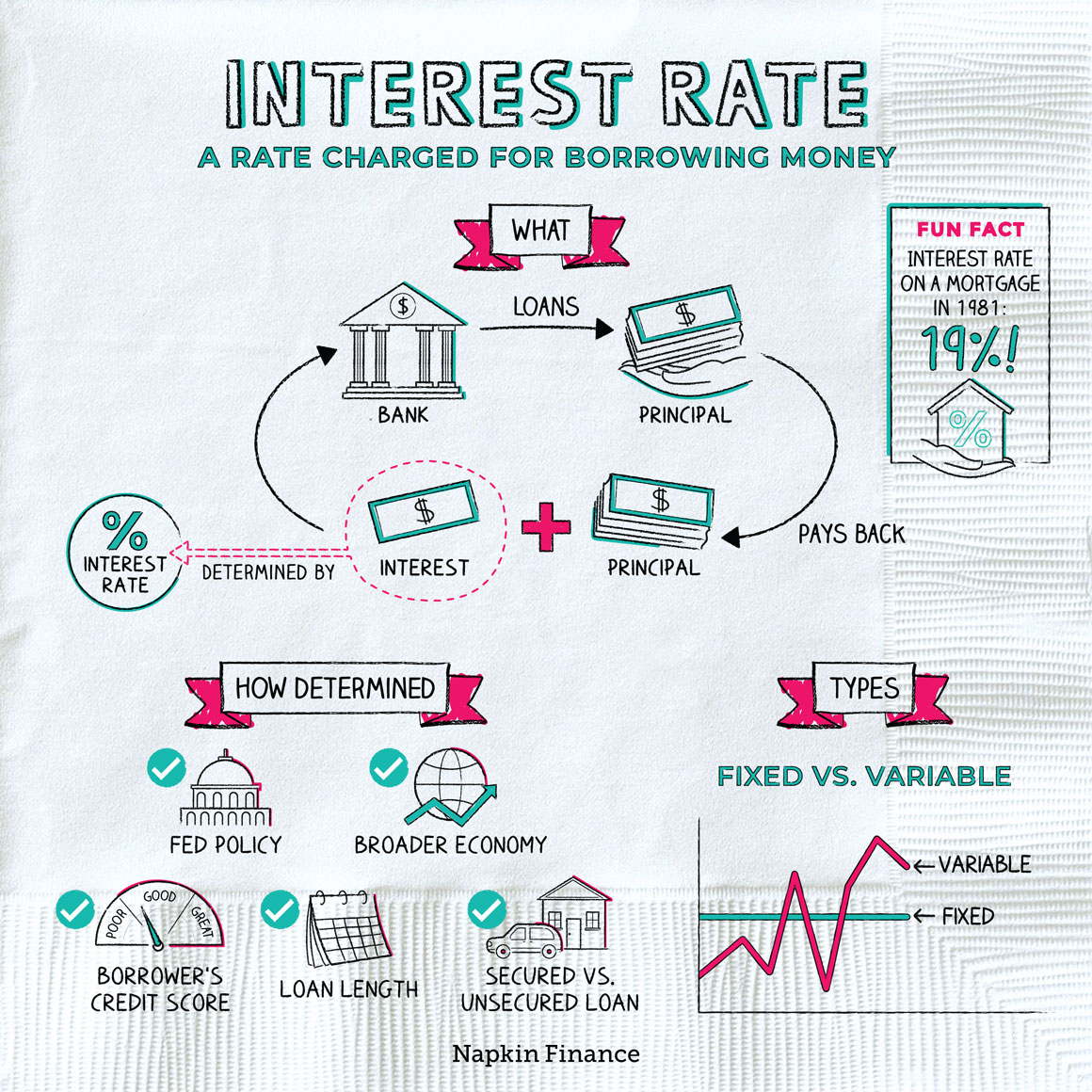
At its core, an interest rate is the cost of borrowing money or the return on saving it, expressed as a percentage of the principal amount. When you borrow, the interest rate is the fee you pay to the lender for the privilege of using their capital. When you save or invest, it’s the compensation you receive for letting a financial institution use your money. This percentage is typically annualized, meaning it represents the cost or gain over a full year. The higher the rate, the more expensive it is to borrow, and the more lucrative it is to save.
The Dual Nature: Borrowing vs. Saving Rates
It’s essential to recognize that interest rates operate on a dual track: one for borrowers and another for savers. As a borrower, you’re looking for the lowest possible interest rate on loans, mortgages, or credit cards to minimize your costs. As a saver, you’re seeking the highest possible interest rate on your deposits, such as savings accounts or Certificates of Deposit (CDs), to maximize your returns. Financial institutions earn their profits from the spread between these two rates—the higher interest they charge borrowers versus the lower interest they pay savers.
Key Factors Influencing Rates (Macro vs. Micro)
Interest rates are influenced by a complex interplay of macro-economic forces and micro-level individual circumstances.
On the macro-economic front, central banks (like the Federal Reserve in the U.S. or the European Central Bank) play a critical role. They set benchmark rates, such as the federal funds rate, which influence all other rates in the economy. Inflation expectations also heavily factor in; if lenders anticipate that money will be worth less in the future, they’ll demand higher interest rates today to compensate. Economic growth, unemployment rates, and overall market liquidity also contribute to the prevailing interest rate environment.
On the micro-level, specific factors related to you as an individual borrower or saver come into play, which we will explore in the following sections.
Factors Determining Your Specific Interest Rate (Borrowing Perspective)
When you apply for a loan, lenders don’t offer everyone the same rate. They conduct a thorough assessment of your financial profile to determine the level of risk you present. The lower the perceived risk, the better the interest rate you are likely to receive.
Your Credit Score and History: The Ultimate Gatekeeper
Your credit score is arguably the most significant factor in determining the interest rate you would get on a loan. It’s a three-digit number summarizing your creditworthiness, derived from your credit history. Lenders use it to predict the likelihood of you repaying your debts on time. A high credit score (typically 740 and above) indicates a responsible borrower, often qualifying you for the lowest advertised rates. Conversely, a low score suggests higher risk, leading to higher interest rates or even outright denial of credit. Your credit history, which includes your payment history, the amount of debt you owe, the length of your credit history, and types of credit used, provides the raw data for this score.
Debt-to-Income Ratio and Employment Stability
Beyond your credit score, lenders assess your ability to manage additional debt. Your debt-to-income (DTI) ratio is a crucial metric, comparing your total monthly debt payments to your gross monthly income. A high DTI indicates that a large portion of your income is already committed to existing debts, making you a higher risk for new loans. Lenders typically prefer a DTI ratio below 36%, though it can vary by loan type. Furthermore, your employment stability, including the length of time at your current job and your income level, assures lenders of a consistent ability to make payments. A stable, well-paying job generally translates to more favorable interest rates.
Loan Type and Term: Mortgage, Auto, Personal, Credit Card
The type of loan you seek also profoundly impacts the interest rate. Generally, secured loans (like mortgages and auto loans) tend to have lower interest rates because the asset purchased (the house or car) serves as collateral, reducing the lender’s risk. Unsecured loans, such as personal loans or credit cards, carry higher interest rates due to the absence of collateral. Within each loan type, the term of the loan (how long you have to repay it) also plays a role. Longer loan terms often come with slightly higher interest rates, as the lender is taking on risk for a more extended period, and future economic conditions are less predictable.
Collateral and Loan-to-Value (LTV)
For secured loans, the value of the collateral and your equity in it significantly affect the interest rate. For instance, with a mortgage, the loan-to-value (LTV) ratio compares the loan amount to the home’s appraised value. A lower LTV (meaning you have a larger down payment or more equity) signifies less risk for the lender, often resulting in a lower interest rate. Similarly, for auto loans, a larger down payment can secure a better rate.
Economic Environment and Lender-Specific Policies
The broader economic environment, including the central bank’s benchmark rates and inflationary pressures, sets the baseline for all interest rates. When benchmark rates rise, so do borrowing costs across the board. Conversely, during periods of economic stagnation, rates may be lowered to stimulate borrowing and spending. Beyond these macro factors, each lender has its own risk assessment models, overhead costs, and profit targets. This means that even for the same borrower profile and loan type, rates can vary between different banks, credit unions, and online lenders. Shopping around is always a wise strategy.
Maximizing Your Interest Earnings (Saving/Investing Perspective)
While the previous section focused on the cost of borrowing, interest rates also represent an opportunity for growth when it comes to your savings. Understanding where to park your money to earn the best returns is crucial for wealth accumulation.
High-Yield Savings Accounts (HYSA)
For readily accessible funds, High-Yield Savings Accounts (HYSAs) are an excellent option. Offered primarily by online banks, HYSAs typically provide significantly higher interest rates than traditional brick-and-mortar bank savings accounts. This is because online banks have lower overhead costs, which they often pass on to customers in the form of better rates. HYSAs offer liquidity, meaning you can access your funds relatively easily, making them suitable for emergency funds and short-term savings goals.
Certificates of Deposit (CDs)
Certificates of Deposit (CDs) are a time-bound savings option where you agree to deposit a sum of money for a fixed period (e.g., 3 months, 1 year, 5 years) in exchange for a fixed interest rate. CDs usually offer higher interest rates than standard savings accounts because you’re committing to keeping your money locked up for a specific term. The longer the term, generally the higher the interest rate, compensating for the lack of liquidity. Penalties apply if you withdraw funds before maturity. CDs are ideal for money you won’t need immediate access to but want to grow safely.
Money Market Accounts
Money Market Accounts (MMAs) blend features of both savings and checking accounts. They often offer higher interest rates than traditional savings accounts, albeit usually slightly less than HYSAs or CDs, while providing some checking account functionalities, such as debit cards and limited check-writing capabilities. They typically require a higher minimum balance to open and maintain compared to standard savings accounts.
Exploring Fixed-Income Investments (Bonds)
For those looking beyond traditional bank products, fixed-income investments like bonds can offer competitive interest earnings. When you buy a bond, you are essentially lending money to a government or corporation, and in return, they promise to pay you back your principal plus interest (coupon payments) over a specified period. Government bonds (like U.S. Treasury bonds) are considered very low-risk but offer lower yields, while corporate bonds carry more risk but can offer higher interest rates. Bonds are part of a diversified investment portfolio, providing a predictable income stream.
The Power of Compounding
Regardless of where you save, understanding the power of compounding is key. Compounding interest means earning interest not only on your initial principal but also on the accumulated interest from previous periods. Over time, this “interest on interest” effect can significantly accelerate the growth of your savings. The earlier you start saving and the higher the interest rate you secure, the more dramatic the impact of compounding will be.
The Application Process: From Inquiry to Offer
Securing the best interest rate requires more than just a good financial profile; it demands a strategic approach to the application process itself.
Pre-Approval vs. Pre-Qualification
When considering a major loan, such as a mortgage or auto loan, understanding the difference between pre-qualification and pre-approval is vital. Pre-qualification is an informal estimate of how much you might be able to borrow, based on self-reported financial information, and usually doesn’t involve a hard credit check. It’s a good starting point for budgeting. Pre-approval, on the other hand, involves a more rigorous review, including a hard credit check and verification of your income and assets. It results in a conditional commitment from a lender, outlining the specific loan amount and estimated interest rate you’re likely to receive. This provides a much stronger position when shopping for a home or car.
Gathering Your Documentation
Before even applying, prepare all necessary documentation. This typically includes recent pay stubs, tax returns (W-2s or 1099s), bank statements, and investment account statements. Having these documents readily available streamlines the application process and demonstrates your preparedness and reliability to lenders. Organized documentation can expedite the review process and prevent delays that could affect rate lock-ins.
Reviewing Loan Offers and Understanding the APR
Once you receive loan offers, don’t just look at the advertised interest rate. Focus on the Annual Percentage Rate (APR). The APR represents the true annual cost of borrowing, including the interest rate plus any additional fees, such as origination fees, discount points, or closing costs. Comparing APRs across different lenders provides a more accurate picture of the total cost of the loan. Some lenders might offer a slightly lower interest rate but have higher fees, resulting in a higher APR.
Negotiation and Rate Shopping Strategies
The interest rate you get is not always set in stone. It’s often negotiable, especially for larger loans.
Shop around: Apply to multiple lenders (banks, credit unions, online lenders) within a short window (typically 14-45 days for mortgage shopping, which minimizes impact on your credit score) to compare offers.
Leverage offers: Use a better offer from one lender to negotiate a lower rate with another, potentially your preferred lender.
Be prepared to walk away: If a lender isn’t meeting your needs, be willing to consider other options. Your willingness to negotiate and the confidence gained from multiple offers can significantly improve the rate you secure.
Strategies to Improve Your Financial Standing for Better Rates
If the interest rates you’re currently being offered aren’t favorable, there are proactive steps you can take to enhance your financial profile and qualify for better terms in the future.
Credit Score Enhancement Tactics
Improving your credit score is one of the most effective ways to secure lower interest rates. Start by:
-
Paying bills on time, every time: Payment history is the most critical factor. Set up auto-pay reminders.
-
Reducing credit utilization: Keep your credit card balances low relative to your credit limits (ideally below 30%).
-
Avoiding new credit inquiries: Each application can temporarily ding your score.
-
Reviewing your credit report regularly: Check for errors and dispute any inaccuracies.
-
Diversifying your credit mix: A healthy mix of revolving (credit cards) and installment (loans) credit, managed responsibly, is beneficial.
Reducing Your Debt Load
Beyond managing credit card utilization, actively working to reduce your overall debt load will improve your debt-to-income ratio, making you a more attractive borrower. Focus on paying down high-interest debts first. This not only frees up more of your monthly income but also signals financial prudence to lenders. Consider strategies like the debt snowball or debt avalanche methods to tackle your outstanding balances systematically.
Building an Emergency Fund
Having a robust emergency fund (3-6 months of living expenses) not only provides a financial safety net but also indirectly helps with interest rates. It reduces the likelihood of you needing to take on high-interest debt (like credit card debt) in times of unforeseen financial hardship. A strong cash reserve can demonstrate financial stability, which can be viewed positively by some lenders.
Long-term Financial Planning and Goal Setting
Ultimately, achieving optimal interest rates—whether borrowing or saving—is a continuous journey rooted in sound financial planning. Setting clear financial goals, such as saving for a down payment, paying off student loans, or building a retirement nest egg, provides direction. Consistent budgeting, monitoring your credit, and making informed decisions based on market conditions will ensure you’re always positioned to get the best possible interest rate, transforming a simple question into a powerful financial advantage. By taking control of your financial narrative, you empower yourself to navigate the world of interest rates with confidence and success.
aViewFromTheCave is a participant in the Amazon Services LLC Associates Program, an affiliate advertising program designed to provide a means for sites to earn advertising fees by advertising and linking to Amazon.com. Amazon, the Amazon logo, AmazonSupply, and the AmazonSupply logo are trademarks of Amazon.com, Inc. or its affiliates. As an Amazon Associate we earn affiliate commissions from qualifying purchases.