
Navigating the mortgage landscape can feel like trying to hit a moving target, especially when it comes to interest rates. For anyone considering buying a home, refinancing an existing loan, or simply understanding the economic climate, the question of “what interest rate for mortgage today?” is paramount. Mortgage interest rates are a critical determinant of monthly payments, overall loan cost, and ultimately, home affordability. These rates are not static; they fluctuate daily, influenced by a complex interplay of economic indicators, Federal Reserve policies, global events, and the competitive strategies of individual lenders. Understanding these dynamics is key to making informed financial decisions in the current housing market. This article will delve into the present rate environment, uncover the forces that shape it, explore various mortgage options, and provide actionable strategies to help you secure the most favorable terms for your financial situation.
Understanding Today’s Mortgage Rate Environment
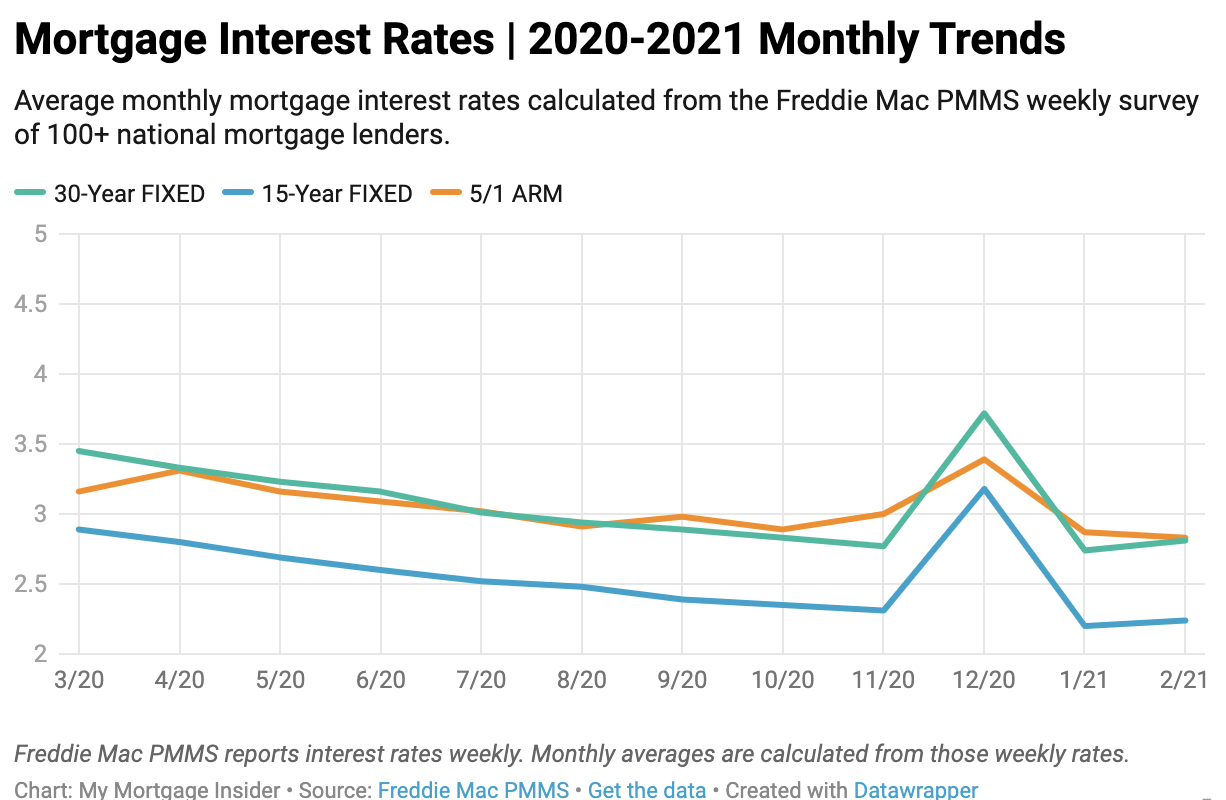
The current mortgage interest rate environment is characterized by volatility and responsiveness to broader economic trends. Gone are the ultra-low rates seen in recent years, replaced by a landscape that demands a more strategic approach from homebuyers.
The Dynamic Nature of Mortgage Rates
Mortgage rates are a living entity, constantly shifting in response to new data and market sentiment. While you might see an “average rate” advertised, the actual rate you receive will depend on numerous factors specific to your financial profile and the economic climate on the day you lock your rate. Recent trends have seen rates stabilize somewhat after significant increases, yet they remain susceptible to shifts in inflation outlooks and the Federal Reserve’s monetary policy. These fluctuations directly impact a buyer’s purchasing power and the overall cost of homeownership, making it crucial to monitor trends closely.
Average Rates vs. Individual Rates
It’s essential to differentiate between the widely reported average mortgage rates and the personalized rate you will ultimately be offered. Average rates, often published by financial news outlets, provide a general snapshot of the market. However, your individual rate will be meticulously calculated by lenders based on your credit score, debt-to-income (DTI) ratio, the size of your down payment, the loan-to-value (LTV) ratio, the specific type of mortgage you choose, and even the lender you select. A robust financial profile with a high credit score and low DTI can significantly reduce the interest rate you qualify for compared to the market average.
Key Factors Driving Mortgage Interest Rates
Mortgage interest rates don’t operate in a vacuum; they are a direct reflection of underlying economic health and market expectations. Several powerful forces constantly push and pull these rates in different directions.
Federal Reserve Policy and the Fed Funds Rate
While the Federal Reserve does not directly set mortgage rates, its monetary policy decisions exert a profound influence. The Fed Funds Rate, which is the target rate for overnight borrowing between banks, serves as a benchmark for the broader financial system. When the Fed raises this rate to combat inflation, it makes borrowing more expensive across the board, including for mortgage lenders, which often translates to higher mortgage rates. Conversely, when the Fed cuts rates to stimulate economic growth, borrowing costs tend to decrease. Market expectations about future Fed actions are therefore a major driver of rate movements.
Economic Indicators and Market Sentiment
A plethora of economic data releases regularly impact mortgage rates. Inflation reports, such as the Consumer Price Index (CPI) and Personal Consumption Expenditures (PCE), are critical; persistent high inflation often leads to higher rates as lenders seek to protect the real value of their returns. Employment figures, including job growth and unemployment rates, signal economic strength or weakness, influencing rates. Gross Domestic Product (GDP) reports indicate overall economic activity. Beyond these, the bond market, particularly the yield on the 10-year Treasury note, is a strong precursor to mortgage rate movements, as mortgages are often priced relative to these long-term bonds. Global economic stability and geopolitical events can also create ripples that affect market sentiment and, consequently, rates.
Lender-Specific Factors and Competition
Even with prevailing economic conditions, individual lenders play a significant role in determining the rates they offer. Their cost of funds, operational expenses, desired profit margins, and specific risk assessments for different borrower profiles all contribute to their pricing strategies. The competitive landscape among mortgage providers also drives rates; in a highly competitive market, lenders may slightly reduce their margins to attract more borrowers. This is why shopping around extensively is not just good advice, but a financial imperative.
Navigating Different Mortgage Types and Their Rates
The type of mortgage you choose profoundly impacts the interest rate you secure, along with the stability and predictability of your monthly payments. Understanding the nuances of each option is vital for making an informed decision.
Fixed-Rate Mortgages (FRMs)
Fixed-rate mortgages are the most common and often the preferred choice for homebuyers seeking stability. With an FRM, your interest rate remains constant for the entire duration of the loan, typically 15 or 30 years. This predictability means your principal and interest payments will not change, providing peace of mind and simplifying budgeting. While 30-year fixed mortgages offer lower monthly payments due to the extended amortization period, 15-year fixed mortgages, despite higher monthly payments, typically come with a lower interest rate and result in significantly less interest paid over the life of the loan. FRMs are ideal for those who plan to stay in their home for the long term and desire consistent payments, protecting them from potential future rate hikes.
Adjustable-Rate Mortgages (ARMs)
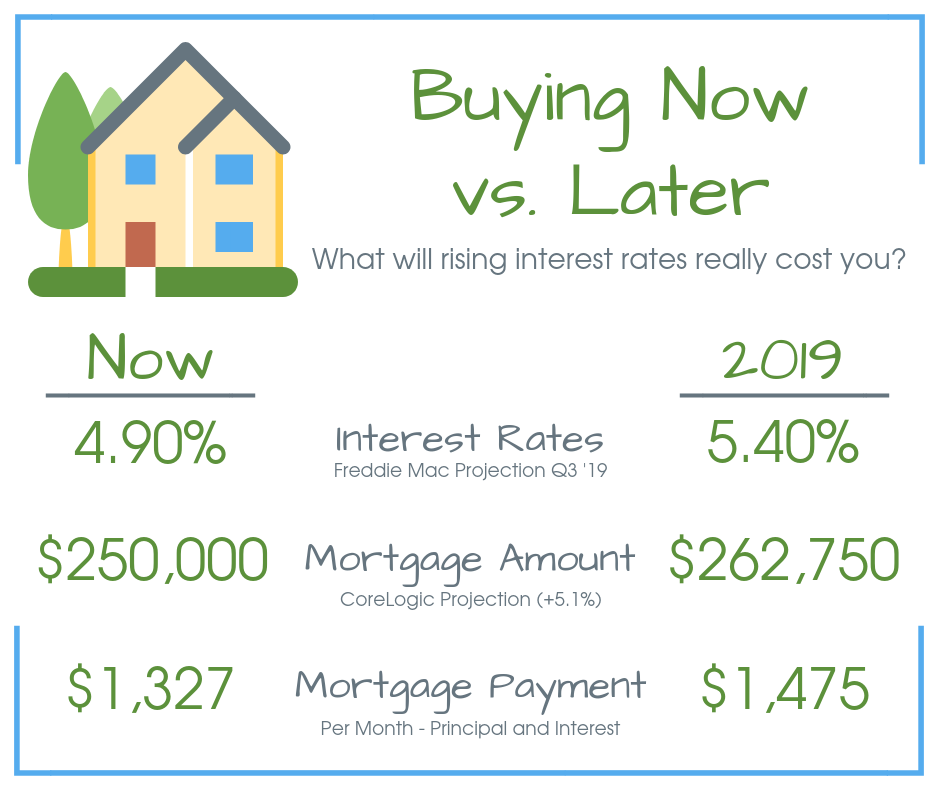
Adjustable-rate mortgages offer an initial period during which the interest rate is fixed, followed by periods where the rate adjusts periodically based on a predetermined index plus a margin. Common ARMs include 5/1, 7/1, or 10/1, where the first number indicates the fixed-rate period in years and the second number indicates how often the rate adjusts thereafter. The primary advantage of an ARM is a lower initial interest rate compared to a fixed-rate mortgage, making monthly payments more affordable in the short term. However, borrowers bear the risk that rates could increase significantly after the fixed period, leading to higher payments. ARMs can be a strategic choice for those who anticipate selling or refinancing before the fixed period ends, or for those confident in their ability to handle potential payment increases.
Government-Backed Loans (FHA, VA, USDA)
Government-backed loans often provide more accessible routes to homeownership, especially for specific borrower groups, and can come with unique rate implications. FHA loans, insured by the Federal Housing Administration, are popular for first-time homebuyers or those with lower credit scores and smaller down payments. VA loans, guaranteed by the Department of Veterans Affairs, offer competitive rates and often require no down payment for eligible veterans and service members. USDA loans, for eligible rural and suburban homebuyers, also provide low-to-no down payment options. While these loans often have less stringent qualification requirements and can offer very competitive rates, they may come with additional costs such as mortgage insurance premiums (FHA) or funding fees (VA, USDA), which should be factored into the overall cost analysis.
Strategies for Securing the Best Mortgage Rate
Finding the most favorable mortgage interest rate requires a proactive and informed approach. It’s not just about what the market offers, but how well you position yourself to receive the best possible terms.
Optimizing Your Financial Profile
Lenders assess your risk as a borrower, and the stronger your financial profile, the lower the risk and, consequently, the lower the interest rate you’ll be offered. Your credit score is paramount; a score above 740 generally qualifies you for the best rates. Improving your credit involves paying bills on time, reducing outstanding debt, and avoiding new credit inquiries. Your debt-to-income (DTI) ratio, which compares your total monthly debt payments to your gross monthly income, is another key factor; a lower DTI indicates you can comfortably manage mortgage payments. Finally, a larger down payment reduces the loan-to-value (LTV) ratio, signaling less risk to the lender and potentially leading to better rates and avoiding private mortgage insurance (PMI).
Shopping Around and Comparing Lenders
One of the most impactful steps you can take is to shop around and compare offers from multiple lenders. Don’t simply accept the first offer you receive. Contact traditional banks, credit unions, online lenders, and mortgage brokers. Mortgage brokers, in particular, can be valuable as they work with various lenders to find the best rates and terms for your specific situation. Obtain a Loan Estimate from each lender, which is a standardized form detailing the loan terms, projected payments, and closing costs. This allows for an apples-to-apples comparison, highlighting not just the interest rate but also any associated fees and points that contribute to the overall cost.
Considering Discount Points and Closing Costs
When reviewing loan offers, you’ll encounter closing costs, which are fees associated with processing your mortgage. Among these, you might have the option to pay “discount points.” A discount point is an upfront fee, typically 1% of the loan amount, paid at closing to “buy down” your interest rate. For example, paying one point might reduce your rate by 0.25%. Whether paying points is worthwhile depends on how long you plan to stay in the home. If you expect to move or refinance in a few years, the cost of the points might outweigh the savings from a lower interest rate. Conversely, for long-term homeowners, paying points can lead to significant savings over the life of the loan. Always calculate the break-even point to determine if it makes financial sense for you.
Timing the Market (If Possible)
While notoriously difficult to predict, timing the market can play a role in securing a better rate. Monitoring interest rate trends and economic forecasts can give you an edge. If you have some flexibility in your home buying timeline, you might choose to wait for a dip in rates. However, trying to perfectly time the market is often a futile exercise, as rates can change rapidly and unexpectedly. A more practical strategy is to use a “rate lock” feature once you find a rate you’re comfortable with. This guarantees your rate for a specific period (e.g., 30, 45, or 60 days) while your loan processes, protecting you from upward rate movements during that time.
Looking Ahead: Future Trends and Expert Insights
The mortgage market is in a constant state of evolution, shaped by broader economic forces and technological advancements. Understanding the potential trajectory can help homebuyers and homeowners plan effectively.
Current Forecasts and Economic Projections
Expert consensus on future mortgage rates often points to continued responsiveness to inflation and Federal Reserve policy. While the era of historically low rates may be behind us, many economists project a period of stabilization or even slight dips if inflation continues to moderate. However, any unexpected economic shocks or shifts in the Fed’s stance could quickly alter this outlook. The overall strength of the economy, global geopolitical stability, and the ongoing supply-demand dynamics in the housing market will remain critical determinants. Prospective borrowers should consult reputable financial news sources and mortgage market analysts for the latest forecasts, but always remember that predictions come with inherent uncertainties.
The Role of Technology in Mortgage Shopping
Technology is rapidly transforming the mortgage landscape, making the process more transparent and efficient. Online mortgage aggregators and comparison websites allow borrowers to quickly view rates from numerous lenders without multiple applications. AI-driven tools are emerging to help analyze individual financial profiles and recommend optimal loan products. Furthermore, digital platforms are streamlining the application and document submission process, reducing paperwork and accelerating approvals. Embracing these technological tools can empower borrowers to navigate the market more effectively, compare offers with greater ease, and potentially secure more competitive rates with less hassle.

Long-Term Perspective for Homebuyers
Beyond the immediate concern of today’s interest rate, it’s crucial for homebuyers to adopt a long-term perspective. A mortgage is a significant financial commitment, and its impact extends far beyond the initial rate. Focus on overall affordability, ensuring your monthly payments are manageable within your budget, even if rates fluctuate. Remember that a higher interest rate today doesn’t necessarily mean it will be that rate forever; refinancing opportunities may arise in the future if rates decrease significantly. Prioritizing robust financial planning, building an emergency fund, and continually reviewing your mortgage against market conditions will ensure your homeownership journey remains stable and financially sound for years to come.
aViewFromTheCave is a participant in the Amazon Services LLC Associates Program, an affiliate advertising program designed to provide a means for sites to earn advertising fees by advertising and linking to Amazon.com. Amazon, the Amazon logo, AmazonSupply, and the AmazonSupply logo are trademarks of Amazon.com, Inc. or its affiliates. As an Amazon Associate we earn affiliate commissions from qualifying purchases.