
Understanding the interest rates you qualify for is one of the most fundamental aspects of personal finance. Whether you’re looking to borrow money for a home, a car, education, or simply to manage unexpected expenses, the interest rate you secure directly impacts the total cost of your borrowing. Conversely, when saving or investing, the interest rate dictates the returns you can expect on your deposits. This comprehensive guide will demystify the factors influencing the interest rates available to you, helping you navigate the complex financial landscape with greater confidence and make informed decisions.
Understanding the Core: What Are Interest Rates and Why Do They Matter?
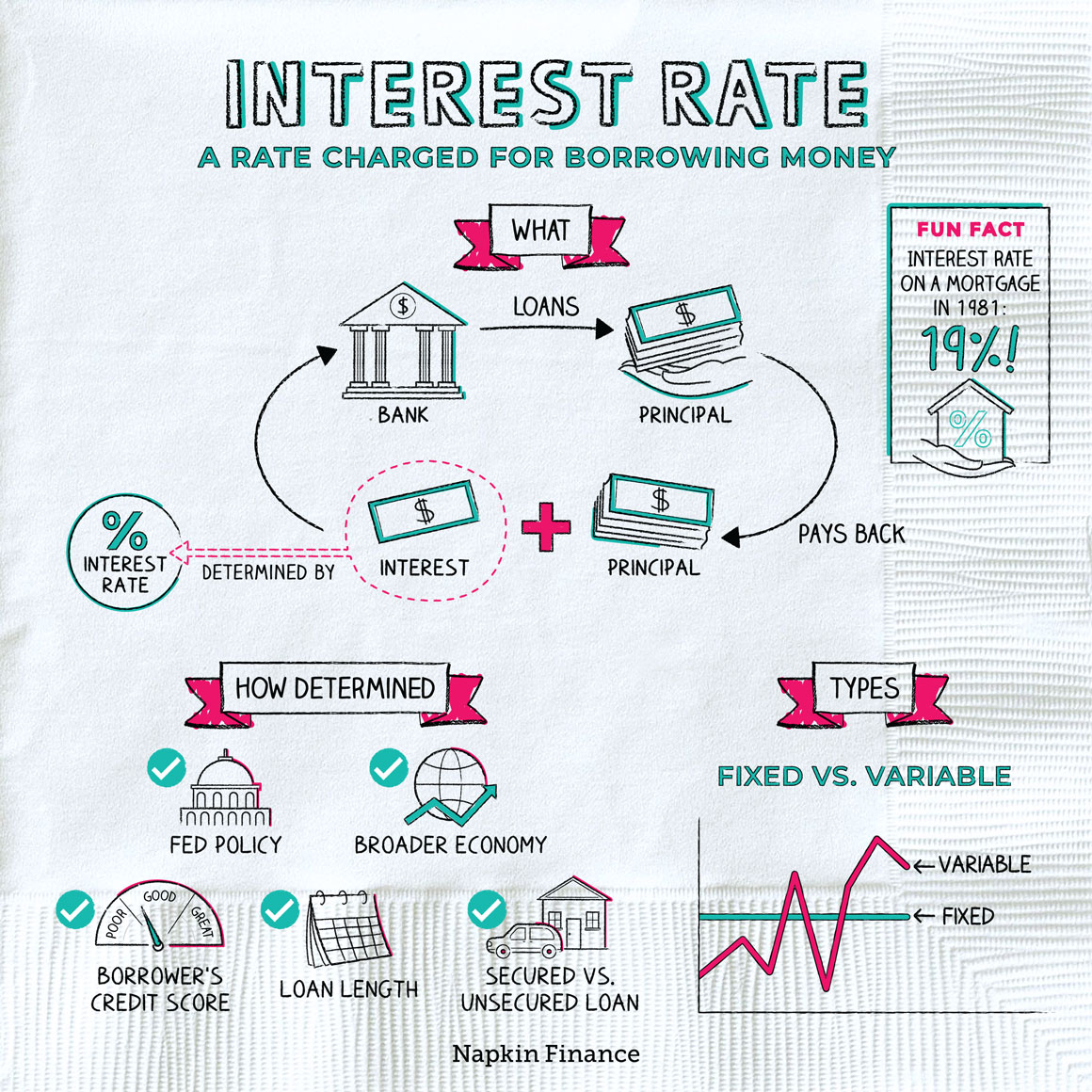
At its heart, an interest rate is the cost of borrowing money or the return on lending money, expressed as a percentage of the principal amount. For borrowers, it represents the price paid for the privilege of using someone else’s capital. For savers and lenders, it’s the compensation received for relinquishing immediate access to their funds. Grasping this core concept is the first step toward optimizing your financial outcomes.
The Fundamental Definition
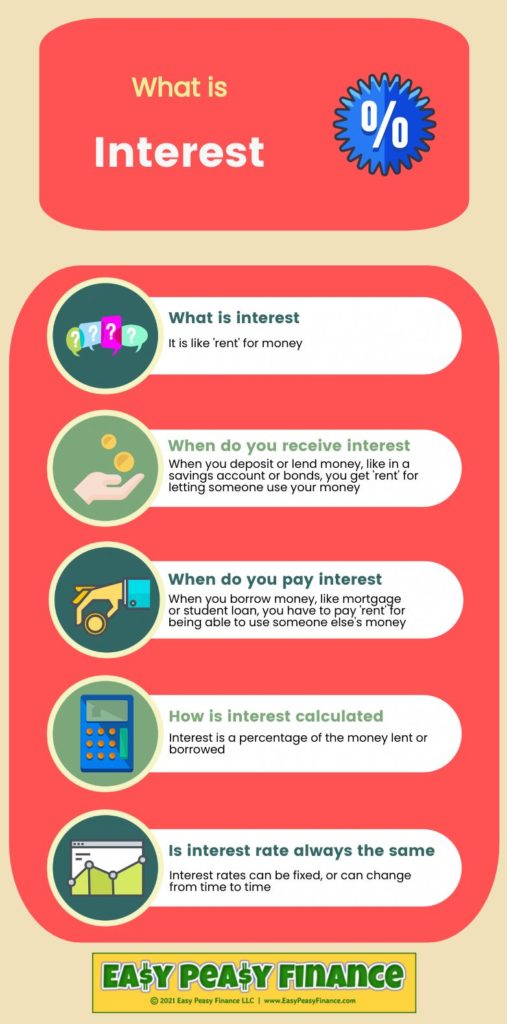
An interest rate is typically quoted as an annual percentage rate (APR) when borrowing, or annual percentage yield (APY) when saving. It’s a key metric that determines how much extra money you’ll pay back over the life of a loan or how much your savings will grow over time. This percentage is applied to the outstanding principal balance, meaning the amount you still owe or have deposited. The higher the interest rate, the more expensive your debt becomes, or the faster your savings accumulate.
Borrower vs. Lender Perspectives
From a borrower’s perspective, securing the lowest possible interest rate is paramount. A lower rate translates to lower monthly payments and significantly reduced total costs over the loan’s duration. For instance, a small difference in a mortgage interest rate can save tens of thousands of dollars over 30 years. Lenders, on the other hand, aim to charge an interest rate that adequately compensates them for the risk they take by lending money. This rate must also cover their operational costs and provide a profit margin, while remaining competitive enough to attract borrowers. The interplay between these two perspectives creates the market dynamics that determine prevailing interest rates.
The Cost of Money and Opportunity
Interest rates are not static; they fluctuate based on a multitude of economic factors, central bank policies, and individual creditworthiness. They reflect the “cost of money” in the broader economy. High interest rates often signal a tighter monetary policy, aiming to curb inflation, while low rates typically encourage borrowing and spending to stimulate economic growth. For individuals, understanding these underlying dynamics can help time major financial decisions, such as buying a home or refinancing existing debt, to take advantage of more favorable conditions. Beyond the immediate cost, interest rates also represent an opportunity cost – the return you could have earned by investing your money elsewhere, or the savings you could have realized by avoiding high-interest debt.
Key Determinants: Factors Influencing Your Personalized Rate
While macroeconomic conditions set a baseline, the interest rate you specifically qualify for is largely a reflection of your individual financial profile. Lenders assess risk; the lower they perceive your risk of defaulting on a loan, the more favorable the interest rate they are likely to offer. Several critical personal factors come into play during this assessment.
Your Credit Score: The Cornerstone of Borrowing
Your credit score is arguably the single most influential factor in determining the interest rates you can get. This three-digit number, often a FICO or VantageScore, provides a snapshot of your creditworthiness based on your payment history, amounts owed, length of credit history, new credit, and credit mix. A higher credit score (typically above 760) signals to lenders that you are a reliable borrower with a history of managing debt responsibly. This translates into lower perceived risk for the lender, leading to access to the most competitive interest rates. Conversely, a low credit score will flag you as a higher risk, resulting in significantly higher interest rates or even outright loan denials.
Debt-to-Income Ratio: A Measure of Affordability
Your debt-to-income (DTI) ratio is another crucial metric lenders scrutinize. It compares your total monthly debt payments (including the prospective new loan) to your gross monthly income. A low DTI ratio indicates that you have ample income to comfortably manage additional debt, making you a more attractive borrower. Lenders typically prefer a DTI ratio below 36%, though this can vary by loan type and lender. A high DTI suggests that you may be overextended, increasing the risk of default and consequently leading to higher interest rates or a rejection of your application.
Loan Type and Collateral: Risk Assessment by Lenders
The type of loan you seek also plays a significant role. Secured loans, such as mortgages or auto loans, are backed by an asset (collateral) that the lender can seize if you default. This reduces the lender’s risk, often resulting in lower interest rates compared to unsecured loans like personal loans or credit cards. With unsecured loans, there’s no collateral for the lender to recover, meaning the risk is entirely on your creditworthiness, hence the typically higher interest rates. The specific nature of the collateral (e.g., a home vs. a car) can also influence the rate.
Loan Term and Amount: Duration and Scale
The length of the loan term (how long you have to repay) and the loan amount itself can impact the interest rate. Generally, longer loan terms often come with slightly higher interest rates. This is because lenders face a greater risk of economic changes or personal financial instability over an extended period. While a longer term can mean lower monthly payments, it usually results in paying more interest over the life of the loan. Similarly, very small loan amounts might carry higher administrative costs relative to the principal, leading to proportionally higher rates, while very large amounts might require more stringent underwriting but can sometimes access better wholesale rates if the borrower is highly qualified.
Economic Environment: The Macro Picture
Beyond personal factors, the broader economic environment sets the overall context for interest rates. Central banks, like the Federal Reserve in the U.S., play a pivotal role by adjusting benchmark interest rates (e.g., the federal funds rate) to influence economic activity. When the economy is strong and inflation is a concern, central banks typically raise rates, making borrowing more expensive. Conversely, during economic downturns, they may lower rates to stimulate growth. Market forces, such as supply and demand for credit, inflation expectations, and global economic stability, also contribute to the prevailing interest rate environment, which serves as a baseline for all personalized offers.
Navigating the Landscape: Interest Rates Across Different Financial Products
Interest rates are not a one-size-fits-all concept. They vary dramatically depending on the financial product you’re considering. Each product is designed for a specific purpose and carries a different level of risk for lenders, which is reflected in the rates offered.
Mortgages: Long-Term Home Ownership
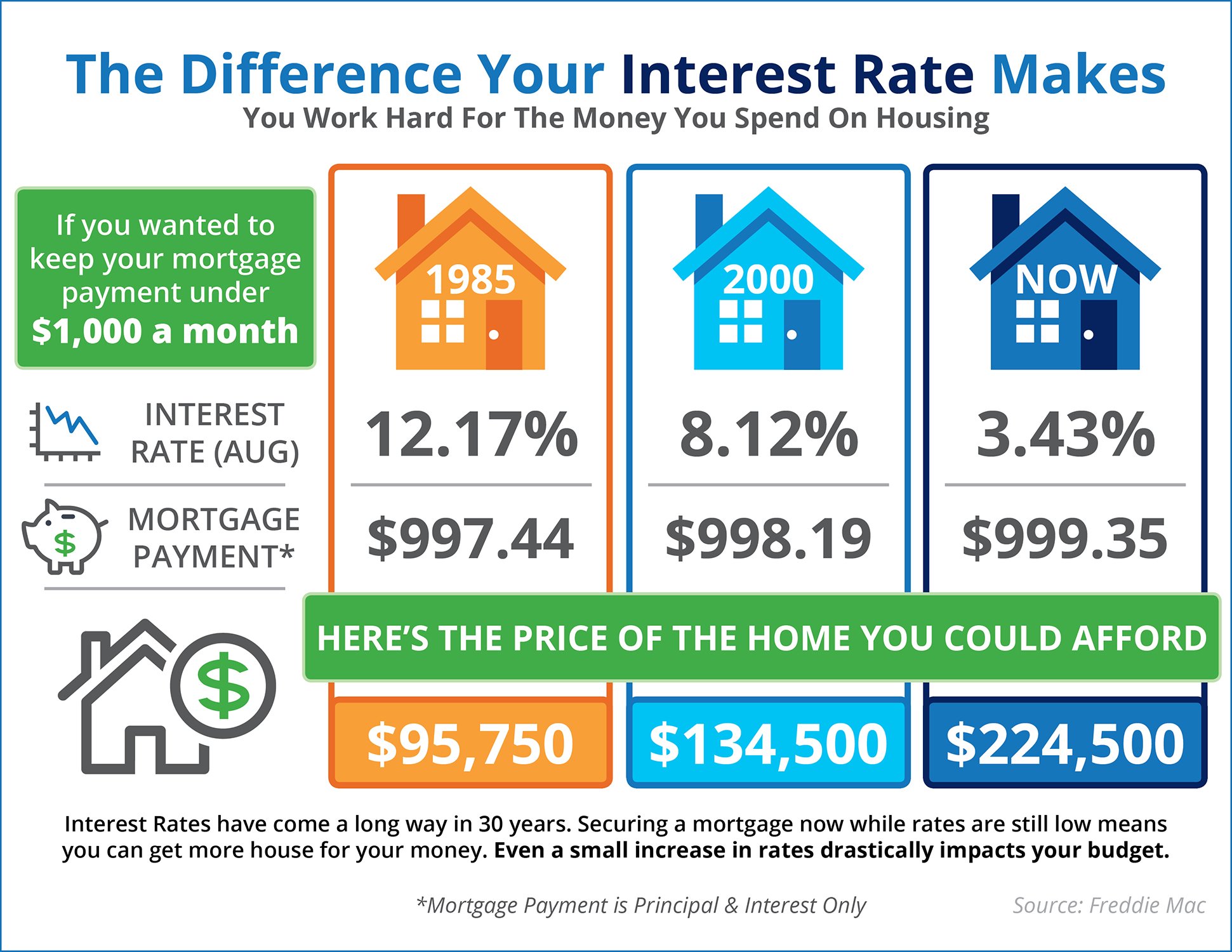
Mortgages are typically secured by the property being purchased, making them one of the lowest-interest forms of consumer debt. Rates for mortgages depend on your credit score, DTI, loan-to-value (LTV) ratio, the specific type of mortgage (e.g., fixed-rate vs. adjustable-rate), and the prevailing market conditions. Fixed-rate mortgages offer stability with a consistent payment, while adjustable-rate mortgages (ARMs) can start lower but fluctuate with market indices. Jumbo loans (above conforming limits) or specific government-backed loans (FHA, VA) may have different rate structures.
Personal Loans: Unsecured Flexibility
Personal loans are generally unsecured, meaning they are not backed by collateral. This higher risk for lenders translates into higher interest rates compared to mortgages or auto loans. Rates for personal loans are highly dependent on your credit score and DTI ratio, ranging from single digits for those with excellent credit to over 30% for high-risk borrowers. They offer flexibility for various purposes, from debt consolidation to funding major purchases, but require careful consideration due to their potentially higher costs.
Auto Loans: Financing Your Ride
Auto loans are secured by the vehicle itself, making their interest rates generally lower than unsecured personal loans but higher than mortgages, as cars depreciate quickly. Rates depend on your credit score, the loan term, whether the car is new or used (used cars often have slightly higher rates), and the down payment amount. Dealership financing and bank loans often have competitive rates, and specific manufacturer promotions can sometimes offer very low or even 0% APR for qualified buyers.
Credit Cards: Revolving Debt, Higher Costs
Credit cards represent a revolving line of credit and typically carry the highest interest rates among common consumer loan products. Since they are unsecured and offer immediate access to funds without a formal application process for each transaction, the risk to the lender is substantial. APRs for credit cards can range from 15% to well over 30%, making carrying a balance on credit cards a very expensive endeavor. Some cards offer introductory 0% APR periods, but these are temporary, and the standard rate applies afterward.
Savings Accounts & CDs: Earning on Your Deposits
While not a borrowing product, understanding interest rates on savings vehicles is the flip side of the coin. Savings accounts, money market accounts, and Certificates of Deposit (CDs) offer interest on your deposited funds. These rates are generally much lower than borrowing rates, reflecting the low risk to the depositor and the liquidity of the funds. CDs typically offer higher rates than standard savings accounts because you agree to lock your money away for a specific term. Online banks often provide more competitive savings rates compared to traditional brick-and-mortar institutions due to lower overhead costs.
Strategies for Success: How to Secure the Best Interest Rates
Knowing what influences interest rates is powerful, but actively working to improve your financial standing is how you translate that knowledge into real savings. There are several proactive steps you can take to position yourself for the most favorable rates available.
Building and Maintaining Excellent Credit
This is paramount. Regularly checking your credit report for errors, paying all bills on time, keeping credit utilization low (ideally below 30% of your credit limit), avoiding opening too many new credit accounts at once, and maintaining a long credit history are all vital for cultivating a strong credit score. A higher score directly correlates with lower interest rates across virtually all loan products. Consider using credit monitoring services to stay on top of your credit profile.
Reducing Your Debt Load
Before applying for new credit, focus on reducing your existing debt, especially high-interest balances like credit cards. A lower debt-to-income ratio makes you a more attractive borrower. Strategies like the snowball or avalanche method can help you systematically pay down debt. By demonstrating that you are not overextended, lenders will perceive less risk, improving your chances for better rates.
Shopping Around and Comparing Offers
Never settle for the first offer you receive. Different lenders have varying underwriting criteria, risk assessment models, and profit margins. It’s crucial to shop around and get quotes from multiple banks, credit unions, and online lenders. Use online comparison tools, but also consider contacting institutions directly. Be transparent about comparing offers; some lenders may be willing to match or beat a competitor’s rate to earn your business. This competitive process is one of your strongest tools.
Negotiating with Lenders
Once you have multiple offers in hand, don’t be afraid to negotiate. If you have a strong credit profile, a significant down payment, or a long-standing relationship with a particular financial institution, you might have leverage. Presenting a lower rate from a competing lender can sometimes prompt your preferred lender to re-evaluate their offer. Even a quarter-point reduction can save you thousands over the life of a long-term loan.
Understanding APR vs. Nominal Interest Rate
It’s critical to understand the difference between the nominal interest rate and the Annual Percentage Rate (APR). The nominal interest rate is simply the percentage charged on the principal. The APR, however, includes not only the interest rate but also other fees associated with the loan, such as origination fees, discount points, and processing charges, expressed as an annual percentage. The APR provides a more comprehensive picture of the true annual cost of borrowing. Always compare APRs when evaluating loan offers to get an accurate understanding of the total cost.
Beyond the Rate: The Broader Context of Your Financial Decisions
While securing the best possible interest rate is a primary goal, it’s essential to integrate this objective into a larger framework of sound financial planning. The interest rate is a powerful variable, but it’s just one component of your overall financial health.
The Importance of the Big Picture
A low interest rate on a loan you can’t truly afford, or one that ties up too much of your cash flow, isn’t necessarily a good deal. Conversely, sometimes paying a slightly higher interest rate for a shorter term might be more beneficial if it helps you become debt-free sooner, freeing up capital for other investments or goals. Evaluate the total cost of the loan, the monthly payment’s impact on your budget, and how it aligns with your broader financial objectives. Consider the opportunity cost of dedicating a significant portion of your income to debt repayment versus saving or investing.
Long-Term Financial Planning
Interest rates are a dynamic element in your financial journey, influencing both your borrowing costs and your investment returns. Incorporating an understanding of interest rate trends and their personal impact into your long-term financial planning is crucial. This includes planning for major purchases, retirement savings, and emergency funds. Regularly reassessing your loans for refinancing opportunities when interest rates drop can also lead to substantial savings over time, much like adjusting your investment strategy based on market conditions.
When to Borrow, When to Save
Ultimately, the question “what interest rate can I get?” leads to deeper considerations about financial responsibility. It forces you to evaluate not just if you can get a loan, but should you, and at what cost? Similarly, understanding savings rates helps you decide where to park your emergency fund or short-term savings to maximize returns while maintaining liquidity. Informed decisions about interest rates empower you to borrow responsibly, save strategically, and build a resilient financial future that supports your aspirations.
aViewFromTheCave is a participant in the Amazon Services LLC Associates Program, an affiliate advertising program designed to provide a means for sites to earn advertising fees by advertising and linking to Amazon.com. Amazon, the Amazon logo, AmazonSupply, and the AmazonSupply logo are trademarks of Amazon.com, Inc. or its affiliates. As an Amazon Associate we earn affiliate commissions from qualifying purchases.