
The Foundation of Harmonic Exploration
The string quartet, a cornerstone of classical music and a beloved ensemble in contemporary genres, is defined by its intimate yet incredibly rich sonic palette. This seemingly simple configuration of four string instruments has captivated audiences and composers for centuries, offering a profound capacity for intricate interplay, emotional depth, and virtuosic expression. Understanding the specific instruments that comprise this ensemble is key to appreciating its unique musical character and its enduring legacy. The “what” of a string quartet isn’t just about listing the instruments; it’s about understanding the roles they play and how their distinct voices blend to create a cohesive and compelling musical entity.
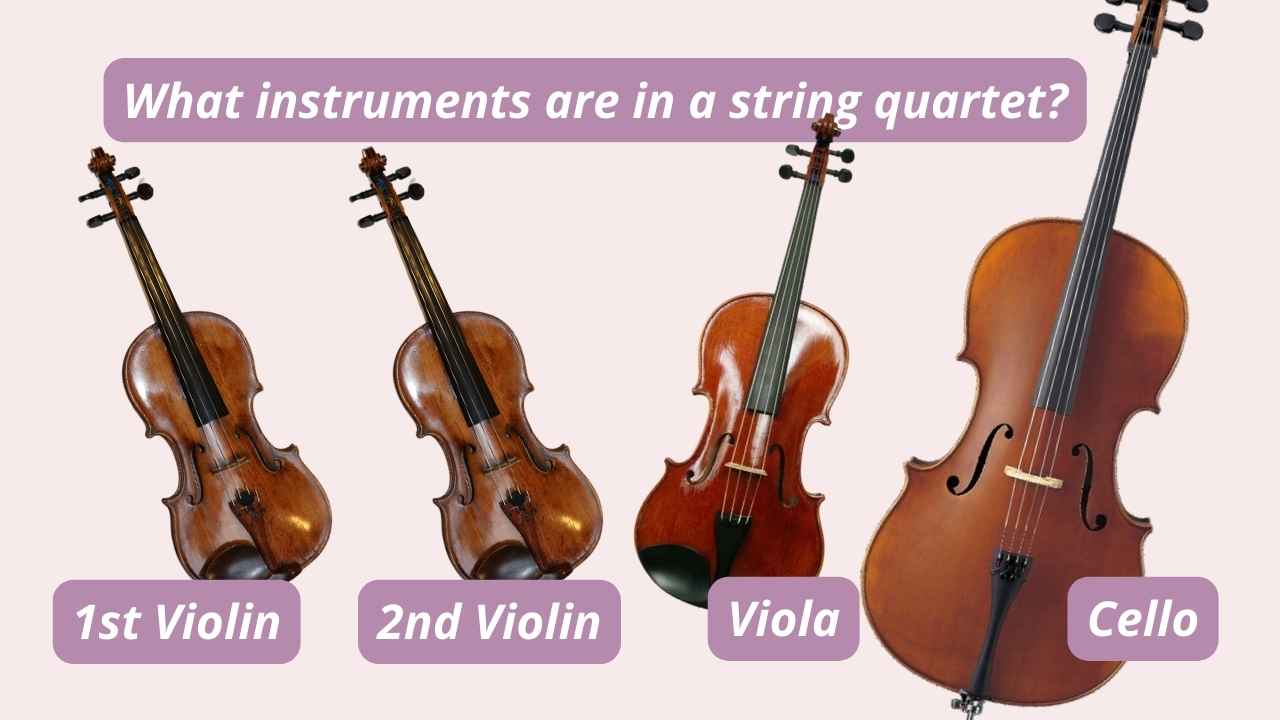
The Violin: The Leading Voice
Within the string quartet, the violin typically takes center stage, often carrying the melodic lead. Its bright, agile sound and expansive range allow it to soar above the other instruments, delivering both delicate passages and powerful statements.
First Violin: The Prima Donna
The first violin, often referred to as the “leader” of the quartet, shoulders the primary melodic responsibility. The player in this position usually navigates the most intricate and demanding melodic lines, requiring exceptional technical facility and a keen sense of musicality. This part is frequently characterized by its virtuosity, demanding rapid runs, complex bowing techniques, and a wide dynamic range. The first violin sets the mood and dictates the emotional trajectory of a piece, often engaging in a dynamic dialogue with the other instruments. Its tone is typically bright, clear, and piercing, capable of cutting through the texture and drawing the listener’s attention.
Second Violin: The Harmonizer and Counter-Melodist
While the first violin often sings the main melody, the second violin plays an equally crucial role in shaping the harmonic fabric and often provides a complementary melodic line or counter-melody. It works in tandem with the first violin, creating intricate harmonies and rhythmic propulsion. The second violin’s part is often more harmonically driven, filling out the chords and providing a crucial harmonic foundation. However, it is far from a mere accompaniment role. Composers frequently entrust the second violin with melodic fragments, counter-melodies that weave around the primary tune, or rhythmic figures that add drive and energy. Its ability to blend seamlessly with the first violin, creating rich harmonic textures, is essential to the quartet’s sound.
The Viola: The Bridge and The Soul
The viola, often described as the “tenor” of the string family, occupies a pivotal position in the string quartet. Its larger size and thicker strings give it a warmer, darker, and more resonant tone than the violin. This unique timbre allows it to act as a crucial bridge between the higher-pitched violins and the lower-pitched cello, filling the harmonic gap and adding a distinctive warmth and depth.

The Alto Voice: Adding Depth and Richness
The viola’s part in a string quartet is multifaceted. It provides harmonic support, often playing inner voices that add crucial color and complexity to the overall sound. Beyond harmonic functions, the viola can also be entrusted with its own melodic lines, which, due to its distinctive tone, often possess a more introspective or melancholic quality. This “alto” voice can provide a profound emotional core to the music, adding a layer of gravitas and soulfulness that is indispensable to the quartet’s expressive capabilities. The viola’s slightly richer, mellower sound allows it to blend beautifully with both the violins and the cello, acting as a vital connector in the ensemble.
The Cello: The Bass and The Foundation
The cello, with its deep, resonant voice and wide expressive range, provides the fundamental bass line and harmonic foundation of the string quartet. Its powerful sound anchors the ensemble, offering a sense of stability and depth.
The Bass Line: The Harmonic Anchor
The cello’s primary role is to lay down the harmonic bedrock. It plays the lowest notes, defining the chord progressions and providing a crucial sense of grounding. This role is not merely perfunctory; the cello’s melodic capabilities are immense. Composers frequently feature the cello with its own expressive melodies, often imbued with a profound sense of gravitas or lyrical beauty. The cello’s ability to deliver both powerful, driving bass lines and poignant, singing melodies makes it an indispensable voice within the quartet, capable of both supporting and leading. Its sound is full-bodied, rich, and capable of a wide spectrum of dynamics and emotions.
The Synergy of Four: The String Quartet’s Unique Sound
The true magic of the string quartet lies not in the individual brilliance of its instruments, but in their collective synergy. The interplay between the four voices creates a sonic tapestry that is both intimate and expansive, capable of expressing the full spectrum of human emotion.
Interplay and Dialogue: A Conversational Music
The string quartet is, in essence, a chamber music conversation. The instruments engage in a constant dialogue, passing melodic fragments back and forth, harmonizing, and responding to each other’s musical ideas. This intricate interplay requires a high degree of ensemble precision and mutual listening. Composers exploit the unique timbral qualities and technical capabilities of each instrument to create a rich and varied texture. The ability of the first violin to spin a lyrical melody, the second violin to weave a harmonic counterpoint, the viola to add warmth and color, and the cello to provide a solid foundation and its own melodic statements, all contribute to the ensemble’s remarkable expressive range.
Harmonic Richness and Texture: A World of Sound
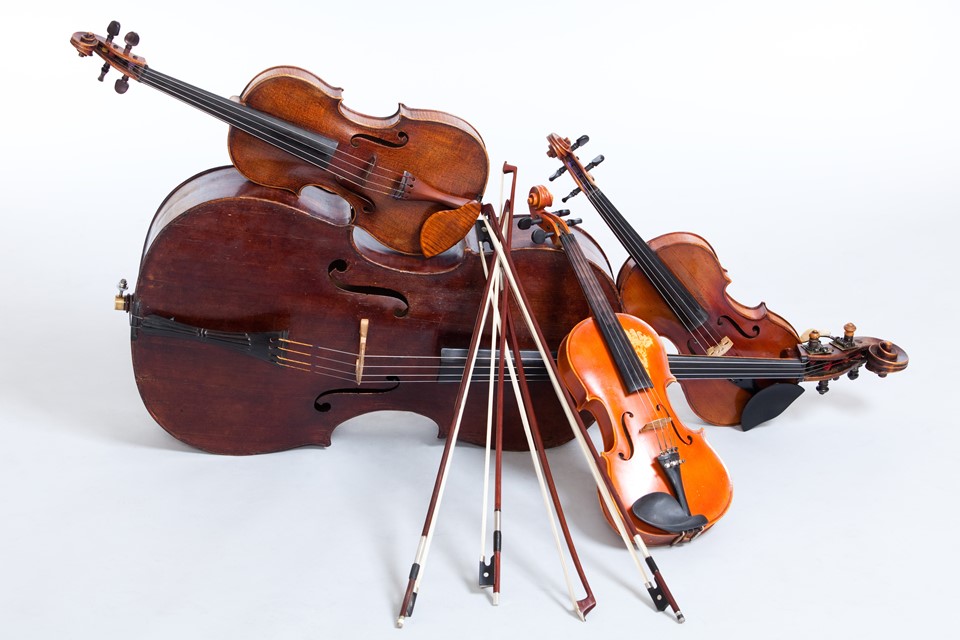
The specific combination of two violins, viola, and cello allows for an unparalleled depth and richness in harmonic exploration. The close proximity of the instruments, combined with their distinct tonal qualities, enables the creation of incredibly complex and nuanced harmonies. From soaring, consonant chords that evoke feelings of joy and triumph to dissonant harmonies that convey tension and unease, the string quartet can explore a vast sonic landscape. The ability of these four instruments to blend and contrast, to create both clarity and a sense of dense texture, is a testament to their enduring appeal and the genius of composers who have written for them. The string quartet, therefore, is more than just a collection of instruments; it is a finely tuned mechanism for musical expression, a self-contained orchestra in miniature that continues to inspire and move listeners across generations.
aViewFromTheCave is a participant in the Amazon Services LLC Associates Program, an affiliate advertising program designed to provide a means for sites to earn advertising fees by advertising and linking to Amazon.com. Amazon, the Amazon logo, AmazonSupply, and the AmazonSupply logo are trademarks of Amazon.com, Inc. or its affiliates. As an Amazon Associate we earn affiliate commissions from qualifying purchases.