
The history of temperature measurement is a fascinating chronicle of human ingenuity, bridging the gap between raw sensory perception and precise scientific observation. From the rudimentary thermoscopes of the late 16th century to the high-precision digital sensors powering modern industrial automation and consumer electronics, the evolution of thermometry is a cornerstone of technological progress. Understanding which instrument is used to measure temperature requires a look at the physics of heat, the mechanics of material expansion, and the digital revolution that has transformed data acquisition.
The Evolution of Traditional Thermometric Technology
At the heart of early temperature measurement lies the principle of thermal expansion. Most materials expand when heated and contract when cooled. The first instruments, known as thermoscopes, relied on this basic physical reaction to provide a qualitative—rather than quantitative—view of temperature changes.
Liquid-in-Glass Thermometers
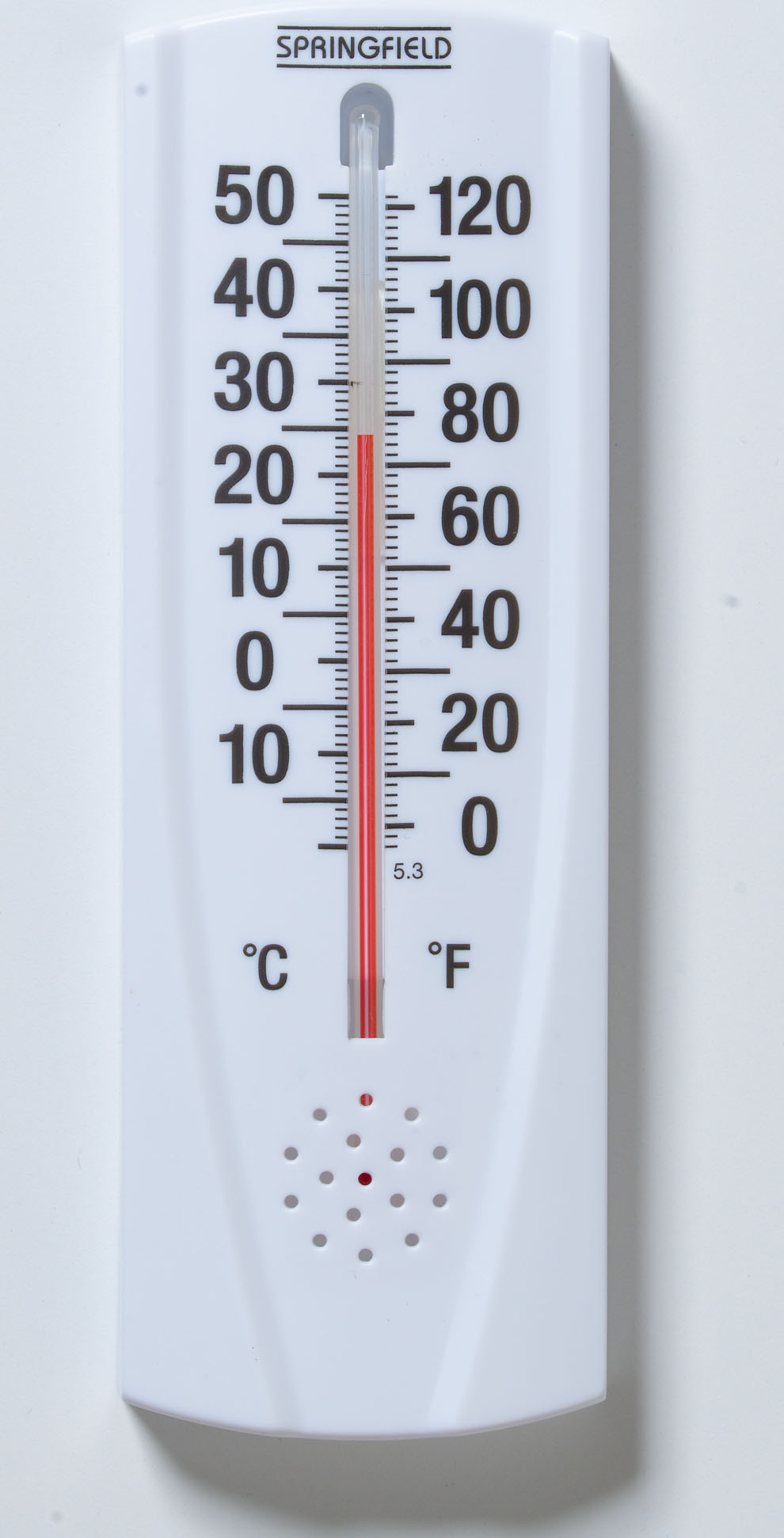
For centuries, the gold standard for temperature measurement was the liquid-in-glass thermometer. These devices utilize a calibrated glass tube filled with a working fluid—historically mercury, and later, dyed alcohol. As the surrounding environment heats up, the liquid expands up the graduated scale, providing a visual reading.
While simple, these instruments suffer from several technological limitations: they are fragile, slow to respond to rapid changes, and difficult to integrate into modern automated data systems. Despite this, their reliance on pure physics makes them essential calibration tools in scientific laboratories even today, where they serve as a baseline for verifying the accuracy of electronic sensors.
Bimetallic Strip Thermometers
In mechanical engineering and industrial heating systems, the bimetallic strip thermometer remains a staple. These devices consist of two different metals bonded together, each with a different coefficient of thermal expansion. As the temperature shifts, the strip bends, driving a mechanical pointer across a dial. While less accurate than laboratory-grade glass thermometers, their durability makes them ideal for environments where digital displays might fail, such as in high-vibration machinery or industrial boilers.
The Digital Revolution: Sensors and Transducers
As we moved into the late 20th century, the demand for high-speed, remote, and automated monitoring catalyzed a shift toward electronic temperature measurement. The modern “instrument” is no longer just a glass tube; it is a complex sensor that converts thermal energy into electrical signals—a process known as transduction.
Resistance Temperature Detectors (RTDs)
The Resistance Temperature Detector, or RTD, represents one of the most precise methods for measuring temperature in industrial and scientific applications. The technology is based on a predictable relationship between the electrical resistance of a metal (usually platinum) and its temperature. Because metals increase in resistance as they heat up, a controller can pass a small current through the RTD and measure the voltage drop to determine the precise temperature.
The primary advantage of RTDs is their stability and linearity. They provide highly repeatable data, making them the preferred choice for pharmaceutical manufacturing, aerospace testing, and precision chemical processing where even a fraction of a degree can impact product quality or safety.
Thermistors and Thermocouples
For applications where space is limited and cost-efficiency is paramount, thermistors and thermocouples dominate the tech landscape.
- Thermistors: These are ceramic semiconductors that exhibit a drastic change in resistance over a narrow temperature range. They are the “brains” inside digital household thermometers, smart thermostats, and internal circuitry protection systems. Because they are inexpensive to manufacture at scale, they are ubiquitous in consumer electronics.
- Thermocouples: A thermocouple utilizes the Seebeck effect, where two dissimilar metal wires joined at one end produce a voltage proportional to the temperature difference between the two ends. They are incredibly rugged and capable of measuring extreme temperatures—from cryogenic cooling systems to molten metal furnaces—that would destroy most other sensors.

Infrared and Non-Contact Measurement
In the era of rapid technological advancement, the ability to measure temperature without physical contact has become a game-changer. Infrared (IR) thermometry is a sophisticated application of optics and photonics.
The Physics of Blackbody Radiation
Every object with a temperature above absolute zero emits thermal radiation. Infrared thermometers use lenses to focus this radiation onto a detector called a thermopile. The detector converts the incoming energy into an electrical signal, which the device’s onboard software then translates into a temperature reading.
Applications in Modern Diagnostics
This technology is no longer limited to high-end industrial uses. It has become a standard tool in preventative maintenance and cybersecurity (via server room monitoring). In IT infrastructure, infrared thermal imaging is used to identify “hot spots” in server racks, allowing administrators to proactively address cooling issues before hardware failure occurs. By mapping the heat signatures of electrical components, engineers can detect failing capacitors or overloaded circuits without ever touching the equipment, ensuring continuous uptime in data-sensitive environments.
Integration Into the Internet of Things (IoT)
The future of temperature measurement is intrinsically linked to the Internet of Things (IoT). Today, the instrument used to measure temperature is frequently part of a broader network of interconnected devices that share data in real-time.
Cloud-Based Monitoring and Analytics
Modern thermal sensors are increasingly being equipped with wireless connectivity—Wi-Fi, Bluetooth, or Low-Power Wide-Area Networks (LPWAN). When a sensor takes a reading, that data is pushed to a cloud platform, where AI-driven analytics can perform trend analysis.
For instance, in a smart building, a network of distributed sensors measures the temperature in every corner of the facility. This data is fed into an AI management system that automatically balances HVAC output to optimize energy consumption. The instrument is no longer just a “reader”; it is an “actor” within a larger, autonomous system designed to improve efficiency and sustainability.
Digital Security and Data Integrity
With the move to digital measurement comes the necessity for data security. If an instrument is controlling a cooling system in a nuclear plant or a critical laboratory freezer containing vaccines, the integrity of the data stream is paramount. Modern temperature instrumentation now often includes encrypted telemetry to prevent spoofing or tampering, marking a clear evolution from simple analog needles to highly secure digital endpoints.
Selecting the Right Tool for the Application
Choosing the correct temperature-measuring instrument depends on a matrix of variables: required accuracy, environmental conditions, response time, and the need for data integration.
- For scientific research: The high-precision RTD remains the benchmark for its stability.
- For consumer convenience: The thermistor is the unsung hero, powering the digital devices we use daily.
- For hazardous environments: The rugged thermocouple stands alone in its ability to withstand extreme conditions.
- For large-scale infrastructure: The infrared sensor provides the speed and non-invasive capability needed to keep modern complex systems running smoothly.
As we continue to push the boundaries of technology, the instruments we use to measure temperature are becoming smaller, more accurate, and more interconnected. What began as a simple glass tube filled with colored liquid has become a sophisticated array of sensors and algorithms, enabling us to monitor, manage, and optimize the invisible thermal currents that govern the world around us. Whether it is keeping a server farm from overheating or ensuring a batch of pharmaceuticals remains within the cold chain, the modern thermometer—in all its varied forms—is an essential, silent guardian of our technological age.
aViewFromTheCave is a participant in the Amazon Services LLC Associates Program, an affiliate advertising program designed to provide a means for sites to earn advertising fees by advertising and linking to Amazon.com. Amazon, the Amazon logo, AmazonSupply, and the AmazonSupply logo are trademarks of Amazon.com, Inc. or its affiliates. As an Amazon Associate we earn affiliate commissions from qualifying purchases.