
In the landscape of modern commerce, few entities command the same level of global recognition, loyalty, and equity as Star Wars. While often analyzed through the lens of cinema or technology, the genesis of Star Wars is, at its core, one of the most successful case studies in brand strategy and corporate identity. When we ask “what inspired Star Wars,” we are not merely looking at a director’s favorite childhood movies; we are examining the deliberate synthesis of archetypes, historical aesthetics, and market positioning that created a multi-billion-dollar intellectual property (IP).
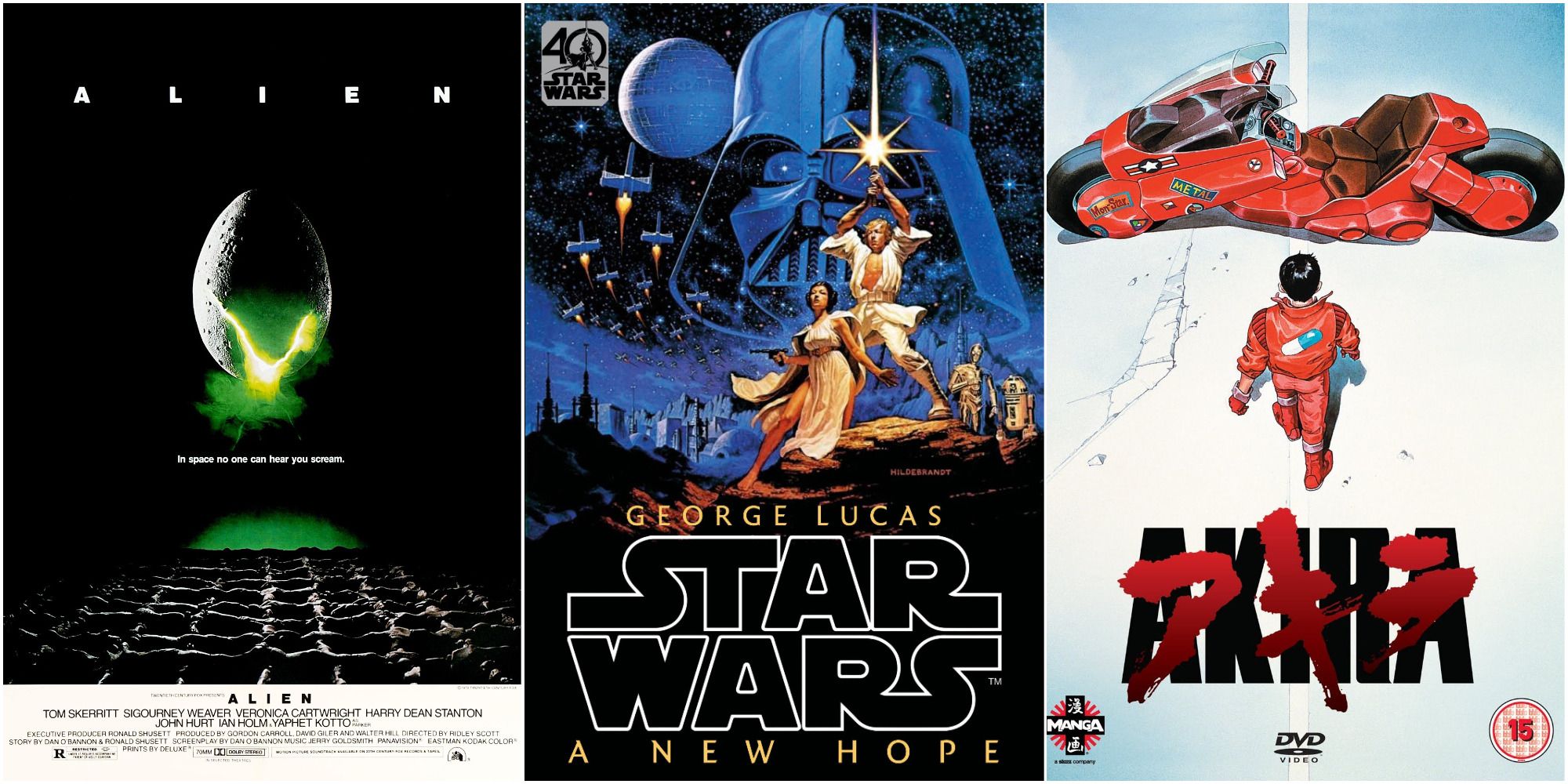
George Lucas did not just invent a galaxy; he engineered a brand language that resonated across cultures, age groups, and decades. By dissecting the inspirations behind the franchise, we can uncover the blueprint for building a brand that transcends its original medium.
The Monomyth as Brand Architecture: The Joseph Campbell Influence
The most foundational inspiration for Star Wars was the work of mythologist Joseph Campbell, specifically his book The Hero with a Thousand Faces. For a brand to achieve global scale, it requires a “Universal Brand Language”—a narrative structure that feels familiar even to a first-time consumer.
The Hero’s Journey as a Marketing Framework
Lucas utilized Campbell’s “Monomyth” (The Hero’s Journey) as the structural framework for his brand. From a brand strategy perspective, this was a stroke of genius. The Monomyth provides a predictable yet satisfying emotional arc: the Call to Adventure, the Supernatural Aid, the Road of Trials, and the Ultimate Boon.
By rooting the Star Wars brand in these ancient narrative patterns, Lucas ensured that his product had an inherent psychological “hook.” This isn’t just storytelling; it is consumer psychology. A brand that follows the Hero’s Journey allows the consumer to project themselves onto the protagonist, fostering a deep emotional connection that simple “product features” (like special effects) cannot achieve.
Visual Symbolism: From Monomyth to Logo
The inspiration of mythology extended into the brand’s visual identity. The Jedi were not just soldiers; they were “knights,” drawing on the established brand equity of Arthurian legend. The Sith were not just villains; they were the embodiment of the “Shadow” archetype. This clear binary—Light vs. Dark—created a high-contrast brand identity that was easy to communicate, easy to market, and easy to represent through iconic logos and color palettes (the blue of the lightsaber vs. the red).
Cinematic DNA: Borrowing Credibility through Strategic Remixing
A key pillar of brand strategy is “positioning”—how a brand sits in relation to existing products. Lucas inspired Star Wars by “remixing” established cinematic genres, taking the best elements of proven “brands” (genres) and merging them into something novel.
Eastern Influence and the “Jedi” Aesthetic
One of the most profound inspirations for Star Wars was the cinema of Akira Kurosawa, particularly the 1958 film The Hidden Fortress. From a brand perspective, Lucas was performing a “market crossover.” He took the discipline, philosophy, and aesthetic of the Samurai (the “Jidaigeki” genre) and exported it to a Western sci-fi setting.
The word “Jedi” itself is believed to be derived from Jidaigeki. By borrowing the stoicism and honor codes of the Samurai, Lucas gave his brand a sense of “prestige” and “heritage” that was missing from the “pulpy” sci-fi of the 1950s. This strategic infusion of Eastern philosophy allowed the brand to appeal to a more sophisticated, global audience.
The Grit of the “Used Universe” vs. Clean Sci-Fi
Before Star Wars, the brand of “Science Fiction” was often associated with the sterile, polished aesthetic of 2001: A Space Odyssey or the campy vibrancy of Flash Gordon. Lucas sought inspiration from the Western genre and World War II dogfights to create a “Used Universe.”
This was a pivot in brand design. By making the ships look oily, dented, and lived-in, Lucas established a brand identity rooted in “authenticity.” In marketing terms, this is the difference between a luxury brand that feels untouchable and a “heritage” brand that feels durable and real. This “gritty realism” became a core brand pillar, distinguishing Star Wars from its competitors for decades.

The Merchandising Revolution: Turning Inspiration into Asset
Perhaps the most significant “inspiration” for the Star Wars brand was not a movie or a book, but a visionary approach to business finance and licensing. Lucas famously turned down a higher directing fee in exchange for the merchandising rights and the rights to any sequels. At the time, this was seen as a poor financial move; in hindsight, it was the greatest brand-building decision in history.
The Kenner Deal and Brand Tangibility
Lucas realized that for a brand to survive, it must exist outside of the cinema screen. He sought to make the Star Wars brand “tangible.” The inspiration for the 3.75-inch action figures (produced by Kenner) changed the toy industry forever.
This move transformed “viewers” into “collectors.” By creating a vast array of characters, vehicles, and playsets, the brand occupied the physical space of the consumer’s home. Each toy acted as a brand touchpoint, keeping the IP relevant during the years between film releases. This “ecosystem” approach to branding—where the product line supports the narrative and vice versa—is now the standard for every major entertainment franchise, from Marvel to Harry Potter.
Transmedia Storytelling: The Expanded Universe
The inspiration for the “Expanded Universe” (now Star Wars Legends) came from the desire to treat the brand as a living history rather than a static story. By licensing books, comics, and games, Lucasfilm engaged in “Transmedia Storytelling.” This strategy ensured that the brand could pivot to meet the needs of different market segments: hardcore readers, casual gamers, and young children. It created a “Brand Community” that was self-sustaining, fueled by a constant stream of new content that expanded the lore.
Brand Evolution: Managing a Multi-Generational Legacy
The final stage of the Star Wars brand inspiration is its ability to evolve while maintaining its core identity. As the brand moved from George Lucas to Disney, the challenge became “Brand Stewardship”—how to keep the original inspiration alive while modernizing for a new demographic.
Maintaining Brand Consistency Across Eras
A successful brand must have “Brand Guardrails.” For Star Wars, these are the core themes of hope, redemption, and the struggle against tyranny. Whether it is a show like The Mandalorian or a theme park like Galaxy’s Edge, the brand remains consistent.
The inspiration for The Mandalorian, for example, returned to the brand’s “Western” and “Samurai” roots. By stripping away the complex politics of the prequel trilogy and returning to the “Lone Gunslinger” archetype, the brand re-established its “Core Value Proposition”: high-stakes adventure with a moral heart. This move successfully recaptured the “Legacy Audience” while attracting a new generation of “Digital Natives.”
Emotional Resonance and Community Loyalty
The ultimate goal of any brand is to move from a “Product” to a “Lovemark”—a brand that commands “loyalty beyond reason.” Star Wars achieved this by being more than a movie; it became a cultural shorthand. The inspiration for the brand’s community engagement—from fan conventions like Star Wars Celebration to the inclusion of fan-built droids in official films—shows a masterclass in “Brand Co-creation.”
By allowing the fans to feel a sense of “ownership” over the brand, Lucasfilm ensured its longevity. The brand is no longer just something people consume; it is an identity they adopt.

Conclusion: The Legacy of a Synthesized Brand
The inspiration behind Star Wars was never a single spark. It was a sophisticated synthesis of ancient mythology, international cinema, innovative business strategy, and a revolutionary approach to visual identity. George Lucas understood that a brand is not what you say it is; it is the sum of the stories, emotions, and experiences the consumer has with it.
By anchoring the brand in universal truths (Campbell), positioning it through genre-blending (Kurosawa and Westerns), and securing its future through aggressive merchandising and transmedia expansion, Star Wars became the gold standard for intellectual property. For modern brand strategists and entrepreneurs, the lesson is clear: to build an empire, one must look backward to the timeless and forward to the innovative, creating a brand that is both familiar enough to be loved and unique enough to be remembered.
aViewFromTheCave is a participant in the Amazon Services LLC Associates Program, an affiliate advertising program designed to provide a means for sites to earn advertising fees by advertising and linking to Amazon.com. Amazon, the Amazon logo, AmazonSupply, and the AmazonSupply logo are trademarks of Amazon.com, Inc. or its affiliates. As an Amazon Associate we earn affiliate commissions from qualifying purchases.