
Navigating the vast landscape of footwear inserts can be a perplexing task, especially with the continuous evolution of materials science, biomechanical engineering, and integrated smart technologies. Modern insoles are far more than simple cushioning; they are sophisticated pieces of wearable tech designed to optimize comfort, performance, and foot health. Understanding the technological underpinnings of these devices is crucial to making an informed decision that truly addresses individual needs. This guide delves into the advanced features and functionalities that define today’s cutting-edge insoles, offering a tech-centric tutorial to help you choose your ideal foot companion.
Decoding Insole Technology: Beyond Basic Comfort
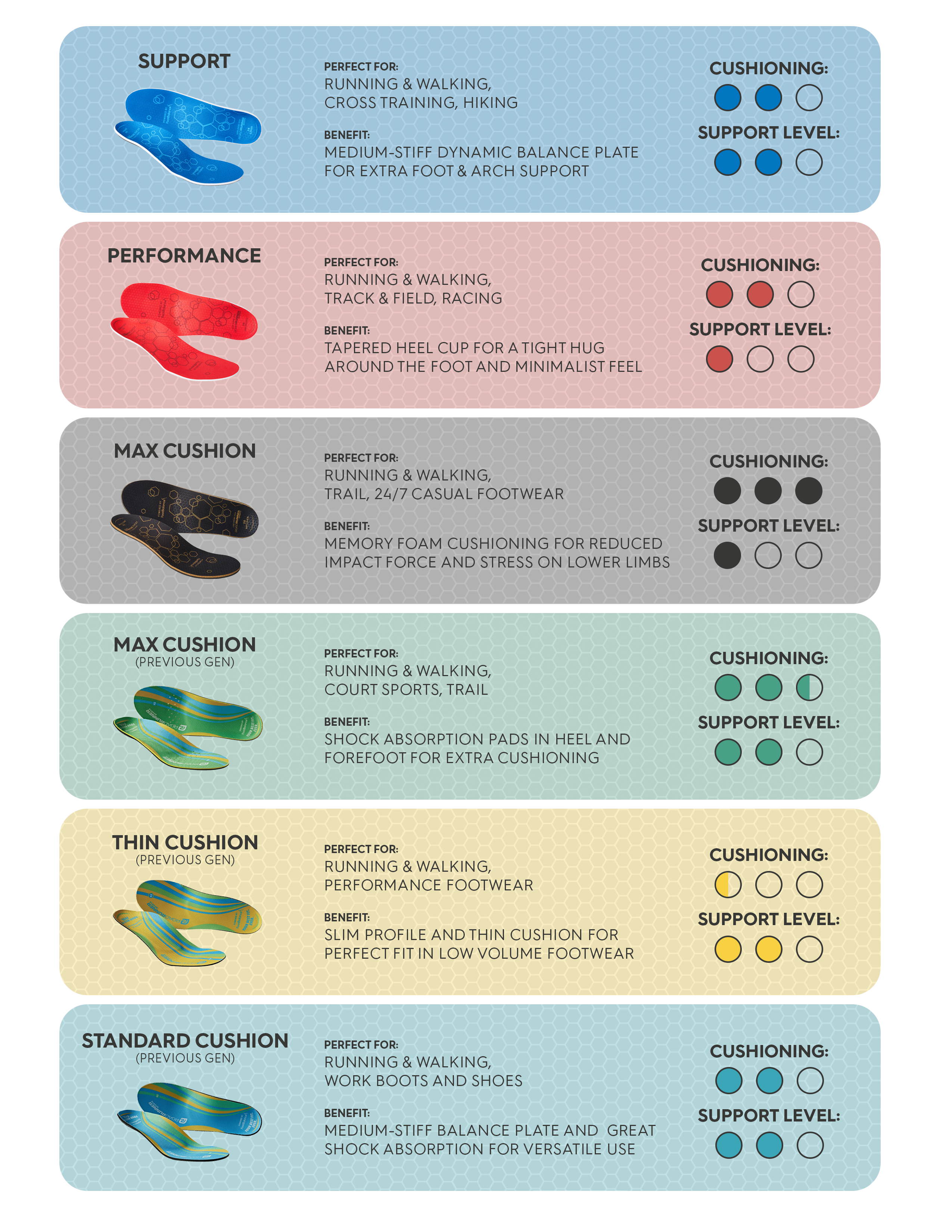
The effectiveness of an insole hinges on its design and the materials from which it’s crafted. Far from generic foam, contemporary insoles leverage innovative materials and precision engineering to deliver specific biomechanical benefits.
Material Science Innovations
The core of any high-performance insole lies in its material composition. Manufacturers are constantly pushing the boundaries, developing proprietary blends that offer superior characteristics:
- Advanced Foams and Gels: Beyond traditional EVA (Ethylene-vinyl acetate), next-generation foams incorporate technologies for enhanced energy return, superior shock absorption, and memory properties. Polyurethane (PU) foams, for instance, offer excellent resilience and durability, maintaining their shape and cushioning longer than standard EVA. Gel inserts, often strategically placed, utilize viscoelastic polymers to dissipate impact forces more effectively than foam alone, reducing peak pressure points. Some formulations even integrate microscopic air cells or layered composites to create dynamic cushioning systems that respond to varying pressures.
- Carbon Fiber and Thermoplastics: For applications requiring rigidity, support, and lightweight construction, materials like carbon fiber composites and advanced thermoplastics are employed. Carbon fiber provides exceptional strength-to-weight ratio, making it ideal for insoles designed to offer robust arch support, motion control, or energy propulsion in performance sports. Thermoplastics, such as polypropylene or certain nylon blends, can be heat-molded to achieve a custom fit, offering precise anatomical support that adapts to the unique contours of the foot. These materials are crucial in orthopedic or performance-focused insoles where stability and structural integrity are paramount.
- Antimicrobial and Moisture-Wicking Fabrics: The top layers of advanced insoles are often engineered with technical fabrics that go beyond simple breathability. Materials treated with silver ions or other antimicrobial agents help inhibit bacterial growth and odor. Moisture-wicking textiles, often synthetic blends, pull sweat away from the foot, promoting a drier, more hygienic environment, which is vital for preventing blisters and maintaining comfort during extended use. Some even incorporate phase-change materials that regulate temperature, absorbing heat when the foot gets warm and releasing it when it cools.
Biomechanical Design Principles
Modern insoles are not just about cushioning; they are precision-engineered devices intended to influence foot mechanics and alignment. Their design incorporates sophisticated biomechanical principles:
- Arch Support Architecture: The design of arch support is critical and varies based on foot type and activity. High-arch supports are engineered to distribute pressure more evenly across the foot, while medium or low arch supports help prevent overpronation (inward rolling of the foot). Some insoles feature dynamic arch support systems that adapt to the foot’s movement during gait, providing support only when needed. This is achieved through carefully sculpted curves, varying material densities, and sometimes semi-rigid inserts.
- Heel Cup Stabilization: A deep, anatomically contoured heel cup is a hallmark of high-quality insoles. Its purpose is to cradle the heel’s fat pad, maximizing its natural shock-absorbing capabilities, and to stabilize the heel bone, preventing excessive motion. This stabilization is crucial for reducing heel pain, improving overall foot alignment, and enhancing gait efficiency.
- Metatarsal Support: For individuals experiencing forefoot pain or conditions like metatarsalgia, insoles often incorporate a metatarsal pad. This subtle dome-shaped rise behind the ball of the foot helps to lift and spread the metatarsal bones, relieving pressure on nerve endings and preventing excessive splay. This targeted support can significantly alleviate discomfort and improve toe-off efficiency.
- Motion Control Features: For those requiring enhanced stability, particularly athletes or individuals with severe overpronation, insoles feature advanced motion control. This involves dual-density materials, rigid support elements, and specialized contouring that guides the foot into a more neutral position throughout the gait cycle. Technologies like medial posting (a wedge of denser material on the inner side) are used to prevent the foot from rolling inward excessively, reducing strain on ankles, knees, and hips.
Smart Insoles: The Future of Footwear Tech
The integration of miniaturized electronics and connectivity has ushered in a new era of “smart insoles,” transforming them into sophisticated data-gathering devices. These technological marvels provide unprecedented insights into gait, performance, and posture.
Gait Analysis and Pressure Mapping
One of the most significant advancements in smart insole technology is their ability to perform real-time gait analysis and pressure mapping.
- Integrated Sensors: Smart insoles are embedded with an array of sensors, including pressure sensors (piezoelectric or resistive), accelerometers, gyroscopes, and magnetometers. These sensors continuously collect data points related to foot strike, roll, and toe-off. Pressure sensors map the distribution of force across the sole of the foot, identifying hot spots or areas of excessive pressure that could lead to injury or discomfort.
- Data Processing and Algorithms: The raw data from these sensors is transmitted wirelessly, typically via Bluetooth, to a companion smartphone app or dedicated device. Sophisticated algorithms then process this data, transforming it into actionable metrics. Users can view detailed reports on parameters such as stride length, cadence, ground contact time, pronation/supination angles, balance, and weight distribution. Some systems even offer 3D visualizations of foot mechanics.
- Performance Optimization and Injury Prevention: For athletes, this data is invaluable for optimizing training, refining technique, and identifying potential biomechanical inefficiencies that could hinder performance or lead to injury. For general users, it can help in understanding gait patterns, improving posture, and proactively addressing issues that contribute to pain or discomfort. The app might even offer personalized exercises or recommendations based on the analysis.
Integrated Sensors and Wearable Connectivity
Beyond biomechanical analysis, smart insoles are expanding their capabilities through broader integration with the wearable ecosystem.

- Activity Tracking: Many smart insoles function as advanced activity trackers, monitoring steps taken, distance covered, calories burned, and even ascent/descent, often with greater accuracy for lower-body metrics than wrist-based devices.
- Temperature Monitoring: Some models include temperature sensors to monitor foot temperature, which can be crucial for individuals with certain medical conditions (e.g., diabetes) or for performance tracking in extreme environments.
- Haptic Feedback and Training: A cutting-edge application involves insoles with haptic feedback capabilities. These can provide subtle vibrations to guide a user’s gait, correct posture, or prompt specific movements during training, offering a more intuitive and immediate form of biofeedback than visual data alone.
- Ecosystem Integration: Smart insoles are increasingly designed to integrate with other health and fitness platforms, sharing data with smartwatches, fitness apps, and even virtual reality (VR) environments, creating a holistic view of a user’s physical activity and health. This connectivity allows for a more comprehensive and personalized approach to wellness and performance.
Selecting Your Digital Foot Companion: A Tech-Driven Tutorial
Choosing the right insole requires a systematic approach, leveraging available information and considering how advanced features align with your specific needs.
Assessing Your Foot Profile with Digital Tools
Before diving into product specifications, understand your own unique foot mechanics.
- Gait Analysis Apps and Services: Many running stores or podiatrists offer digital gait analysis using high-speed cameras and pressure plates, providing precise data on your foot strike and pronation. For a DIY approach, smartphone apps can record your gait using your phone’s camera, providing a basic analysis of foot movement. This helps determine if you are an overpronator, supinator, or have a neutral gait.
- Arch Height Assessment: Perform a simple “wet test” by stepping on a piece of paper after wetting your feet to visually assess your arch type (flat, normal, high). More accurately, some apps or specialized mats can digitally map your foot pressure points, offering a clearer picture of your arch and overall foot structure.
- Foot Measurements and Sizing Apps: While most insoles are trim-to-fit, understanding your exact shoe size and foot width is essential. Some brand websites offer printable guides or even augmented reality (AR) apps that can help you measure your foot dimensions digitally, ensuring you select the correct base size.
Matching Tech Features to Activity Needs
Once you understand your foot profile, align it with the technological offerings of various insoles.
- For Everyday Comfort and Support: Look for insoles with advanced foam cushioning (e.g., PU blends, multi-density foams) and moderate arch support. Prioritize materials that offer good shock absorption and durability. If you’re on your feet all day, moisture-wicking and antimicrobial layers are a significant advantage.
- For Athletes and Performance: This is where specialized materials and biomechanical design shine.
- Running: Seek insoles with dynamic arch support, superior energy return foams (e.g., responsive EVA, spring plates), and possibly carbon fiber elements for propulsion. Motion control features are crucial for overpronators. Smart insoles with gait analysis can be invaluable for optimizing form and preventing injury.
- Team Sports/High Impact: Focus on insoles with robust shock absorption (gel inserts, high-density foams), rigid heel cups for stability, and perhaps thermoplastic or carbon fiber components for lateral support and quick directional changes.
- Hiking/Outdoor: Durability, moisture management, and reliable arch support for uneven terrain are key. Consider insoles with thermal regulation if you anticipate varied temperatures.
- For Specific Foot Conditions:
- Plantar Fasciitis: Requires strong arch support, deep heel cups, and superior shock absorption. Some insoles are specifically engineered with targeted cushioning in the heel and arch.
- Metatarsalgia/Forefoot Pain: Look for insoles with a well-designed metatarsal pad to relieve pressure on the ball of the foot.
- Diabetic Foot Care: Requires seamless construction, superior cushioning, pressure relief, and strict antimicrobial/moisture-wicking properties. Smart insoles with temperature monitoring can be a critical tool for preventative care.
- Leveraging Smart Features: If you’re keen on data-driven insights for training, posture correction, or proactive health monitoring, invest in smart insoles. Evaluate the accompanying app’s interface, data visualization, and integration capabilities with other platforms (e.g., Strava, Apple Health). Check for features like haptic feedback for real-time coaching.
Maintenance and Longevity of Your Insole Investment
To maximize the technological benefits and extend the life of your insoles, proper care is essential.
Caring for Advanced Materials
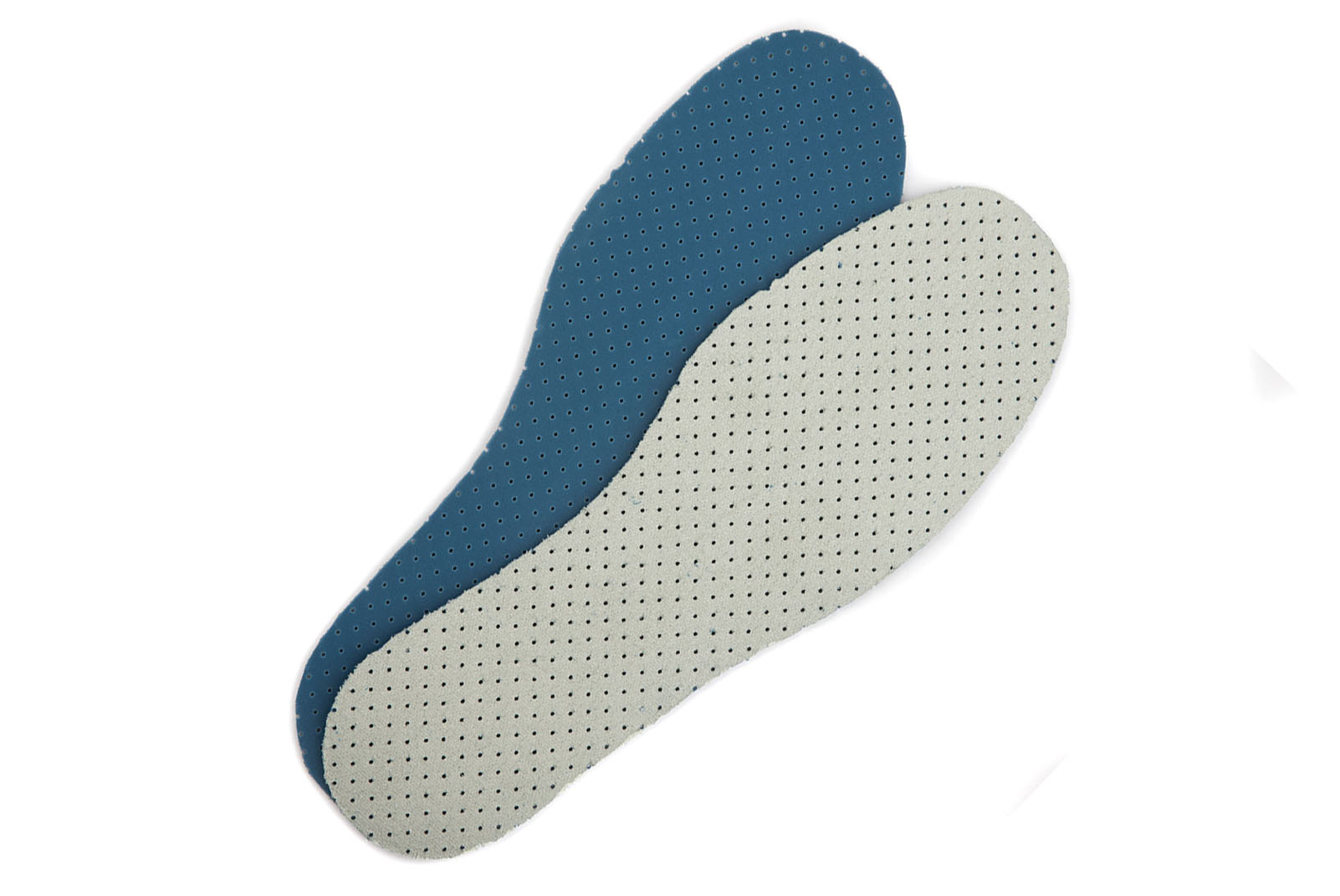
- Cleaning: Most insoles, especially those with synthetic materials and fabrics, can be hand-washed with mild soap and water. Avoid harsh chemicals or machine washing, as these can degrade foam structures, adhesive layers, and specialized coatings. Ensure they are thoroughly air-dried away from direct heat.
- Replacement Cycles: Even the most durable materials degrade over time. General guidelines suggest replacing insoles every 6-12 months, or roughly every 300-500 miles for runners, depending on usage intensity. Performance-oriented insoles or those with specific support elements might have different recommended lifespans. Pay attention to signs of wear, such as compressed cushioning, flattened arches, or visible cracks.
Firmware Updates and App Integration
For smart insoles, ongoing digital maintenance is as important as physical care.
- Regular Firmware Updates: Manufacturers frequently release firmware updates for smart insoles to improve sensor accuracy, enhance battery life, add new features, or fix bugs. Ensure your insoles are regularly updated via their companion app to benefit from the latest technological advancements.
- App Ecosystem: Keep your companion app updated and explore its features regularly. Many apps provide insights and training recommendations that evolve with new research or data interpretations. Ensure the app is integrated with your broader health and fitness ecosystem to leverage all your data for a holistic view of your wellness.
By understanding the intricate technologies woven into modern insoles, from advanced material science to integrated smart sensors, you can move beyond guesswork and confidently select a pair that truly supports your unique biomechanical needs and lifestyle. This informed approach transforms insole selection from a simple purchase into a strategic investment in foot health and overall well-being.
aViewFromTheCave is a participant in the Amazon Services LLC Associates Program, an affiliate advertising program designed to provide a means for sites to earn advertising fees by advertising and linking to Amazon.com. Amazon, the Amazon logo, AmazonSupply, and the AmazonSupply logo are trademarks of Amazon.com, Inc. or its affiliates. As an Amazon Associate we earn affiliate commissions from qualifying purchases.