
Pico de gallo, a vibrant and versatile salsa, is a staple in many cuisines, particularly Mexican. Its name, meaning “rooster’s beak” in Spanish, is said to refer to its bright, distinct colors or perhaps the way it was historically eaten. While often served as a condiment or dip, pico de gallo is far more than just a simple sauce; it’s a testament to the power of fresh, high-quality ingredients coming together in perfect harmony. Understanding what goes into this culinary delight unlocks its potential, not just for delicious meals, but also for appreciating the art of simple, impactful flavor.
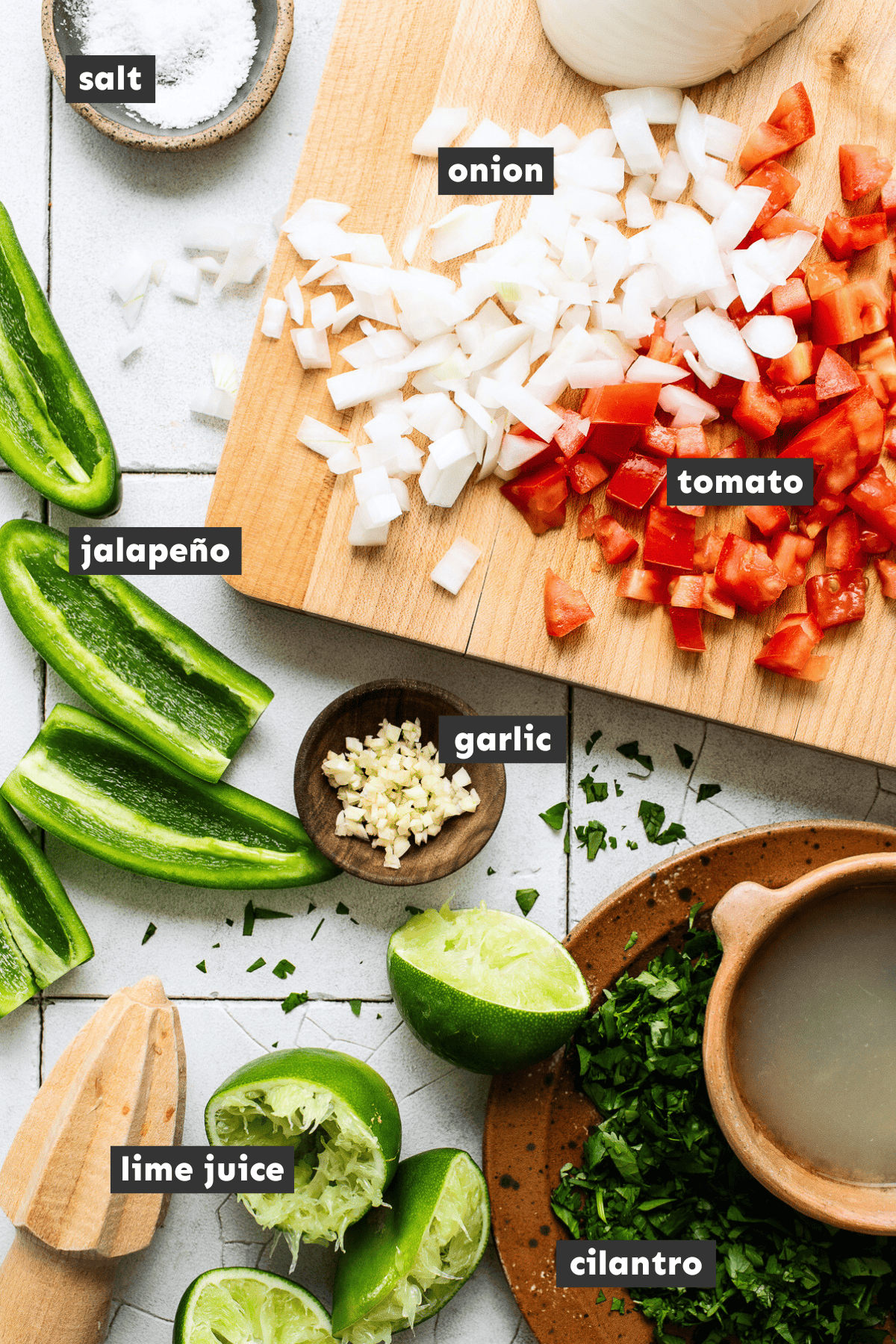
But what exactly makes up this beloved salsa? At its core, pico de gallo is a fresh, uncooked salsa characterized by its chunky texture and bright, clean taste. Unlike cooked salsas that might have a smoother consistency and deeper, more complex flavors developed through heat, pico de gallo relies entirely on the inherent quality and freshness of its components. This emphasis on raw ingredients places it in a unique category, demanding a focus on sourcing and preparation.
The Foundation: A Symphony of Fresh Produce
The beauty of pico de gallo lies in its simplicity. It doesn’t require complex techniques or exotic spices. Instead, it celebrates the natural flavors of a few key fresh produce items. The precise ratio can vary based on regional preferences and personal taste, but the core ingredients remain remarkably consistent. Each element contributes a distinct characteristic, from the sweetness and slight crunch of tomatoes to the pungent bite of onions and the refreshing zest of lime.
Tomatoes: The Heart of the Salsa
The star of any pico de gallo is undoubtedly the tomato. For the most authentic and flavorful result, ripe, firm tomatoes are essential. Roma tomatoes, also known as plum tomatoes, are often the preferred choice due to their lower moisture content and fewer seeds, which helps prevent the salsa from becoming watery. However, other varieties like vine-ripened tomatoes can also be used if they are at their peak of ripeness and flavor.
The key is to select tomatoes that are bright red, plump, and have a slight give when gently squeezed. Avoid tomatoes that are bruised, mushy, or have green patches, as these will compromise both the texture and taste of the final dish. When preparing the tomatoes, it’s important to dice them into small, uniform pieces. This ensures that each spoonful of pico de gallo contains a balanced distribution of all the ingredients. Some recipes suggest removing the seeds and watery pulp before dicing, a step that can further enhance the salsa’s texture and prevent it from becoming overly liquid. This attention to detail in preparing the foundation ingredient sets the stage for a superior pico de gallo.
Onions: Adding a Piquant Bite
Complementing the sweetness of the tomatoes are the sharp, pungent notes of onions. White onions are the traditional choice for pico de gallo, offering a crisp texture and a strong, slightly spicy flavor that cuts through the richness of other ingredients. Red onions can also be used, offering a milder flavor and a beautiful visual contrast. The choice often comes down to personal preference and the desired level of onion intensity.
Similar to the tomatoes, the onions should be finely diced. This ensures that their flavor is evenly distributed throughout the salsa without overpowering the other components. For those who find raw onion too strong, a common technique is to rinse the diced onion under cold water for a minute or two. This process helps to mellow out some of the harshness, making the onion more palatable while still retaining its essential bite. The size of the dice should be comparable to the diced tomatoes, creating a cohesive and enjoyable texture in every bite.
Jalapeños: Bringing the Heat
No pico de gallo is complete without a touch of heat, and that’s where the jalapeño pepper comes in. This versatile chili pepper is known for its moderate spice level, offering a pleasant warmth without being overwhelmingly hot for most palates. The seeds and membranes of the jalapeño contain the most capsaicin, the compound responsible for the heat.
To control the spiciness of the pico de gallo, you can adjust the amount of jalapeño used and whether or not you include the seeds and membranes. For a milder salsa, remove all the seeds and membranes before finely dicing the pepper. For a spicier kick, leave some or all of the seeds and membranes in. It’s always a good idea to start with a smaller amount and add more to taste, as the heat of jalapeños can vary. Remember to wash your hands thoroughly after handling jalapeños, as the oils can irritate the skin and eyes.
The Enhancers: Brightness and Aroma
While tomatoes, onions, and jalapeños form the core of pico de gallo, a few other ingredients are crucial for elevating its flavor profile, adding brightness, and introducing aromatic complexity. These additions are what truly transform a simple mixture of produce into a sophisticated and irresistible salsa.
Cilantro: The Aromatic Soul
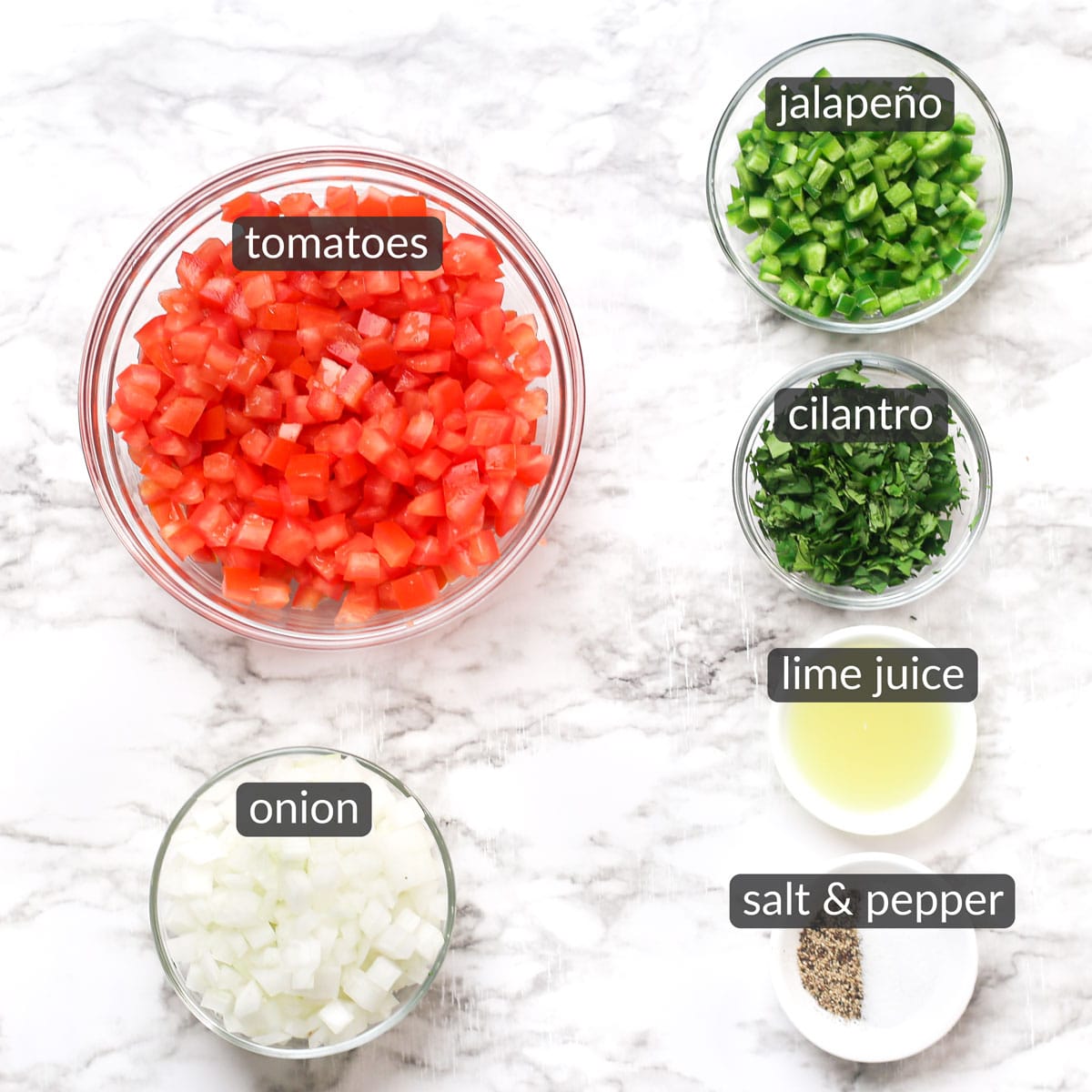
Cilantro, also known as fresh coriander, is an indispensable ingredient in authentic pico de gallo. Its distinctive fresh, herbaceous, and slightly citrusy aroma and flavor add a vital layer of complexity that is hard to replicate with any other herb. The bright, green leaves and tender stems are typically finely chopped.
The amount of cilantro used can be adjusted to personal preference. Some people are strong proponents of a generous amount, while others prefer a more subtle herbaceous note. It’s important to use fresh cilantro; dried cilantro will not provide the same vibrant flavor or aroma. If you are one of the individuals who find cilantro to taste like soap, you can omit it, though this will significantly alter the traditional flavor profile of pico de gallo.
Lime Juice: The Zesty Connector
To bring all the flavors together and add a crucial element of brightness, fresh lime juice is absolutely essential. The acidity of the lime juice not only enhances the natural sweetness of the tomatoes and balances the pungency of the onions but also acts as a subtle preservative, helping to keep the salsa fresh.
Only fresh lime juice will do for pico de gallo. Bottled lime juice often has a different flavor profile and can contain additives. The juice from one to two limes is typically sufficient for a standard batch of pico de gallo, but this can be adjusted to achieve the desired level of tanginess. Squeezing the juice directly over the chopped ingredients allows for better control and ensures it’s incorporated evenly.
Optional Additions: Personalizing Your Pico
While the ingredients listed above form the classic foundation of pico de gallo, there’s always room for personalization. These optional additions can introduce new dimensions of flavor and texture, catering to specific tastes or culinary inspirations.
Garlic: A Pungent Depth
For those who appreciate a more robust flavor, a small amount of minced fresh garlic can be a welcome addition. Garlic adds a pungent depth that complements the other ingredients. However, it’s important to use it sparingly, as raw garlic can be quite strong and easily overpower the delicate flavors of the other components. Finely minced or even grated garlic can be incorporated.
Other Peppers: Expanding the Heat Spectrum
While jalapeños are the standard, other chili peppers can be used to modify the heat level or introduce different flavor notes. For instance, serrano peppers offer a hotter alternative to jalapeños. For a milder salsa with a slightly sweeter pepper flavor, poblano peppers can be a good choice, though they are typically roasted and peeled for pico de gallo to achieve their best flavor. Experimentation is key here, always starting with small quantities.
Salt: The Universal Enhancer
A pinch of salt is crucial for bringing out the best in all the ingredients. Salt doesn’t just add saltiness; it amplifies the existing flavors, making the tomatoes sweeter, the onions sharper, and the cilantro more aromatic. It’s best to season the pico de gallo gradually, tasting as you go, to achieve the perfect balance. Sea salt or kosher salt are often preferred for their clean flavor.
The Art of Preparation and Presentation
Beyond the ingredients themselves, the way pico de gallo is prepared and presented significantly impacts its appeal. The quality of the produce, the precision of the chopping, and the freshness of the assembly all play a role in creating an exceptional salsa.
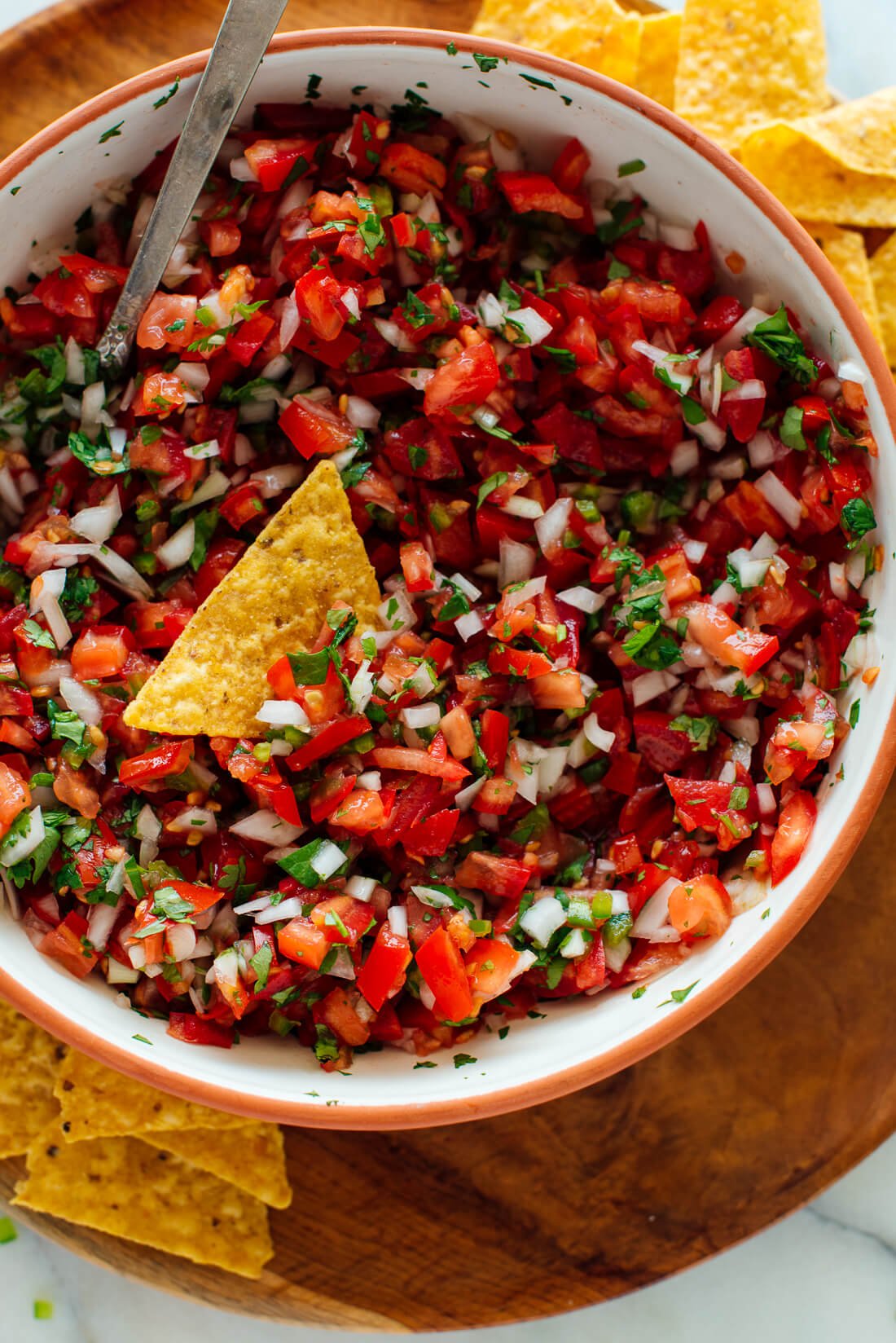
The act of finely dicing all the ingredients into roughly uniform pieces is not just about aesthetics; it ensures that each bite provides a balanced medley of flavors and textures. A well-made pico de gallo should have a pleasant crunch from the onions and jalapeños, a juicy sweetness from the tomatoes, and a fresh herbaceous lift from the cilantro.
When it comes to serving, pico de gallo shines in its versatility. It’s a perfect accompaniment to a wide array of dishes, from grilled meats and seafood to tacos, burritos, and quesadillas. It also stands alone beautifully as a healthy and flavorful dip with tortilla chips. The vibrant colors of the tomatoes, onions, and cilantro make it a visually appealing addition to any plate, adding a touch of freshness and zest.
In conclusion, the ingredients in pico de gallo are deceptively simple, yet their synergy creates something truly magical. It’s a celebration of fresh, raw ingredients, expertly combined to deliver a burst of flavor that is both refreshing and deeply satisfying. Understanding these core components empowers home cooks to recreate this classic dish with confidence, and to appreciate the culinary wisdom embedded in its vibrant simplicity. Whether you’re looking to elevate your next meal or simply seeking a healthy and delicious snack, the humble pico de gallo, with its carefully selected ingredients, is a testament to the power of good food made with good produce.
aViewFromTheCave is a participant in the Amazon Services LLC Associates Program, an affiliate advertising program designed to provide a means for sites to earn advertising fees by advertising and linking to Amazon.com. Amazon, the Amazon logo, AmazonSupply, and the AmazonSupply logo are trademarks of Amazon.com, Inc. or its affiliates. As an Amazon Associate we earn affiliate commissions from qualifying purchases.