
The concept of poverty is not a static one, nor is it universally defined. It’s a complex societal issue influenced by economic conditions, geographical location, cultural norms, and government policies. When we ask, “What income level is considered poor?”, we’re essentially probing the threshold below which individuals or households struggle to meet their basic needs. This threshold is determined by various metrics, with income being the most direct indicator. However, understanding poverty requires looking beyond a single number and delving into the methodologies used to establish these benchmarks, their implications, and the ongoing debate surrounding them.
Defining Poverty: Thresholds and Measurements
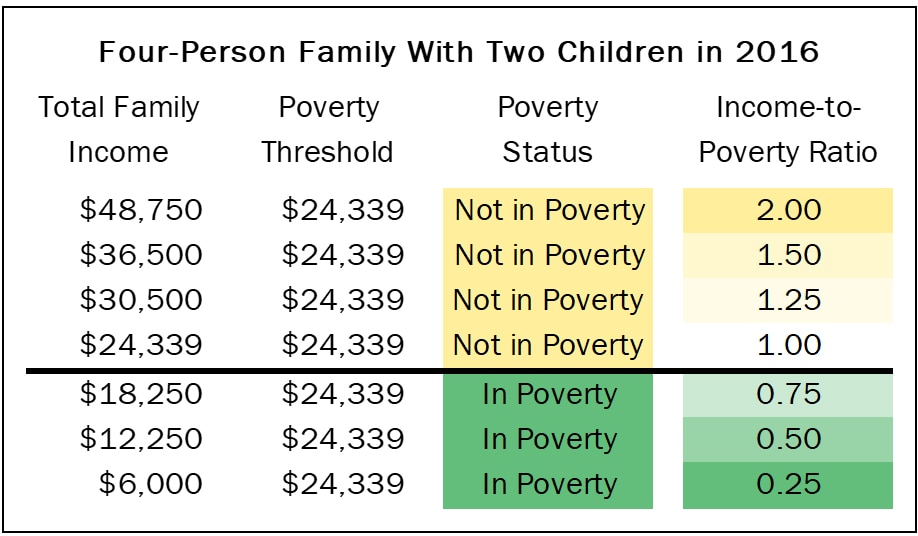
The determination of what constitutes poverty is fundamentally tied to the concept of a “poverty line” or “poverty threshold.” This line represents the minimum income level deemed necessary to afford basic necessities such as food, housing, clothing, and healthcare. It’s important to understand that this line isn’t a single, globally accepted figure. Instead, different countries and even international organizations employ distinct methodologies and data points to arrive at their respective poverty lines. This leads to a nuanced understanding of poverty that varies significantly across different contexts.
Absolute vs. Relative Poverty
A crucial distinction in defining poverty lies between absolute poverty and relative poverty.
Absolute Poverty: The Bare Minimum
Absolute poverty is characterized by a severe deprivation of basic human needs, including food, safe drinking water, sanitation facilities, health, shelter, education, and information. It depends not only on income but also on access to essential services. The World Bank, for instance, uses an international poverty line to track extreme poverty globally. Historically, this line has been adjusted to reflect changing costs of living in lower-income countries. For example, the World Bank’s current international poverty line is set at $2.15 per person per day (in 2017 purchasing power parity dollars). This figure is designed to represent the minimum income needed to secure basic survival needs, irrespective of the country’s broader economic development. Individuals living below this line are considered to be in extreme poverty, facing severe hardship and lacking the fundamental resources for survival. The focus here is on the sheer lack of resources necessary for life itself.
Relative Poverty: The Societal Standard
Relative poverty, on the other hand, is defined in relation to the economic status of the majority of a given society. It means living below a certain income threshold that is considered necessary to participate fully in society. This threshold is typically set as a percentage of the median household income. In developed countries, where absolute poverty is less prevalent, relative poverty becomes a more pertinent measure. For example, if a country sets its relative poverty line at 60% of the median income, then individuals or households earning less than that amount are considered relatively poor. This doesn’t necessarily mean they are starving or lack basic shelter, but rather that they cannot afford the goods and services that are considered normal or expected within their society. This can lead to social exclusion, limited opportunities, and a reduced quality of life compared to their peers. The implications of relative poverty are about inequality and social participation, rather than just survival.
The Role of Income and Consumption
While income is the primary metric for assessing poverty, it’s not the only one. Consumption patterns are also frequently used, particularly in developing countries. The rationale behind using consumption is that it may provide a more accurate reflection of an individual’s or household’s living standards, as it captures what people are actually able to acquire and use, rather than just their declared earnings, which can be subject to underreporting. Data on consumption can be more reliable in economies where a significant portion of income is earned in kind or through informal means. However, relying solely on consumption can also have limitations. For instance, a household might have low consumption in a given year due to a temporary shock, such as a medical emergency, without necessarily being chronically poor. Conversely, a household might consume more than its income suggests if it has access to credit or savings. Therefore, a comprehensive understanding often involves considering both income and consumption data, alongside other indicators of well-being.
Poverty Lines in Practice: National and International Comparisons
The actual income levels considered “poor” vary dramatically across different nations and regions due to differing economic structures, costs of living, and governmental policies. Understanding these variations is crucial for grasping the global landscape of poverty.
National Poverty Thresholds
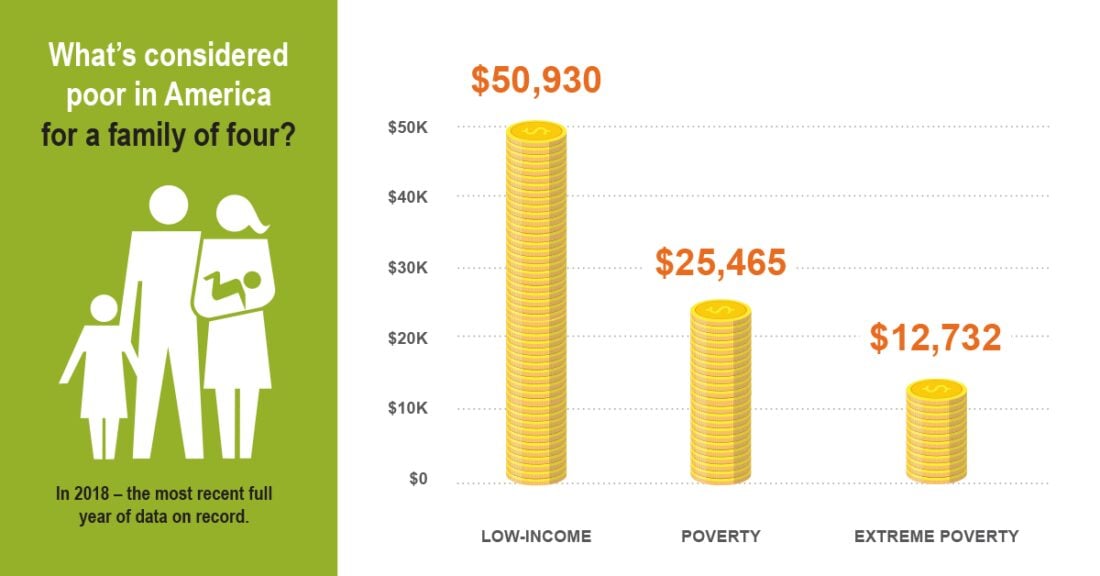
Most countries establish their own national poverty lines, which are tailored to their specific economic conditions and societal standards. These national lines are often used for the administration of social welfare programs, such as unemployment benefits, food stamps, or housing assistance. For instance, the United States defines its poverty threshold based on a set of income levels that vary by family size and composition. These thresholds are updated annually to reflect inflation. In 2023, for a single individual under 65, the poverty guideline was $14,580. For a family of four, it was $30,000. These figures are much higher than the international poverty line, reflecting the significantly higher cost of living and the different societal expectations of what constitutes a basic standard of living in a developed economy. The U.S. Census Bureau, for example, uses a complex set of thresholds that are recalculated each year.
The development of these national thresholds is often a contentious process. They are typically based on the cost of a basic basket of goods and services deemed essential for a minimal standard of living. This basket can include food, housing, utilities, transportation, and other necessities. However, disagreements can arise regarding what constitutes “essential” and how much these items should cost. Furthermore, the methodology used to calculate these thresholds can influence the number of people identified as poor, impacting the allocation of resources and the perception of social welfare needs.
International Comparisons and Challenges
Comparing poverty levels across countries is fraught with challenges, primarily due to the use of different methodologies and the vast disparities in purchasing power parity (PPP). PPP is an economic theory that compares different countries’ currencies through a “basket of goods” approach. It aims to account for the differing costs of living and inflation rates in various countries. When comparing poverty, using PPP helps to ensure that the international poverty line represents a comparable standard of living across different economies. For example, a dollar can buy much more in India than it can in Switzerland. Therefore, simply converting a national poverty line from one country to another using market exchange rates would be misleading.
The World Bank’s efforts to establish a global poverty line, such as the $2.15 per day figure, are crucial for understanding extreme poverty on a global scale and for tracking progress towards international development goals. However, even these international benchmarks are subject to revision and debate as economic conditions evolve and data collection improves. The challenge lies in creating a metric that is both meaningful and comparable across diverse economic landscapes, from subsistence farming communities to rapidly urbanizing megacities. The goal is to create a universal yardstick that allows for effective global policy responses.
Factors Influencing Income and Poverty
Income levels are not determined in a vacuum. A multitude of interconnected factors contribute to an individual’s or household’s earning potential and their vulnerability to poverty. Understanding these determinants is key to developing effective strategies for poverty reduction and economic empowerment.
Education and Skills
Education and the acquisition of marketable skills are consistently identified as powerful determinants of earning potential. Individuals with higher levels of education and specialized skills are generally more competitive in the labor market, commanding higher wages and experiencing lower rates of unemployment. Conversely, a lack of education or relevant skills can trap individuals in low-paying, unstable jobs, making them more susceptible to falling into poverty. Investing in accessible and quality education, vocational training, and lifelong learning programs is therefore a critical component of poverty alleviation strategies. This includes not only formal schooling but also apprenticeships, on-the-job training, and programs that equip individuals with the digital literacy and adaptability needed in a rapidly changing economy.
Employment Opportunities and Labor Market Conditions
The availability of decent employment opportunities is fundamental to economic well-being. This includes not only the sheer number of jobs but also their quality, such as fair wages, benefits, and job security. Labor market conditions, including unemployment rates, wage stagnation, and the prevalence of precarious work (such as gig economy jobs with limited benefits and security), significantly impact income levels and the risk of poverty. Economic downturns, automation, and shifts in industry can all lead to job losses and reduced earning capacity for large segments of the population. Government policies that promote job creation, support worker rights, and provide safety nets during periods of unemployment are vital in mitigating these risks.
Social and Economic Structures
Broader social and economic structures play a significant role in shaping income distribution and poverty. This includes factors such as income inequality, access to capital and credit, discriminatory practices based on race, gender, or other social markers, and the effectiveness of social safety nets. In societies with high levels of income inequality, a larger proportion of the population may live in relative poverty, even if the overall economy is growing. Limited access to financial services can prevent individuals from starting businesses, investing in their education, or weathering financial emergencies. Systemic discrimination can create persistent barriers to economic advancement for marginalized groups, perpetuating cycles of poverty. Policy interventions aimed at reducing inequality, promoting financial inclusion, and ensuring equal opportunities are essential for creating a more equitable society.
The Impact and Consequences of Poverty
Poverty is not merely an economic condition; it is a multifaceted challenge with profound and far-reaching consequences for individuals, families, and society as a whole. The effects ripple through nearly every aspect of human life, creating significant barriers to well-being and opportunity.
Health and Well-being
One of the most significant consequences of poverty is its detrimental impact on health. Individuals living in poverty often have limited access to affordable healthcare, nutritious food, and safe living environments. This can lead to a higher prevalence of chronic diseases, infectious diseases, and mental health issues. Malnutrition, particularly in early childhood, can have long-lasting effects on physical and cognitive development, creating a cycle of disadvantage that is difficult to break. Furthermore, the constant stress associated with financial insecurity and the struggle to meet basic needs can take a severe toll on mental well-being, contributing to anxiety, depression, and other psychological challenges. The inability to afford necessary medical treatments or preventative care further exacerbates health problems, trapping individuals in a downward spiral of ill health and poverty.
Education and Opportunity
Poverty significantly restricts educational opportunities and limits upward mobility. Children from low-income households are often at a disadvantage from the start. They may attend underfunded schools, lack access to early childhood education programs, and experience nutritional deficiencies that impair learning. The financial burden of educational expenses, even for basic schooling, can be prohibitive for some families, forcing children to drop out to contribute to household income. This lack of educational attainment perpetuates intergenerational poverty, as individuals with limited education are more likely to face challenges in securing well-paying jobs and providing for their own families. The cycle of poverty becomes deeply entrenched, limiting individual potential and societal progress.
Social Exclusion and Crime
Poverty can lead to social exclusion, where individuals are marginalized and disconnected from mainstream society. This can stem from a lack of resources to participate in social activities, limited access to technology and information, and the stigma often associated with poverty. When individuals feel excluded and lack opportunities, it can contribute to feelings of hopelessness and alienation, which in turn can be linked to increased crime rates. While poverty does not directly cause crime, the desperation and lack of viable alternatives that often accompany it can drive some individuals to engage in illegal activities as a means of survival or to gain a sense of agency. Addressing the root causes of poverty is therefore crucial for fostering more inclusive and safer communities.
Addressing Poverty: Policy and Personal Strategies
Tackling poverty requires a dual approach: robust public policy interventions and proactive individual strategies. No single solution exists, but a combination of systemic changes and personal empowerment can make a significant difference.
Government Policies and Social Safety Nets
Governments play a critical role in poverty reduction through well-designed policies and effective social safety nets. This includes implementing progressive tax systems that can fund social programs, providing a strong minimum wage that ensures a living income, and offering robust unemployment benefits and social assistance programs for those unable to work. Investments in affordable housing, accessible healthcare, and quality public education are foundational to breaking the cycle of poverty. Furthermore, policies that promote economic growth while ensuring that its benefits are broadly shared, rather than concentrated among the wealthy, are essential. Addressing systemic inequalities and discriminatory practices through legislation and enforcement is also paramount.
Financial Literacy and Empowerment
On an individual level, financial literacy and empowerment are crucial tools for navigating economic challenges. Understanding budgeting, saving, investing, and debt management can help individuals make informed financial decisions, build resilience, and work towards financial security. Access to affordable financial services, such as banking and credit, is also vital for enabling individuals to manage their money effectively and seize economic opportunities. Programs that provide financial education, counseling, and access to microfinance can empower individuals, particularly those in low-income communities, to improve their financial well-being and escape the grip of poverty.

The Role of Community and Support Networks
Community support networks and social capital are often overlooked but vital components of poverty alleviation. Strong communities can provide individuals with emotional support, practical assistance, and access to informal economic opportunities. This can include community-based organizations that offer job training, childcare services, or food banks. Building social cohesion and fostering a sense of collective responsibility can create an environment where individuals feel supported and have greater access to resources and opportunities. These networks can act as a crucial buffer against economic shocks and a catalyst for individual and collective advancement.
aViewFromTheCave is a participant in the Amazon Services LLC Associates Program, an affiliate advertising program designed to provide a means for sites to earn advertising fees by advertising and linking to Amazon.com. Amazon, the Amazon logo, AmazonSupply, and the AmazonSupply logo are trademarks of Amazon.com, Inc. or its affiliates. As an Amazon Associate we earn affiliate commissions from qualifying purchases.