
In the landscape of personal finance, your most valuable asset is not your home, your investment portfolio, or your 401(k); it is your ability to earn an income. When an unexpected illness or injury occurs, that earning potential is immediately jeopardized. Short-term disability (STD) insurance serves as a critical financial bridge, providing income replacement when a medical condition prevents you from performing your professional duties. However, many professionals remain unclear on exactly what qualifies as a “disability” in the eyes of insurance providers and how to navigate the financial complexities of a claim.
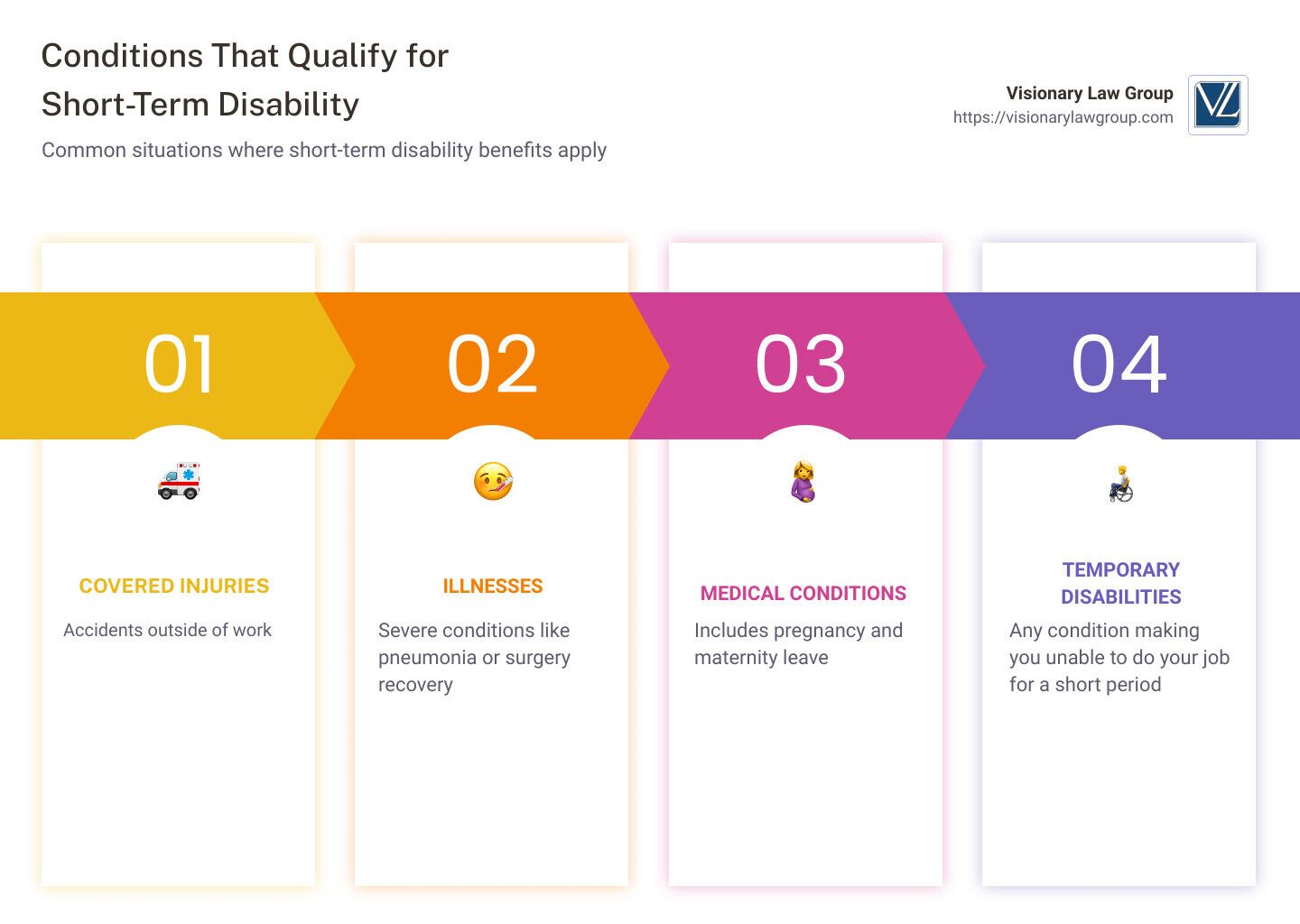
Understanding the specific illnesses and conditions that qualify for short-term disability is essential for robust financial planning. This guide explores the intersections of health and personal finance, detailing the medical categories that typically trigger benefits and the strategic steps required to secure your financial stability during a recovery period.
The Economic Framework of Short-Term Disability Insurance
Before diving into specific diagnoses, it is vital to understand short-term disability through the lens of risk management. Short-term disability is a financial product designed to replace a portion of your gross income—typically 40% to 70%—for a limited duration, usually between three and six months. From a money management perspective, this benefit prevents the liquidation of long-term investments and the depletion of emergency savings during a health crisis.
The Definition of “Disability” in Financial Contracts
In the realm of insurance and finance, “disability” is not a purely medical term; it is a contractual one. Most policies define disability based on your inability to perform the “material and substantial duties” of your own occupation. This means you do not necessarily have to be bedridden to qualify; you simply need to prove that your medical condition prevents you from fulfilling the core requirements of your job, leading to a loss of income.
The Elimination Period and Cash Flow Management
Every short-term disability plan involves an “elimination period”—a waiting period between the onset of the illness and the commencement of benefit payments. Common elimination periods are 7, 14, or 30 days. For the savvy financial planner, this period must be covered by a liquid emergency fund. Understanding which illnesses qualify helps you estimate the likelihood of needing to tap into those reserves.
Primary Categories of Qualifying Illnesses and Injuries
While every insurance policy has its own specific language, most providers recognize several broad categories of medical conditions. Qualifying for benefits depends heavily on the severity of the symptoms and the objective medical evidence provided by healthcare professionals.
Musculoskeletal and Orthopedic Conditions
Musculoskeletal disorders are among the most common reasons for short-term disability claims. These conditions often affect the back, neck, and joints, making it physically impossible to maintain a standard work schedule.
- Severe Back Pain and Disc Degeneration: If a herniated disc or chronic sciatica prevents a worker from sitting or standing for the required duration of a workday, it frequently qualifies for benefits.
- Fractures and Post-Surgical Recovery: Breaking a limb or undergoing major joint replacement (such as hip or knee surgery) requires a recovery period where the individual is physically incapacitated.
- Carpal Tunnel Syndrome: For those in tech or administrative roles, severe repetitive strain injuries can reach a point where professional duties can no longer be performed, triggering a claim.
Digestive and Systemic Disorders
Internal health issues that require intensive treatment or cause debilitating symptoms are also standard qualifiers.
- Cancer Treatments: While the diagnosis itself is significant, the side effects of chemotherapy, radiation, and surgery are what typically qualify a person for short-term disability. The resulting fatigue and immune suppression often make regular employment impossible.
- Digestive Diseases: Conditions like Crohn’s disease or severe Ulcerative Colitis can have “flare-ups” that are incapacitating. When these episodes occur, they represent a legitimate interruption in one’s ability to earn.
- Organ Transplants: The recovery period following a major transplant is extensive and almost always qualifies for the full duration of a short-term disability policy.
Mental Health and Cognitive Impairment
In the modern economy, mental health is increasingly recognized as a vital component of professional capacity. Most high-quality disability policies include coverage for mental health conditions, provided they are documented by a specialist.
- Severe Depression and Anxiety: When clinical depression or generalized anxiety disorder reaches a level where a professional can no longer concentrate, make decisions, or interact with colleagues, it may qualify for STD.
- Stress-Related Breakdowns: Extreme burnout that results in clinical symptoms can sometimes lead to a short-term leave, though these claims often require more rigorous documentation than physical injuries.
- Post-Traumatic Stress Disorder (PTSD): Often resulting from a specific event, PTSD can render an individual unable to function in a high-pressure work environment.
Pregnancy and Maternity Complications
While normal pregnancy is a natural process, it is treated as a “disability” in the context of short-term insurance to allow for recovery from childbirth.
- Standard Postpartum Recovery: Most policies provide 6 to 8 weeks of coverage following a standard delivery or C-section.
- Complications: Conditions such as preeclampsia, gestational diabetes requiring bed rest, or severe hyperemesis gravidarum (extreme morning sickness) can qualify a person for benefits well before the due date.
Navigating the Claims Process for Financial Security
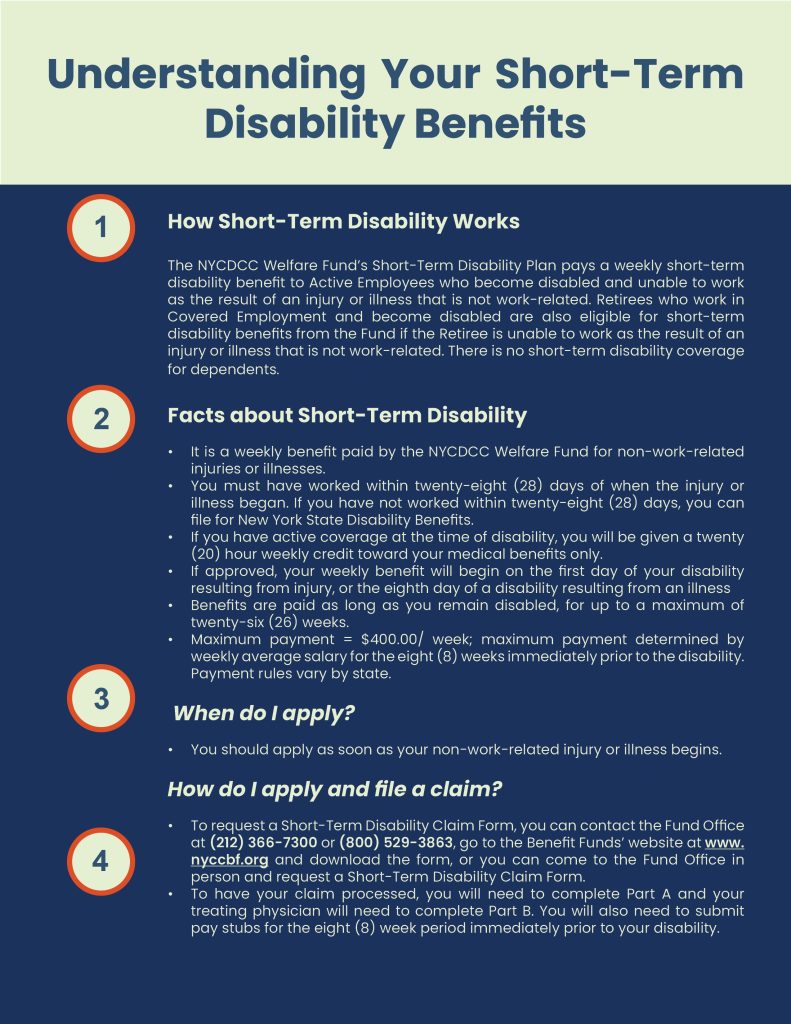
Identifying a qualifying illness is only the first step. To ensure the steady flow of insurance payments and protect your financial interests, you must navigate the administrative and medical hurdles of the claims process with precision.
The Role of Medical Documentation
In the eyes of an insurance company, if it isn’t documented, it didn’t happen. To qualify, you must provide “objective medical evidence.” This includes:
- Doctor’s Statements: Detailed reports from your physician explaining your limitations.
- Diagnostic Tests: X-rays, MRIs, blood work, or psychological evaluations that prove the existence of the condition.
- Treatment Plans: Evidence that you are under the regular care of a physician and are following a prescribed recovery path.
Overcoming “Partial Disability” Disputes
Sometimes, an insurer might argue that you are only “partially disabled,” meaning you can work reduced hours. This can lead to a reduction in benefits. From a personal finance perspective, this requires careful calculation. If your policy allows for “residual benefits,” you may be able to work part-time while still receiving a portion of your disability check to make up the income gap.
Avoiding Common Claim Denials
Claims are often denied due to “pre-existing condition” clauses. If you recently purchased a private policy or joined a new employer, the insurer may investigate whether your illness was present before your coverage began. Understanding these look-back periods is essential when timing a leave of absence for a planned procedure.
Strategic Financial Planning and Short-Term Disability
Short-term disability is not a standalone solution; it is a component of a broader financial strategy. How you integrate these benefits into your overall money management plan can dictate how quickly you recover—both physically and financially.
Tax Implications of Disability Benefits
One of the most overlooked aspects of disability insurance is the tax treatment of the payouts.
- Employer-Paid Premiums: If your employer pays 100% of the premium for the policy, the benefits you receive will typically be taxed as ordinary income. You must account for this 20-30% “tax bite” when budgeting for your recovery.
- Employee-Paid Premiums (After-Tax): If you pay the premiums yourself using after-tax dollars, the benefits are generally tax-free. This significantly increases your “real” income replacement rate and is often the preferred setup for high-earning professionals.
Coordinating with Other Income Sources
When on short-term disability, you should look for other ways to optimize your finances.
- Paid Time Off (PTO): Many companies require you to exhaust your sick leave or vacation days before the disability benefits kick in. This helps cover the elimination period.
- State Disability Programs: A few states (such as California, New York, and New Jersey) have state-mandated disability insurance. In these cases, your private or employer-sponsored insurance may “offset” or coordinate with state benefits.
- Emergency Fund Integration: Because disability benefits rarely cover 100% of your salary, your emergency fund must remain ready to cover the 30-40% shortfall in your monthly budget.
Transitioning to Long-Term Disability (LTD)
If an illness is severe—such as a progressive neurological disorder or a major accident—it may exceed the duration of your short-term policy. Financial planning for a “permanent” disability begins during the short-term phase. You must ensure that your medical documentation is consistent and thorough, as the transition to long-term disability (which can last until age 65) involves a much higher level of scrutiny from insurance companies.

Conclusion: Safeguarding Your Financial Future
Understanding what illnesses qualify for short-term disability is a cornerstone of professional risk management. Whether it is a sudden orthopedic injury, a chronic systemic illness, or a mental health crisis, these benefits provide the liquidity necessary to maintain your lifestyle and meet your financial obligations when you are at your most vulnerable.
By treating short-term disability as a vital financial tool rather than just an HR benefit, you can navigate the complexities of claims, taxes, and income replacement with confidence. Protecting your income is not just about medical recovery; it is about ensuring that a temporary health setback does not evolve into a permanent financial catastrophe. Through diligent documentation and strategic planning, you can secure the “money bridge” needed to focus on what matters most: returning to health and regaining your earning power.
aViewFromTheCave is a participant in the Amazon Services LLC Associates Program, an affiliate advertising program designed to provide a means for sites to earn advertising fees by advertising and linking to Amazon.com. Amazon, the Amazon logo, AmazonSupply, and the AmazonSupply logo are trademarks of Amazon.com, Inc. or its affiliates. As an Amazon Associate we earn affiliate commissions from qualifying purchases.