
Illinois, often dubbed the “Land of Lincoln,” presents a multifaceted tax landscape that can be a complex puzzle for residents, businesses, and prospective newcomers. Unlike many states that employ a progressive income tax system, Illinois stands out with its flat-rate approach, yet this simplicity in one area is offset by the intricate nature of its property and sales taxes. Understanding the various tax rates and how they interlace is crucial for sound personal finance and robust business planning within the state.
Illinois Income Tax: A Flat Rate System
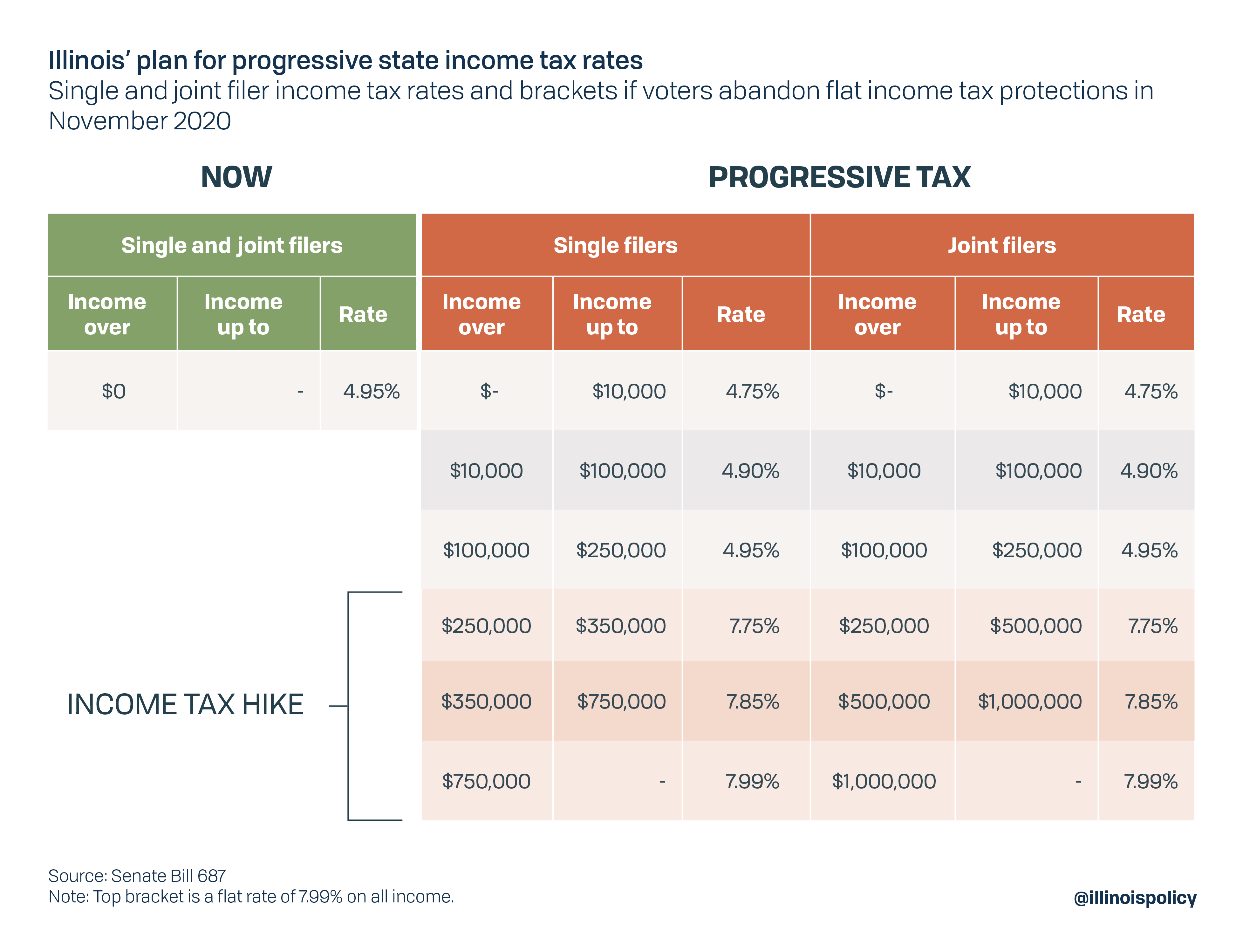
One of the most distinctive features of Illinois’s tax structure is its flat income tax rate. For both individuals and corporations, the state levies a single percentage on taxable income, irrespective of the amount earned. This contrasts sharply with progressive systems common in other states and at the federal level, where higher income brackets are subject to higher tax rates.
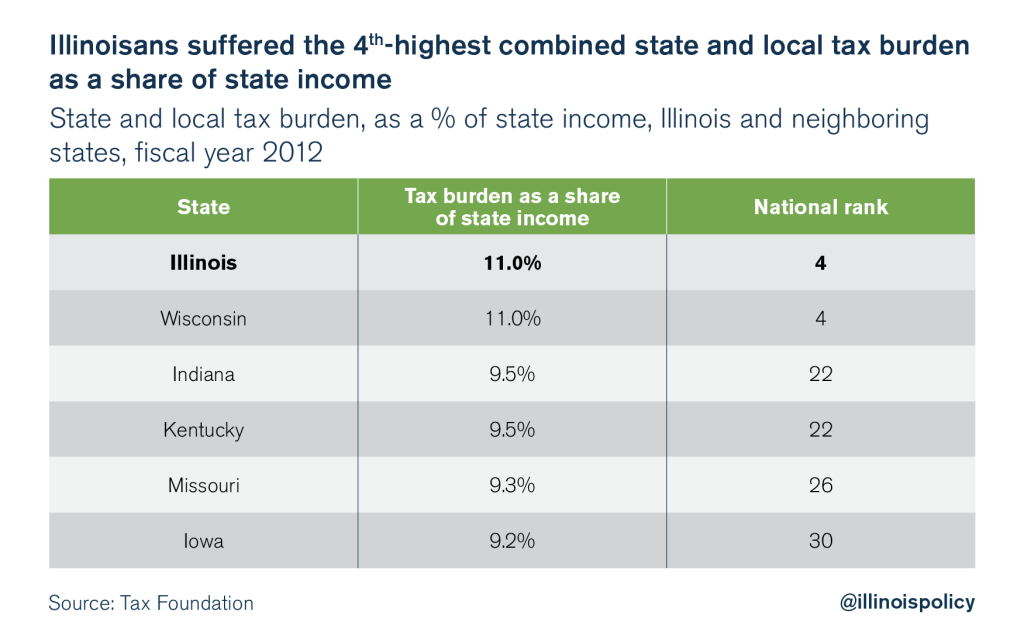
As of the current understanding, the individual income tax rate in Illinois is 4.95%. This rate applies uniformly to all taxable income after certain deductions and exemptions. For corporations, the base income tax rate is also 4.95%, but businesses are subject to an additional Personal Property Replacement Tax (PPRT) of 1.5%, bringing the effective corporate income tax rate to 6.45%. This flat-rate methodology aims to simplify tax calculations for many, but its impact on different income levels remains a subject of ongoing debate and economic analysis.
Personal Income Tax: Deductions and Credits
While the income tax rate is flat, the amount of income subject to this rate can be reduced through various exemptions, deductions, and credits. Illinois offers several provisions designed to alleviate the tax burden for qualifying individuals.
One significant allowance is the standard exemption, which allows taxpayers to reduce their taxable income by a set amount for themselves and any dependents. Additionally, Illinois residents can exclude certain types of retirement income, such as income from qualified employee benefit plans, IRAs, and Social Security benefits, from their state taxable income. This is a considerable benefit for retirees, making Illinois a potentially more attractive state for those living on fixed incomes.
Beyond exemptions, several credits are available. The property tax credit allows taxpayers to claim a credit for a portion of the property taxes paid on their primary residence. While not a dollar-for-dollar reduction of property taxes, it does provide some relief on the state income tax return. The K-12 education expense credit is another valuable provision, enabling parents to claim a credit for qualified education expenses paid for their children attending public or private schools. Understanding and utilizing these deductions and credits is paramount for optimizing one’s personal finance strategy in Illinois.
Corporate Income Tax Nuances
For businesses operating in Illinois, the income tax structure involves a combination of the flat 4.95% corporate income tax and the 1.5% Personal Property Replacement Tax (PPRT). The PPRT was established to replace revenue lost when the state abolished personal property taxes on corporations, partnerships, and trusts. This tax is applied to the net income of these entities.
The total effective corporate income tax rate of 6.45% requires careful consideration in business financial planning. Corporations must also adhere to specific apportionment formulas to determine what portion of their income is subject to Illinois tax, especially if they operate in multiple states. This multi-layered approach to business income taxation necessitates thorough accounting and tax planning to ensure compliance and minimize liabilities.
Understanding Property Taxes in Illinois
Perhaps the most significant financial consideration for homeowners in Illinois is the property tax. Illinois is consistently ranked among the states with the highest property tax rates in the nation, and the system itself is highly localized and complex. Unlike income tax, property taxes are not levied by the state but by a multitude of local governmental units, including counties, municipalities, school districts, park districts, and other special taxing bodies.
Property taxes are based on the assessed value of real estate and are used to fund local services, with a substantial portion typically dedicated to public education. The assessment process involves county assessors determining the market value of properties, which is then equalized to one-third of that market value. This equalized assessed value (EAV) is then multiplied by the local tax rate (which is a composite of all overlapping taxing bodies’ rates) to determine the annual property tax bill. Because these rates vary dramatically by location, two homes with similar market values in different towns or even different school districts can have vastly different property tax bills.
Property Tax Assessment and Appeals
The assessment of a property’s value is the cornerstone of its property tax liability. Assessments are typically reviewed periodically, but homeowners should be proactive in understanding how their property is valued. Key factors influencing assessed value include the property’s size, age, condition, amenities, and comparable sales in the area.
It is critical for property owners to regularly review their property tax assessments for accuracy. If a homeowner believes their assessment is too high or does not accurately reflect their property’s market value, they have the right to appeal. The appeal process usually begins at the township or county assessor’s office, followed by an appeal to the County Board of Review, and potentially further to the Property Tax Appeal Board or even the circuit courts. Successfully appealing an assessment can lead to significant savings on annual property tax bills, making it an essential financial strategy for homeowners.
Exemptions and Relief Programs
To mitigate the impact of high property taxes, Illinois offers several exemptions and relief programs. The most common is the Homestead Exemption, which provides a reduction in the equalized assessed value for owner-occupied primary residences. Other exemptions include the Senior Citizens Homestead Exemption for homeowners aged 65 and older, the Senior Citizens Real Estate Tax Deferral Program, and the Senior Freeze Homestead Exemption, which can freeze the assessed value of a property for qualifying low-income seniors.
Furthermore, there are exemptions for veterans with disabilities, persons with disabilities, and for improvements that increase property value (Homestead Improvement Exemption). Understanding and applying for all eligible exemptions can substantially reduce the taxable value of a property, directly lowering the annual tax burden. Financial planning in Illinois must include a thorough review of these property tax relief opportunities.
Sales Taxes Across the Prairie State
Illinois also implements a state sales tax on the retail sale of tangible personal property, but similar to property taxes, the final rate consumers pay is heavily influenced by local add-ons. The state’s portion of the sales tax is 6.25%. However, cities, counties, and special districts have the authority to impose their own sales tax rates on top of the state rate.
This means that the sales tax rate can fluctuate considerably depending on where a purchase is made. In some areas, the combined sales tax rate can exceed 10%. For instance, while the state rate applies uniformly, a shopper in Chicago might pay a higher combined sales tax rate than a shopper in a smaller downstate municipality due to additional city, county, and transit taxes.
Local Sales Tax Variations
The variability of local sales tax rates across Illinois is a significant factor for consumers and businesses alike. Different municipalities might impose various tax rates to fund local services, public safety, or infrastructure projects. This creates a patchwork of sales tax rates across the state, making it challenging for businesses with multiple locations to manage and for consumers to predict.
Beyond general merchandise, Illinois also has specific sales tax rates for certain categories of goods. For example, qualifying food, drugs, and medical appliances are taxed at a lower state-only rate (currently 1%), with local governments generally not adding to this rate. However, prepared food and beverages, such as those purchased at restaurants, are typically subject to the full combined state and local sales tax rate. Vehicles and other titled items also have specific tax treatments, often with a different collection mechanism. Consumers also need to be aware of the “use tax,” which applies to purchases made from out-of-state retailers when Illinois sales tax was not collected by the seller.
Service vs. Goods Taxation
It’s important to distinguish that in Illinois, sales tax primarily applies to the sale of tangible personal property. Most services are not subject to sales tax, which is a common point of confusion for new residents or businesses. For example, the labor portion of an auto repair bill, legal services, or accounting services are typically not taxed. However, if a service involves the transfer of tangible personal property as a significant part of the transaction (e.g., custom-made goods, certain repair parts), sales tax may apply to that portion. Understanding this distinction is vital for businesses when structuring their pricing and for consumers when budgeting for various expenditures.
Business Taxes and Economic Landscape
Beyond income and sales taxes, businesses in Illinois navigate a range of other tax obligations that impact their operational costs and financial viability. These include unemployment insurance taxes, which fund benefits for unemployed workers, and various industry-specific taxes.
Illinois’s business tax environment is often cited as a key factor in its economic development and competitiveness. The combination of corporate income tax (including PPRT), unemployment insurance taxes, and the complex property tax system can present a significant cost burden, particularly for businesses that own real estate. However, the state also offers various incentives and tax credits designed to attract and retain businesses, particularly in areas designated as Enterprise Zones or for specific industries.
Impact on Small Businesses and Entrepreneurs
Small businesses and entrepreneurs are particularly sensitive to the overall tax climate. High property taxes can be a substantial fixed cost for businesses that own their premises, while sales tax compliance and collection add administrative complexity. Understanding the nuances of the PPRT and other regulatory fees is crucial for startups when developing their financial projections and choosing their legal entity structure.
Careful planning is required to minimize tax liabilities while ensuring full compliance. The selection of a business entity (e.g., sole proprietorship, partnership, S-corporation, C-corporation) has significant implications for how income is taxed, whether at the individual or corporate level, and how the PPRT applies.
Incentives and Credits for Businesses
To foster economic growth, Illinois offers a variety of tax incentives and credits aimed at encouraging investment, job creation, and specific types of business activities. These can include:
- Enterprise Zone Program: Businesses located within designated Enterprise Zones may be eligible for tax exemptions, credits, and deductions, such as investment tax credits, sales tax exemptions on building materials, and utility tax exemptions.
- Economic Development for a Growing Economy (EDGE) Tax Credit: This program provides tax credits to companies that create jobs and make capital investments in Illinois.
- Research and Development (R&D) Tax Credit: Encourages innovation by offering a credit for increasing research and development activities in the state.
- Apprenticeship Education Expense Credit: Supports workforce development by providing credits for eligible apprenticeship expenses.
Businesses must actively research and apply for these programs to leverage potential tax savings. Engaging with state and local economic development agencies can provide valuable information and guidance on available incentives that align with business growth strategies.
Navigating Illinois Taxes: Strategies and Tools
Navigating the Illinois tax landscape effectively requires proactive planning, diligent record-keeping, and often, professional guidance. For individuals and businesses alike, understanding the various tax rates and how they apply is the first step toward optimizing financial outcomes.
Proactive Financial Planning
Effective tax management in Illinois is not an annual event but an ongoing process. For individuals, this means regularly reviewing pay stubs, retirement contributions, and potential deductions throughout the year. Maximizing contributions to tax-advantaged accounts like 401(k)s and IRAs can reduce taxable income. For homeowners, understanding the property tax cycle and actively monitoring assessments is key.
Businesses should engage in continuous tax planning, which includes regular financial reviews, forecasting tax liabilities, and making estimated tax payments to avoid penalties. Entity selection, managing inventory, and understanding sales tax collection obligations are critical components of a robust business tax strategy. Staying informed about legislative changes at both state and local levels is also essential, as tax laws and rates can evolve.

Leveraging Technology for Tax Management
Modern financial tools and technology play a crucial role in simplifying tax compliance and planning. For individuals, personal finance software and online tax preparation platforms can streamline the filing process, help identify potential deductions, and ensure accuracy. Many of these tools integrate with bank accounts and investment platforms, providing a comprehensive view of one’s financial situation.
For businesses, accounting software packages often include modules for sales tax calculation and reporting, payroll tax management, and general ledger tracking. These systems can automate many of the routine tax-related tasks, reduce errors, and provide real-time insights into financial performance. Utilizing cloud-based solutions can also enhance collaboration with tax professionals, making the exchange of financial documents more secure and efficient. However, while technology can aid in compliance, complex tax situations, significant financial changes, or business expansions warrant consultation with qualified tax accountants or financial advisors specializing in Illinois tax law. Their expertise can ensure compliance, uncover additional savings opportunities, and provide strategic advice tailored to specific circumstances.
aViewFromTheCave is a participant in the Amazon Services LLC Associates Program, an affiliate advertising program designed to provide a means for sites to earn advertising fees by advertising and linking to Amazon.com. Amazon, the Amazon logo, AmazonSupply, and the AmazonSupply logo are trademarks of Amazon.com, Inc. or its affiliates. As an Amazon Associate we earn affiliate commissions from qualifying purchases.