
The stability of the global financial system is inextricably linked to political continuity. When the stability of a leading presidential candidate—or a former president with significant electoral influence—is threatened by acts of violence, the immediate reaction of the global markets is one of profound disruption. Assessing the hypothetical scenario of the assassination of Donald Trump requires an analytical look at market mechanics, investor psychology, and the structural shifts that would occur in portfolios, asset classes, and macroeconomic policy.
The Immediate Market Reaction: Volatility and Risk Premia
Financial markets despise uncertainty above all else. In the event of a high-profile political assassination, the primary mechanism that kicks into gear is the “flight to safety.” This is not merely an emotional response; it is a mathematical adjustment of risk.
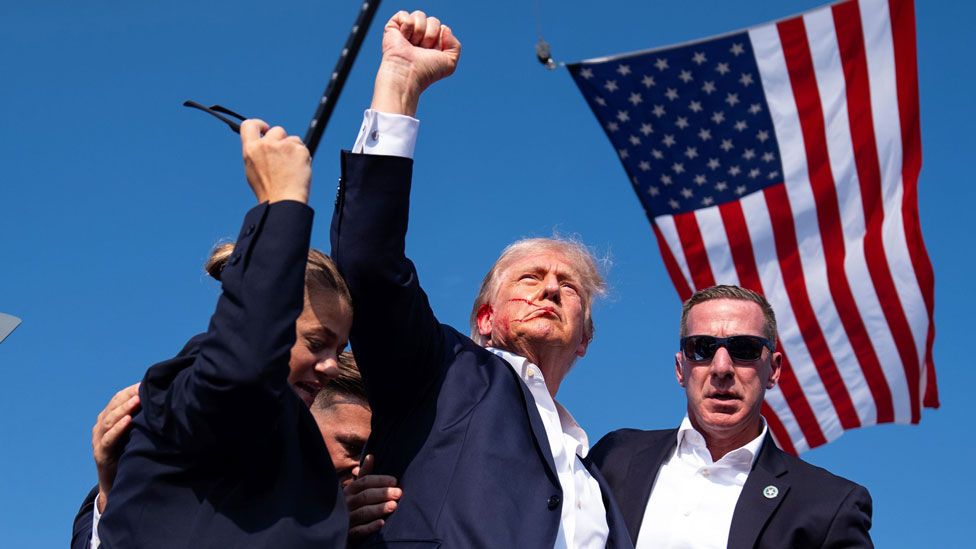
The “Fear Gauge” and Immediate Liquidity Shocks
The CBOE Volatility Index (VIX), often referred to as the “fear gauge,” would likely experience a historic spike. As trading algorithms detect sudden news-driven volatility, automated sell-offs are triggered, often leading to a temporary liquidity crunch. In the first few minutes and hours, market participants would move aggressively into defensive assets. U.S. Treasuries—specifically the short-term bills—would see a massive influx of capital as investors flee the perceived risks of equity markets.
Disruption in Currency and Commodity Markets
The U.S. dollar, functioning as the world’s reserve currency, would face a dual reaction. Initially, it might strengthen as a safe-haven asset, but this would be tempered by concerns regarding the stability of American governance. Gold, the traditional hedge against geopolitical chaos, would likely surge as investors seek a store of value that exists independently of the U.S. electoral and judicial framework. Concurrently, oil prices might exhibit extreme volatility; if the assassination is perceived to lead to domestic instability, energy supply chains could be viewed as vulnerable, forcing a risk premium into the cost of a barrel of crude.
Sector-Specific Impacts and Portfolio Allocation
Beyond the immediate market-wide tremor, specific sectors would react based on their correlation with Trump’s policy platform and the broader political environment. The market often prices in expectations; a sudden, forced removal of a candidate shifts the fundamental outlook for various industries overnight.
Defense and Industrial Stability
The defense sector often reacts positively to geopolitical friction, but internal political assassination presents a unique, destabilizing variable. Investors would quickly pivot from focusing on prospective defense contracts to assessing the risk of civil unrest. Large-scale domestic instability could paradoxically hurt industrial stocks, as corporations depend on a predictable regulatory and social environment to manage supply chains and labor forces.
The Financials and Banking Sector
Banking stocks are highly sensitive to regulatory sentiment. Given that the market has largely priced in the regulatory environment under different political outcomes, a sudden change in leadership would force a recalibration of interest rate expectations and financial regulation. If the markets perceive the assassination as a trigger for a prolonged period of legislative gridlock, yield curves might flatten further, compressing bank margins and leading to defensive rotations away from high-beta financial stocks.
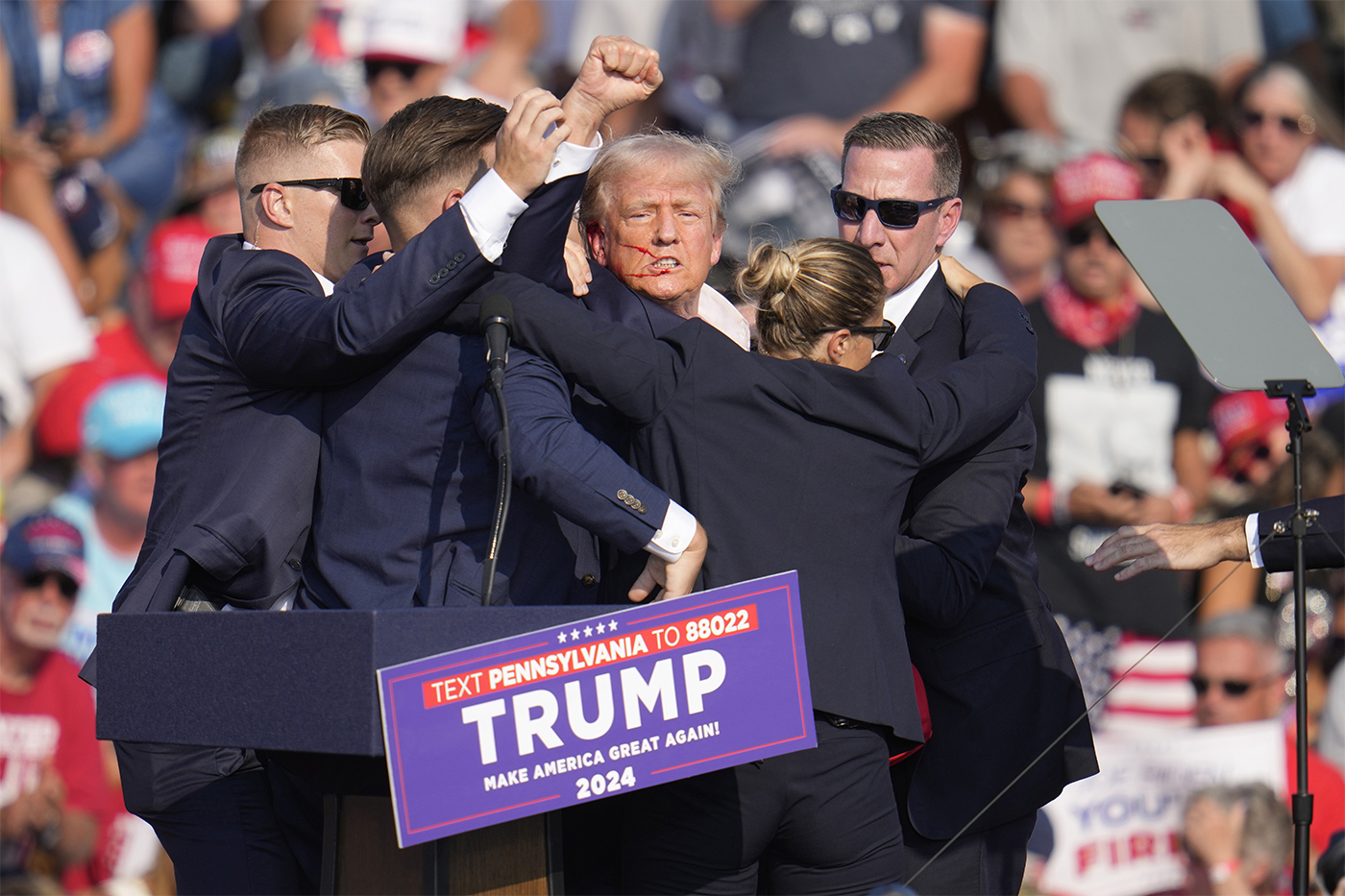
Tech and Growth: The Long-Term Resilience Factor
Technology giants, which often act as the backbone of modern index funds, have historically shown resilience in the face of political shocks. Because these firms generate revenue on a global scale and have deep cash reserves, they often become the “safe havens” for institutional investors after the initial panic subsides. However, if the assassination were to ignite a broader debate over polarization and social governance, Big Tech might face increased scrutiny regarding their platforms’ roles in political discourse, creating a layer of regulatory overhang that could dampen valuations.
Macroeconomic Policy and the Federal Reserve
The intersection of politics and monetary policy is critical. The Federal Reserve operates with an mandate of independence, yet that independence is tested during times of national crisis.
Managing Systemic Financial Risk
In the immediate aftermath of such an event, the Federal Reserve’s primary objective would be to maintain liquidity and prevent a systemic collapse. This would likely involve open-market operations, liquidity injections, or temporary credit facilities to ensure that the plumbing of the financial system—repos, money markets, and interbank lending—remains functional. Investors should anticipate an “emergency” stance from the Fed, which would signal to the market that the central bank is prepared to backstop the system regardless of the political fallout.
Fiscal Policy and Spending Expectations
Markets would immediately begin forecasting the impact on the national debt and fiscal policy. An assassination would likely result in an outpouring of national grief followed by a period of intense legislative maneuvering. If the markets believe the event would lead to increased government spending to shore up national security or social programs, long-term bond yields would likely rise, reflecting inflation expectations. Conversely, if the event paralyzes the legislative branch, the market might struggle to price in future fiscal stimulus, leading to a period of stagnation in economic growth projections.
Strategic Investing in Times of Extreme Uncertainty
For the individual investor, the temptation during a period of such extreme crisis is to react—to sell, to buy, or to shift everything into cash. However, history suggests that market reactions to political trauma are often sharp, temporary, and ultimately corrected by the underlying strength of the economy.
Avoiding the Trap of Panic Selling
The most significant mistake an investor can make during a period of extreme geopolitical volatility is liquidating at the bottom. When markets drop in response to news-driven panic, they are often pricing in a worst-case scenario that rarely manifests in its entirety. Maintaining a disciplined, long-term asset allocation is the best defense against short-term noise. Markets have historically weathered wars, impeachments, and national tragedies; the fundamental engine of the economy remains tied to corporate earnings and technological progress rather than the fate of any single individual.
Rebalancing and the “Quality” Factor
During periods of sustained uncertainty, a flight to quality is a prudent strategy. This means shifting toward companies with strong balance sheets, manageable debt levels, and the ability to pass on costs to consumers regardless of the political environment. Companies with robust dividends and historical durability are better equipped to handle periods of high volatility than speculative, high-growth, or debt-heavy entities.
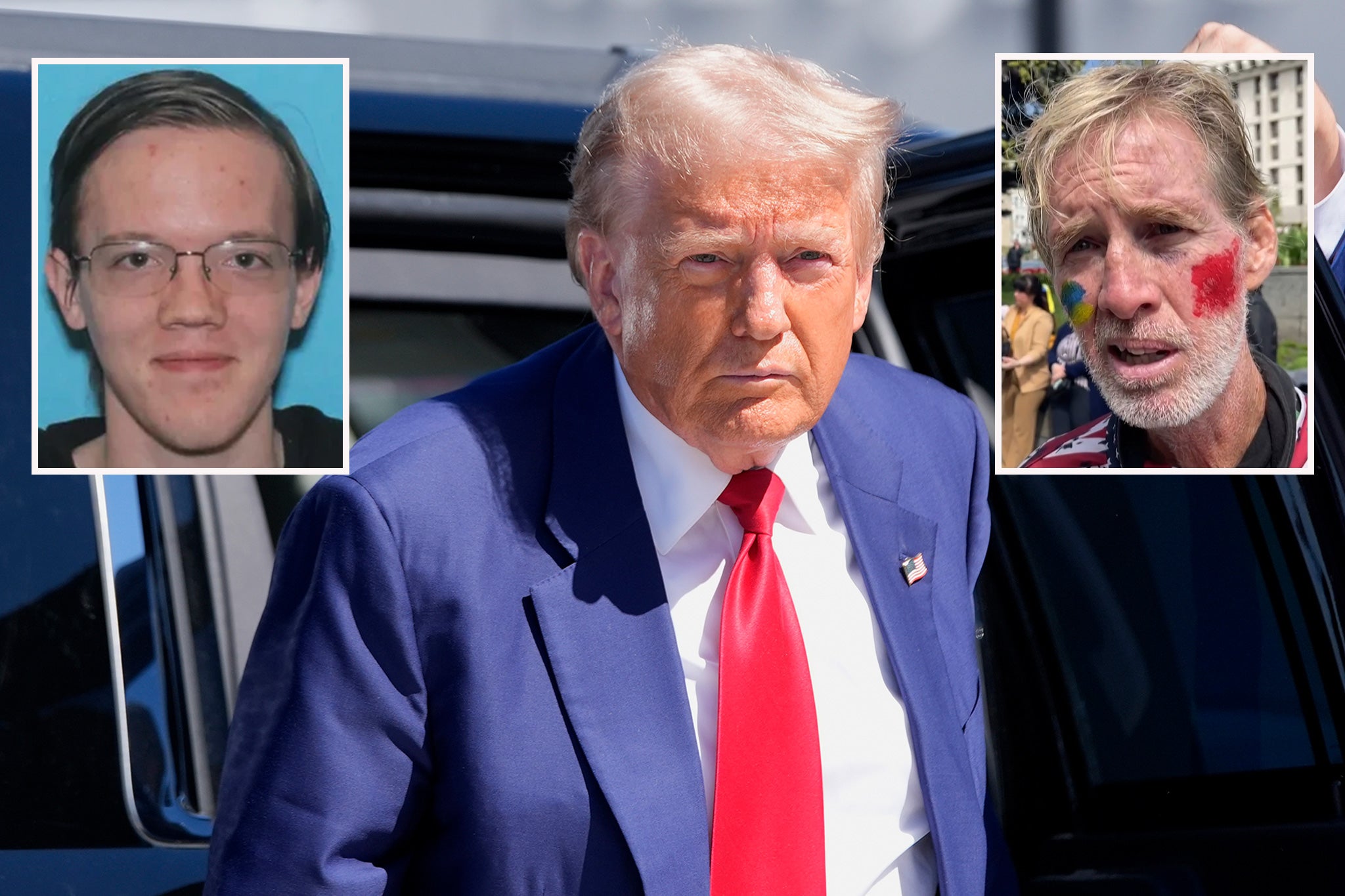
Understanding the “Election Effect” on Portfolios
The market’s obsession with elections often creates artificial volatility. When that electoral process is interrupted, the “fear premium” sky-rockets. Investors who understand that political events are, in the long run, often disconnected from the broader trajectory of market capitalization can avoid the emotional contagion. Developing an investment policy statement that accounts for “black swan” events—extreme, rare, and high-impact occurrences—allows the investor to view such a hypothetical assassination not as a time to panic, but as a potential opportunity to rebalance into high-quality assets at depressed prices.
Ultimately, while the assassination of a political figure of Trump’s stature would be an unprecedented event in the modern era, the global financial system is built on a framework of diversification and institutional redundancy. Wealth preservation in such a scenario depends less on predicting the political outcome and more on the commitment to a balanced, risk-adjusted, and long-term investment strategy that remains decoupled from the inevitable noise of the political news cycle.
aViewFromTheCave is a participant in the Amazon Services LLC Associates Program, an affiliate advertising program designed to provide a means for sites to earn advertising fees by advertising and linking to Amazon.com. Amazon, the Amazon logo, AmazonSupply, and the AmazonSupply logo are trademarks of Amazon.com, Inc. or its affiliates. As an Amazon Associate we earn affiliate commissions from qualifying purchases.