
The digital entertainment landscape is currently undergoing a radical transformation, driven by advancements in rendering, machine learning, and global distribution architectures. While the public views the “What If…? Season 3 Trailer” as a mere glimpse into the multiverse of the Marvel Cinematic Universe (MCU), technology professionals view it as a showcase of the current state of high-end digital animation and software-integrated storytelling. The trailer serves as a benchmark for how far we have come from traditional hand-drawn frames to the sophisticated, tech-heavy pipelines that define modern streaming media.
The Cutting Edge of Cel-Shaded Animation and Rendering Engines
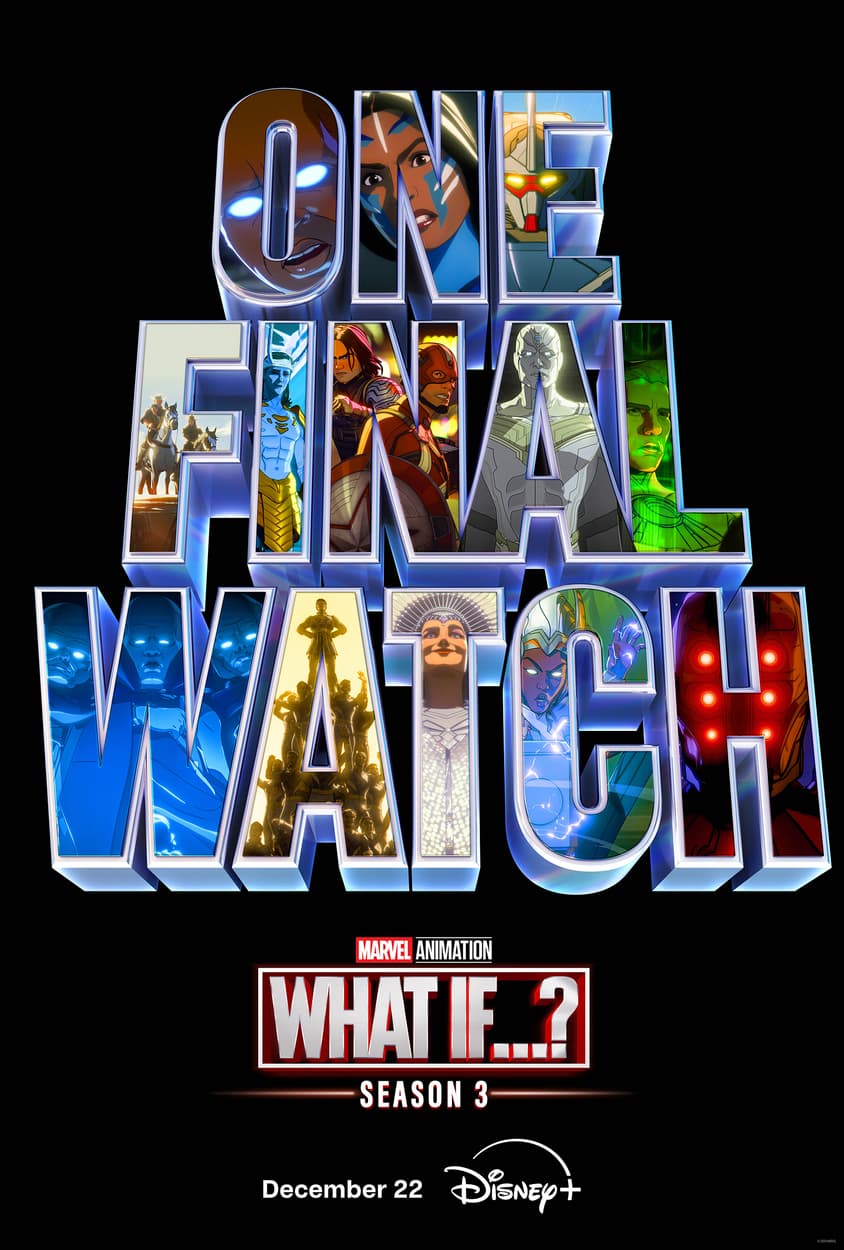
One of the most striking aspects of the What If…? Season 3 trailer is its distinct visual language. This “illustrated” look is not a result of traditional painting, but rather a complex application of cel-shading—a non-photorealistic rendering technique designed to make 3D computer graphics appear 2D and hand-drawn.
Evolving the “Illustrated” Aesthetic via Software
The animation pipeline for Season 3 leverages advanced shaders within software suites like Autodesk Maya and Foundry’s Katana. Unlike photorealistic CGI seen in live-action films, the challenge here is “ink-line” consistency. In the latest trailer, the precision of line weights and the way light interacts with stylized surfaces suggest an upgrade in the custom shaders used by the production team. These shaders must calculate light not to mimic reality, but to mimic the specific artistic intent of comic book colorists. By utilizing real-time rendering previews, animators can now iterate on these stylistic choices faster than ever, allowing for a level of detail in the Season 3 trailer that surpasses its predecessors.
High-Dynamic-Range (HDR) Optimization in Streaming
A trailer today is not just a video file; it is a high-bandwidth data packet optimized for a variety of screens. The Season 3 trailer is engineered for High-Dynamic-Range (HDR) delivery. From a tech perspective, this involves deep-color metadata (Dolby Vision or HDR10) that allows for a wider gamut of colors and higher brightness levels. When watching the trailer, the vibrant energy blasts and cosmic landscapes utilize “peak brightness” pixels that were historically difficult to render without blowing out the detail. The backend technology ensures that whether a user watches the trailer on a 4K OLED television or a mobile device, the color-grading remains consistent through sophisticated tone-mapping algorithms.
AI and Machine Learning: The Unseen Force in Visual Effects
While Marvel Studios has a vast team of artists, the sheer scale of producing an anthology series like What If…? necessitates the integration of Artificial Intelligence (AI) and Machine Learning (ML) into the visual effects (VFX) workflow. The Season 3 trailer highlights scenes with complex particle physics and crowd simulations that would be prohibitively time-consuming using manual methods.
Upscaling and Noise Reduction Algorithms
One of the most significant tech hurdles in high-end animation is “noise”—grainy artifacts that appear during the rendering process. In the production of the Season 3 trailer, ML-based denoisers (such as NVIDIA OptiX or Intel Open Image Denoiser) are likely employed. These tools use neural networks trained on millions of images to predict what a “clean” frame should look like, allowing the production team to render at lower samples and then “fill in” the gaps. This significantly reduces render farm energy consumption and time, allowing for the rapid turnaround of high-fidelity promotional material.
The Future of AI-Generated Voice Synthesis and Lip-Sync
A unique technical challenge for What If…? is the integration of voice performances from a rotating cast of high-profile actors. Advanced “Automated Dialogue Replacement” (ADR) software now utilizes AI to assist with lip-syncing. In the Season 3 trailer, the precision between the character’s mouth movements and the audio track is a result of algorithmic alignment. There is also the burgeoning tech of “voice cloning” or synthesis for minor pickups or temporary “scratch tracks.” While the MCU prides itself on original performances, the software used to map those performances onto 3D models has become increasingly automated, utilizing facial motion capture data that is processed through deep-learning filters to match the specific “2D” aesthetic of the show.
The Architecture of Global Distribution: Disney+ Infrastructure
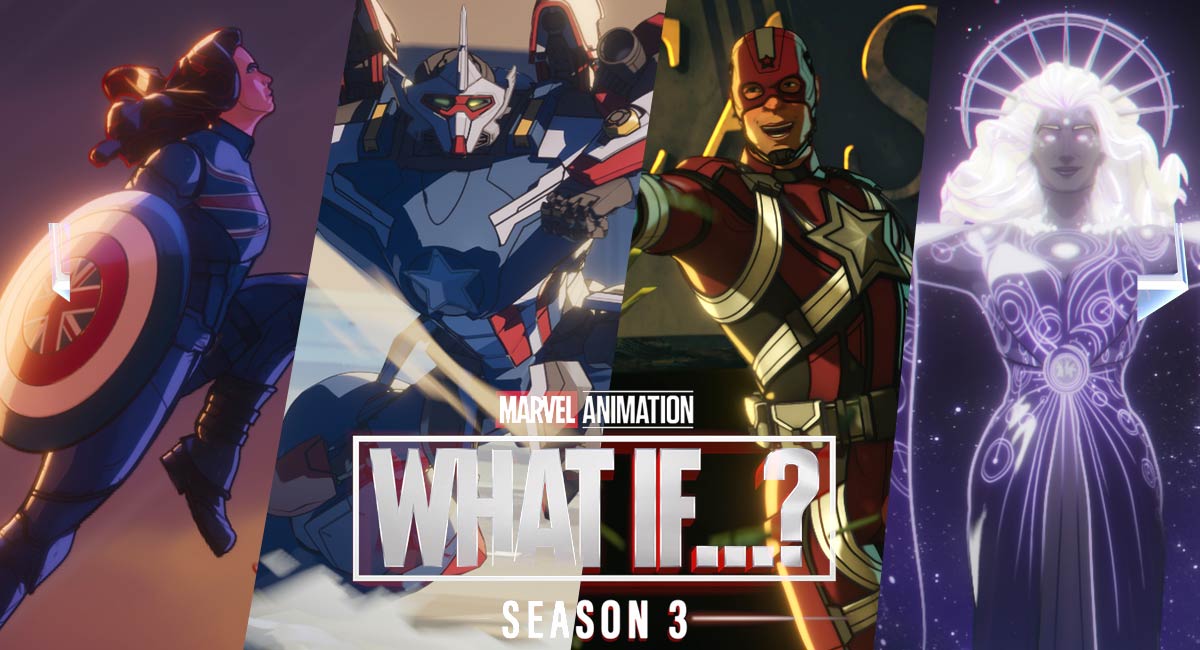
Releasing a trailer like What If…? Season 3 is a massive stress test for content delivery networks (CDNs). The “Tech” behind the trailer isn’t just about what is on the screen; it is about how that data moves from a server to your retina.
Edge Computing and Reducing Latency for High-Definition Content
When the trailer drops, millions of users attempt to access the same high-bitrate file simultaneously. To prevent buffering and maintain the 4K quality intended by the creators, the trailer is distributed across “Edge” servers. This architecture places the data geographically closer to the end-user. By using intelligent routing, the Disney+ backend ensures that a user in New York is pulling the trailer from a server in New Jersey, rather than a centralized hub in California. This minimizes “hops” across the internet backbone, reducing latency and ensuring the trailer’s visual fidelity—crucial for a show that relies so heavily on intricate art styles.
Personalized Content Algorithms and Engagement Metrics
Behind the scenes of the trailer’s release is a massive data collection engine. The “tech” here involves telemetry and analytics. When you watch the Season 3 trailer on a native app, the platform tracks at what point users pause, rewind, or drop off. This data is fed into machine learning models that determine the “virality” of specific characters or scenes. These insights then inform the recommendation engine’s algorithm, deciding how prominently the show will be featured on the user interface (UI) for different demographics. This is a prime example of “Big Data” influencing the lifecycle of digital content.
The Convergence of Virtual Production and Multi-Platform Experiences
The What If…? Season 3 trailer signals a move toward a more unified technological ecosystem within Marvel’s digital assets. This is known as “asset reuse” and “cross-platform interoperability,” a burgeoning trend in the tech industry.
Integrating Assets Across Gaming and Streaming Media
The 3D models (characters, vehicles, and environments) seen in the Season 3 trailer are often built with interoperability in mind. Using Universal Scene Description (USD), a framework developed by Pixar, tech teams can move high-quality assets between the animation pipeline and other digital mediums, such as augmented reality (AR) experiences or video game engines (like Unreal Engine 5). This technical synergy means that a character model developed for the show can, with minimal friction, be adapted for a mobile app or a VR experience, creating a seamless technological “multiverse” for the consumer.
Looking Forward: Real-Time Rendering in Animated Storytelling
Perhaps the most exciting tech prospect hinted at by the quality of the Season 3 trailer is the transition toward full real-time rendering. Currently, high-end animation is rendered frame-by-frame on massive server farms. However, the industry is moving toward a future where “What If…?” could be rendered in real-time by the user’s hardware. We are seeing the gap close between the “pre-rendered” quality of the trailer and the “real-time” quality of modern GPUs. The software architecture used in Season 3 lays the groundwork for interactive episodes where the viewer could potentially choose their own “What If” scenario, and the engine would render the outcome on the fly.
Conclusion: The Trailer as a Technical Milestone
The What If…? Season 3 trailer is more than a sequence of hype-building scenes; it is a sophisticated data product. It represents the pinnacle of modern animation software, the efficiency of AI-enhanced VFX, and the robust nature of global cloud infrastructure.
From the custom shaders that give the characters their signature look to the CDN architectures that deliver every pixel in 4K clarity, the technology behind the curtain is as impressive as the stories on screen. As we move closer to the full release, it is clear that the intersection of creative artistry and cutting-edge software engineering will continue to push the boundaries of what is possible in the digital age. For tech professionals and enthusiasts alike, the “What If” of the future isn’t just about the stories we tell, but the tools we build to tell them.
aViewFromTheCave is a participant in the Amazon Services LLC Associates Program, an affiliate advertising program designed to provide a means for sites to earn advertising fees by advertising and linking to Amazon.com. Amazon, the Amazon logo, AmazonSupply, and the AmazonSupply logo are trademarks of Amazon.com, Inc. or its affiliates. As an Amazon Associate we earn affiliate commissions from qualifying purchases.