
The rise of e-commerce has transformed the modern porch into a high-stakes delivery terminal. As Amazon’s logistical footprint expands, so does the phenomenon of “porch piracy”—the theft of delivered parcels before the recipient can retrieve them. While the emotional response to a stolen package is one of frustration, the technological infrastructure supporting Amazon’s delivery ecosystem offers sophisticated tools for both recovery and prevention. From IoT-enabled surveillance to AI-driven logistics tracking, solving the problem of a stolen package is no longer just about customer service calls; it is about leveraging a complex stack of digital security and smart home hardware.

The Digital Paper Trail: Leveraging Amazon’s Real-Time Tracking Ecosystem
When a package goes missing, the first line of defense is the granular data generated during the delivery lifecycle. Amazon’s proprietary logistics software provides a digital audit trail that differentiates between a logistical error and an actual theft. Understanding this tech stack is essential for any consumer navigating a potential loss.
Visual Verification: The Role of Delivery Confirmation Photos
One of the most significant tech updates in Amazon’s delivery arsenal is the “Photo on Delivery” feature. When a driver completes a drop-off, they use a handheld device to capture a geocoded image of the package in its resting place. This image is immediately uploaded to the cloud and accessible via the Amazon app or website. For the consumer, this photo serves as a digital receipt. If the photo shows the package on your doorstep, but the package is gone when you arrive, the “theft” is confirmed. If the photo shows a different door, the issue is a “misdelivery,” which is handled differently within Amazon’s automated support algorithms.
GPS and Map-Based Tracking (Map Tracking)
Amazon’s “Map Tracking” feature utilizes real-time GPS data from the delivery vehicle. By providing the customer with a live view of the driver’s progress and the number of stops remaining, the technology narrows the window of vulnerability. From a digital security perspective, this reduces the “dwell time” of a package on the porch. The tighter the synchronization between the app’s notification and the physical retrieval, the lower the probability of theft. This integration of geolocation data and push notifications represents a proactive approach to package security.
Algorithmic Verification and Data Logs
Behind the scenes, Amazon’s systems cross-reference the driver’s GPS location at the time of the “Delivered” scan with the customer’s registered coordinates. If there is a discrepancy in the telemetry data, the system can automatically flag the delivery as unsuccessful or misrouted. This high-level data logging ensures that when a customer reports a stolen package, the support AI has a comprehensive dataset to verify the claim’s validity.
Smart Home Integration: Securing the “Last Inch” of Delivery
The most effective way to address package theft is to eliminate the porch as a point of failure. Modern smart home technology has evolved to secure the “last inch”—the physical transition from the delivery person to the home’s interior or a secure enclosure.
Amazon Key: The Tech Behind In-Home and In-Garage Delivery
Amazon Key represents a pinnacle of IoT (Internet of Things) integration. By combining smart locks, garage door openers (like myQ technology), and encrypted authentication tokens, Amazon Key allows drivers to place packages inside a secure area.
The technology works through a series of digital handshakes:
- The driver arrives and requests access via their delivery app.
- Amazon’s server verifies the driver’s location and the specific package ID.
- An encrypted command is sent to the home’s smart lock or garage controller to open.
- The driver places the package inside, exits, and the system re-locks the door, sending a confirmation video or notification to the user.
This tech-heavy solution completely removes the package from the public eye, nullifying the opportunity for theft.
IoT Surveillance as a Deterrent: Ring and Nest Ecosystems
Video doorbells and outdoor security cameras have become the primary tech deterrents against porch pirates. Devices like Ring (an Amazon-owned company) utilize motion-sensing technology and infrared night vision to monitor the delivery zone 24/7.
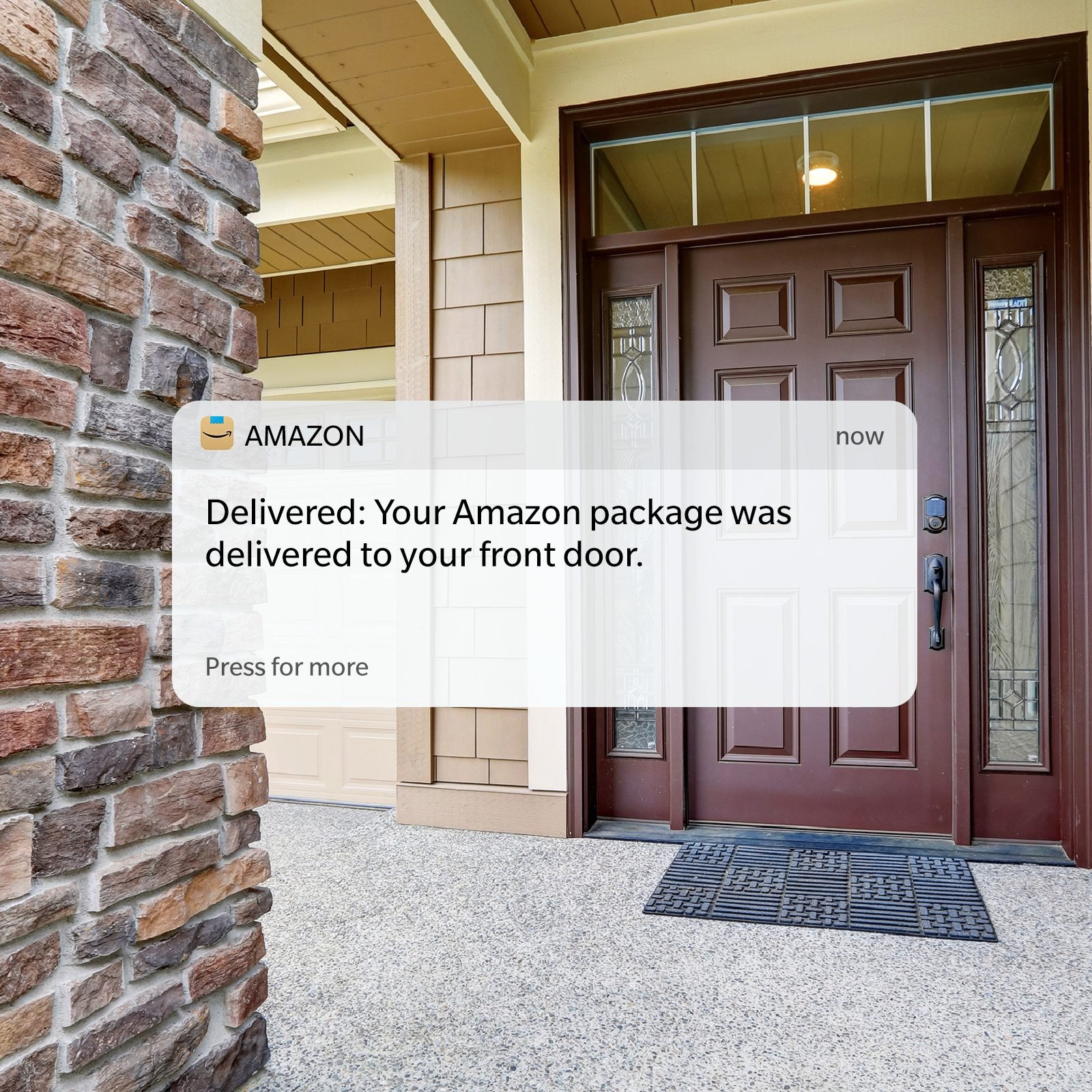
The real power of these gadgets lies in their cloud-connected features:
- Cloud Recording: Even if a thief steals the package (or the camera itself), the footage of the event is stored on remote servers.
- AI-Powered Person Detection: Modern cameras use edge computing to distinguish between a swaying tree branch and a human approaching the porch, reducing “notification fatigue” for the user.
- Neighborhood Networks: Apps like “Neighbors” by Ring allow users to share footage of thefts with the local community and law enforcement, creating a digital neighborhood watch powered by shared video data.
The AI and Big Data Behind “Concessions Management”
When a package is stolen, Amazon’s response is governed by sophisticated AI models known as Concessions Management. This is the “brain” that decides whether to issue an immediate refund, send a replacement, or require a police report.
Algorithmic Fraud Detection: Distinguishing Theft from Scam
Amazon processes millions of transactions daily, making it a target for “friendly fraud”—where a customer claims a package was stolen when it was actually received. To combat this, Amazon uses machine learning algorithms that analyze a user’s account history, the frequency of reported thefts in a specific geographic area, and the reliability scores of the delivery partner. If the AI detects a high-risk pattern, it may mandate additional security steps, such as requiring a “One-Time Password” (OTP) for future deliveries, which the customer must provide to the driver in person.
Predictive Logistics and Risk Mapping
Amazon’s tech infrastructure doesn’t just react to theft; it predicts it. Using big data, Amazon identifies “high-theft zones” based on historical loss data. In these areas, the system might automatically suggest (or mandate) delivery to a secure locker rather than a residential porch. This predictive modeling allows the company to optimize its logistics chain by rerouting high-value electronics away from high-risk delivery windows or locations.
The Role of Digital Receipts and Blockchain Potential
While not yet fully implemented in consumer-facing apps, the industry is moving toward decentralized ledgers (blockchain) for supply chain transparency. Currently, Amazon’s internal digital ledger provides a “Chain of Custody” that is nearly impossible to tamper with. Every hand-off, from the fulfillment center’s robotic sorters to the final delivery van, is timestamped and logged. This ensures that if a package goes missing, the system can pinpoint exactly where the physical item deviated from the digital plan.
Emerging Hardware Solutions: Smart Lockers and Autonomous Delivery
For users in high-density urban environments or areas prone to theft, the future of package security lies in hardware-as-a-service. Amazon has invested heavily in physical tech endpoints that provide a 100% security guarantee.
Amazon Hub Lockers: The Secure Endpoint Solution
Amazon Hub Lockers are digitized, self-service kiosks located in grocery stores, transit stations, and apartment complexes. The tech behind these is elegantly simple but highly effective. Upon delivery, the customer receives a unique 6-digit code or a Bluetooth-enabled “button” in their app. The locker remains a hardened steel enclosure until the specific digital key is presented. This eliminates the “porch” from the equation entirely, moving the delivery to a secure, monitored, and climate-controlled digital vault.
The Rise of Bluetooth-Enabled Parcel Boxes
For homeowners, a new category of “Smart Parcel Boxes” is emerging. These gadgets, such as the eufy Smart Safe or Yale Smart Delivery Box, stay locked by default. They integrate with the home’s Wi-Fi and can be programmed to unlock when a delivery is expected, or can be opened remotely via a smartphone app when the delivery driver rings the bell. Some versions even include internal cameras and weight sensors to verify that an item was actually placed inside.
Future Horizons: Drones and Autonomous Robots
Amazon’s “Prime Air” drone project and its investments in autonomous ground robots aim to solve theft by changing the delivery dynamic. Drones can deliver packages to precise GPS coordinates, potentially on balconies or in fenced backyards that are inaccessible to the average thief. Furthermore, autonomous robots can be programmed to wait for the customer to be physically present before releasing the package from a locked internal compartment. As these technologies mature, the window of opportunity for package theft will continue to shrink.
Conclusion: A Multi-Layered Tech Defense
If your Amazon package is stolen, the resolution process is deeply rooted in the digital evidence provided by the company’s logistics tech. However, the true solution lies in the proactive adoption of smart home security and secure delivery endpoints. By leveraging real-time tracking, IoT surveillance, and secure access hardware like Amazon Key or Hub Lockers, consumers can transition from being passive victims of porch piracy to active managers of a secure, tech-enabled supply chain. In the modern era, a “stolen package” is a data point that triggers a sophisticated series of technological responses designed to harden the system and ensure that the convenience of e-commerce isn’t undermined by physical insecurity.
aViewFromTheCave is a participant in the Amazon Services LLC Associates Program, an affiliate advertising program designed to provide a means for sites to earn advertising fees by advertising and linking to Amazon.com. Amazon, the Amazon logo, AmazonSupply, and the AmazonSupply logo are trademarks of Amazon.com, Inc. or its affiliates. As an Amazon Associate we earn affiliate commissions from qualifying purchases.