
The intersection of faith and film has evolved from a niche subculture into a powerhouse of brand identity and targeted marketing. When we analyze the phenomenon of the “Christian Movie,” we are not merely looking at a genre of entertainment; we are examining a masterclass in brand positioning, audience loyalty, and the strategic use of narrative archetypes to serve a specific corporate and cultural identity. The “What If” scenario—a common trope within this space—serves as a primary vehicle for delivering a brand promise that resonates with millions of consumers globally.

The Architecture of the Christian Film Brand
In the world of marketing, a brand is a promise of a consistent experience. For the faith-based film industry, the “Christian” label functions as a high-trust signal that guarantees a specific set of values, thematic resolutions, and emotional payoffs. This branding strategy has allowed independent studios to compete with major Hollywood players by capturing a segment of the market that feels underserved by mainstream media.
Establishing the Trust Signal
The primary asset of the Christian movie brand is its reliability. Much like a consumer trusts a specific brand of organic food to be free of pesticides, the audience for faith-based cinema trusts these films to be free of content they deem objectionable. This “clean” brand identity is a powerful differentiator. It simplifies the decision-making process for parents and religious organizations, creating a “safe harbor” brand environment.
The Value Proposition of Redemption
The core value proposition of this brand is the narrative of redemption. Unlike secular films that may favor ambiguity or nihilism, the Christian film brand is built on the promise of hope and moral clarity. This isn’t just a creative choice; it is a strategic alignment with the expectations of the core demographic. By consistently delivering on this promise, studios like Pure Flix, Kendrick Brothers Productions, and Kingdom Story Company have built immense brand equity.
Narrative Archetypes as Marketing Tools: The “What If” Factor
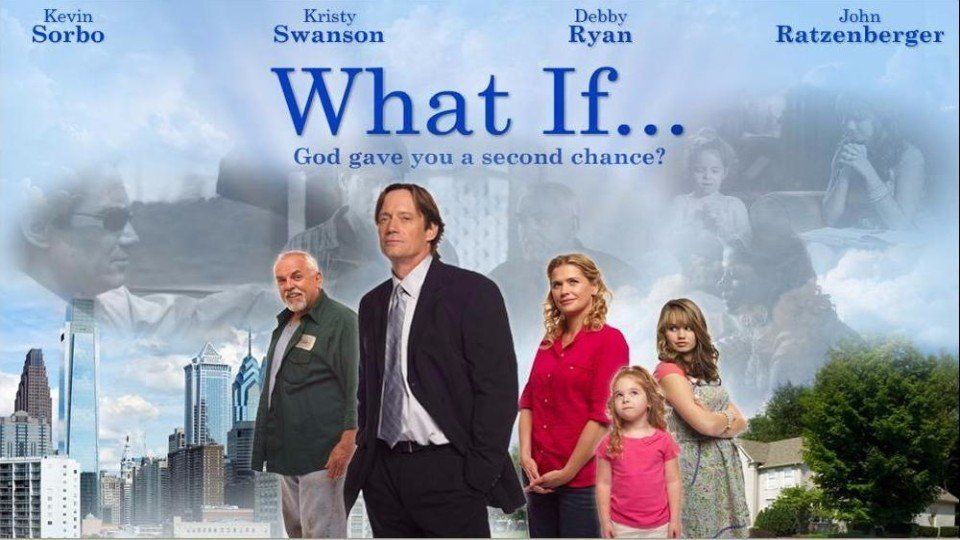
One of the most effective storytelling devices in the faith-based brand arsenal is the “What If” scenario. This narrative structure—exemplified by films like What If… (2010)—imagines an alternative reality where a character takes a different path, usually one aligned with spiritual or familial values. From a brand strategy perspective, this archetype is a psychological tool used to engage the audience’s aspirations and regrets.
The Aspirational Brand Persona
The “What If” narrative allows the audience to project themselves onto the protagonist. By showing a character who “has it all” in a worldly sense (money, status, career) but lacks spiritual fulfillment, the brand reinforces its core message: that spiritual capital is more valuable than financial capital. This positioning helps the brand resonate on a deeply personal level, moving beyond mere entertainment to become a form of life-coaching or moral guidance.
Emotional Branding through Relatability
By focusing on universal questions of “the road not taken,” these films tap into powerful human emotions. Strategic marketing leverages these emotions by framing the film not as a fictional story, but as a mirror for the viewer’s own life. This increases engagement and shareability, as viewers are more likely to discuss and recommend a film that addresses their internal existential questions.
Strategic Audience Segmentation and Niche Marketing
The success of the Christian film brand relies on a sophisticated understanding of audience segmentation. The market is not a monolith; it consists of various denominations, age groups, and levels of religious commitment. Successful branding in this space requires a “glocal” approach—having a global message that feels locally relevant to specific church communities.
The Church-Driven Marketing Engine
One of the most innovative aspects of the Christian film brand strategy is the use of “grassroots” or “gatekeeper” marketing. Instead of relying solely on traditional television or digital ads, studios market directly to church leaders and influencers. By offering pre-screenings and “sermon kits,” the film brand integrates itself into the weekly life of the consumer. The movie stops being a product and starts being a resource for the community.

Crossover Branding and the Secular Market
A major challenge for the faith-based brand is “crossover”—the ability to reach beyond the core religious audience. To achieve this, brands have begun to improve production values and recruit recognizable mainstream talent. This “Prestige Faith” branding aims to soften the didactic tone of earlier films while maintaining the core values, making the product more palatable to a broader audience without alienating the base.
Visual Identity and the Evolution of Production Value
Historically, the brand identity of Christian movies was marred by perceptions of low production value—often referred to as “church basement” aesthetics. However, in the last decade, there has been a deliberate shift toward high-quality cinematography, professional sound design, and sophisticated visual effects. This is a critical move in brand management: the quality of the packaging must match the importance of the message.
Aligning Aesthetics with Expectations
Modern faith-based brands understand that in a saturated media landscape, visual quality is a barrier to entry. By investing in top-tier technology and talent, these films signal that they are serious competitors. This “aesthetic upgrade” has helped rebrand the entire genre from “amateur/niche” to “professional/mainstream,” allowing these films to occupy prime real estate in streaming catalogs and theater chains.
Consistency Across Platforms
The brand identity is also maintained through consistent visual cues across posters, trailers, and social media content. Often utilizing warm lighting, expansive landscapes, and focused character portraits, the visual language of the Christian film brand communicates peace, reflection, and inspiration. This consistent visual identity helps the audience immediately recognize a film as part of the faith-based ecosystem.
Building a Sustainable Brand Ecosystem
For a brand to survive, it must move beyond single-product sales and create a sustainable ecosystem. The Christian movie industry has mastered this by diversifying into streaming services, publishing, and live events. This creates a multi-touchpoint brand experience that follows the consumer throughout their daily life.
The Rise of Niche Streaming Services
The development of platforms like Great American Pure Flix is a strategic move to own the distribution channel. By creating a dedicated environment for faith-friendly content, these brands ensure that their audience never has to leave the “safe” brand ecosystem. This subscription-based model provides steady revenue and invaluable data on viewer preferences, allowing for even more targeted content creation in the future.
Strategic Partnerships and Licensing
The branding extends further through book tie-ins, study guides, and soundtrack releases. When a film like What If… or The Shack is released, it is often accompanied by a suite of products that allow the brand to permeate different market sectors. This multi-channel approach maximizes the brand’s reach and reinforces its message through repetition and variety.
The Future of the Faith-Based Brand
As the media landscape continues to fragment, the Christian movie brand is well-positioned to thrive. Its strength lies in its ability to foster community and provide a sense of identity to its viewers. However, the brand must continue to evolve to meet the challenges of a more diverse and technologically savvy audience.
Leveraging AI and Data in Brand Development
The next frontier for this niche is the integration of AI and big data. By analyzing which themes and narrative structures (like the “What If” trope) perform best in specific geographic or denominational segments, studios can “engineer” films for maximum impact. This data-driven branding allows for more efficient marketing spend and a higher return on investment.
Authenticity and the Challenge of Brand Dilution
As mainstream studios (like Sony’s Affirm Films) enter the space, there is a risk of brand dilution. If a film feels too “corporate” or “calculated,” the core audience may reject it as inauthentic. Maintaining the “soul” of the brand—the genuine sense of mission and purpose—is essential for long-term loyalty. The most successful faith-based brands will be those that can balance high-level professional marketing with a sense of grassroots authenticity.
In conclusion, the “What If Movie Christian” phenomenon is a testament to the power of purposeful branding. By aligning narrative archetypes with deep-seated consumer values, the faith-based film industry has created a resilient and highly profitable brand identity. Whether through the use of strategic “What If” scenarios or the development of dedicated streaming ecosystems, these brands have proven that understanding your audience’s worldview is the ultimate key to market success. As the genre continues to grow, its focus on trust, reliability, and emotional resonance will remain its most valuable brand assets.
aViewFromTheCave is a participant in the Amazon Services LLC Associates Program, an affiliate advertising program designed to provide a means for sites to earn advertising fees by advertising and linking to Amazon.com. Amazon, the Amazon logo, AmazonSupply, and the AmazonSupply logo are trademarks of Amazon.com, Inc. or its affiliates. As an Amazon Associate we earn affiliate commissions from qualifying purchases.