
For many homeowners, the mechanics of a mortgage are designed to be “set it and forget it.” When you sign your closing papers, you likely agreed to an escrow account—a financial arrangement where your mortgage servicer collects a portion of your estimated property taxes and homeowners insurance each month as part of your total mortgage payment. This money sits in a dedicated account until the bills are due, at which point the lender pays the municipality or insurance company on your behalf.
However, confusion can arise when a homeowner receives a tax bill in the mail. Whether out of a sense of urgency, a desire to earn credit card rewards, or a simple misunderstanding of the escrow process, you might be tempted to pay that bill directly to the tax collector. But what happens if you pay your taxes directly while you already have an active escrow account? In the world of personal finance, this “double payment” scenario creates a series of administrative and liquidity challenges that require careful navigation.
Understanding the Role of Escrow in Home Ownership
To understand the conflict of direct payment, one must first understand why escrow exists from a financial perspective. For the lender, the home is the collateral for the loan. If property taxes go unpaid, the local government can place a lien on the property, which could eventually lead to a tax foreclosure. In such a scenario, the government’s claim to the property often takes precedence over the bank’s. To protect their investment, lenders mandate escrow accounts to ensure these obligations are met.
How Escrow Accounts Function
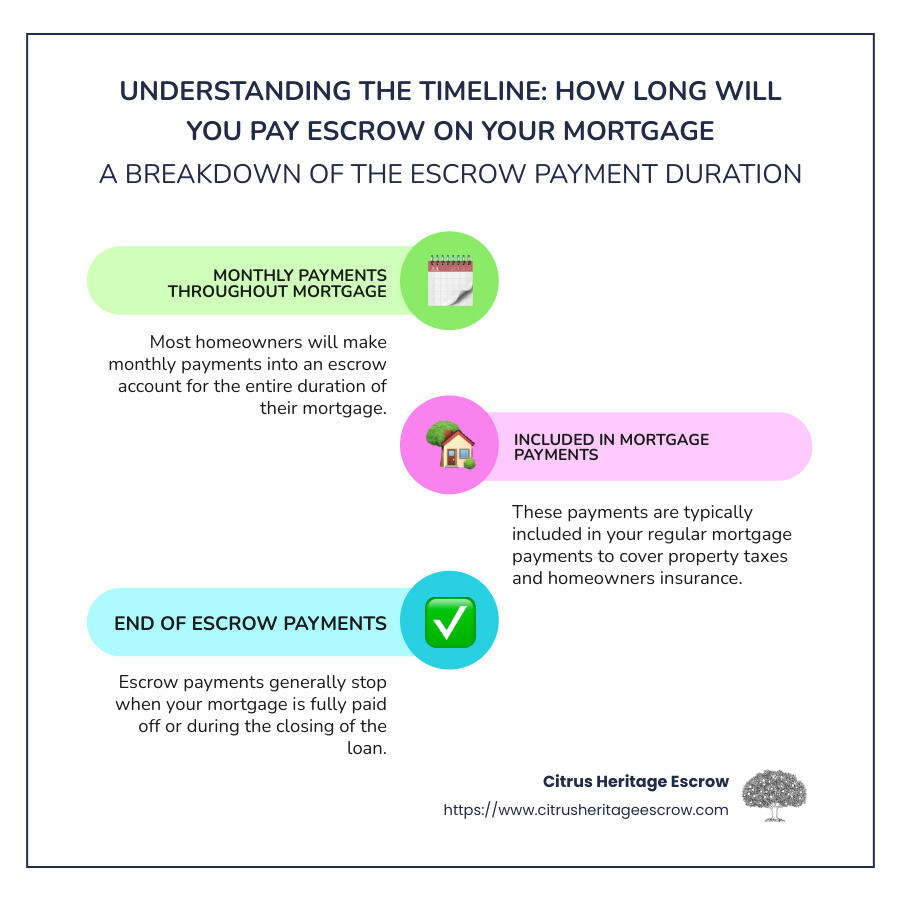
When you make your monthly mortgage payment, it is typically divided into four parts: Principal, Interest, Taxes, and Insurance (PITI). The “T” and the “I” go into your escrow account. The lender acts as a fiduciary, holding these funds in trust. By the time your annual or semi-annual property tax bill arrives, the lender should have accumulated enough capital in that account to cover the cost.
The Lender’s Legal Interest in Your Taxes
Your mortgage contract likely includes an “escrow covenant.” This is a legal agreement stating that the lender has the right and responsibility to manage these payments. Because the lender receives a copy of your tax bill directly from the municipality, their automated systems are programmed to send payment by the due date. They do not typically check with you to see if you have paid it yourself; they follow the protocol established in the loan agreement.
The Mechanics of Double Payment: What Occurs When You Pay Directly
If you decide to pay your property taxes directly to the county or city treasurer, you are essentially initiating a race. In most cases, the local tax office will accept any payment linked to a specific parcel number. If you pay first, and then your mortgage servicer sends their scheduled payment a few weeks later, the tax office ends up with two payments for the same obligation.
The Automatic Disbursement Process
Most major mortgage servicers use automated clearinghouses to handle tax payments. These systems are triggered by the arrival of the tax roll from the municipal government. Even if you have already sent a check or paid online, the servicer’s system may not reflect that your balance is zero until several weeks after the tax office processes your payment. Consequently, the servicer will likely issue a second payment from your escrow funds regardless of your manual intervention.
Why Your Lender Might Still Pay Even if You Already Did
Lenders are risk-averse. If their records show a tax bill is due, they will pay it to ensure there is no risk of a tax lien. They are not incentivized to trust a homeowner’s word that the bill has been settled; they require official confirmation from the tax authority. If that confirmation hasn’t been updated in the “bulk file” the lender receives from the county, the escrow disbursement will proceed as planned.
Potential Financial Consequences and Complications
While double-paying your taxes doesn’t mean the money is “lost” forever, it does create a significant short-term financial burden. In the world of personal finance, liquidity—the ease with which you can access your cash—is king. Paying twice traps a large sum of money in a bureaucratic loop.

Cash Flow and Liquidity Issues
Property taxes can range from a few thousand to tens of thousands of dollars depending on your location. If you pay $5,000 directly and your lender also pays $5,000 from your escrow, you have effectively removed $10,000 from your liquid net worth in a very short period. For many households, this can lead to a “cash crunch,” making it difficult to cover other monthly expenses or emergency costs while waiting for a resolution.
The Complexity of Obtaining a Refund
Once a tax office receives an overpayment, they don’t always issue an automatic refund check to the homeowner. Many municipalities will hold the overage as a credit toward the next tax cycle. If you want that money back, you often have to file a formal “Refund of Overpayment” request. This process can take anywhere from 30 to 90 days, during which time your money is earning zero interest for you and is inaccessible.
Escrow Analysis and Overages
Every year, your lender performs an “escrow analysis” to ensure they are collecting the right amount. If the lender paid the taxes and the tax office eventually sent the money back to the lender (instead of to you), your escrow account will show a massive “surplus.” While the law (specifically the Real Estate Settlement Procedures Act, or RESPA) requires lenders to return escrow surpluses over a certain amount, this usually only happens during the annual analysis cycle. This means your money could be tied up for months before it is returned via a check from your mortgage company.
How to Correct the Error and Reclaim Your Funds
If you find yourself in a situation where both you and your lender have paid the tax bill, you must act quickly to untangle the mess. The longer you wait, the more likely the funds will be absorbed into the municipal budget as a credit for future years.
Coordinating with Your Local Tax Assessor
Your first call should be to the local tax collector or assessor’s office. Ask them to confirm if they have received two payments. If they have, ask for their specific procedure for a “duplicate payment refund.” In some jurisdictions, the refund is automatically sent to the party that made the second payment. In others, it is sent to the primary owner of record. You will likely need to provide proof of your direct payment, such as a bank statement or a cancelled check.
Working with Your Mortgage Servicer
Simultaneously, you should contact your mortgage servicer’s escrow department. Provide them with the receipt of your direct payment and ask them to note it in your file. If they have already sent the payment, you should discuss whether they want the refund to go back into the escrow account or if they are comfortable with you receiving the refund directly from the county. Be prepared for some red tape, as mortgage servicers have strict regulatory protocols they must follow regarding escrow disbursements.
Transitioning Away from Escrow: Can You Pay Your Own Taxes?
If your attempt to pay your taxes directly was intentional—perhaps because you want better control over your money or you want to earn rewards—you may want to consider an “escrow waiver.” This officially removes the lender’s role in paying your taxes and insurance, placing the responsibility entirely on you.
Requirements for Removing an Escrow Account
Not everyone is eligible to manage their own taxes. Most lenders require:
-
A specific LTV ratio: Usually, you must have at least 20% equity in your home (an 80% Loan-to-Value ratio).
-
Clean payment history: No late mortgage payments within the last 12 to 24 months.
-
Loan type: Some loans, like FHA or USDA loans, often require escrow accounts for the life of the loan, regardless of equity.
-
Waiver Fee: Some lenders charge a one-time fee to waive the escrow requirement.
Pros and Cons of Self-Managing Property Taxes
The primary benefit of self-management is the ability to keep your money in a high-yield savings account until the very day the taxes are due, allowing you to earn interest rather than the lender. You also gain the flexibility to pay via credit card to harvest points (assuming the convenience fee is lower than the reward value).
However, the downside is the loss of the “forced savings” mechanism. You must have the discipline to set aside hundreds of dollars every month to ensure you can cut a massive check when the tax bill arrives. If you miss the payment, the penalties and interest charged by the government are often much higher than any interest you would have earned in a savings account.
In conclusion, paying your taxes directly while having an escrow account is a recipe for administrative headaches and temporary financial strain. If you have an escrow account, trust the system to work as designed. If you crave more control over your personal finances, work with your lender to legally dissolve the escrow requirement rather than trying to bypass it manually. Understanding these boundaries ensures that your path to homeownership remains financially stable and free of unnecessary bureaucratic hurdles.
aViewFromTheCave is a participant in the Amazon Services LLC Associates Program, an affiliate advertising program designed to provide a means for sites to earn advertising fees by advertising and linking to Amazon.com. Amazon, the Amazon logo, AmazonSupply, and the AmazonSupply logo are trademarks of Amazon.com, Inc. or its affiliates. As an Amazon Associate we earn affiliate commissions from qualifying purchases.