
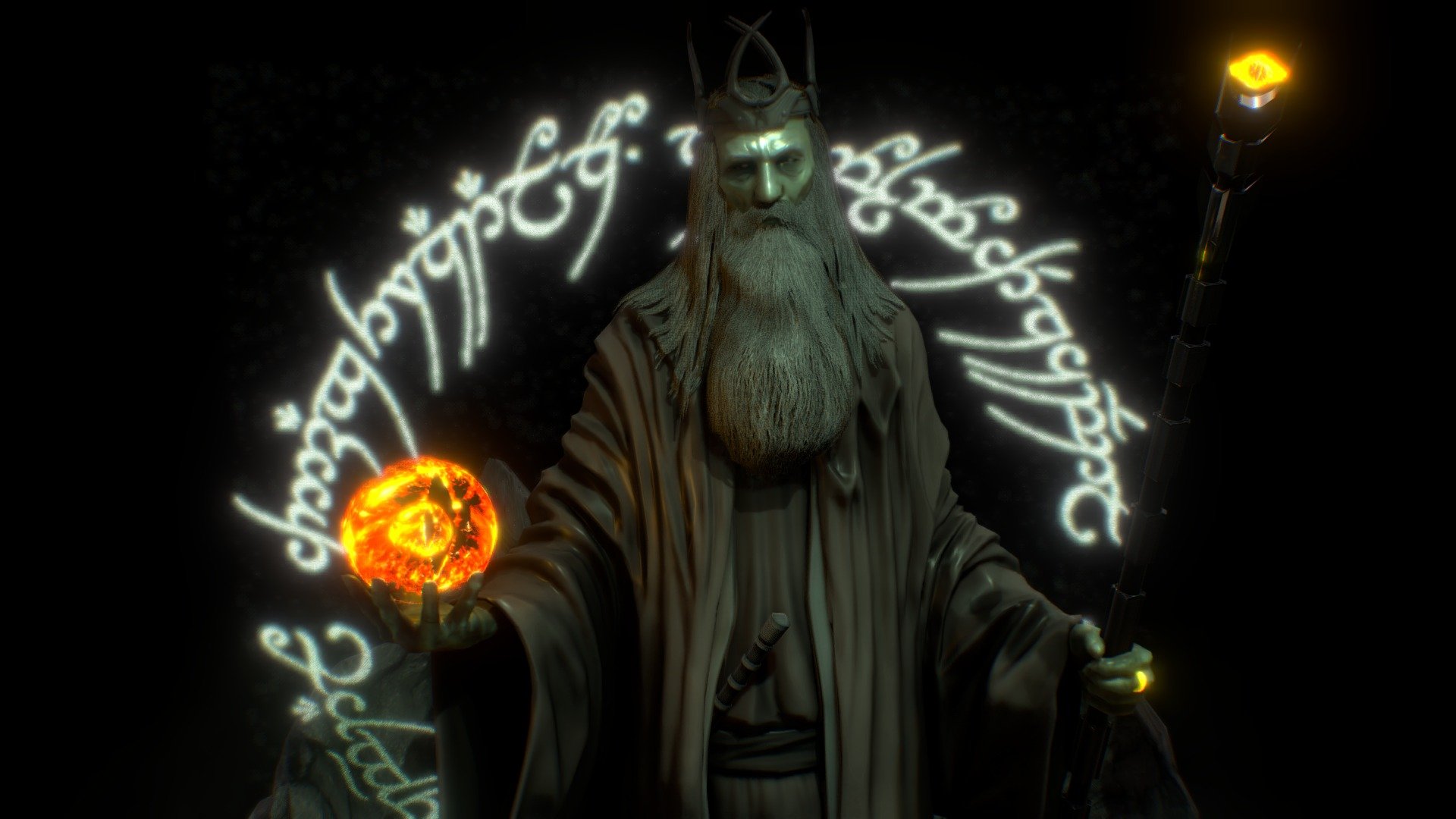
In the annals of corporate strategy and personal branding, hypothetical scenarios often serve as powerful thought experiments. They allow us to dissect the vulnerabilities and strengths of established identities, examining how core values might weather an existential threat. Consider, for a moment, one of the most iconic figures in speculative fiction: Gandalf. His brand is synonymous with wisdom, guidance, incorruptibility, and immense, yet controlled, power. Now, imagine a critical juncture – the ultimate test of character – where he, instead of resisting, chose to wield the One Ring. This seemingly fantastical premise offers a profound lens through which to explore the intricate mechanics of brand integrity, stakeholder trust, and the catastrophic implications of a leader’s fundamental deviation from their established ethos.
The Architecture of Gandalf’s Brand: A Study in Trust and Authority
Gandalf’s brand is not merely built on his mystical abilities or longevity; it is forged from consistent, visible actions and an unwavering commitment to a perceived greater good. He embodies a unique blend of strategic foresight and empathetic leadership, qualities that have cultivated an unparalleled level of trust among diverse ‘stakeholders’ across Middle-earth.
Trust as Currency: The Foundation of Influence
In the realm of personal branding, trust is the ultimate currency. For Gandalf, this trust was painstakingly earned over millennia. He served as an advisor, a protector, and a catalyst for decisive action. His brand promise was clear: to stand against encroaching darkness, offer counsel, and empower others to find their courage. Every interaction, from his quiet guidance to his fiery confrontations, reinforced this promise. He was the unwavering beacon in uncertain times, a figure whose motives were beyond reproach, making his recommendations almost universally accepted, even when challenging. This level of intrinsic trust is invaluable for any brand, as it reduces skepticism, fosters loyalty, and enables greater influence.
The Pillars of Purpose and Perception: Defining a Legacy
Gandalf’s brand identity is supported by distinct pillars:
- Purpose: To counter the forces of evil and maintain balance, not through direct conquest, but through inspiration and strategic intervention. This clear mission resonated deeply with the free peoples of Middle-earth.
- Competence: Demonstrated through his vast knowledge, magical prowess, and tactical brilliance. He consistently delivered results, reinforcing perceptions of his efficacy.
- Integrity: His unyielding moral compass and refusal to succumb to lesser temptations or power plays. This was perhaps his most defining brand attribute, distinguishing him from other powerful beings.
- Accessibility (within limits): While formidable, he was approachable to those who genuinely sought his help, making his wisdom feel earned rather than bestowed arbitrarily.
These pillars collectively created a formidable and resilient brand, a personal identity so robust that the mere thought of its corruption sends shivers. It’s a testament to the power of consistent brand messaging and authentic value delivery.
The One Ring: A Crisis of Identity and Reputational Cataclysm
The One Ring is not just an object of power; it is the ultimate brand disruptor. Its very nature is to corrupt, to amplify ambition, and to distort purpose. For Gandalf to take the Ring would represent the most profound betrayal of his established brand identity, triggering an immediate and irreparable crisis.
The Corrupting Influence on Core Values: A Brand’s Betrayal
Gandalf’s explicit rejection of the Ring (“Do not tempt me, Frodo! I would use this Ring from a desire to do good… But through me, it would wield a power too great and terrible to imagine.”) highlights his deep understanding of its corrupting influence. If he were to succumb, his core brand values—integrity, selfless guidance, wisdom untainted by ambition—would not merely be compromised; they would be utterly inverted. The Ring would twist his benevolent purpose into a tyrannical drive for control, using his immense power to dominate rather than to protect.
This scenario serves as a stark warning for any powerful brand or leader. A sudden, fundamental shift in core values, especially towards self-serving motives, is the fastest route to brand collapse. The change would not be subtle; it would be a glaring contradiction that shatters all prior goodwill and trust. The “new” Gandalf, driven by the Ring, would still possess the power and knowledge, but his essence—what made his brand inspiring and trustworthy—would be gone. The very attributes that endeared him to his audience would become instruments of their subjugation.
Erosion of Stakeholder Trust: The Ripple Effect of Disillusionment
The immediate fallout would be an unprecedented erosion of stakeholder trust. Who are Gandalf’s stakeholders? The hobbits who relied on his protection, the Elves who respected his wisdom, the Men who sought his counsel, the Dwarves who valued his aid. Each of these groups invested their trust, hope, and even their lives in his leadership.
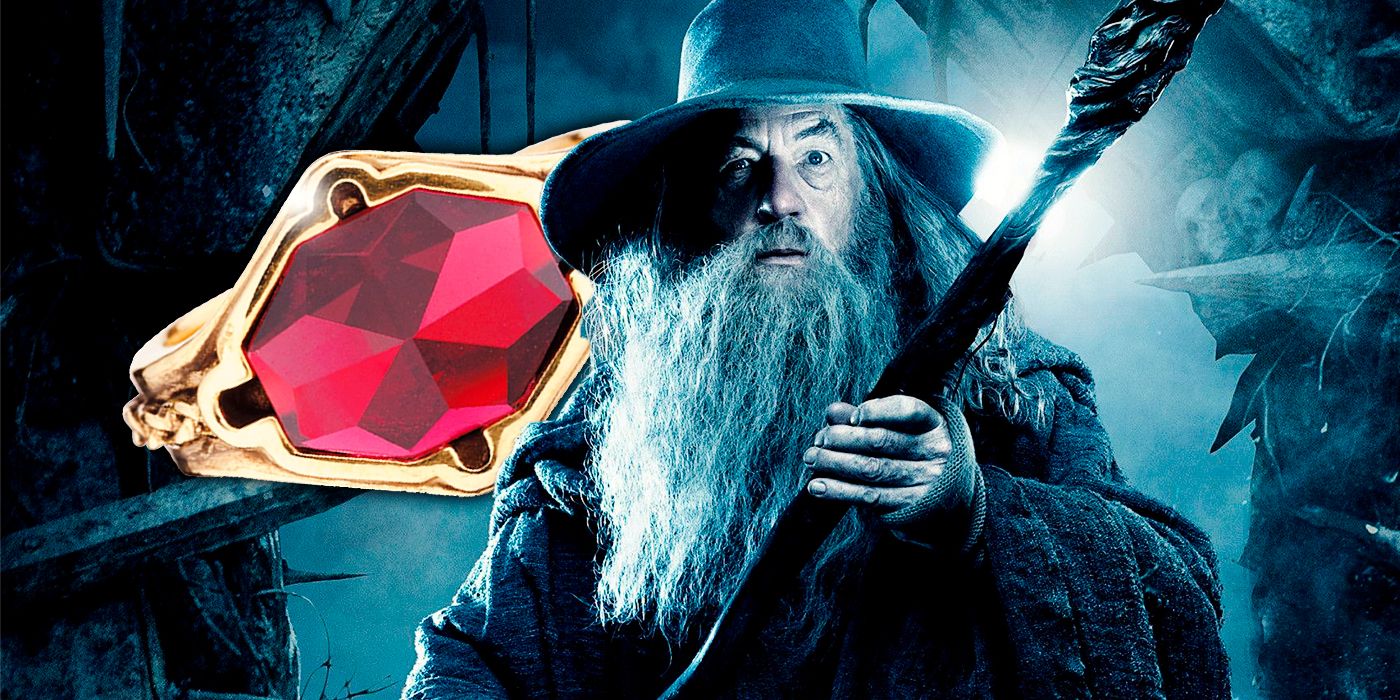
When a trusted brand deviates from its promise, the disillusionment is profound. For Gandalf, the mere act of taking the Ring would instantly brand him as a hypocrite, a false prophet. His past actions would be reinterpreted through a cynical lens. Every piece of advice he ever gave, every battle he fought, would be seen as a calculated move towards personal power, retroactively corrupting his entire legacy. This isn’t just a loss of faith in one individual; it could sow widespread cynicism, undermine belief in other benevolent figures, and create an environment ripe for further manipulation by darker forces. The psychological impact on his ‘audience’ would be immense, akin to a beloved global brand suddenly revealing a nefarious hidden agenda.
Reputational Fallout: A Shattered Legacy and Strategic Implications
The aftermath of Gandalf taking the Ring would be a case study in irreversible reputational damage, illustrating how a single, fundamental misstep can obliterate decades, even millennia, of careful brand building.
Public Relations Nightmare: The Narrative Unravels
Imagine the public relations disaster. A figure of unimpeachable moral authority suddenly transforms into a tyrannical despot. The narrative that had defined Middle-earth’s hope would be utterly inverted. Whispers would turn to fear, and loyalty to terror. The initial shock would give way to widespread panic and resistance. Any attempts at damage control would be futile, as the very source of authority and truth would be compromised.
There would be no spin that could recover this. A brand built on moral rectitude cannot survive a moral collapse. The new ‘Gandalf’ would operate under a cloud of fear, not respect, becoming a symbol of ultimate betrayal rather than guidance. This demonstrates that for brands deeply intertwined with ethical conduct and social responsibility, the cost of a catastrophic moral failure is often the total loss of all accumulated goodwill and legitimacy. The brand becomes its own worst enemy, embodying the very threat it once stood against.
The Irreversibility of a Breach: Legacy Annihilation
Unlike minor missteps that can be mitigated with strategic apologies or adjustments, Gandalf wielding the Ring represents a breach of such magnitude that it is fundamentally irreversible. His brand is built on his not falling to temptation. To do so would erase the very essence of what made him Gandalf the Grey or Gandalf the White. He would become Gandalf the Dark, a different entity entirely.
This underscores a critical principle in branding: certain actions cross a threshold from which there is no return. For some brands, particularly those built on trust, safety, or ethical leadership, a fundamental violation of their core promise can lead to total brand annihilation. There is no rebranding from such a position; it’s a complete dissolution of the original entity and the rise of a new, abhorrent one. The legacy of wisdom and light would be extinguished, replaced by a dark cautionary tale. His former alliances would crumble, his supporters would scatter or be enslaved, and the very concept of a trusted, powerful mentor would be tainted.
Strategic Lessons from a Hypothetical Fall: Fortifying Brand Integrity
While Gandalf’s potential fall is fictional, the lessons derived from this hypothetical scenario are acutely relevant to contemporary brand strategy, leadership, and crisis management.
Fortifying Brand Integrity: Beyond Lip Service
The scenario emphasizes that brand integrity is not a marketing slogan; it is the bedrock of sustained influence and trust. For any brand, whether personal or corporate, understanding and fortifying core values against internal and external pressures is paramount. This involves:
- Clear Value Definition: Articulating precisely what the brand stands for and, crucially, what it will not do.
- Consistent Action: Ensuring that every decision, communication, and product/service delivery aligns with these defined values. Inconsistencies erode trust incrementally; fundamental contradictions shatter it instantly.
- Ethical Vigilance: Proactively identifying and addressing potential vulnerabilities or temptations that could compromise the brand’s moral standing. This requires strong internal governance and a culture that prioritizes long-term integrity over short-term gains.
Gandalf’s unwavering refusal highlights the foresight needed to protect one’s brand from the ultimate corruption, demonstrating that knowing your limits and understanding the cost of compromise is a strategic imperative.

Crisis Preparedness and Ethical Leadership: The Ultimate Test
Finally, the “What if Gandalf took the Ring?” question serves as a potent reminder of the importance of crisis preparedness and ethical leadership. While we may not face literal Rings of Power, every leader and brand will encounter situations that test their resolve and challenge their stated values.
- Anticipate Black Swan Events: Prepare for seemingly unthinkable scenarios that could fundamentally alter perception and trust.
- Empower Ethical Gatekeepers: Just as Gandalf himself was a moral compass, organizations need individuals and systems that champion ethical decision-making, even when unpopular or difficult.
- Reinforce Vision and Purpose: In times of extreme pressure, a clear, well-communicated vision can serve as an anchor, guiding decisions and rallying stakeholders.
Gandalf’s struggle is a metaphor for the constant battle to maintain brand authenticity in a world rife with temptations for power, control, or fleeting advantage. His successful resistance (in the true narrative) is a testament to the power of a deeply ingrained, ethically sound personal brand. His hypothetical failure, however, starkly illustrates the catastrophic consequences when even the mightiest brand succumbs to its darkest impulses, offering a timeless lesson on the fragility and immense value of trust.
aViewFromTheCave is a participant in the Amazon Services LLC Associates Program, an affiliate advertising program designed to provide a means for sites to earn advertising fees by advertising and linking to Amazon.com. Amazon, the Amazon logo, AmazonSupply, and the AmazonSupply logo are trademarks of Amazon.com, Inc. or its affiliates. As an Amazon Associate we earn affiliate commissions from qualifying purchases.