
In the early architecture of the internet, long before the sleek user interfaces of Google Drive or the seamless synchronization of Dropbox, there was a foundational pillar that held the digital world together: the File Transfer Protocol (FTP). Developed in 1971 by Abhay Bhushan, FTP is one of the oldest protocols still in active use today. However, as we move deeper into an era defined by cloud computing, zero-trust security, and decentralized networks, a fascinating question arises for technologists and infrastructure architects: “What if FTP?”
What if FTP had never been invented? What if it were to disappear tomorrow? Or, perhaps more intriguingly, what if FTP is still the most misunderstood and undervalued component of our modern tech stack? This article explores the technological evolution of file transfer, the security implications of legacy protocols, and the hypothetical scenarios that define our relationship with data movement.
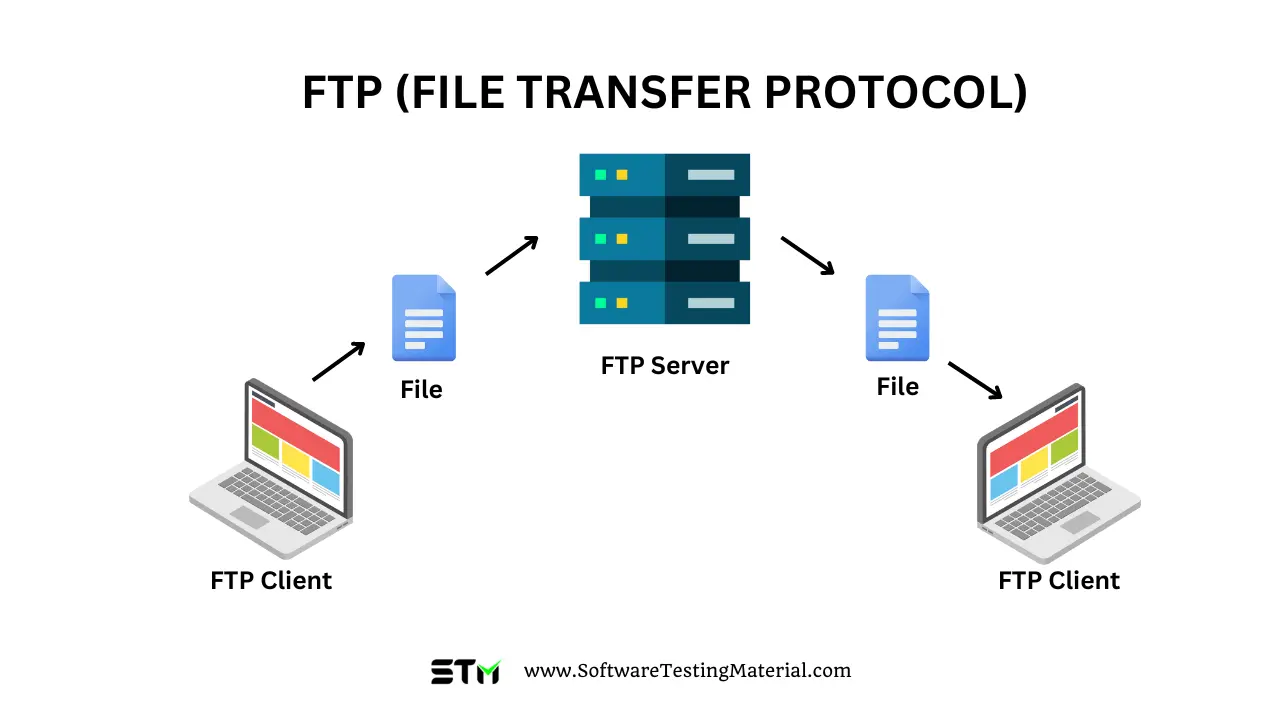
The Architectural Foundation: Why FTP Defined the Early Web
To understand the “what if” of FTP, one must first understand its structural significance. FTP was designed to allow users to move files between a local client and a remote server over a network. In the 1970s and 80s, this was revolutionary. It established the client-server model that still dictates much of how the internet functions today.
The Simplicity of the Client-Server Model
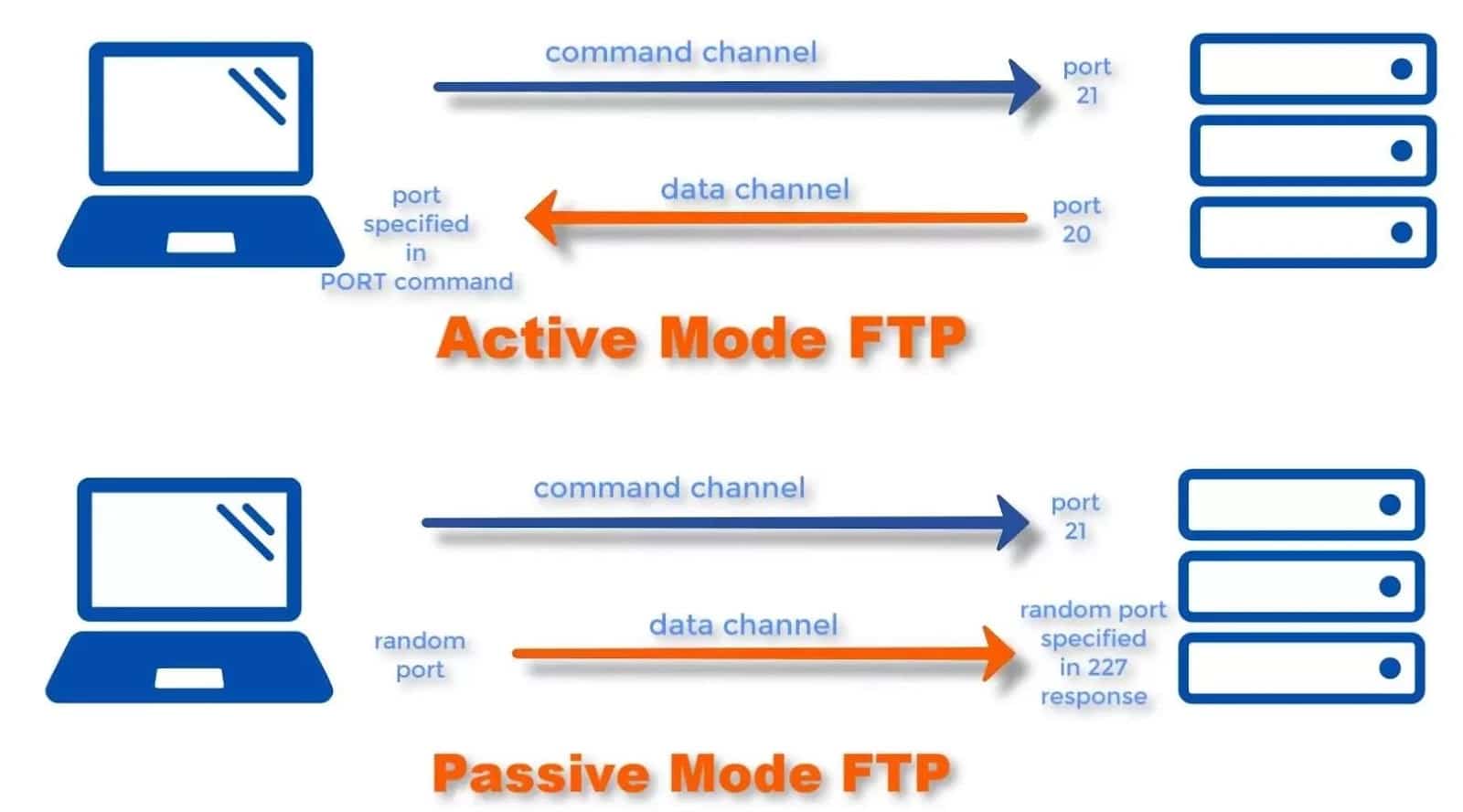
FTP operates on a dual-channel system: a command channel (typically port 21) and a data channel (port 20). This separation of concerns was a masterclass in early protocol design. It allowed for instructions to be sent—such as “list files” or “change directory”—without interrupting the actual flow of data. If FTP had not pioneered this approach, early network congestion might have stifled the growth of the internet before it ever reached the public.
The Birth of Standardization
Before FTP, transferring data between different types of computers was a logistical nightmare. Different operating systems had different ways of storing and naming files. FTP introduced a common language. It translated the nuances of various file systems into a standardized format. Without this standardization, the “inter” in “internet” would have been far less effective, potentially leading to a fragmented landscape of proprietary networks that couldn’t communicate.
Legacy Integration and Robustness
The reason FTP remains relevant is its sheer ubiquity. It is baked into the core of almost every operating system, from Linux distributions to Windows Server environments. For decades, the tech industry operated under the assumption that if you had a server, you had an FTP portal. This “what if” scenario highlights the protocol’s resilience: if a technology is simple enough and works well enough, it can survive for over half a century despite being technically superseded.
The Security Paradox: What If We Had Never Moved Beyond Port 21?
While FTP was a marvel of its time, it was built in an era of “implied trust.” In 1971, the internet was a small community of researchers and academics. There was no concept of cyber warfare, identity theft, or ransomware. Consequently, standard FTP is inherently insecure.
The Danger of Cleartext Transmission
The biggest flaw in the original FTP protocol is that it transmits data—including usernames and passwords—in cleartext. Anyone with a basic packet sniffer on the network can intercept these credentials. If the industry had never evolved beyond standard FTP, the modern digital economy would be non-existent. The “what if” here is a grim one: a world where digital privacy is fundamentally impossible because the base layer of data transfer is transparent to attackers.
The Evolution to FTPS and SFTP
To solve these vulnerabilities, the tech world branched out. We saw the rise of FTPS (FTP over SSL/TLS) and SFTP (SSH File Transfer Protocol). While they share similar names, they are technologically distinct. SFTP, in particular, leverages the Secure Shell (SSH) protocol, providing a single, encrypted channel for both commands and data.
In a world where security is now the primary concern for any CTO, the transition from FTP to SFTP represents the industry’s realization that “simple” is no longer enough. The “what if” of security forces us to acknowledge that legacy protocols must either evolve through encapsulation (like FTPS) or be replaced by fundamentally different architectures (like SFTP).
Compliance and the Death of “Anonymous” FTP
There was a time when “Anonymous FTP” was the primary way software was distributed. You could log into a server with the username “anonymous” and download drivers or updates. Today, with the advent of GDPR, HIPAA, and SOC2 compliance, the idea of an anonymous, unencrypted file portal is a legal and technical nightmare. The tech industry has moved toward managed file transfer (MFT) solutions that provide audit trails and end-to-end encryption, marking the slow sunset of the classic FTP era.
The Cloud Disruption: What If We No Longer Need Protocols?
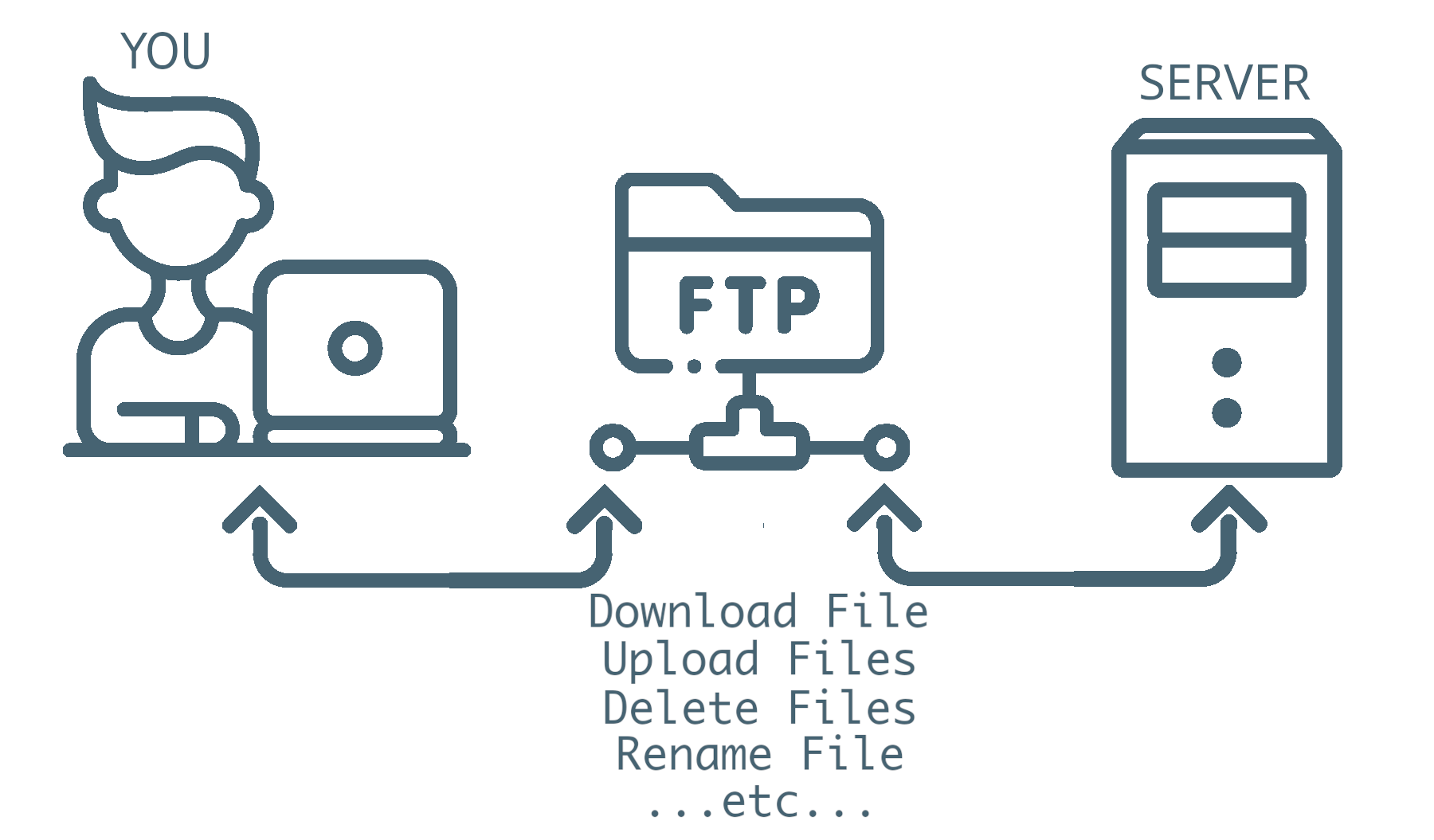
With the rise of Amazon S3, Azure Blob Storage, and SaaS platforms like Box or Google Drive, the very concept of a “protocol” for file transfer has begun to fade for the average user. We have moved from “transferring files” to “syncing data.”
APIs vs. Traditional Protocols
Most modern applications no longer use FTP to move data. Instead, they use RESTful APIs (Application Programming Interfaces). APIs allow for more granular control; instead of moving a whole file, an application might just update a specific data point. If FTP represents a blunt instrument for moving boxes, APIs represent a surgical tool for moving contents. The technological shift here is profound: we are moving away from file-based storage toward object-based storage and streaming data.
The Myth of the “FTP Killer”
For twenty years, analysts have predicted the death of FTP. Yet, it persists. Why? Because the “Cloud” is often just someone else’s server, and many of those servers still rely on FTP-like logic for bulk data movements. In the world of enterprise tech, many “What if FTP” scenarios end with the realization that legacy banking systems, manufacturing logs, and telecommunications back-ends are still running on scripts written in the 1990s that rely on FTP. Replacing these systems is often deemed too risky or expensive.
Edge Computing and the Protocol Resurgence
Interestingly, the rise of the Internet of Things (IoT) and Edge Computing has sparked a renewed interest in lightweight protocols. While FTP might be too heavy or insecure for a tiny sensor, the logic of a dedicated, low-overhead transfer protocol is making a comeback. We are seeing a “What if” scenario where the spirit of FTP—direct, server-to-client communication—is being reimagined for decentralized environments.
The Invisible Infrastructure: What If FTP Vanished Tomorrow?
If a switch were flipped and every FTP-enabled server on the planet went offline, the global economy would likely shudder to a halt. This is the “What if” that keeps infrastructure engineers awake at night.
Impact on Global Logistics and Supply Chains
Many global shipping and logistics companies still use FTP to exchange manifests and tracking data with customs agencies and port authorities. These systems are often automated “cron jobs” that have run untouched for years. The sudden disappearance of FTP would lead to a total blind spot in global trade, as the automated handshakes that confirm the movement of containers would fail.
The Financial Sector’s Secret Dependency
While modern banking apps use high-level encryption and modern APIs, the “back-end” of the financial world—clearinghouses and inter-bank settlements—frequently uses Secure FTP for bulk transaction processing. Every night, millions of files containing sensitive financial records are moved across the globe using these protocols. The “What if” here reveals a massive dependency on a technology that many consider obsolete but remains the bedrock of global finance.
Media and Broadcasting Workflows
In the world of high-definition media, files are massive. While cloud-based collaboration tools exist, many television stations and film studios still use high-speed, customized FTP variants (like UDP-based transfer protocols) to move raw footage between continents. For these industries, FTP isn’t a relic; it’s a high-performance necessity.
Reimagining the Future: The Next Generation of Transfer
As we look forward, the question “What if FTP?” leads us to the next frontier of data movement. We are entering a phase where the protocol itself might become “intelligent.”
AI-Driven Data Routing
What if the protocol could decide the best way to move a file based on its content, urgency, and the current state of the network? Future iterations of file transfer technology are likely to incorporate AI to optimize bandwidth. Instead of a static “put” or “get” command, we will see adaptive transfers that switch between peer-to-peer (P2P), cloud, and direct-server routes in real-time.
Decentralization and IPFS
The InterPlanetary File System (IPFS) is often cited as the “Web3” successor to FTP. In IPFS, files aren’t stored on a single server; they are distributed across a network. Instead of asking a server for a file by its location (the FTP way), you ask the network for a file by its content (the IPFS way). If this technology matures, the “What if” moves from “How do we secure the server?” to “How do we ensure the data is always available?”
Conclusion: The Resilience of a Protocol
The story of FTP is a testament to the power of a good idea. Despite its age and its security flaws, the File Transfer Protocol remains a vital part of the global tech ecosystem. The answer to “What if FTP?” is not found in its replacement, but in its persistence.
Technologists must respect the legacy of these foundational protocols while continuing to build the layers of security and abstraction that make them viable for the 21st century. Whether we are talking about the humble port 21 or the future of decentralized data, the fundamental need to move a file from point A to point B remains the heartbeat of the digital age. FTP might eventually fade into the background, but its DNA will remain in every packet of data we send, proving that in the world of technology, some foundations are truly built to last.
aViewFromTheCave is a participant in the Amazon Services LLC Associates Program, an affiliate advertising program designed to provide a means for sites to earn advertising fees by advertising and linking to Amazon.com. Amazon, the Amazon logo, AmazonSupply, and the AmazonSupply logo are trademarks of Amazon.com, Inc. or its affiliates. As an Amazon Associate we earn affiliate commissions from qualifying purchases.