
This article will explore the potential financial ramifications associated with elevated ferritin levels. We will delve into how high ferritin can impact healthcare costs, insurance premiums, long-term financial planning, and the economic considerations of managing underlying conditions.
The Direct Costs of Elevated Ferritin: Healthcare Expenses and What They Entail
High ferritin is not merely a biological marker; it can translate into tangible financial outlays. Understanding these direct costs is the first step in preparing for the financial journey that may accompany elevated ferritin.
Diagnostic Workups and Initial Investigations
The journey to understanding high ferritin often begins with a series of diagnostic tests. While individual healthcare systems and insurance plans vary, these initial steps can represent a significant upfront expenditure.
Blood Tests and Laboratory Fees
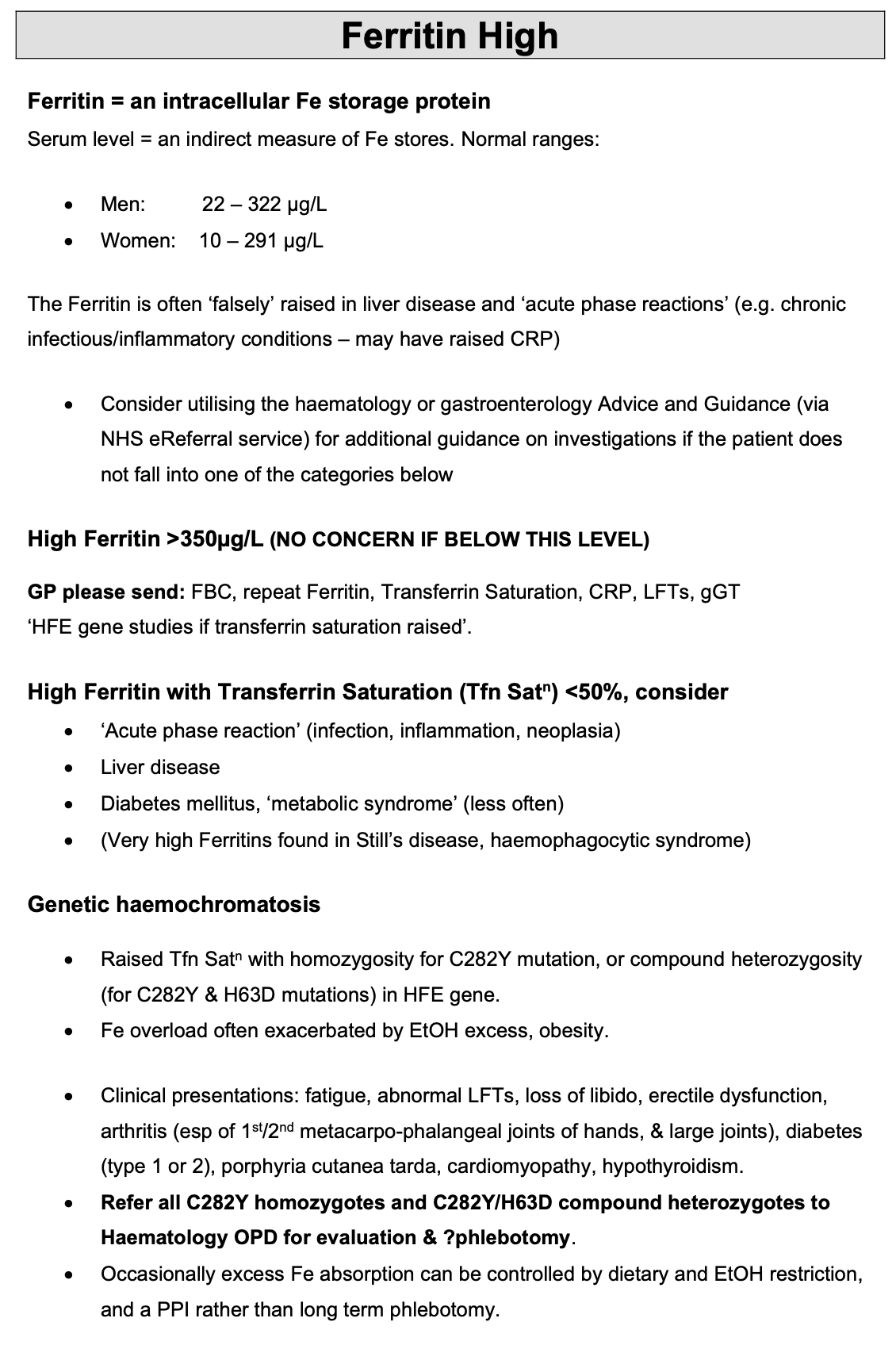
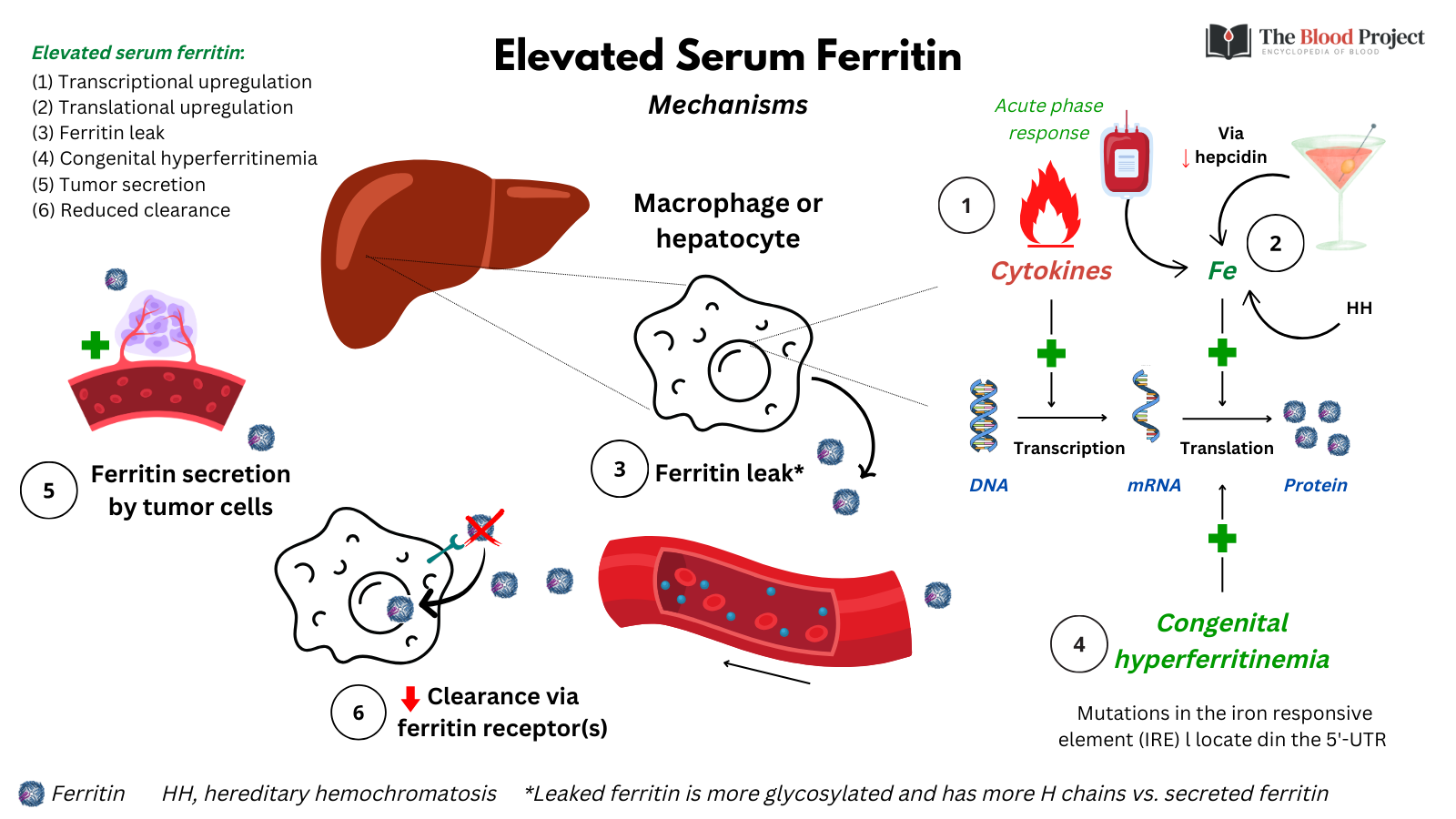
The primary diagnostic tool for ferritin is a simple blood test. However, depending on the suspected cause, your physician may order a battery of other tests alongside it. These can include liver function tests, iron studies (transferrin saturation, total iron-binding capacity), C-reactive protein (CRP) for inflammation, and even genetic tests for conditions like hemochromatosis. Each of these laboratory services carries a fee, which can accumulate, especially if multiple rounds of testing are required. For individuals without comprehensive health insurance, out-of-pocket costs for these essential diagnostic procedures can be substantial. Even with insurance, co-pays, deductibles, and coinsurance can add up, making proactive health management financially prudent.
Imaging and Specialized Consultations
In some cases, imaging techniques like ultrasounds, MRIs, or CT scans of the liver or other organs might be necessary to assess for damage or underlying conditions contributing to high ferritin. Furthermore, depending on the suspected cause, you might be referred to specialists such as hepatologists (liver specialists), hematologists (blood disorder specialists), or endocrinologists. The consultation fees for these specialists, coupled with any associated imaging costs, represent another layer of direct healthcare expense. For those navigating the complexities of chronic conditions, these specialized consultations can become a recurring financial obligation.
Treatment and Management of Underlying Conditions
The financial burden of high ferritin extends beyond diagnosis to the management of the root cause. The costs associated with treatment can vary dramatically depending on the specific condition identified.
Medications and Pharmaceutical Expenses
Many conditions that lead to high ferritin, such as chronic infections, inflammatory diseases (like rheumatoid arthritis or Crohn’s disease), liver conditions (hepatitis, cirrhosis), and certain cancers, require ongoing pharmaceutical treatment. The cost of these medications can range from affordable generics to very expensive, specialized drugs. For patients with chronic conditions, a consistent monthly or annual expenditure on prescriptions becomes a significant part of their budget. Understanding prescription drug coverage through insurance, exploring patient assistance programs, and comparing prices across pharmacies are all vital financial strategies for managing these costs.
Lifestyle Modifications and Supportive Therapies
In some instances, managing high ferritin may involve lifestyle changes or supportive therapies. For example, in cases of hemochromatosis, therapeutic phlebotomy (blood removal) is a common treatment. While often covered by insurance, there can be associated costs for the procedure itself, clinic visits, and follow-up tests. For conditions requiring dietary changes, this might involve more expensive food choices or consultations with registered dietitians. If stress or mental health plays a role, therapy or counseling could also be part of the management plan, incurring further financial commitment.
Indirect Financial Impacts: Insurance, Productivity, and Long-Term Planning
Beyond the direct medical bills, elevated ferritin levels can trigger a cascade of indirect financial consequences that require careful consideration and strategic planning.
Impact on Health Insurance Premiums and Coverage
One of the most significant indirect financial impacts of having high ferritin can be on health insurance. While a single elevated ferritin reading might not immediately affect your premiums, a persistent pattern or a diagnosis of a related condition can.
Premium Increases and Underwriting
Insurers assess risk. If an individual has a history of elevated ferritin and a diagnosed condition linked to it, such as hemochromatosis or a chronic inflammatory disease, this information can influence their insurance premiums. For individuals seeking new insurance policies, particularly in countries with individual marketplaces, pre-existing conditions can lead to higher premiums or even specific exclusions. Even within employer-sponsored plans, group premiums can be indirectly influenced by the overall health profile of the insured population. Understanding how your health status affects your insurance is crucial for budgeting and ensuring adequate coverage.

Pre-existing Condition Clauses and Policy Limitations
Certain insurance policies, especially older ones or those in less regulated markets, might have clauses that limit coverage for pre-existing conditions. If high ferritin is a symptom of or precursor to a condition that is deemed pre-existing, you may face limitations on what treatments and services are covered. This underscores the importance of reviewing policy documents carefully and understanding your benefits, especially when dealing with chronic or potentially serious health issues. Proactive communication with your insurance provider about any new diagnoses or persistent health markers is advisable.
Lost Productivity and Economic Earning Potential
The financial implications of high ferritin are not limited to healthcare. The debilitating effects of some underlying conditions can significantly impact an individual’s ability to work and earn income.
Sick Leave and Reduced Work Capacity
Many conditions associated with high ferritin can cause fatigue, pain, and cognitive dysfunction, often referred to as “brain fog.” These symptoms can lead to increased absenteeism, requiring individuals to take more sick leave. In more severe cases, it can necessitate a reduction in work hours or an inability to perform certain job duties, thereby decreasing earning potential. The cumulative effect of lost workdays can strain household finances and impact career progression. Employers and employees alike need to consider the financial implications of managing chronic health conditions within the workforce, including the availability of paid sick leave and disability benefits.
Long-Term Disability and Retirement Planning
For individuals whose conditions become severe and chronic, the prospect of long-term disability may arise. This has profound financial implications, impacting retirement savings, income stability, and the ability to fund daily living expenses. Planning for potential long-term disability involves understanding social security benefits, private disability insurance options, and the financial strategies needed to supplement reduced income. Early and proactive financial planning can mitigate the severity of these long-term economic consequences.
Strategic Financial Management in the Face of High Ferritin
Navigating the financial landscape with high ferritin requires a proactive and strategic approach. This involves not only managing immediate costs but also building a robust financial future.
Proactive Health Management and Cost Avoidance
The adage “prevention is better than cure” holds significant financial weight when dealing with health concerns. Early detection and management of conditions linked to high ferritin can prevent more severe, and thus more expensive, health problems down the line.
Regular Health Screenings and Early Intervention
Investing in regular health screenings, including those that can detect elevated ferritin or its underlying causes, is a financially sound decision. Early intervention for conditions like iron overload or chronic inflammation can prevent irreversible organ damage and reduce the need for complex and costly treatments later in life. The cost of routine check-ups and basic diagnostic tests is often a fraction of the expense associated with treating advanced diseases. By addressing health issues promptly, individuals can potentially avoid significant financial burdens associated with emergency care, lengthy hospital stays, and intensive therapies.
Understanding and Utilizing Health Savings Accounts (HSAs) and Flexible Spending Accounts (FSAs)
For individuals with high-deductible health plans, Health Savings Accounts (HSAs) offer a tax-advantaged way to save for medical expenses. Contributions to HSAs are tax-deductible, and the funds grow tax-free. These accounts can be used to pay for a wide range of qualified medical expenses, including doctor visits, prescriptions, and medical devices. Similarly, Flexible Spending Accounts (FSAs) allow employees to set aside pre-tax money for healthcare expenses. Utilizing these tools effectively can significantly reduce the out-of-pocket costs associated with managing health conditions, including those related to elevated ferritin. Maximizing contributions and understanding eligible expenses are key to leveraging these financial benefits.
Long-Term Financial Resilience and Investment
Beyond immediate cost management, building long-term financial resilience is crucial for individuals facing the potential chronic impacts of high ferritin.
Insurance Review and Comprehensive Coverage
Regularly reviewing your health insurance policy is paramount. Ensure that your coverage adequately addresses the potential needs associated with conditions linked to high ferritin. This might include seeking policies with strong coverage for specialist visits, prescription drugs, and diagnostic imaging. Beyond health insurance, consider other forms of financial protection such as life insurance and long-term care insurance. These can provide a safety net for your dependents and ensure financial stability in the event of unforeseen circumstances. Adequate insurance coverage acts as a buffer against potentially catastrophic financial losses.
Diversified Investment Strategies for Health-Related Expenses
For individuals managing chronic conditions, setting aside dedicated funds for future health-related expenses is a wise financial strategy. This might involve investing in a diversified portfolio that balances growth potential with a degree of liquidity for immediate needs. Consider establishing specific investment accounts earmarked for healthcare costs, which can help visualize progress and maintain focus on long-term financial goals. Consulting with a financial advisor can help in developing a personalized investment plan that aligns with your risk tolerance and healthcare needs, ensuring you are financially prepared for the long haul. By making smart financial choices today, you can build a more secure future, even in the face of health challenges.
aViewFromTheCave is a participant in the Amazon Services LLC Associates Program, an affiliate advertising program designed to provide a means for sites to earn advertising fees by advertising and linking to Amazon.com. Amazon, the Amazon logo, AmazonSupply, and the AmazonSupply logo are trademarks of Amazon.com, Inc. or its affiliates. As an Amazon Associate we earn affiliate commissions from qualifying purchases.